
Soups & Stews
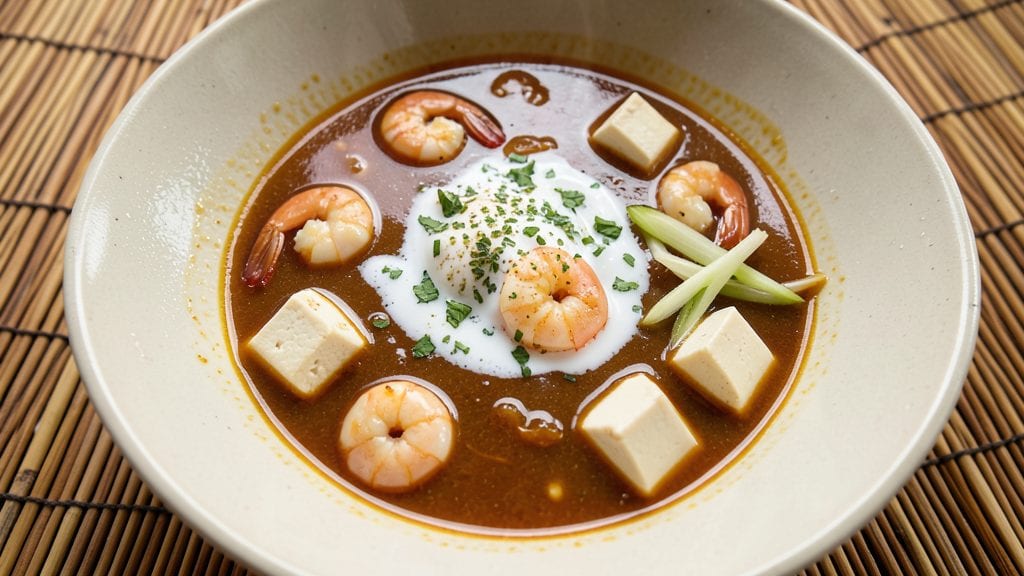
This tamarind soup recipe delivers the perfect harmony of tangy-sour brightness and fragrant ginger heat, a dish that bridges traditional comfort and bold Southeast Asian flavors. The key lies in balancing tamarind paste with coconut milk and ginger—creating a broth that’s both complex and deeply satisfying.
I developed this version after years of experimenting with regional variations, ensuring every spoonful delivers that signature balance without overpowering sweetness.
The beauty of this soup is its versatility—it works as a light lunch or a warming starter, depending on how you serve it. A 30-minute simmer transforms simple ingredients into a fragrant, vibrant broth, while optional garnishes like fresh herbs or chili oil let you customize the heat.
The recipe uses pantry staples, making it accessible yet impressive enough for guests.
What you’ll achieve is a smooth, velvety soup with layers of umami from shrimp or tofu, a touch of sweetness from palm sugar, and the signature tamarind tang that cuts through richness.
The ginger adds warmth, while lime juice at the end brightens every sip. This isn’t just a recipe—it’s a flavor journey that proves simple ingredients can create something extraordinary.
Perfect for weeknight meals or special occasions, this tamarind soup adapts effortlessly to dietary preferences—just swap the protein or adjust the spice level. Let’s bring this bold, comforting dish to your table with confidence.
Ingredients for tamarind soup
Pantry staples meet Southeast Asian boldness—simple ingredients transform into velvety, tangy-sour perfection.
| Ingredient | Amount | Notes |
|---|---|---|
| Tamarind Paste 🍈 | ½ cup | Unrefined for authentic tang |
| Coconut Milk 🥥 | 1 ½ cups | Full-fat for creaminess |
| Fresh Ginger 🌿 | 3 tbsp | Grated, organic preferred |
| Palm Sugar 🍯 | ¼ cup | Or substitute brown sugar |
| Shrimp 🦐 | 1 lb | Peeled, deveined, medium size |
| Firm Tofu 🥬 | 1 block | Pressed, cubed for texture |
| Garlic Cloves 🧄 | 4 cloves | Minced, fresh preferred |
| Lime Juice 🍋 | ¼ cup | Freshly squeezed |
| Vegetable Broth 💧 | 4 cups | Low-sodium preferred |
| Fish Sauce 🍶 | 1 tbsp | Red Boat brand recommended |
| Fresh Thai Basil 🌿 | ¼ cup | Chopped for garnish |
| Chili Oil 🌶️ | 1 tbsp | Optional, for heat |
| Salt 🧂 | 1 tsp | Diamond Crystal kosher |
| Black Pepper 🌶️ | ½ tsp | Freshly ground |
The tamarind paste is non-negotiable—unrefined, block form delivers that authentic depth. Trader Joe's carries a great version, but Thai markets often have superior quality. Palm sugar adds subtle sweetness without overpowering the tang. For the ginger, organic is ideal—it retains more volatile oils during grating. The coconut milk should be full-fat; Thai Kitchen brand works perfectly for this application. Fresh Thai basil elevates the dish, but regular basil in a pinch still adds brightness.
No tamarind paste? Lemon juice plus 1 tbsp brown sugar mimics the tang, though it won't be identical. Substituting shrimp with chicken or mushrooms works beautifully—just adjust cooking time. The tofu should be extra-firm and pressed for optimal texture; Trader Joe's sells pre-pressed blocks. Fish sauce can be swapped for soy sauce plus a pinch of sugar, though the umami profile will differ slightly. For extra heat, Sichuan peppercorn oil adds complexity beyond chili oil.
Store tamarind paste in the fridge after opening to preserve freshness. The broth keeps for 5 days refrigerated or 3 months frozen—freeze in ice cube trays for easy portioning. Fresh ginger and basil last 1 week wrapped tightly in the crisper. The tofu cubes can be pre-cooked and frozen for 2 months before adding to the soup. This dish tastes even better the next day as flavors meld.
Why You'll Love This Recipe
- One-Pot Magic: I swear by this recipe—just a pot, a few ingredients, and 25 minutes later, you’ve got something restaurant-worthy. No chopping mountains of veggies or juggling multiple pans; the shrimp simmers right in the tamarind-coconut broth while the ginger infuses effortlessly.
- Tangy-Creamy Balance: That first sip? Chef’s kiss. The tamarind’s sharp, fruity tang cuts through the richness of coconut milk like a perfect contrast, while palm sugar adds just enough sweetness to make it feel indulgent—not cloying. Honestly, the shrimp soaks up all the flavors like a sponge.
- Leftover Goldmine: This soup actually improves the next day. The flavors meld deeper, and it reheats like a dream—ideal for meal prep when you’re too tired to cook fresh. I’ve taken it to potlucks, packed it for work, and even frozen portions for lazy Sundays. It’s my secret weapon.
- Budget-Friendly Luxury: You’d never guess how affordable this is. Shrimp might seem fancy, but a single bag stretches far in the rich, flavor-packed broth, and coconut milk stretches even further. The tamarind paste? A tiny jar lasts forever. It’s the kind of dish that feels special without breaking the bank.
Step-by-step instructions for tamarind soup with fragrant ginger heat
Master this vibrant balance of tangy-sour tamarind and aromatic ginger through precise technique.
Prepare the Tamarind-Ginger Base
In a medium saucepan, combine the 0.5 cup tamarind paste with the 4 cups vegetable broth over medium heat. Stir continuously until the tamarind completely dissolves and the mixture reaches a gentle simmer. This should take about 5 minutes. The tamarind will create a thick, syrupy consistency that forms the soup's signature tangy foundation.
Add the 3 tablespoons grated fresh ginger and 4 minced garlic cloves, stirring to incorporate. Let the mixture simmer for an additional 3 minutes until the ginger becomes fragrant and the garlic releases its pungent aroma. This aromatic infusion is crucial for developing the soup's complex flavor profile. Keep the heat at medium to prevent the ginger from burning, which would impart a bitter taste.
Sweeten and Balance the Flavors
Reduce the heat to low and gradually whisk in the 0.25 cup palm sugar until fully dissolved. Taste the mixture and adjust the balance between sweetness and tartness by adding more sugar if needed. The goal is to achieve a harmonious blend where the tamarind's sourness is complemented rather than overpowered by sweetness.
Stir in the 1 tablespoon fish sauce and 1 teaspoon salt, allowing the flavors to meld together. The fish sauce adds umami depth while the salt enhances all the flavors. Let the soup simmer gently for 5 minutes to allow these ingredients to fully integrate. This step ensures a well-rounded flavor base before adding the protein components.
Cook the Protein Components
In a separate skillet, heat 1 tablespoon chili oil over medium-high heat. Add the 1 pound shrimp and cook for 2-3 minutes per side until they turn opaque and slightly pink. Remove the shrimp from the heat and set aside. In the same skillet, add the 1 block firm tofu cut into cubes and cook for 3-4 minutes until lightly golden on all sides. This step ensures the shrimp are fully cooked and the tofu develops a pleasant texture.
Return the shrimp and tofu to the tamarind-ginger soup base. Stir gently to combine, allowing the flavors to meld together. Simmer the entire mixture for 5 minutes to ensure the shrimp and tofu absorb the soup's rich flavors. The shrimp should be heated through and the tofu should be warm throughout.
Finish with Fresh Aromatics
Remove the soup from heat and stir in the 0.25 cup fresh Thai basil and 0.25 cup lime juice. The basil adds a bright, herbal note that complements the tamarind's tanginess, while the lime juice enhances the overall acidity and freshness. Taste the soup once more and adjust seasoning if needed, adding more fish sauce for umami or lime juice for acidity.
Ladle the soup into bowls and drizzle each serving with an additional 1 tablespoon chili oil. The chili oil not only adds heat but also enhances the soup's visual appeal with its vibrant red color. Serve immediately while the soup is hot, allowing the fragrant steam to carry the complex aromas to your guests.
Pro Tips For Making Tamarind Soup
- Simmer Shrimp Slowly: Tamarind soup isn’t a race—add shrimp after the broth has simmered for 10 minutes. They’ll stay tender and absorb the tangy-sweet flavors instead of turning rubbery. I learned this the hard way when I dumped them in too early and ended up with chewy bits.
- Dissolve Tamarind First: Skip the clumps—mix tamarind paste with hot broth (not cold water) and let it sit 5 minutes before adding coconut milk. This ensures a smooth, balanced sourness, not that weird grainy texture that ruins the whole dish. Trust me, your spoon will thank you.
- Balance Heat with Ginger: Grate ginger just before using—fresh is non-negotiable here—and taste after adding it. Too much? The soup will taste like a spicy punch. Too little? It’ll lack depth. Start with 1 teaspoon, adjust, and remember: coconut milk mellows things out, but not completely.
- Use Full-Fat Coconut Milk: Light coconut milk saves calories but kills the soup’s richness. Splurge on the canned full-fat version—it’s what makes the sauce velvety and carries the shrimp’s flavor. (Yes, even if you’re watching your waistline, this is the thing that matters most.)
Perfect pairings for tamarind soup
Side Dish Harmony
Pair this tamarind soup with steamed jasmine rice—its mild, floral notes let the soup's bold flavors shine. I like using Thai jasmine rice from Trader Joe's, as it absorbs the broth beautifully while maintaining a delicate texture.
For extra contrast, serve with crispy rice paper rolls filled with fresh herbs and mint. 🥢
Another fantastic option is warm, buttery naan bread—its soft texture soaks up the tangy broth perfectly. I recommend brushing the naan with garlic-infused ghee before serving. For a lighter touch, cucumber salad with rice vinegar and chili flakes adds refreshing crunch to balance the richness.
Beverage Pairings
A Thai iced tea from Starbucks or a homemade version with black tea, sweetened condensed milk, and lemon complements the soup's complexity. The tea's sweetness and acidity mirror the tamarind's tang while cooling the palate.
For a non-caffeinated option, sparkling lime soda like San Pellegrino adds effervescence that cuts through the soup's richness. 🍹
Protein Swaps
If you're avoiding seafood, grilled chicken breast works wonderfully—marinate it in fish sauce, lime juice, and a touch of honey before grilling. The chicken's mild flavor lets the tamarind shine while adding heartiness.
For a vegetarian option, mushroom duxelles (finely chopped mushrooms sautéed with garlic and thyme) adds umami depth without overpowering the broth. 🍄
Topping Ideas
Finish each bowl with crispy fried shallots for a delicate crunch and nutty flavor. I like toasting them in neutral oil until golden.
A sprinkle of toasted sesame seeds adds earthy notes, while quick-pickled red onions (thinly sliced onions marinated in rice vinegar and sugar for 10 minutes) bring a bright, acidic pop. 🌿
Regional Variations
In Thailand, this soup often includes soft-boiled eggs and fermented shrimp paste for extra depth. For a Vietnamese twist, stir in rice noodles and top with fresh herbs like cilantro and mint.
In Malaysia, you might find tamarind leaves infused into the broth for a unique herbal note. Each variation keeps the tamarind's tangy-sour balance while adding local flair. 🗺️
Nutrition facts
Frequently asked questions
Can I substitute tamarind paste with something else if I can't find it?
Yes! Mix ¼ cup lemon juice with 1 tablespoon brown sugar to mimic tamarind's tangy-sour profile. For a closer match, add ½ teaspoon citric acid (found in baking aisles) to enhance the sourness. The texture won't be identical, but the flavor balance will work in a pinch.
How do I adjust the spice level for picky eaters or heat lovers?
For milder heat, reduce the chili oil to ½ tablespoon or omit it entirely. For extra spice, add 1 teaspoon chili flakes or 1 sliced Thai chili to the simmering broth. Heat lovers can also stir in ½ teaspoon sambal oelek at the end. Always taste before serving!
Can I make this soup vegetarian or vegan?
Skip the shrimp and tofu, then add 1 cup mushrooms (sautéed with garlic) and 1 cup firm white beans for protein. Replace fish sauce with 1 tbsp soy sauce + ½ tsp sugar. For vegan coconut milk, use a full-fat, unsweetened version. The broth will still shine with tamarind's tang!
Why did my tamarind soup turn out too sweet or sour?
Tamarind's balance is key! If too sour, add 1-2 teaspoons more palm sugar while simmering. Too sweet? Brighten with 1 extra tablespoon lime juice or a splash of vinegar. Taste as you go—adjust gradually. The ideal ratio is 1 part sweet to 2 parts tang.
Can I prepare this soup ahead of time?
Yes! The broth keeps for 5 days refrigerated or 3 months frozen. Store without the fresh basil or lime juice—add those just before serving. For best texture, reheat gently on low heat. The flavors actually improve overnight as the tamarind's tang mellows slightly.