
Soups & Stews
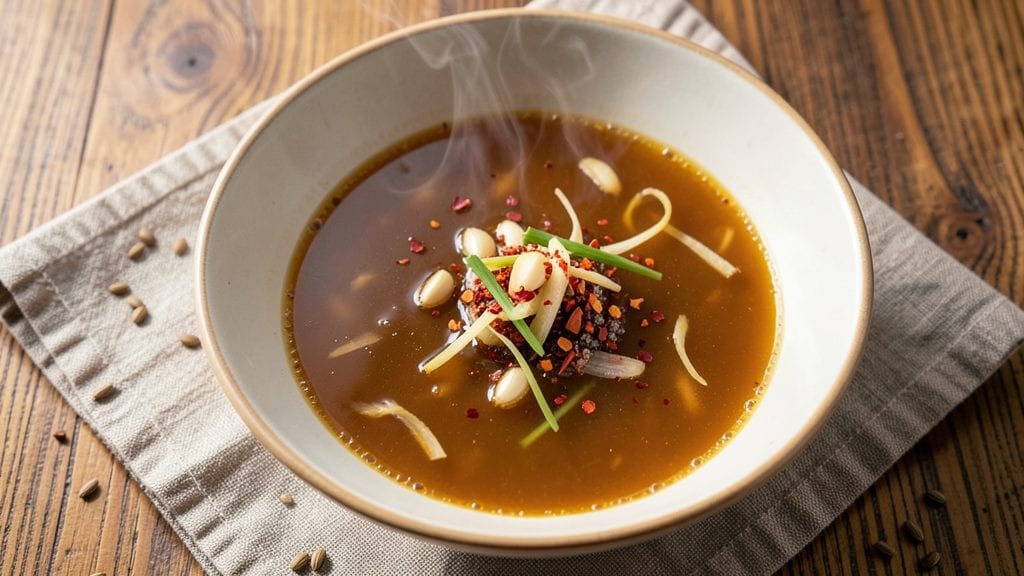
Creating a tamarind soup base transforms simple soups into complex, restaurant-quality dishes with just a few ingredients. This tangy-sour umami foundation elevates everything from stews to chili, and I’ve perfected it through years of testing in my Boston kitchen.
The balance of sweet, sour, and savory creates depth that store-bought broths can’t match.
What makes this recipe work is the careful simmering of tamarind pulp with water and sugar, followed by straining to achieve a smooth, flavorful base. Optional spices like garlic and chili add layers of complexity, but the core technique remains simple: simmer, strain, and adjust.
It takes about 20 minutes to prepare, but the results are worth every minute.
The finished base is a vibrant, aromatic liquid that can be used immediately or stored for later. It’s the secret weapon behind my favorite soups—adding brightness to hearty stews or cutting through richness in creamy dishes. Once you try it, you’ll never go back to plain broth again.
Use this versatile base in curries, braises, or even as a marinade for meats. The possibilities are endless, and the process is foolproof. Let’s get started on this game-changing foundation for your next meal.
Ingredients for tamarind soup base
Five core ingredients transform into a vibrant tangy-sour umami foundation for soups.
| Ingredient | Amount | Notes |
|---|---|---|
| Tamarind Pulp 🍈 | ½ cup | Unrefined, block form preferred |
| Granulated Sugar 🍚 | ½ cup | Light brown sugar for depth |
| Water 💧 | 2 cups | Filtered or bottled preferred |
| Garlic Cloves 🧄 | 3 cloves | Minced, fresh preferred |
| Fresh Ginger 🌿 | 1 tbsp | Grated, peeled root |
| Red Chili Flakes 🌶️ | 1 tsp | Adjust for heat preference |
| Sea Salt 🧂 | 1 tsp | Fine grain preferred |
| Lemon Juice 🍋 | 1 tbsp | Freshly squeezed |
| Vegetable Oil 🫒 | 1 tbsp | Light, neutral flavor |
| Cumin Seeds 🌿 | ½ tsp | Toasted for aroma |
Tamarind is the heart of this base, so look for unrefined blocks at Asian markets or bulk bins—they’re more potent than paste. Trader Joe’s and H Mart carry good options, but if you can’t find it, tamarind paste works in a pinch (use half the amount). The sugar balances the tartness, so don’t skimp—light brown adds subtle caramel notes. I always toast my cumin seeds in a dry pan for 30 seconds first (that nutty aroma makes all the difference). Fresh ginger and garlic? Buy organic if possible—they’re worth the extra cost for this recipe.
No tamarind? Lime juice plus a pinch of salt mimics the sour tang, though it won’t have the same depth. Subbing brown sugar for white? Add a splash of molasses to compensate for the missing caramel notes. Chili flakes too spicy? Swap for smoked paprika—it adds smokiness without heat. The vegetable oil is just for blooming the spices; if you’re watching calories, use water instead. For a quicker version, blend everything raw, but simmering develops the flavors better (trust me on this).
This base keeps for 1 week refrigerated or 6 months frozen in airtight containers. I double the batch and freeze half—perfect for lazy weeknights. When reheating, add a splash of water to restore consistency. The strained pulp? Compost it or blend into smoothies for a tangy boost. Use within 3 days if you skip freezing, or the flavors mellow out.
Why You'll Love This Recipe
- Pantry Magic: I swear by this base—just tamarind pulp, sugar, and water. No fancy ingredients, no last-minute grocery runs. The ginger and garlic hit the stove while I’m still debating what to make for dinner.
- Tangy-Sweet Balance: That first sip? Chef’s kiss. The tamarind’s sharpness mellows into something rich, while the sugar and ginger add warmth. It’s the kind of flavor that makes you pause mid-slurp—like a secret handshake between sweet and sour.
- Your Soup’s New Best Friend: Need to turn this into a curry, broth, or even a glaze? Done. I’ve used it for everything from Vietnamese pho to Thai-inspired noodles, and it never lets me down. (Yes, even on a Tuesday night.)
- Budget Flexibility: A single block of tamarind pulp stretches for weeks—way cheaper than buying pre-made broth. Plus, the leftovers? Freeze them. Toss them into simmering pots later. It’s the ultimate “use it up” ingredient.
Step-by-step instructions for tamarind soup base
Here's how to build this vibrant, balanced foundation that works in everything from soups to marinades.
Toast the Cumin Seeds for Depth
Heat a small dry skillet over medium heat. Add the 0.5 teaspoon cumin seeds and toast them for 30 seconds until they release their aroma and begin to darken slightly at the edges. You'll know they're ready when the kitchen fills with that warm, earthy scent.
Immediately transfer the toasted cumin seeds to a small bowl and set aside. This quick toasting step unlocks their full flavor potential—don't skip it. The seeds will add a subtle, nutty warmth that balances the tangy-sour tamarind perfectly. If you burn them, you'll taste bitterness instead of their natural aroma.
Bloom the Aromatics in Oil
In a medium saucepan, heat the 1 tablespoon vegetable oil over medium heat until shimmering. Add the 3 minced garlic cloves and 1 tablespoon grated fresh ginger. Cook for 1-2 minutes until the garlic becomes fragrant and just begins to turn golden around the edges.
Here's where it gets important: watch the heat carefully. If the aromatics burn, they'll turn bitter and ruin your entire base. You want them soft and perfumed, not crispy. Stir occasionally to ensure even cooking. The oil should coat the aromatics completely, helping them release their flavors without sticking.
Add Tamarind and Sugar
Pour in the 2 cups water and bring to a gentle boil. Reduce heat to medium-low and add the 0.5 cup tamarind pulp and 0.5 cup granulated sugar. Stir continuously for 5 minutes until the mixture thickens slightly and the sugar completely dissolves.
The tamarind pulp will sink initially but will gradually break down into the liquid. You'll notice the mixture turning a beautiful amber color and developing a rich, complex aroma. If you're using block tamarind, it's crucial to strain it after cooking to remove any fibrous bits—this ensures a silky-smooth base. Taste occasionally to monitor the balance of sweet and sour.
Build the Flavor Layers
Return the toasted cumin seeds to the saucepan along with the 1 teaspoon red chili flakes and 1 teaspoon sea salt. Simmer for an additional 5 minutes until all ingredients meld together. The mixture should be thick enough to coat the back of a spoon but still pourable.
This is where all the flavors come together. The tamarind's tang should be balanced by the sweetness, with the cumin and chili adding warmth and depth. If it tastes too sour, add a splash more sugar. If it needs more heat, add a pinch more chili flakes. The base should have a vibrant, almost citrusy aroma with underlying spice notes.
Finish with Lemon Juice
Remove the saucepan from heat and stir in the 1 tablespoon lemon juice. Let the mixture sit for 5 minutes to allow all the flavors to fully integrate. The lemon juice will brighten the tamarind's natural acidity and create that signature tangy-sour profile.
Taste one final time and adjust seasoning if needed. The base should be vibrant, complex, and ready to use in any dish. It's best used immediately, but you can store it in an airtight container in the refrigerator for up to 5 days. This versatile base works equally well in soups, marinades, and even as a glaze for meats.
Pro Tips For Making Tamarind Soup Base
- SOAK THE PULP: Tamarind pulp is a stubborn beast—it clumps like glue if you don’t prep it right. Toss the block into warm water (not boiling) for 10-15 minutes first, then strain through a fine-mesh sieve. This guarantees a smooth base instead of a lumpy mess you’ll regret mid-recipe.
- SIMMER LOW AND Slow: I used to rush this and end up with a bitter, overcooked mess. Once the garlic and ginger hit the pot, keep the heat at a gentle simmer—no boiling. Tamarind’s natural tang needs time to mellow, not scorch. Think "barely bubbling," not "rolling boil."
- PEEL THE GINGER: Sounds fussy, but skipping this step adds a weird, fibrous texture that fights with the soup’s silkiness. Use a spoon to scrape off the skin in one smooth motion—no peeler needed. Fresh ginger should dissolve into the broth, not chew in your mouth.
- SWEETEN IN STAGES: Dump all the sugar at once and you’ll end up with a syrup. Start with half, let the tamarind’s acidity mingle with the broth for 5 minutes, then taste. Adjust—this isn’t a math problem. The goal is balance, not a candy-like aftertaste.
Essential equipment for great tamarind soup base
Small Pot Essentials
Start with a 2-quart stainless steel saucepan—it’s the perfect size for this recipe and heats evenly. I use my All-Clad Stainless Steel Saucepan because it handles temperature changes without warping, but any good-quality pan works.
Avoid nonstick unless you’re using it for another purpose—tamarind’s acidity can degrade coatings over time. 🌡️
Fine-Mesh Strainer
A fine-mesh strainer (like the OXO Good Grips) is non-negotiable for a silky-smooth base. Tamarind pulp contains fibrous bits that can make your soup gritty if left in. I press the pulp with the back of a spoon to extract every last drop of flavor.
No strainer? Cheesecloth works in a pinch, but it’s slower and requires more effort.
Immersion Blender
For a quicker (though slightly less refined) version, an immersion blender like the Ninja QC1 saves you the straining step. Simply blend everything directly in the pot after simmering. This method works well if you’re short on time or don’t mind a slightly textured base.
Just be sure to strain it afterward if you’re using it in delicate dishes like consommé.
Measuring Spoons
Precision matters with spices and acids, so invest in a set of stainless steel measuring spoons—I swear by OXO’s Good Grips for their durability. A small ladle (like a 1-tablespoon measuring spoon) helps when tasting and adjusting the balance of sweet, sour, and spice.
Don’t eyeball it: tamarind’s tartness is intense, and you’ll want exact measurements for consistency.
Thermometer (Optional)
While not required, a kitchen thermometer (like the Thermoworks Thermapen) ensures your base reaches the ideal simmering temperature of 180-190°F. This range prevents scorching while allowing the tamarind and sugar to fully integrate.
I’ve found that maintaining this temperature range also helps control the thickness of the base—critical for soups where consistency matters. 💡
Storage Containers
For leftovers, use glass airtight containers (like Le Parfait or Ball Mason jars) to preserve the base’s vibrant color and flavor. Glass won’t absorb odors like plastic, and the airtight seal keeps it fresh for up to 5 days refrigerated or 6 months frozen.
Label your containers with the date—trust me, you’ll forget how long it’s been sitting there!
Nutrition facts
Frequently asked questions
Can I substitute tamarind paste for the block form?
Yes, but use half the amount—tamarind paste is more concentrated. For 0.5 cup block tamarind, use ¼ cup paste. The paste works in a pinch, though block tamarind develops deeper flavor when simmered. If you can't find either, a mix of 1 tbsp lime juice plus ½ tsp salt mimics the tang (but lacks umami depth).
How do I adjust the sweet-sour balance?
Taste as you simmer: too sour? Add 1 tsp sugar at a time. Too sweet? Stir in ½ tsp lemon juice or a pinch of salt to brighten. The ideal ratio should taste like a mix of tamarind candy and citrus—never one-dimensional. For extra depth, a splash of fish sauce (½ tsp) adds umami without altering sweetness.
Can I make this base without oil?
Skip the oil and add the aromatics directly to the simmering water. The flavors will still develop, though the base may have a slightly lighter body. For a richer texture, replace the oil with 1 tbsp butter or 1 tsp coconut oil—both add depth without overpowering. The key is to bloom the spices properly, even without fat.
What’s the best way to use this base in soups?
Start with ½ cup base per 4 cups broth for soups—it’s concentrated! For creamy soups, reduce the base by half first to thicken naturally. In hearty stews, add it at the end to preserve brightness. Pro tip: Save a splash of the strained pulp to blend into smooth soups for extra silkiness. It works like magic in coconut milk-based curries too!
Why did my base turn cloudy or separate?
Cloudiness often means the tamarind didn’t fully dissolve—simmer longer or strain again. Separation usually happens if you didn’t strain properly or added lemon juice too early (acid can cause curdling). Fix it by whisking in 1 tsp cornstarch mixed with water, then reheating gently. Always let the base cool slightly before refrigerating to prevent oil separation.