
Soups & Stews
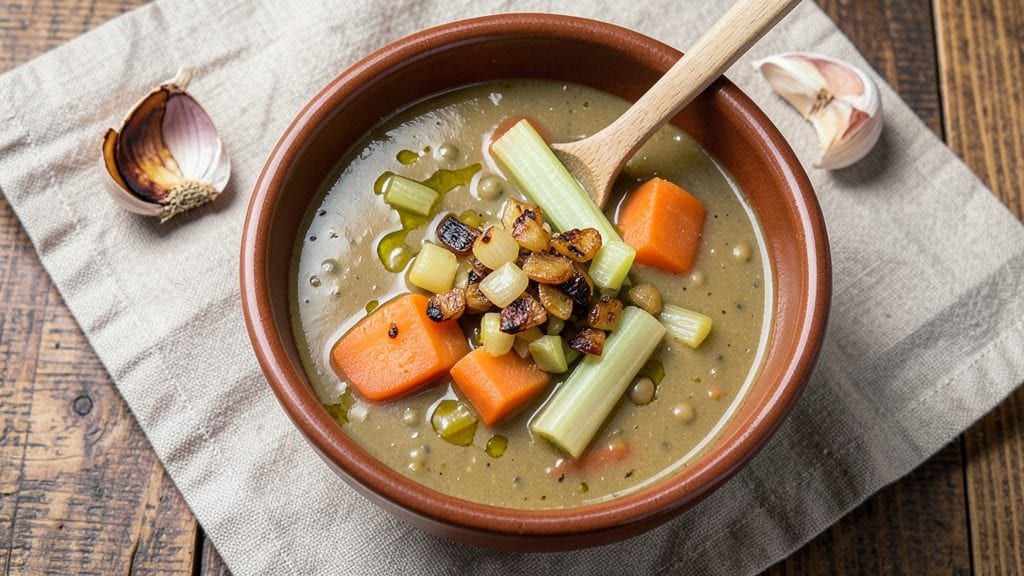
This split pea soup recipe delivers the kind of hearty, slow-simmered comfort that transforms simple ingredients into something extraordinary. The secret lies in patience—letting the peas soak overnight and the broth reduce for hours—until every spoonful is thick, velvety, and bursting with earthy flavor.
I’ve perfected this version to balance traditional techniques with modern convenience, whether you’re using a pressure cooker or a slow simmer on the stovetop.
The result is a soup so rich and satisfying, it feels like a hug in a bowl. The split peas soften into tender, creamy bites while absorbing the savory depth of caramelized onions, garlic, and aromatic herbs.
Unlike lighter soups, this one stays hearty enough to fill you up while delivering plant-based protein and fiber. It’s the kind of recipe that gets better with each passing day, as flavors meld and deepen.
Serve it with a slice of crusty bread or a side of cornbread to soak up every last drop of that velvety broth. The optional smoked paprika adds a subtle smokiness, while fresh parsley brightens the dish at the end.
For non-vegan versions, crispy bacon bits on top add a salty crunch that contrasts beautifully with the smooth soup. This isn’t just a recipe—it’s a meal that brings warmth and tradition to your table.
Whether you’re meal prepping for the week or simmering a pot on a chilly evening, this split pea soup is foolproof and full of character. The instructions are straightforward, but the magic happens in the slow cooking—where time transforms humble ingredients into something truly special.
Let’s get started on creating this classic dish that stands the test of time.
Ingredients for splitpea soup
Sixteen ingredients transform into velvety split pea soup rich with earthy depth and plant-based protein.
| Ingredient | Amount | Notes |
|---|---|---|
| Yellow Split Peas (Dried) 🌾 | 2 cups | Rinsed thoroughly before soaking |
| Yellow Onions 🧅 | 1 ½ cups | Finely diced, medium yellow |
| Garlic Cloves 🧄 | 6 cloves | Peeled, roughly chopped |
| Carrots 🥕 | 2 medium | OR 1 cup finely diced |
| Celery Stalks 🌿 | 3 medium | OR 1 cup finely chopped |
| Extra-Virgin Olive Oil 🫒 | ½ cup | For sautéing vegetables |
| Vegetable Broth 💧 | 6 cups | Low-sodium preferred |
| Fresh Thyme 🌿 | 1 tbsp | Leaves only, chopped |
| Fresh Parsley 🌿 | ¼ cup | Chopped for garnish |
| Smoked Paprika 🌶️ | 1 tsp | For subtle smokiness |
| Sea Salt 🧂 | 1 ½ tsp | Diamond Crystal preferred |
| Black Peppercorns 🌶️ | ½ tsp | Freshly cracked |
| Fresh Bay Leaves 🌿 | 2 whole | Removed before serving |
| Lemon Juice 🍋 | 1 tbsp | Freshly squeezed |
The dried yellow split peas are the foundation—opt for Bob's Red Mill or Anthony's Goods for consistent quality. Soaking overnight reduces cooking time significantly; use a large bowl with ample water to prevent overcrowding. The onions, carrots, and celery should be finely diced to create a velvety base. For the broth, Imagine or Pacific Foods brands offer low-sodium options that won't overpower the dish. Fresh herbs like thyme and parsley elevate the flavor profile beyond basic seasonings, while smoked paprika adds subtle complexity without overpowering.
No fresh thyme? Dried thyme at one-third the amount works in a pinch, though fresh is preferred. Substitute carrots and celery with 1 cup each of frozen mixed vegetables if needed, though fresh yields better texture. For a deeper umami flavor, 1 tbsp soy sauce or 1 tsp miso paste can replace some of the vegetable broth. The bay leaves are essential—they infuse subtle aromatic notes that disappear upon removal. If you're short on time, pressure cooking reduces the overall time by half, though the flavor develops more gradually with stovetop simmering.
Store leftovers in an airtight container for up to 5 days in the refrigerator, or freeze for 3 months for future meals. The soup thickens upon reheating, so adding a splash of water or broth helps restore its original consistency. For meal prep, portion into individual containers—each serving retains its creamy texture and rich flavor. The lemon juice at the end brightens the dish, so add it just before serving to preserve its freshness.
Why You'll Love This Recipe
- No-Chop Nightmare: I swear by this recipe when I’m too tired to dice anything. Toss in whole carrots and celery stalks—they soften beautifully, so you only need to slice onions and mince garlic. (Yes, even on a Tuesday night.)
- Umami Bomb: That deep, savory punch from slow-cooked split peas and caramelized onions? It’s the kind of flavor that lingers. Honestly, the first bite makes me forget it’s just a soup.
- Meal Prep MVP: Double the batch and freeze half—it’s my go-to for lazy Sundays or emergency dinners. Reheats like a dream, and the texture stays perfect, no soggy disappointment here.
- Pocketbook Hero: A pound of dried peas and a few veggies feed four for under $5. Between us, this is the most satisfying way to stretch a budget without sacrificing taste. (My daughter picks out the carrots, but still asks for seconds.)
Step-by-step instructions for split pea soup
Transform simple ingredients into velvety split pea soup with a deep, aromatic base.
Sauté the Aromatic Vegetable Base
Heat the 0.5 cup extra-virgin olive oil in a large Dutch oven over medium heat. Add the 1.5 cups finely diced yellow onions and cook for 5 minutes until translucent and beginning to soften. This foundational step develops sweetness that carries through the entire soup.
Add the 6 cloves roughly chopped garlic cloves, 2 medium carrots (finely diced), and 3 medium celery stalks (finely chopped). Stir to combine and cook for 8-10 minutes until the vegetables soften and release their natural juices. The mixture should smell rich and earthy—this is your flavor foundation. Keep the heat at medium to prevent burning while allowing the vegetables to develop depth.
Season and Add the Split Peas
Stir in the 1 tsp smoked paprika, 1.5 tsp sea salt, and 0.5 tsp freshly cracked black peppercorns, coating the vegetables evenly. Add the 2 cups yellow split peas (rinsed thoroughly) and the 2 whole fresh bay leaves, mixing well to distribute the seasoning. The split peas should be fully coated with the aromatic vegetables and spices.
Pour in the 6 cups vegetable broth until the split peas are just submerged. Bring the mixture to a gentle boil over medium-high heat, then immediately reduce to a low simmer. This simmering temperature—barely bubbling—is critical for even cooking without breaking down the split peas into mush. Cover the pot and let it cook undisturbed for 30 minutes to allow the split peas to begin softening.
Simmer Until Tender and Flavor-Infused
After the initial 30 minutes, stir in the 1 tbsp chopped fresh thyme and 1 tbsp chopped fresh parsley, ensuring they disperse evenly. Return the pot to a low simmer and continue cooking for 1.5 to 2 hours, stirring occasionally. The split peas should become tender but still hold their shape—when a pea is pierced with a fork, it should yield slightly but not collapse.
Taste the soup and adjust seasoning if needed. The 1 tbsp lemon juice should be added in the final 10 minutes of cooking to brighten the flavors and cut through the richness. Remove the 2 whole fresh bay leaves before serving, as they can impart bitterness if left in too long. The soup should be thick but still spoonable, with a velvety texture that coats the back of a spoon.
Finish and Serve with Garnish
Once the split peas are tender, remove the pot from heat and let the soup rest for 5 minutes. This resting period allows the flavors to meld and the soup to thicken slightly. Stir in the 1 tbsp lemon juice just before serving to add a refreshing acidity that balances the earthy depth.
Ladle the soup into bowls and garnish each serving with an additional sprinkle of 0.25 cup chopped fresh parsley. The parsley not only adds visual appeal but also introduces a fresh, bright contrast to the hearty soup. Serve immediately with crusty bread or a side salad to complement the rich, savory flavors.
Pro Tips For Making Splitpea Soup
- Soak the Peas First: Skip the soaking? Fine, but if you’re short on time, a quick 1-hour soak in warm water cuts cooking time by 30 minutes—no, I won’t tell you to boil them dry. (Yes, even if you’re impatient like me, this makes a real difference.)
- Sauté the Aromatics Low: Onions and celery take longer to soften than you think. Cook them on medium-low heat until the onions are translucent and the celery’s edges just start to melt—rushing this step leaves your soup tasting raw and bitter.
- Skip the Crowding: Dump all the split peas in at once? Your pot will steam like a sauna and never get hot enough to break them down. Start with half, let them soften, then add the rest—this guarantees they’ll turn creamy, not mushy.
- Add Salt Late: Salt the water early, and your split peas will toughen up like overcooked pasta. Wait until the last 20 minutes to add salt—this keeps them tender and lets the flavors develop properly. (Your future self will thank you.)
Creative variations of splitpea soup
Global Comfort Twist
Turn this classic into a Moroccan-inspired version by adding 1 tsp ground cumin, 1 tsp ground coriander, and ½ tsp cinnamon when sautéing the onions. Swap the smoked paprika for ½ tsp harissa paste and finish with a sprinkle of toasted cumin seeds.
Serve with warm flatbread and a side of tahini sauce for dipping. 🌶️
Creamy Vegan Upgrade
For an extra-rich texture, stir in ½ cup coconut milk or ¼ cup cashew cream during the final 10 minutes of simmering. This adds a velvety depth without dairy.
Boost umami with 1 tbsp nutritional yeast—it mimics the savory notes of cheese while keeping the dish plant-based. Garnish with crispy toasted pumpkin seeds for crunch. 🥥
Smoky BBQ Fusion
Infuse the broth with ½ cup BBQ sauce (like Sweet Baby Ray's Original) and add 1 tbsp liquid smoke during the simmer. Top each bowl with crumbled tempeh bacon or smoked gouda crumbles for a smoky-sweet contrast.
Serve with cornbread and a pickled onion to cut through the richness. This Southern-inspired twist keeps the hearty texture while adding bold flavors. 🔥
Spiced Lentil Blend
Swap half the split peas for ½ cup brown or green lentils—they cook faster and add earthy nuttiness. Boost warmth with ½ tsp ground ginger and ½ tsp turmeric during the sauté step.
Finish with a drizzle of chili oil and scallions for a Thai-inspired fusion. This version cooks in 45 minutes instead of 2 hours, making it perfect for weeknight meals. 🌿
Herb-Forward Spring Version
Lighten up the soup for spring by adding 1 cup chopped asparagus and ½ cup diced zucchini in the final 20 minutes of cooking. Swap smoked paprika for 1 tsp fresh dill and finish with a squeeze of lemon juice and crème fraîche (or vegan yogurt).
Garnish with edible flowers or microgreens for a vibrant touch. This version feels fresh yet remains deeply satisfying. 🌸
Protein-Packed Addition
Boost the plant-based protein with 1 cup cooked quinoa or ½ cup chickpeas, added during the final 30 minutes of simmering. For a meaty texture, stir in ½ cup crumbled firm tofu (pan-fried with smoked paprika) or ½ cup shredded rotisserie chicken.
This keeps the soup hearty while adding extra protein for muscle recovery or meal prep. 💪
Nutrition facts
Frequently asked questions
Why do I need to soak the split peas overnight?
Soaking reduces cooking time by 30-50% and prevents the peas from breaking down into mush. The longer they soak, the creamier the final texture becomes. For best results, use 4 cups water per 1 cup peas and drain before cooking.
Can I make this soup in a slow cooker?
Sauté the vegetables first, then transfer everything to your slow cooker and cook on low for 6-8 hours or high for 3-4 hours. The low-and-slow method enhances the flavors beautifully. Just skip the initial 30-minute simmer since the slow cooker handles that automatically.
How do I fix split peas that turned mushy?
Overcooking is the usual culprit. If your peas are mushy, stir in 1-2 tbsp cornstarch mixed with 2 tbsp cold water and simmer for 5 minutes to thicken. For future batches, maintain a low simmer (not a rolling boil) and check tenderness at the 1-hour mark.
What's the best way to store leftovers?
Transfer to an airtight container and refrigerate for up to 5 days. The soup thickens upon reheating, so add 2-3 tbsp water or broth when warming. Freeze for 3 months in portion-sized containers—thaw overnight in the fridge before reheating.
Can I use canned split peas instead of dried?
Yes, but the texture will be softer and less creamy. Use 1 (15 oz) can drained and rinsed, and reduce cooking time by 30 minutes. For best results, stick with dried peas—they develop deeper flavor through slow simmering.