
Soups & Stews
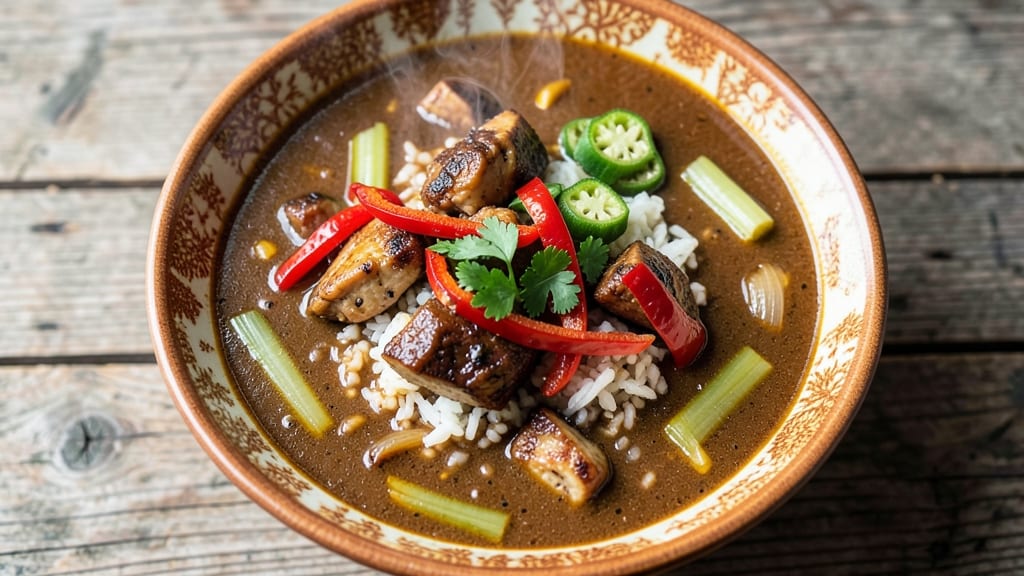
Southern gumbo soup transforms a simple pot into a rich, layered masterpiece that carries the soul of Louisiana in every spoonful. The foundation—a dark, nutty roux—requires patience and attention, but the reward is a soup so deeply flavorful it lingers long after the last bite.
I’ve perfected this recipe over years of testing, balancing traditional techniques with shortcuts that deliver the same depth without hours of labor.
At its heart, gumbo relies on the holy trinity—onions, bell peppers, and celery—that builds the aromatic base, while the roux acts as the flavor anchor.
This version includes both the classic dark roux method and a quicker alternative for those pressed for time, ensuring you can still achieve that signature smoky, almost caramelized depth.
The key is controlling the heat and stirring constantly to prevent burning, a lesson I learned the hard way after one particularly charred attempt.
What sets this gumbo apart is its layered texture and flavor—tender protein, hearty vegetables, and a thick, velvety broth that coats every ingredient. The roux isn’t just a base; it’s the soul of the dish, infusing the soup with a richness that’s impossible to replicate with shortcuts.
By the time you’re done, you’ll have a pot of gumbo that’s ready to serve with crusty bread, hot sauce, and a sprinkle of fresh parsley.
This recipe is designed to be versatile yet authentic, whether you’re cooking for a family gathering or a cozy weeknight dinner. The instructions walk you through every step—from building the roux to simmering the stock and adding the holy trinity—so you can achieve restaurant-quality results at home.
Let’s get started on creating a gumbo that tastes like tradition.
Ingredients for southern gumbo soup
Rich roux, holy trinity, and layered flavors transform simple ingredients into soulful gumbo perfection.
| Ingredient | Amount | Notes |
|---|---|---|
| Unsalted Butter 🧈 | 1 cup | Cold, cut into small cubes |
| All-Purpose Flour 🌾 | 1 cup | White gold for roux building |
| Yellow Onion 🧅 | 2 whole | Medium size, diced small |
| Green Bell Pepper 🌶️ | 1 whole | Medium size, diced small |
| Celery Stalks 🥬 | 3 whole | Stringy kind, diced small |
| Garlic Cloves 🧄 | 4 cloves | Fresh, minced fine |
| Chicken Stock 🍲 | 6 cups | Homemade or quality store-bought |
| Smoked Sausage 🌭 | 1 lb | Andouille or kielbasa, sliced |
| Okra Pods 🌱 | 1 lb | Fresh or frozen, sliced |
| Fresh Shrimp 🦐 | 1 ½ lb | Peeled, deveined, tails on |
| Bay Leaves 🌿 | 2 whole | Dried, crushed between fingers |
| Thyme Sprigs 🌿 | 2 whole | Fresh, stems removed |
| Cayenne Pepper 🌶️ | 1 tsp | Adjust for heat preference |
| Filé Powder 🌿 | 2 tbsp | Sassafras-based thickener |
| Salt 🧂 | 2 tsp | Diamond Crystal preferred |
| Black Pepper 🌶️ | 1 tsp | Freshly ground preferred |
The butter and flour create the signature dark roux—stir constantly over medium heat until it reaches peanut butter consistency. Whole Foods or Trader Joe's sell unsalted butter in bulk, which works best. For the holy trinity, look for fresh, crisp celery with bright green tops—it makes all the difference. Diced small, these three vegetables become the aromatic soul of your gumbo. The garlic? Fresh is non-negotiable here—jarred loses its punch fast.
No smoked sausage? Andouille substitute with kielbasa, but expect slightly different flavor. Fresh okra? Slice it thin—thick pieces get mushy. Shrimp too expensive? Chicken thighs work beautifully, but add them later so they don't turn rubbery. The filé powder is crucial—stir it in last or it'll clump. For heat, red pepper flakes can replace cayenne if you prefer more texture. The stock? Homemade is ideal, but Swanson or Pacific Foods brands are solid shortcuts.
Gumbo tastes even better the next day—reheat gently on low heat. Store in the fridge for 5 days or freeze portions for 3 months. I always make extra—it disappears fast. For serving, keep hot sauce and fresh parsley on hand. The filé powder thickens as it cools, so add a splash of stock if it gets too stiff.
Why You'll Love This Recipe
- Trinity Hack: The onion, bell pepper, and celery? You’ll chop them once, and that’s it—no fancy dicing, just rough chops that melt into the roux. Honestly, I keep a prepped veggie bag in my fridge now just for this.
- Roux Magic: That butter and flour combo isn’t just a base—it’s the soul of the dish. When you get it golden brown (not burnt, not pale), it turns into this nutty, rich foundation that makes everything else sing. Trust me, the smell alone is worth the five minutes of stirring.
- Leftovers That Win: This soup only gets better the next day. The flavors meld, the roux deepens, and suddenly you’ve got a freezer-friendly meal that feeds the family for days. I’ve reheated mine three times and it’s still the star of the week.
- Budget Crowd-Pleaser: A pound of chicken thighs, a few stalks of celery, and a can of beans stretch into six bowls. Between us, this is how I feed my book club without breaking the bank—plus, everyone leaves happy (and asking for the recipe).
Step-by-step instructions for Southern gumbo soup
Here's how to build that rich, smoky gumbo with a perfect roux and holy trinity crunch.
Build the Dark Roux Foundation
In a heavy-bottomed Dutch oven, melt the 1 cup unsalted butter over medium heat. Immediately whisk in the 1 cup all-purpose flour to form a paste. This is your foundation—keep the heat steady and stir constantly with a wooden spoon or whisk.
Watch the roux closely as it transforms from golden to peanut butter brown (15-20 minutes). The key is patience—don't rush, or you'll burn it. When it reaches that deep brown color with a nutty aroma, you're ready for the next step. This rich, dark roux forms the soul of your gumbo, carrying all those smoky flavors.
Sauté the Holy Trinity Vegetables
Add the diced 2 whole yellow onion, 1 whole green bell pepper, and 3 whole celery stalks to the roux. Stir well to coat the vegetables completely in that beautiful brown paste. Cook over medium heat for 8-10 minutes until the vegetables soften and release their juices.
Here's where the magic happens—the vegetables should be tender but not mushy, with just a hint of caramelization. Add the 4 cloves minced garlic and cook for another 30 seconds until fragrant. This aromatic base forms the flavor backbone of your gumbo, so don't skip this step. The vegetables should be just beginning to brown at the edges when ready.
Deglaze and Simmer the Base
Gradually pour in the 6 cups chicken stock while stirring constantly to prevent lumps. Add the 2 whole bay leaves, 2 whole thyme sprigs, 2 teaspoons salt, and 1 teaspoon black pepper. Bring to a gentle simmer, then reduce heat to low and let it cook uncovered for 20 minutes. This slow simmer allows all the flavors to meld together beautifully.
Stir occasionally to prevent sticking, and watch for any scum that rises to the surface—skim this off with a spoon. The base should be smooth with a rich, velvety texture. This is the moment where all your hard work begins to pay off, creating that deep, complex flavor that defines authentic gumbo.
Add the Sausage and Okra
Add the sliced 1 lb smoked sausage and sliced 1 lb okra pods to the simmering base. Stir well to combine and let it cook for 15 minutes on low heat. The sausage should be heated through and the okra should begin to soften slightly—it will continue cooking as the soup simmers.
Here's the thing—okra can be tricky. If you prefer a thicker gumbo, you might want to remove the okra after 10 minutes and add it back later. The sausage should be fully cooked through and infused with all those wonderful smoky flavors from the roux. This is where your gumbo starts taking on its characteristic texture and depth.
Finish with Shrimp and Filé Powder
Add the 1.5 lb fresh shrimp and 1 teaspoon cayenne pepper to the gumbo. Simmer for 5-7 minutes until the shrimp turn pink and opaque throughout. Remove the bay leaves and thyme sprigs at this point—they've done their job and can be discarded.
In a small bowl, whisk together the 2 tablespoons filé powder with 1 tablespoon cold water to form a smooth paste. Slowly whisk this into the gumbo while stirring constantly. This is the final touch that gives gumbo its signature thickening and that unique sassafras flavor. Let the gumbo simmer for 2-3 minutes more to allow the filé powder to fully activate and thicken the soup.
Rest and Serve
Remove the gumbo from heat and let it rest for 10 minutes. This resting period allows all the flavors to fully meld together and the filé powder to completely thicken the soup. Taste and adjust seasoning if needed—you might want to add a bit more salt or cayenne pepper to suit your preference.
Ladle the gumbo into bowls and serve immediately with hot rice. The perfect gumbo should have a rich, velvety texture with just enough body to coat the back of a spoon. Each bite should deliver that perfect balance of smoky sausage, tender shrimp, and the subtle crunch of the holy trinity vegetables. Enjoy your creation—this is true Southern comfort food at its finest.
Pro Tips For Making Southern Gumbo Soup
- Sweat the Holy Trinity: DESCRIPTION: Don’t just chop—cook the onion, bell pepper, and celery until they’re translucent and slightly caramelized. I used to rush this, and the roux would taste raw and floury. Take the 8-10 minutes it needs; the flavor builds here.
- Skip the Crowding: DESCRIPTION: When frying the roux, resist the urge to add more butter or flour to "fix" a dark roux. A peanut butter-colored roux is your goal—any darker, and you’re in burnt territory. If it fails, start over; no shortcut works.
- Deglaze Aggressively: DESCRIPTION: After browning your meat (if using), hit the pot with a splash of hot water or stock immediately and scrape every bit of fond from the bottom. I learned this the hard way—leaving browned bits behind means flavor in the trash.
- Simmer Low and Slow: DESCRIPTION: Once everything’s in the pot, keep the heat at a gentle simmer. I used to boil it like a stew, and the roux would break or the veggies turn mushy. A low simmer keeps the texture rich and the flavors layered—not scrambled.
Make-ahead tips for leftovers
Prep Ahead Components
Start your gumbo prep the night before by making the roux—it’s the most time-consuming step. Cook it to a deep peanut butter brown (15-20 minutes) and store it in an airtight container in the fridge.
The roux keeps well for 2 days, and reheating it in the microwave with a splash of water prevents it from drying out. This saves you 30 minutes of active cooking time the next day. 💡
Stock Simmer Shortcut
Simmer the stock base (chicken stock, holy trinity, and spices) a day ahead and refrigerate it. When ready to finish, simply reheat the stock over medium-low heat until warm, then add your pre-made roux and continue with the recipe.
This step cuts 45 minutes off your cooking time while letting flavors develop overnight. Use Swanson or Pacific Foods stock if homemade isn’t an option.
Protein Prep Strategy
Slice the smoked sausage and okra the day before and store them in separate quart-sized freezer bags. For shrimp, peel and devein them ahead of time, then store in a sealed container with a paper towel to absorb moisture.
This keeps everything fresh and ready to go—just toss the prepped ingredients into your gumbo pot when you’re ready to finish cooking. 🦐
Freezer-Friendly Assembly
Assemble the entire gumbo (up to and including the sausage and okra) and freeze it in gallon-sized freezer bags for up to 3 months. When ready to serve, thaw overnight in the fridge, then reheat on the stovetop over low heat for 30-45 minutes, stirring occasionally.
Add the shrimp and filé powder fresh—this keeps them tender and prevents overcooking. Perfect for busy weeknights or holiday gatherings!
Filé Powder Timing
If you’re short on time, prepare the gumbo without the filé powder and freeze it in portions. When reheating, whisk the 2 tbsp filé powder into 1 tbsp cold water first, then stir it into the reheated gumbo.
This maintains that signature thickening without requiring extra prep time. The filé powder works best when added fresh, so this method ensures you still get that authentic gumbo texture. ✨
Make-Ahead Serving Suggestions
Gumbo tastes even better the next day, so double the recipe and store leftovers in the fridge for 4-5 days or freeze for 3 months. Reheat gently on the stove with a splash of stock or water to restore its velvety texture.
Serve with pre-cooked rice or cornbread—both reheat well and pair perfectly. Keep hot sauce, chopped parsley, and sliced green onions on hand for garnishing when ready to serve. 🌶️
Nutrition facts
Frequently asked questions
What makes a dark roux different from a regular roux?
A dark roux is cooked until it reaches a deep peanut butter brown color, giving gumbo its signature rich, nutty flavor. The cooking time (15-20 minutes) develops complex caramelized notes that a lighter roux (golden or blond) simply can't match. This is the flavor foundation of authentic gumbo—don't rush this step!
Can I substitute filé powder with cornstarch?
No, filé powder is essential for authentic gumbo—it adds a unique sassafras flavor and thickening power that cornstarch can't replicate. If you can't find it, try arrowroot powder (use 1 tbsp per 2 tbsp filé powder), but the flavor will differ. Always whisk filé powder with cold water first to prevent clumping.
How do I fix a burnt roux?
If your roux burns, don't panic—start over! The key is constant stirring over medium heat (never high). For next time, use a heavy-bottomed pot and keep heat steady. A burnt roux will taste bitter and ruin your gumbo. The good news? A perfect roux takes practice—every chef has a burnt attempt story!
What's the best way to reheat gumbo?
Reheat gumbo gently on the stovetop over low heat for 10-15 minutes, stirring occasionally. If it thickens too much, add a splash of stock or water. Microwaving can make it watery—always reheat slowly to preserve texture. The filé powder thickens more as it cools, so reheating helps restore balance.
Can I make gumbo without okra?
Okra adds texture but isn't essential. For a creamier gumbo, omit it entirely or substitute with 1 cup diced tomatoes or 1/2 cup corn kernels. The holy trinity (onions, bell pepper, celery) remains the flavor backbone. Many Cajun cooks skip okra in shrimp gumbo to highlight the seafood.