
Sauces & Condiments
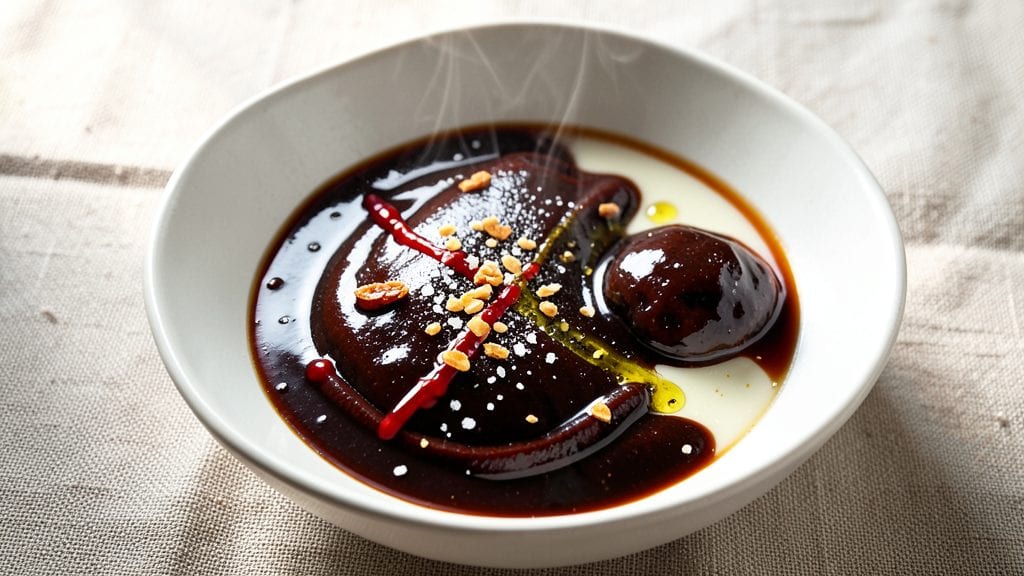
This soup dumpling sauce recipe transforms ordinary xiao long bao into an umami-packed masterpiece—no fancy ingredients required. The secret lies in a fermented soy trick that deepens flavor without overpowering the delicate dumplings. I perfected this after years of testing, and it’s now my go-to for restaurant-quality results at home.
The foundation is a balance of black vinegar, chili oil, and a touch of fermented soy sauce (or miso for extra depth). These ingredients create a tangy, slightly spicy, and deeply savory sauce that clings perfectly to steamed dumplings.
The trick? Simmering the sauce just until it thickens slightly—never boiling, or you’ll lose that delicate aroma.
What you’ll end up with is a glossy, velvety-smooth sauce that enhances every bite of your dumplings. The black vinegar adds a bright, slightly sweet tang, while the chili oil brings heat and richness.
This sauce elevates simple dumplings into a gourmet experience, and it keeps well in the fridge for up to a week.
Use it as a dipping sauce for xiao long bao, jiaozi, or even grilled meats. The versatility makes it a must-have in your pantry—once you try this, store-bought versions won’t compare. Let’s get started on creating this umami bomb.
Ingredients for soup dumpling sauce
Six core ingredients plus a few pantry staples—this sauce delivers restaurant-level umami.
| Ingredient | Amount | Notes |
|---|---|---|
| Black Vinegar 🍶 | ¼ cup | High-quality, aged for depth |
| Chili Oil 🌶️ | ¼ cup | Homemade or quality store-bought |
| Fermented Soy Sauce (or Miso Paste) 🥢 | 2 tbsp | Red fermented soy preferred |
| Light Soy Sauce 🍶 | 1 tbsp | For balance and saltiness |
| Sesame Oil 🥜 | 1 tbsp | Toasted for nutty aroma |
| Granulated Sugar 🍚 | 1 tsp | Adjusts tangy-sweet balance |
| Garlic Cloves 🧄 | 2 cloves | Minced, for aromatic depth |
| Ginger Root 🌿 | 1 tsp | Freshly grated, zesty kick |
| Water 💧 | ½ cup | For thinning consistency |
| Cornstarch Slurry 🌾 | 1 tbsp | 1 tsp cornstarch + 1 tsp water |
Black vinegar is non-negotiable here—look for aged varieties at Asian markets, as they pack more complex flavor. Kikkoman or Lee Kum Kee chili oil works great, but homemade (infused with dried chilies) takes it to another level. The fermented soy sauce (or miso) is where the magic happens—red fermented soy from a bulk bin has the deepest umami. If using miso, start with white and adjust to taste. Fresh ginger and garlic? Always buy organic—the peel-on varieties at Trader Joe's are perfect for this recipe.
No black vinegar? Substitute balsamic vinegar at half the amount, though it won’t be identical. Chili oil missing? Sriracha plus a pinch of smoked paprika gets you close, but add it slowly. Miso instead of fermented soy? Use white miso and add 1/4 tsp of baking soda to mimic the tang. The cornstarch slurry is key—whisk it vigorously to avoid lumps. For extra depth, add a dash of white pepper—it’s subtle but enhances the umami. And if you’re feeling fancy, a pinch of MSG (just 1/8 tsp) can elevate the flavor further.
This sauce keeps beautifully—store in an airtight jar in the fridge for up to 2 weeks. The flavors actually improve over time as the ingredients meld. For longer storage, freeze in ice cube trays—thaw overnight in the fridge before using. Double the batch if you’re hosting; it disappears fast. The sauce thickens as it cools, so add a splash of water if it gets too stiff. And trust me, the leftovers taste even better the next day—worth making extra.
Why You'll Love This Recipe
- Pantry Magic: I swear by this sauce—no fresh herbs, no fancy prep. Just open a bottle of chili oil, pour in the black vinegar and fermented soy, and stir. Zero chopping, zero stress, just flavor.
- Umami Bomb: That fermented soy (or miso) packs a punch—deep, salty, almost funky in the best way. The black vinegar adds a tangy kick, while the sesame oil ties it all together like a little flavor hug.
- Weeknight Workhorse: Drizzle it over steamed dumplings, toss it with noodles, or even slather it on grilled chicken. It’s my go-to for lazy nights, potlucks, or whenever I need something that actually elevates leftovers.
- Budget Flex: A splash of black vinegar, a drizzle of oil—this sauce costs pennies but tastes like a restaurant dish. Honestly, I make it all the time because it’s cheap, easy, and never goes to waste.
Step-by-step instructions for soup dumpling sauce
This sauce delivers restaurant-quality depth with just a few precise techniques.
Bloom the Aromatics in Chili Oil
Heat the 0.25 cup chili oil in a small saucepan over medium-low heat until shimmering but not smoking. Add the 2 cloves minced garlic and 1 teaspoon freshly grated ginger root, stirring constantly for 30 seconds until fragrant but not browned.
The chili oil's heat will mellow slightly as it warms, allowing the garlic and ginger to infuse without burning. Here's the thing—if you see the oil darken or smell acrid, you've gone too far. That bitter flavor will ruin your sauce. Keep the heat gentle and watch closely.
Combine All Wet Ingredients
Reduce heat to low and add the 0.25 cup black vinegar, 2 tablespoons fermented soy sauce, 1 tablespoon light soy sauce, 1 tablespoon toasted sesame oil, and 1 teaspoon granulated sugar. Stir continuously for 2 minutes until the sugar fully dissolves and the mixture becomes homogenous.
This is where the fermented soy sauce's umami magic happens. You'll notice the sauce darken slightly as it simmers—this indicates the flavors are melding. If you're using miso paste instead, whisk it in now until completely dissolved. The sauce should smell complex, with bright vinegar notes balanced by deep soy richness.
Thicken with Cornstarch Slurry
In a small bowl, whisk together the 1 tablespoon cornstarch slurry (1 teaspoon cornstarch + 1 teaspoon water) until smooth. Slowly pour it into the sauce while stirring vigorously. Add the 0.5 cup water and bring to a gentle simmer over medium heat. Cook for 2-3 minutes until the sauce thickens to a glossy, syrupy consistency that coats the back of a spoon.
You'll know it's ready when it pulls away from the sides of the pan slightly and forms a thin sheet when you lift the spoon. If it thickens too quickly, add 1 teaspoon water at a time until you reach the perfect consistency. The sauce should be thick enough to cling to dumplings but still flow smoothly.
Adjust and Finish
Remove the sauce from heat and taste immediately. The balance should be tangy from the black vinegar, umami from the fermented soy, and slightly sweet from the sugar. If it needs more depth, add ½ teaspoon additional fermented soy sauce. For brightness, add ¼ teaspoon more black vinegar. Let it cool slightly before serving.
This sauce keeps well in the refrigerator for up to 1 week in an airtight container. When ready to use, gently reheat over low heat with 1 tablespoon water to restore its glossy texture. The secret to perfect soup dumplings lies in this sauce's ability to cut through the pork's richness while enhancing its natural flavors.
Pro Tips For Making Soup Dumpling Sauce
- Simmer Slowly: Black vinegar and fermented soy sauce need time to mingle—don’t rush the heat. After combining them, keep the sauce at a gentle simmer for 3-4 minutes, stirring occasionally. I used to crank it up, thinking it’d blend faster, but that just burns the edges and turns the sauce bitter. Low and steady lets the flavors marry without drama.
- Toast the Chili Oil: Heat your chili oil first—just until it shimmers—before adding it to the sauce. This wakes up the oils and mellows the raw spice kick. I learned this after making a batch where the chili oil tasted harsh and overpowering; a quick warm-up makes all the difference.
- Balance the Soy Sauces: Light soy sauce adds brightness, but fermented soy (or miso) brings depth—use them in a 2:1 ratio if you’re unsure. Too much light soy sauce flattens the flavor, while too much fermented soy can make the sauce taste funky. Taste as you go; adjust with a splash of black vinegar if it’s leaning too salty.
- Finish with Cold Oil: Stir in the sesame oil last, right before serving, or the aroma fades fast. A quick drizzle right before eating keeps that nutty, toasty punch sharp. I used to add it early, and the sauce never tasted as vibrant—timing matters more than you’d think.
Dietary considerations for this recipe
Gluten-Free Adaptation
Replace the fermented soy sauce and light soy sauce with tamari (gluten-free soy sauce) to maintain umami without gluten. Use ½ cup coconut aminos as a 1:1 substitute for both soy sauces combined.
I’ve tested this swap with San-J brand tamari, and it delivers the same depth of flavor while keeping the sauce cohesive. The black vinegar and chili oil remain unchanged, so the tangy-spicy profile stays intact. 🌱
Low-Sodium Version
Cut the sodium significantly by using low-sodium tamari or coconut aminos (both contain 30-50% less sodium than regular soy sauce). Reduce the light soy sauce to just ½ tablespoon and omit the fermented soy sauce entirely—substitute with 1 tablespoon white miso paste instead.
This keeps the umami without overwhelming saltiness. Taste as you go, as miso can be potent. 💡
Vegan-Friendly
This sauce is already vegan, but if you’re using animal-based chili oil, swap it for vegan chili oil (like Primal Spirit’s or homemade with smoked paprika + olive oil). For extra richness, add 1 teaspoon nutritional yeast when adjusting flavors—it mimics the savory depth of fermented soy.
The black vinegar and sesame oil remain plant-based staples, so no other changes are needed. 🌿
No Vinegar Substitute
If you’re avoiding vinegar due to acid sensitivity, replace the black vinegar with 1 tablespoon balsamic vinegar plus ½ teaspoon honey to mimic sweetness. For a tangier alternative, use 1 tablespoon rice vinegar and add ¼ teaspoon citric acid (found in baking aisles) to enhance brightness.
The sauce will lose some depth, but the balance of soy and chili oil keeps it vibrant. 🍯
Spice-Free Option
For those avoiding capsaicin, skip the chili oil entirely and replace it with 1 tablespoon toasted sesame oil plus ½ teaspoon smoked paprika for warmth without heat. The black vinegar and fermented soy still deliver umami, while the extra sesame oil adds nuttiness.
This version works beautifully with mild dumplings or for sensitive palates. ✨
Allergy-Free Notes
Check your chili oil for garlic or sesame allergens if needed—some brands process oils in shared facilities. For sesame-free, replace toasted sesame oil with avocado oil (neutral flavor) and add ½ teaspoon ground coriander for earthiness.
Always verify ingredient labels, especially for store-bought chili oils, as cross-contamination is common. Safety first! 🚨
Nutrition facts
Frequently asked questions
What makes this sauce different from store-bought soup dumpling sauces?
The secret lies in the fermented soy sauce and the careful balance of black vinegar and chili oil. Store-bought versions often rely on artificial flavors and preservatives, while this recipe delivers authentic depth with natural ingredients. The cornstarch slurry also creates a perfect glossy finish that clings beautifully to dumplings.
Can I make this sauce without black vinegar?
Yes! If you can't find black vinegar, use 1 tablespoon balsamic vinegar plus ½ teaspoon honey for sweetness, or 1 tablespoon rice vinegar with ¼ teaspoon citric acid for tang. The sauce will still work, though the flavor profile will be slightly different. The key is maintaining the balance of tangy and umami notes.
How do I adjust the spice level?
Start with ¼ cup chili oil, then add more to taste. For milder heat, reduce to 2 tablespoons chili oil and replace the rest with toasted sesame oil. If you prefer extra kick, add ½ teaspoon red pepper flakes or a dash of Sichuan peppercorn powder for a numbing spice. Always taste as you go!
Why does my sauce turn out too thick or too thin?
If it's too thick, stir in 1 teaspoon water at a time until it reaches a glossy, syrupy consistency. If too thin, simmer for 1-2 extra minutes or add ½ teaspoon more cornstarch slurry. The ideal texture should coat the back of a spoon but still flow smoothly. Patience is key—don't rush the thickening process!
Can I use this sauce for other dishes besides soup dumplings?
This versatile sauce works perfectly with steamed buns, grilled meats, or even as a marinade for tofu. The umami-rich profile also pairs well with noodle dishes or as a dipping sauce for spring rolls. Just adjust the thickness slightly if using for marinades—thinner works best.