
Soups & Stews
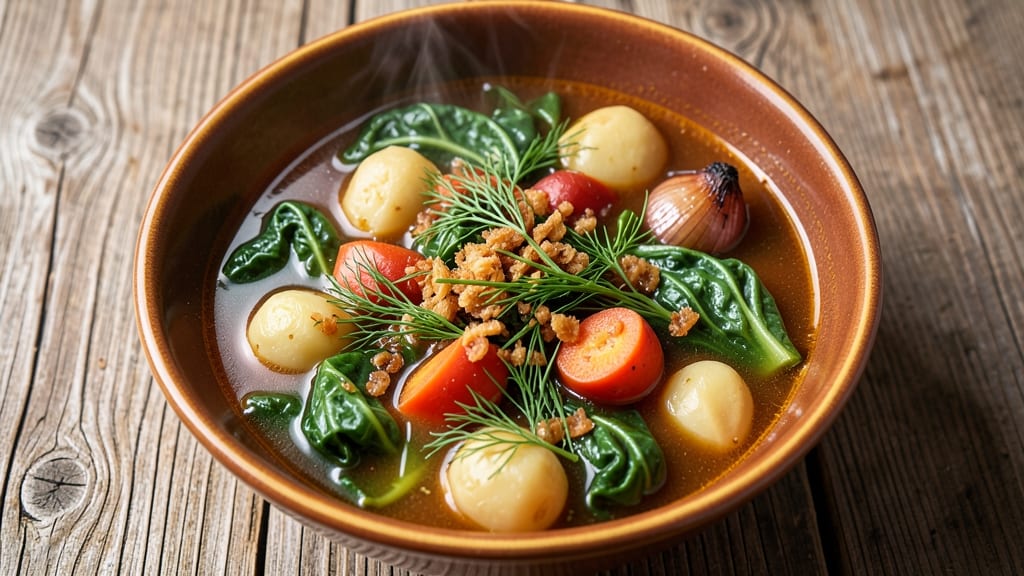
This Russian cabbage soup recipe delivers the hearty, comforting flavors of traditional shchi—a dish that’s been nourishing families for generations. The secret lies in slow-simmered cabbage, tender potatoes, and aromatic vegetables infused with earthy dill and bright bay leaf, all finished with a swirl of tangy sour cream.
I’ve perfected this version to balance authenticity with approachable technique, whether you’re using classic meat or a plant-based twist.
The beauty of shchi is its simplicity: just 10 core ingredients that transform into a rich, velvety broth packed with layers of savory and freshness. A proper simmer—at least 45 minutes—builds depth, while the optional addition of smoked sausage or mushrooms adds richness without overpowering the cabbage’s natural sweetness.
This soup is the kind that tastes even better the next day, as flavors meld and the broth deepens.
What makes this recipe stand out is the finishing touch: a generous dollop of sour cream, swirled into each bowl for a creamy contrast against the earthy vegetables. The dill, added both fresh and dried, brings that signature herbal brightness that defines Russian comfort food.
Serve it with crusty rye bread to soak up every last drop of that aromatic broth.
Perfect for chilly evenings, family gatherings, or meal prep, this soup adapts seamlessly to dietary needs—whether you keep it traditional with pork or go fully vegetarian. The technique is straightforward, but the results are undeniably restaurant-quality at home. Let’s get cooking!
Ingredients for russian cabbage soup
Ten essential ingredients crafting traditional Russian cabbage soup with velvety depth and herbal brightness.
| Ingredient | Amount | Notes |
|---|---|---|
| Green Cabbage 🥬 | 1 ½ lb | Heads cut into wedges, core removed |
| Yellow Onions 🧅 | 1 whole | Medium size, sliced into half-moons |
| Russet Potatoes 🥔 | 1 ½ lb | Peeled, cut into 1-inch cubes |
| Carrots 🥕 | 2 medium | Peeled, cut into 1-inch chunks |
| Fresh Dill 🌿 | ½ cup | Chopped, stems removed |
| Dried Dill 🌿 | 1 tsp | Crushed between fingers |
| Bay Leaves 🌿 | 2 whole | Fresh or dried |
| Vegetable Broth 💧 | 6 cups | Low-sodium preferred |
| Sour Cream 🧀 | ½ cup | Full-fat for best texture |
| Extra-Virgin Olive Oil 🫒 | 2 tbsp | For sautéing vegetables |
| Garlic Cloves 🧄 | 3 cloves | Minced finely |
| Salt 🧂 | 1 ½ tsp | Diamond Crystal preferred |
| Black Peppercorns 🌶️ | ½ tsp | Freshly ground |
| Lemon Juice 🍋 | 1 tbsp | Freshly squeezed |
The cabbage and potatoes form the heart of this soup, so prioritize fresh, firm produce. Local farmers markets often carry the crispest heads of green cabbage—look for vibrant, tightly packed leaves with no yellowing. Russet potatoes hold their shape better during simmering than waxy varieties, so grab a 5 lb bag at Costco for optimal texture. Carrots should be bright orange with no soft spots; store-bought baby carrots work perfectly if you're short on time. The dill is non-negotiable for authentic flavor—fresh is ideal but dried works at one-third the amount. For the broth, Imagine or Pacific Foods vegetable broths deliver consistent quality without excess sodium.
No fresh dill? Dried oregano at half the quantity provides a similar earthy note, though less vibrant. Substituting carrots with parsnips or celery root adds subtle sweetness, while swapping potatoes for turnips maintains the earthy profile. The sour cream can be replaced with Greek yogurt for tanginess, though it won't be as rich. For extra depth, add 1 tbsp tomato paste to the broth base—it enhances the umami without overpowering. The bay leaves should be removed before serving, as their texture becomes noticeable after prolonged simmering.
This soup develops deeper flavor when refrigerated overnight, so double the batch for leftovers. Store in airtight containers for up to 5 days, with the sour cream added fresh before serving. For freezing, portion into quart-sized containers—the broth will thicken slightly but remains delicious when reheated. To revive texture, add 1-2 tbsp water per quart when reheating. The dill can be added back after reheating to preserve its fresh aroma.
Why You'll Love This Recipe
- Here’s what sold me: the way the potatoes get fork-tender while the cabbage stays just crisp enough. That contrast? Chef’s kiss. Plus, the carrots add this sweet, earthy backbone that ties everything together.
- One-Pot Magic: I swear by this soup because it’s actually one-pot—no extra bowls, no extra cleanup. Just chop the cabbage, toss in the onions and potatoes, and let the broth do its thing while you stir in that bright dill at the end.
- Crispy-Tender Texture: Here’s what sold me: the way the potatoes get fork-tender while the cabbage stays just crisp enough. That contrast? Chef’s kiss. Plus, the carrots add this sweet, earthy backbone that ties everything together.
- Leftover Goldmine: Between us, this soup tastes better the next day. The flavors meld, the dill mellows into the broth, and suddenly you’ve got a freezer-friendly meal that feeds the family for days—no sad, soggy leftovers here.
Step-by-step instructions for Russian cabbage soup
This method delivers a rich, aromatic soup with tender vegetables and a velvety sour cream finish.
Sauté the Aromatic Vegetable Base
Heat the 2 tablespoons extra-virgin olive oil in a large Dutch oven over medium heat. Add the 1 whole yellow onion and 2 medium carrots, sliced into even pieces, cooking for 5 minutes until they begin to soften and develop a slight translucency. This foundational step builds flavor through caramelization.
Add the 3 cloves minced garlic and continue cooking for 30 seconds until fragrant. Stir in the 1 teaspoon crushed dried dill and 2 whole bay leaves, allowing the spices to toast briefly. This aromatic blend forms the flavor backbone of the soup—don't skip this step, as it prevents flat, one-dimensional taste.
Add Potatoes and Cabbage for Core Cooking
Increase heat to medium-high and add the 1.5 pounds peeled russet potatoes cut into 1-inch cubes and the 1.5 pounds green cabbage cut into wedges with cores removed. Toss everything together for 2 minutes to coat the vegetables evenly with the aromatic oil.
Pour in the 6 cups vegetable broth and bring to a rolling boil. Once boiling, reduce heat to medium-low and cover partially. Simmer for 20 minutes until the potatoes are fork-tender and the cabbage begins to soften but still retains some structure. This controlled simmer ensures vegetables cook evenly without disintegrating.
Season and Finish with Fresh Herbs
Remove the 2 bay leaves and stir in the 1.5 teaspoons salt and 0.5 teaspoon freshly ground black peppercorns. Add the 0.5 cup chopped fresh dill and 1 tablespoon freshly squeezed lemon juice, stirring gently to distribute the bright, herbal notes. The lemon juice brightens the earthy flavors while the fresh dill adds vibrant freshness.
Continue simmering uncovered for 5 more minutes to allow flavors to meld. Taste and adjust seasoning if needed—this is where the soup transforms from good to exceptional. The vegetables should be tender with just a slight bite remaining, and the broth should be infused with all the aromatic elements.
Swirl in Sour Cream for Luxurious Finish
Reduce heat to low and gently stir in the 0.5 cup sour cream using a wooden spoon, creating delicate swirls throughout the soup. This final step adds a velvety texture and creamy richness without cooking the sour cream—adding it too early would cause it to curdle.
Let the soup sit off heat for 2 minutes to allow the flavors to fully integrate. Ladle into bowls immediately, preserving the swirled presentation. The contrast between the warm soup and cool sour cream creates a luxurious mouthfeel that defines this classic Russian preparation.
Pro Tips For Making Russian Cabbage Soup
- Shred Cabbage Thin: A knife through cabbage should meet almost no resistance—think rice paper, not steak strips. I learned this the hard way when my soup turned mushy; thin shreds cook faster and stay crisp. If your knife gets dull mid-shred, switch it or use a mandoline for consistency.
- Sweat Onions Low: Onions for this soup need to caramelize just enough to sweeten the broth, not burn into bitterness. Keep heat at a steady simmer (medium-low) and stir every 30 seconds—if they start sticking, you’re too hot. A splash of water or broth can save them, but don’t overdo it.
- Potatoes Last 10 Minutes: Add potatoes when the carrots and onions are already tender, then cook uncovered for the final 10 minutes. This keeps them from turning to glue while letting the broth reduce slightly for better flavor. (Yes, even if you’re impatient like me.)
- Dill at the End: Toss in fresh dill only in the last 5 minutes—any earlier and it’ll turn bitter. A handful of whole stems (removed after serving) infuses more flavor than chopped leaves. Skip the dried stuff; it’s a shortcut that weakens the dish.
Regional styles of these flavors
Moscow-Style Shchi
In Moscow, this soup is traditionally made with pork ribs or smoked sausage—about ½ lb—added during the final 10 minutes of simmering. The meat infuses the broth with deep, smoky richness while keeping the cabbage and potatoes tender.
I like using Russian smoked sausage (kielbasa) from Kroger’s international section for that authentic flavor. For extra depth, add 1 tbsp tomato paste to the broth base before adding vegetables—this creates a subtle umami bridge between the meat and cabbage. 🥓
Ukrainian Borscht Twist
While not exactly cabbage soup, Ukrainian borscht often incorporates beets (about 2 medium, peeled and diced) for its signature deep red color. Add the beets with the potatoes and simmer them together—they’ll soften and blend beautifully with the cabbage.
Finish with 1 tbsp apple cider vinegar and a sprinkle of fresh parsley for a tangy, herbaceous note. This version feels lighter but equally vibrant. 🌱
Lithuanian White Borscht
Lithuanians make a white borscht by omitting beets entirely and using sauerkraut (about 1 lb, rinsed and chopped) instead of fresh cabbage. The tangy, fermented flavor cuts through the richness of the potatoes and carrots.
Add 1 tbsp caraway seeds (toasted in the oil with the onions) for a distinct Eastern European aroma. Serve with rye bread and a dollop of crème fraîche for a creamy contrast. 🥬
Modern Vegetarian Adaptation
For a fully plant-based version, replace the meat with mushrooms (about 8 oz cremini, sliced) and smoked paprika (½ tsp) for depth. Add the mushrooms with the potatoes and simmer until tender.
Boost umami with 1 tbsp soy sauce or miso paste in the broth. This version still delivers that hearty, comforting texture while keeping it vegetarian-friendly. 🌿
Belarusian Sour Cream Swirl
In Belarus, the sour cream isn’t just a topping—it’s a key ingredient in the broth itself. Stir ¼ cup sour cream into the simmering soup during the final 5 minutes of cooking (after removing bay leaves) to create a naturally thickened, creamy base.
Finish with an extra 2 tbsp fresh dill and a squeeze of lemon for brightness. This technique makes the soup feel even more luxurious without extra effort. 🧀
Finnish-Inspired Rye Bread Topping
For a Nordic twist, serve the soup with dark rye bread (like Filburt from the Scandinavian aisle) topped with butter, fresh dill, and a sprinkle of sea salt. The bread’s earthy flavor complements the cabbage perfectly.
You can also add 1 tbsp lingonberry jam to the soup for a sweet-tart contrast that’s common in Finnish comfort food. 🍞
Nutrition facts
Frequently asked questions
Can I make this soup without meat?
The recipe is fully adaptable for vegetarians! Simply omit the meat components and use mushrooms (about 8 oz cremini) or smoked paprika (½ tsp) for depth. Boost umami with 1 tbsp soy sauce or miso paste in the broth. The cabbage and potatoes will still deliver that hearty, comforting texture while keeping it plant-based.
How long can I store leftovers?
Store in airtight containers in the fridge for up to 5 days. The flavors actually improve overnight as the broth deepens! For freezing, portion into quart-sized containers—it reheats beautifully. Just add 1-2 tbsp water per quart when reheating to restore texture. Always add fresh dill after reheating to preserve its aroma.
Why does my cabbage soup taste bland?
Blandness usually comes from insufficient simmering time or missing key flavor layers. Ensure you simmer uncovered for the full 25 minutes to let flavors meld. Don't skip toasting the dried dill and bay leaves in the oil—this builds aromatic depth. Finish with fresh dill and lemon juice for brightness, and always taste before adding salt.
What's the best bread to serve with this?
Traditional Russian shchi pairs perfectly with crusty rye bread or dark pumpernickel. The bread's earthy flavor complements the cabbage's sweetness. For extra flair, try Finnish-inspired toppings: butter, fresh dill, and sea salt on the bread. Avoid soft white bread—it won't hold up to the hearty broth.
Can I make this soup in a slow cooker?
Follow the same steps but transfer everything to the slow cooker after sautéing the aromatics. Cook on low for 6-7 hours or high for 3-4 hours until vegetables are tender. The slow cooking enhances the broth's depth. Add sour cream just before serving to prevent curdling.