
Soups & Stews
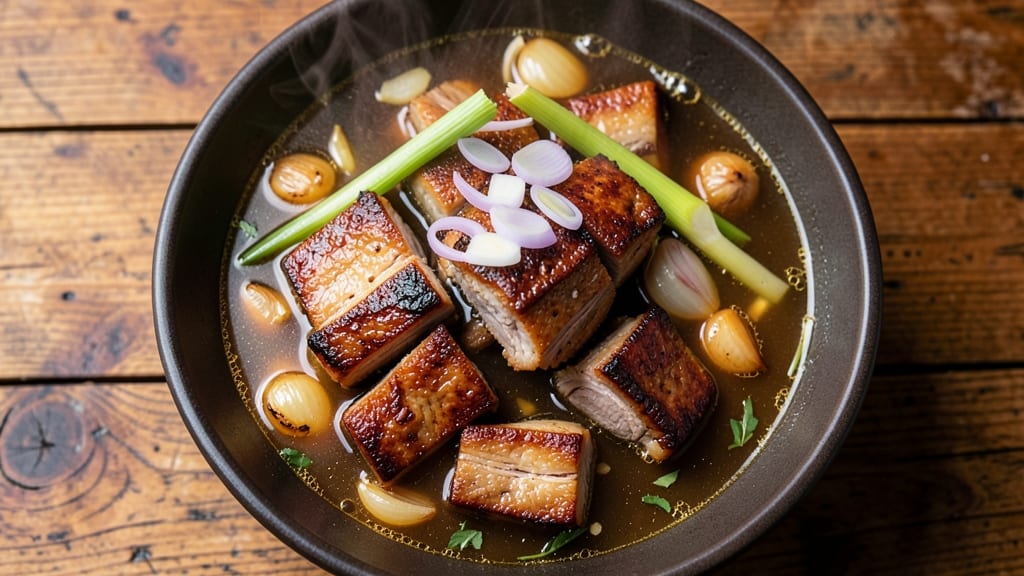
This paya soup recipe delivers the comforting, slow-simmered harmony of tender pork, aromatic herbs, and rich broth that defines Southeast Asian home cooking.
The secret lies in layering flavors—starting with a deep, savory broth that infuses pork belly and trotters until they melt into the liquid, creating a texture that’s both nourishing and deeply satisfying.
I’ve refined this version to balance traditional techniques with modern efficiency, ensuring every spoonful carries the essence of a family-style meal.
The beauty of paya soup is in its versatility—whether you lean into the Malaysian approach with lemongrass and galangal or the Filipino style with vinegar and chili, the foundation remains the same: low-and-slow simmering for hours to develop a broth so rich it clings to each ingredient.
This recipe simplifies the process without sacrificing authenticity, using accessible ingredients to achieve restaurant-quality depth. The result? A bowl that’s as comforting as it is flavorful, perfect for cold evenings or celebratory gatherings.
What sets this paya soup apart is the pork’s transformation—from tough cuts to fork-tender perfection, all while the broth reduces into a velvety, umami-packed liquid.
The herbs and spices don’t just flavor the soup; they create a symphony of aromas that fill your kitchen long before the meal is ready. Whether you’re serving it with steamed rice or crusty bread, the soup’s natural richness makes it a complete dish on its own.
For those adapting the recipe, swapping pork for mushrooms or tofu keeps the essence intact while making it vegetarian-friendly—proof that paya soup’s soul lies in its technique, not just its ingredients. Let’s dive into the steps that turn simple ingredients into a dish worth simmering for.
Ingredients for paya soup
Six pounds of pork, aromatic herbs, and slow-simmered harmony create this deeply satisfying paya soup.
| Ingredient | Amount | Notes |
|---|---|---|
| Pork Belly 🥓 | 2 lbs | Skin-on, cut into 2-inch cubes |
| Pork Trotters 🍖 | 4 whole | Or substitute with pork shanks |
| Yellow Onions 🧅 | 3 whole | Large, roughly chopped |
| Lemongrass 🌿 | 3 stems | White parts only, bruised |
| Galangal 🌿 | 1 piece | About 4 oz, sliced thin |
| Garlic Cloves 🧄 | 10 cloves | Smashed, not minced |
| Fresh Turmeric 🌿 | 1 inch | Grated, or 1 tsp ground |
| Fresh Ginger 🌿 | 1 inch | Sliced, peeled |
| Star Anise 🌶️ | 2 whole | Lightly crushed |
| Cinnamon Sticks 🌿 | 2 whole | 2-inch pieces |
| Bay Leaves 🍃 | 4 whole | Dried, standard size |
| Black Peppercorns 🌶️ | 1 tbsp | Crushed, not ground |
| Salt 🧂 | 2 tsp | Diamond Crystal preferred |
| Coconut Milk 🥥 | 2 cups | Full-fat, canned |
| Water 💧 | 8 cups | Filtered preferred |
The pork cuts are non-negotiable for authentic texture—pork belly adds fat for richness while trotters deliver collagen for depth. Source from a reputable butcher or Asian market for the best quality; look for marbling in the belly and plump, unbroken trotters. Galangal and lemongrass are the soul of this dish—fresh is essential. If unavailable, substitute galangal with ginger at double the amount, though the flavor will differ. For lemongrass, Thai or Vietnamese markets often carry it pre-packaged with the tough outer leaves removed, saving prep time. Store these aromatics in the freezer if not using within a week.
No galangal? Double the ginger and add a pinch of cardamom for complexity. Short on star anise? Cinnamon sticks alone work, but the anise note elevates the broth. Coconut milk brands vary—Aroy-D or Thai Kitchen are reliable for full-fat consistency. The broth ratio matters: 8 cups water to 2 cups coconut milk balances richness without overpowering. For a vegetarian adaptation, substitute pork with mushrooms or tofu, simmering them longer to develop umami. The herbs should be roughly chopped or bruised to release their oils gradually during simmering.
This soup tastes even better the next day as flavors meld. Store in an airtight container in the fridge for up to 5 days. For longer storage, freeze portions in glass containers with a 1-inch headspace—thaw overnight in the fridge. The broth reduces significantly during simmering, so add an extra cup of water if making ahead. Reheat gently on low to preserve texture. Leftovers reheat beautifully, making this an ideal make-ahead dish for gatherings.
Why You'll Love This Recipe
- One-Pot Magic: I swear by this soup because it’s all in one pot—no chopping chaos, no endless stirring. Toss in the trotters and belly, add the whole lemongrass stalk and galangal chunks, and let the broth work its magic. (Yes, even on a Tuesday night.)
- Umami Bomb: That crispy, caramelized edge on the pork belly? Chef’s kiss. Then you’ve got the galangal’s peppery kick and lemongrass’s citrusy whisper—it’s like a flavor explosion in every spoonful. Honestly, I’ve never met a pork broth this addictive.
- Budget Stretch: Pork trotters and belly are cheaper than you think, and they turn into ridiculously tender, flavor-packed meat. One pot feeds a crowd, and the leftovers stretch across meals. I’ll be real: my grocery bill thanks me every time.
Step-by-step instructions for slow-simmered paya soup
This method transforms tough pork cuts into rich, velvety broth with aromatic depth—exactly as traditional paya soup should be.
Prepare the Pork and Aromatics
Cut the 2 lbs pork belly into 2-inch cubes, leaving the skin intact for later browning. For the 4 whole pork trotters, trim away any excess hair and rinse thoroughly under cold water. Use a heavy knife to lightly score the surface in a crosshatch pattern—this helps tenderize the meat during the long simmer.
Peel and roughly chop the 3 whole yellow onions, reserving the outer skins for later use. Bruise the 3 stems lemongrass by pounding gently with the side of your knife to release their oils. Slice the 1 piece galangal thinly, then grate the 1 inch fresh turmeric and 1 inch fresh ginger. Smash the 10 cloves garlic with the flat side of your knife rather than mincing them—this prevents bitterness. Lightly crush the 2 whole star anise and 2 whole cinnamon sticks with a mortar and pestle or rolling pin.
Brown the Pork and Build the Base
Heat a large Dutch oven over medium-high heat until hot. Add the pork belly cubes skin-side down and let them sear undisturbed for 5-6 minutes until deeply golden brown and crispy. Flip and brown the other sides, then remove the pork and set aside. Repeat with the pork trotters, working in batches if needed, until all pieces are well-browned.
In the same pot, add 2 tablespoons of the reserved onion skins and cook for 2 minutes until fragrant. Add the chopped onions and cook for 5 minutes until softened. Stir in the smashed garlic, grated turmeric, ginger, crushed peppercorns, and 2 tsp salt, cooking for 1 minute until aromatic. Pour in the 8 cups water and scrape up any browned bits from the bottom of the pot—these contain concentrated flavor.
Simmer the Pork and Infuse the Broth
Return the browned pork to the pot, along with the bruised lemongrass, galangal slices, star anise, cinnamon sticks, and bay leaves. Bring to a boil, then immediately reduce heat to low and cover partially. Simmer gently for 2 hours, skimming any foam or impurities that rise to the surface with a fine-mesh skimmer. The broth should reduce slightly and develop a deep, amber color.
After 2 hours, check the pork for tenderness. Use tongs to lift a trotter or belly cube—it should feel soft when pierced with a fork. If not fully tender, continue simmering for another 30-45 minutes. I know it's tempting to rush, but patience here ensures melt-in-your-mouth texture. The broth should now smell richly aromatic, with layers of lemongrass, galangal, and spice.
Finish with Coconut Milk and Garnish
Strain the broth through a fine-mesh sieve into a clean pot, pressing gently on the solids to extract maximum flavor. Discard the solids or reserve for another use. Return the broth to medium-low heat and stir in the 2 cups coconut milk, whisking until smooth. Simmer gently for 5-7 minutes—just until the mixture is heated through and slightly thickened. Avoid boiling, or the coconut milk will separate.
Taste and adjust seasoning with additional salt if needed. Ladle the soup into bowls, garnishing each serving with a few slices of crispy pork belly skin (reserved from earlier) and a sprinkle of freshly cracked black pepper. Serve immediately with steamed jasmine rice to soak up every last drop of that velvety broth.
Pro Tips For Making Paya Soup
- Parboil Trotters First: I learned this the hard way—skipping the parboil makes tough trotters chewy. Simmer them 20 minutes in plain water before adding other ingredients, then drain and rinse. This loosens the collagen so they melt into the broth later instead of turning rubbery.
- Char the Onions: High heat. Seriously, crank it up. Blacken the sliced yellow onions in the pot for 3-4 minutes before adding liquids—this caramelizes their sugars and builds a deeper, richer base flavor that cuts through the richness of pork belly.
- Slice Galangal Thin: Sounds weird, but it works: slice the galangal into paper-thin rounds (almost translucent) instead of thick chunks. More surface area = faster infusion and less bitterness. Toss the slices in after the trotters parboil so they don’t turn to mush.
- Skim Early, Skim Often: The first 20 minutes of simmering are when the broth gets cloudy with impurities. Use a fine-mesh skimmer to remove foam and fat regularly—this keeps the broth crystal clear and prevents a greasy finish. (Yes, even if you’re impatient like me.)
Troubleshooting this recipe
Broth Too Cloudy?
If your broth looks cloudy after simmering, it’s likely from impurities or under-skimming. Use a fine-mesh skimmer to remove foam and debris every 15-20 minutes during the first hour of simmering. For extra clarity, strain the broth through a cheesecloth-lined sieve after removing the pork—this catches finer particles.
Pro tip: A slow simmer at 180°F (not a rolling boil) helps prevent cloudiness while building depth. 🌡️
Pork Still Tough?
Tough pork usually means the simmer wasn’t long enough or the heat was too high. Extend the cook time to 3-4 hours total for trotters and 2.5-3 hours for belly cubes. Use a meat thermometer—pork is done at 203°F internal temp.
For extra tenderness, add 1 tbsp apple cider vinegar to the broth during the last 30 minutes of simmering; the acidity helps break down collagen. 💪
Broth Too Thin?
A thin broth often means the pork wasn’t simmered long enough to release collagen. Return the strained broth to the pot, reduce heat to low, and simmer uncovered for 15-20 minutes to reduce by 25-30%.
For a quicker fix, stir in 1 tbsp cornstarch mixed with 2 tbsp cold water and simmer for 2 minutes—just until slightly thickened. Avoid over-thickening, or the coconut milk will curdle later. 🥄
Coconut Milk Curdling?
Curdling happens when coconut milk boils or mixes too aggressively. Always stir gently with a whisk over medium-low heat, and never let it boil. If it starts to separate, immediately remove from heat, stir in 1 tsp sugar, and let sit for 2 minutes before reheating.
For extra insurance, temper the coconut milk first by whisking it into ¼ cup of the hot broth before adding it all at once. 🥥
Lemongrass/Bitter Taste?
Bitter flavors come from overcooking or using old aromatics. Bruise the lemongrass just before adding to the pot (don’t prep it hours ahead). Remove the lemongrass stems after 1.5 hours of simmering to prevent bitterness.
For galangal, use fresh—dried galangal is far more potent and can dominate. If bitterness lingers, balance it with 1 tsp honey or extra coconut milk at the end. 🌿
Skin Not Crispy?
Crispy pork belly skin requires high heat and patience. Brown the skin skin-side down for 5-6 minutes undisturbed until deep golden. After simmering, transfer the pork to a baking sheet, pat dry, and broil for 3-4 minutes at 450°F for extra crispiness.
If the skin softens during simmering, reserve a few slices from the first sear to garnish at the end. 🔥
Nutrition facts
Frequently asked questions
What makes paya soup different from other pork soups?
Paya soup stands out for its slow-simmered broth and use of pork trotters and belly, which become fork-tender while infusing the liquid with collagen-rich depth. The key aromatics—lemongrass, galangal, and star anise—create a uniquely fragrant profile distinct from lighter pork soups. Unlike clear consommé-style broths, paya soup embraces a rich, velvety texture from coconut milk and long cooking.
Can I substitute pork trotters with another cut?
Yes! For a quicker version, use pork shanks (simmer 2.5 hours) or pork shoulder (simmer 3 hours). For vegetarian paya, mushroom stems or firm tofu work well—simmer them 45-60 minutes longer to develop umami. The texture will differ, but the broth technique remains the same.
Why does the recipe call for bruising lemongrass instead of chopping?
Bruising releases the essential oils trapped in lemongrass’s fibrous strings, ensuring they infuse the broth fully. Chopping releases fewer oils, leading to milder flavor. Use a rolling pin or heavy knife to gently crush the stems—this takes 30 seconds but makes a huge difference. Pro tip: Remove stems after 1.5 hours to prevent bitterness.
How do I adjust this for a spicier paya soup?
Add 1-2 tbsp sambal oelek or 1-2 fresh red chilies (seeds in for heat) during the last 30 minutes of simmering. For depth, include 1 tsp shrimp paste (belacan) when browning the pork. Balance with a splash of coconut cream if needed—spice builds as the soup sits.
Can I make paya soup in an Instant Pot?
Yes, but with adjustments: Sear pork first, then pressure cook on high for 90 minutes (natural release). The broth will be thinner—reduce it uncovered on the stove for 15-20 minutes after. Skip the coconut milk until the end to prevent curdling. Expect 30% less collagen extraction than stovetop simmering.