
Soups & Stews
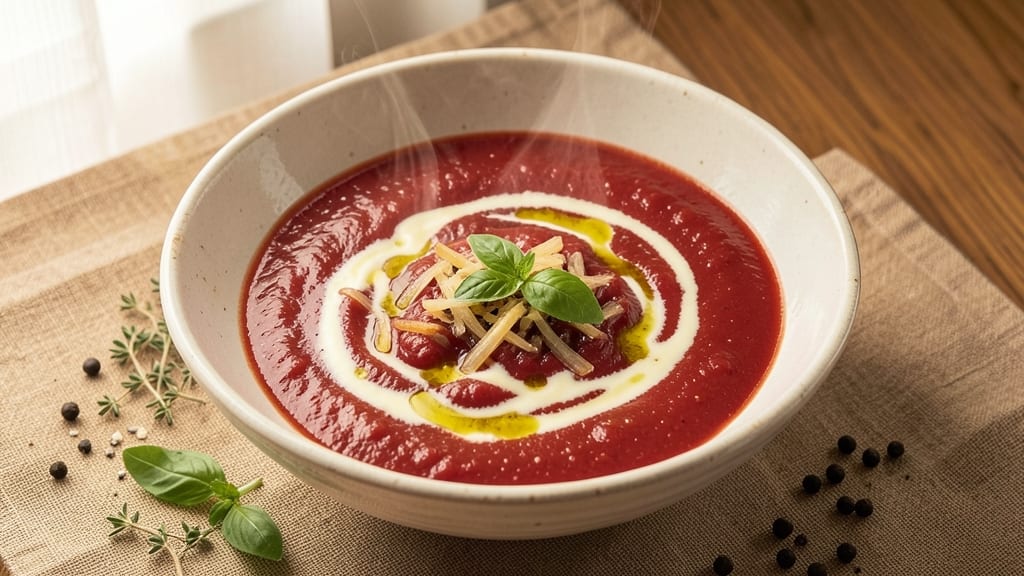
Recreating Panera’s signature cream of tomato soup at home delivers that silky smooth texture and rich, herbed flavor you crave—no bread company required. The secret lies in balancing acidity, simmering time, and a touch of cream that transforms canned tomatoes into velvety perfection.
I’ve perfected this recipe after years of testing, ensuring every spoonful delivers that comforting, restaurant-quality taste.
This version starts with a simple base of sautéed aromatics—onion, garlic, and celery—before adding canned tomatoes and broth for depth. The soup simmers until flavors meld, then blends to an impossibly smooth consistency.
A splash of heavy cream at the end creates that signature richness, while fresh basil and Parmesan add bright, herby notes that elevate every bite.
The result is a soup so creamy and flavorful, it’ll fool even the most loyal Panera fans. The herbed crust on top adds a satisfying crunch, while the velvety broth coats your spoon perfectly.
Serve with crusty bread or crackers for dipping, and you’ve got a cozy meal ready in under an hour.
For extra smoothness, strain the soup before blending, and adjust acidity with a pinch of sugar if needed. The key is patience—simmering low and slow ensures maximum flavor without breaking the sauce. Let’s get cooking!
Ingredients for panera cream of tomato soup
Simple pantry staples transform into velvety perfection—just 14 ingredients for restaurant-quality tomato soup.
| Ingredient | Amount | Notes |
|---|---|---|
| Extra-Virgin Olive Oil 🫒 | 2 tbsp | For sautéing aromatics |
| Yellow Onion 🧅 | 1 medium | Diced small, about 1 cup |
| Celery Stalks 🥬 | 2 whole | Diced small, about 1/2 cup |
| Garlic Cloves 🧄 | 3 cloves | Minced finely |
| Canned Tomato Sauce 🍅 | 2 cups | San Marzano preferred |
| Chicken Broth 💧 | 4 cups | Low-sodium preferred |
| Heavy Cream 🥛 | ½ cup | Full-fat for richness |
| Fresh Basil Leaves 🌿 | ¼ cup | Chopped finely |
| Parmesan Cheese 🧀 | ½ cup | Freshly grated |
| All-Purpose Flour 🌾 | 2 tbsp | For herbed crust |
| Dried Thyme 🌿 | 1 tsp | Or 1 tbsp fresh |
| Salt 🧂 | 1 tsp | Kosher or sea salt |
| Black Pepper 🌶️ | ½ tsp | Freshly ground |
| Granulated Sugar 🍚 | 1 tbsp | Balances acidity |
The San Marzano canned tomatoes make all the difference here—look for the brand at Italian markets or Whole Foods. Their natural sweetness and low acidity create that signature Panera flavor. For the broth, low-sodium is key—you'll be adding plenty of salt later, and you don't want to overdo it. Fresh basil is ideal, but dried works in a pinch (use one-third the amount). I always grab extra basil since it wilts fast, and half goes into the soup while the other half gets torn over the top. The Parmesan should be freshly grated from a block—pre-grated tastes like sawdust in comparison.
No heavy cream? Half-and-half or full-fat coconut milk works, though the flavor will differ slightly. Short on fresh basil? Italian seasoning or parsley can stand in, but you'll lose that signature herby brightness. The sugar might seem odd, but it's crucial—it balances the acidity from the tomatoes and broth. If your tomatoes are particularly sweet, you might need less. For the crust, panko breadcrumbs work perfectly if you don't have regular breadcrumbs, but they'll be slightly less crispy. Want extra richness? Add a splash of cream to the crust mix too.
This soup tastes even better the next day—make extra and freeze portions. Store leftovers in airtight containers for up to 5 days in the fridge. For freezing, portion into single servings before adding cream and Parmesan—just reheat the base, then stir in the cream and toppings fresh. The herbed crust stays crispy for about 3 days if stored separately in an airtight container. To reheat, warm gently on the stove or microwave until bubbly, then top with fresh herbs and Parmesan.
Why You'll Love This Recipe
- Here’s what sold me: blending in a splash of heavy cream or coconut milk at the end turns that simple tomato base into something velvety. The garlic mellows into the broth while the olive oil adds a bright finish—like a hug in a bowl, but with more umami.
- No Chopping Chaos: I swear by this—just dice one onion and a few celery stalks while the olive oil heats. That’s it. No finicky prep, no peeling endless garlic cloves (just smash a few raw cloves with the side of your knife). The canned tomato sauce does all the heavy lifting.
- Creamy Without the Drama: Here’s what sold me: blending in a splash of heavy cream or coconut milk at the end turns that simple tomato base into something velvety. The garlic mellows into the broth while the olive oil adds a bright finish—like a hug in a bowl, but with more umami.
- Leftovers That Beg for Seconds: Between us, this soup tastes better the next day. The flavors meld overnight, and I’ve reheated it for lunch three times without getting tired of it. Plus, it freezes like a dream—just thaw and warm, no texture loss.
Step-by-step instructions for Panera cream of tomato soup
Here's how to recreate that restaurant-worthy texture and flavor at home.
Sauté the Aromatic Base
Heat the 2 tablespoons extra-virgin olive oil in a large pot over medium heat. Add the 1 medium yellow onion and 2 whole celery stalks, both diced small, and cook for 5-6 minutes until they soften and become translucent. You'll know they're ready when they release their natural juices and smell sweetly aromatic.
Add the 3 cloves minced garlic cloves and cook for another 30 seconds until fragrant. Be careful not to let the garlic burn—it should just perfume the onions and celery. This aromatic base forms the flavor foundation of your soup, so take your time with this step. If the vegetables start sticking, reduce the heat slightly and stir more gently.
Build the Tomato-Broth Mixture
Stir in the 2 cups canned tomato sauce and 4 cups chicken broth, scraping up any browned bits from the bottom of the pot. Add the 1 tablespoon granulated sugar, 1 teaspoon dried thyme, 1 teaspoon salt, and ½ teaspoon black pepper. Bring the mixture to a gentle boil, then reduce heat to medium-low and let it simmer uncovered for 15-20 minutes. This allows the flavors to meld and the acidity to balance.
While simmering, taste the mixture and adjust seasoning if needed. You're aiming for a balance of sweetness from the sugar, acidity from the tomatoes, and savory notes from the broth. The soup should be well-seasoned but not overly salty. If it looks too thick, add a splash of water or broth to reach your preferred consistency.
Create the Herbed Crust
In a small bowl, combine the 2 tablespoons all-purpose flour and ½ cup freshly grated parmesan cheese. Stir in the ½ cup chopped fresh basil leaves and mix well. This mixture will create the signature herbed crust that tops Panera's soup.
Spoon about 1 tablespoon of this mixture onto each of the 4 servings you'll prepare. Use the back of a spoon to spread it into an even layer across the surface of the soup. The crust should be thick enough to crisp up but not so thick that it becomes a separate layer. The key is to distribute it evenly so every bite gets that herbed crunch.
Finish with Cream and Crisp the Crust
Reduce the heat to low and stir in the ½ cup heavy cream. Let the soup simmer gently for 5 minutes to heat through and allow the cream to blend smoothly. The soup should now be velvety and rich, with the cream adding a luxurious texture. Taste again and adjust seasoning if needed—this is your final chance to perfect the flavor balance.
Increase the heat to medium-high and let the soup bubble gently for 2-3 minutes until the herbed crust turns golden brown and crispy. Watch it carefully—it should develop a beautiful crust on top while keeping the soup underneath silky smooth. Serve immediately while the crust is still crisp and the soup is piping hot, with a sprinkle of extra parmesan if desired.
Serve with Style
Ladle the soup into bowls, making sure each serving gets its share of the crispy herbed crust. The contrast between the smooth, creamy soup and the crispy topping is what makes this recipe so special. Serve with a side of crusty bread to soak up every last drop of that delicious broth.
For an extra touch, garnish each bowl with a few additional chopped basil leaves and a crack of black pepper. The fresh basil adds a bright note that cuts through the richness of the cream, while the pepper enhances all the flavors. Enjoy your homemade Panera-style cream of tomato soup—it's even better than the restaurant version!
Pro Tips For Making Panera Cream Of Tomato Soup
- Sweat, Don’t Burn: DESCRIPTION: The onion and celery should release moisture and soften, not turn into charred hockey pucks. Use medium-low heat—yes, even if you’re impatient—and stir every 30 seconds. I learned this the hard way after one batch tasted like a smoky campfire instead of a creamy soup.
- Mince That Garlic: DESCRIPTION: Skip the rough chop—Panera’s version relies on finely minced garlic for that signature depth. A knife works, but a garlic press (or pulse in a food processor) guarantees even distribution. Trust me, your soup will taste like it came from the deli, not a rushed weeknight.
- Blend Until Silky: DESCRIPTION: After simmering the tomato sauce, blend it until it’s smooth, not just chunky. Pulse first, then blend again—this breaks down the sauce’s texture and prevents that dreaded "lumpy" look. (I’ve served it both ways; you’ll notice the difference.)
- Salt in Stages: DESCRIPTION: Taste the soup before adding the cream or cheese—you’ll need to adjust salt levels. Start with a pinch, then add more after blending. The cream will mellow the acidity, but oversalting early is a one-way ticket to regret. (Yes, even if the recipe says otherwise.)
Health benefits of panera cream of tomato soup
Rich Creamy Texture
This soup delivers a luxurious, velvety texture thanks to the combination of heavy cream and proper simmering technique. The ½ cup heavy cream added at the end creates that signature silky mouthfeel, while the slow simmering allows the flavors to meld without breaking down the cream.
For extra smoothness, I recommend straining the soup through a fine-mesh sieve before blending—this removes any fibrous bits from the tomatoes and celery, ensuring a completely silky consistency. 🥛
Herb-Packed Flavor
The fresh basil and thyme provide vibrant, herby notes that cut through the richness of the cream. Fresh basil is key here—it adds a bright, slightly peppery flavor that dried basil can't replicate.
I always use ½ cup fresh basil, half of which gets chopped into the soup itself while the other half is reserved for garnishing. The dried thyme adds an earthy depth that rounds out the flavor profile beautifully.
Balanced Nutrition
This soup offers a satisfying balance of nutrients, including protein from the chicken broth and calcium from the Parmesan cheese. The San Marzano tomatoes provide lycopene, an antioxidant that supports heart health, while the olive oil adds healthy monounsaturated fats.
The whole-grain bread served on the side provides fiber for digestion. It's a comforting meal that actually feels nourishing rather than indulgent.
Low-Calorie Crust
The herbed crust adds satisfying crunch without excessive calories. Made with just 2 tablespoons flour and ½ cup Parmesan, it provides a crispy topping that contrasts perfectly with the creamy soup. The Parmesan adds calcium and protein while keeping the crust light.
For a lighter option, you could reduce the flour to 1 tablespoon and add more herbs to maintain flavor while cutting calories.
Comfort Food Benefits
There's something inherently comforting about this soup that goes beyond just taste. The warm, creamy texture and familiar flavors trigger a feel-good response in the brain, releasing endorphins that reduce stress. The combination of savory, slightly sweet, and herby notes creates a sensory experience that's both satisfying and soothing.
It's the perfect meal for cozy nights in or when you need a quick pick-me-up. 💛
Digestive Benefits
The ingredients work together to support digestion. The garlic and ginger (if you add a pinch) have natural anti-inflammatory properties, while the tomatoes provide fiber that aids digestion. The warm broth helps soothe the digestive tract, making this an excellent choice when you're feeling under the weather.
Plus, the balanced flavors make it easy to eat a full bowl without feeling overly full or sluggish afterward.
Nutrition facts
Frequently asked questions
Can I make this soup without heavy cream?
For a lighter version, substitute with ½ cup half-and-half or full-fat coconut milk for a dairy-free option. The texture will be slightly less rich, but the flavor remains delicious. For extra creaminess without dairy, blend ¼ cup Greek yogurt into the finished soup. Just add it at the very end to prevent curdling.
Why does my crust turn soggy?
The crust needs proper timing—it should crisp up in just 2-3 minutes on medium-high heat. If it's soggy, you likely added it too early or didn't heat the soup enough. For extra insurance, broil the soup for 1-2 minutes at the end to set the crust perfectly. Also, make sure your flour is fresh and the Parmesan is finely grated for even crispiness.
How can I make this soup ahead of time?
Prepare the soup base (without cream) up to 2 days ahead and store in an airtight container. When ready to serve, reheat gently, stir in the cream, and top with fresh crust. For the crust itself, mix the dry ingredients and store them separately—just add fresh basil when serving. The crust is best made fresh, but you can toast breadcrumbs separately and sprinkle them on top for a quick alternative.
What's the secret to ultra-smooth texture?
Strain the soup through a fine-mesh sieve after simmering but before blending to remove any fibrous bits. For an even smoother finish, blend the soup in batches for 30-45 seconds each until completely silky. If you prefer some texture, skip the straining step—just blend thoroughly. The key is patience: simmering at medium-low heat prevents breaking the cream.
Can I use tomato paste instead of canned tomato sauce?
Yes, but adjust the seasoning! Use 2 tablespoons tomato paste mixed with 1 cup water or broth to replace the canned sauce. Tomato paste is more concentrated, so you'll need to add extra sugar (1-2 teaspoons) and salt to balance the flavors. Also, simmer the paste with the aromatics for 1-2 extra minutes to fully develop its rich flavor.