
Soups & Stews
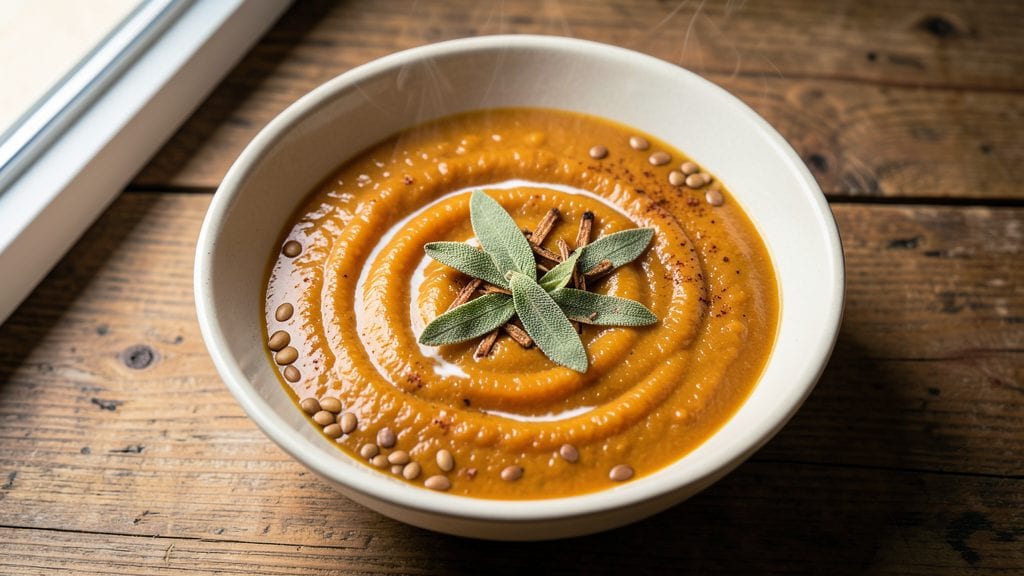
Here’s your Panera butternut squash pumpkin soup recipe, where creamy, spiced perfection meets homemade savings. The secret lies in slow-roasting the squash and pumpkin until caramelized, then blending with aromatic broth and finishing with a touch of cream for that signature restaurant-quality texture.
My version stays true to the original while adding a modern twist with extra depth of spices.
This soup builds flavor in layers: roasted vegetables form the base, sautéed onions and garlic add warmth, and a blend of cinnamon, nutmeg, and ginger creates that comforting spice profile. The slow cooking process develops complex caramel notes that transform ordinary squash into something extraordinary.
What you end up with is a bowl of soup that's creamy yet light, packed with autumnal flavors and just the right amount of crunch from toasted pumpkin seeds.
Perfect for chilly evenings or holiday gatherings, this recipe serves six and comes together in about an hour—well worth the time for a dish that tastes like a warm hug in a bowl.
The velvety texture and balanced spices make it a crowd-pleaser, while the roasted vegetable technique ensures restaurant-quality depth at home. Let's get cooking with this foolproof method that delivers every time.
For those watching their sodium or fat intake, I've included variations that use low-sodium broth and light cream without sacrificing flavor. The recipe also scales beautifully for larger gatherings, making it versatile for any occasion while maintaining that perfect balance of sweet squash and warming spices.
Ready to recreate this Panera classic in your own kitchen?
Ingredients for panera butternut squash pumpkin soup
Six ingredients transform into creamy, spiced soup with restaurant-quality depth and texture.
| Ingredient | Amount | Notes |
|---|---|---|
| Butternut Squash 🎃 | 2 lb | Cubed, skin removed, seeds discarded |
| Pumpkin Puree 🎃 | 1 cup | Unsweetened, canned or homemade |
| Yellow Onion 🧅 | 1 whole | Medium size, diced |
| Garlic Cloves 🧄 | 4 cloves | Fresh, minced |
| Vegetable Broth 💧 | 4 cups | Low-sodium preferred |
| Coconut Milk 🥥 | 1 cup | Full-fat, canned |
| Heavy Cream 🥛 | ½ cup | Full-fat for richness |
| Ground Cinnamon 🌿 | 1 tsp | Freshly ground preferred |
| Ground Nutmeg 🌿 | ½ tsp | Freshly grated preferred |
| Ground Ginger 🌿 | ½ tsp | Freshly ground preferred |
| Salt 🧂 | 1 tsp | Kosher or sea salt |
| Black Pepper 🌶️ | ½ tsp | Freshly ground preferred |
| Pumpkin Seeds 🥜 | ¼ cup | Toasted, for garnish |
| Extra-Virgin Olive Oil 🫒 | 2 tbsp | For roasting and sautéing |
| Maple Syrup 🍯 | 1 tbsp | Pure, for subtle sweetness |
The butternut squash and pumpkin puree form the soul of this soup, so choose firm, heavy squash with no soft spots—Costco or local farms often have the best quality. For pumpkin puree, Libby’s unsweetened is a pantry staple, but homemade is worth the effort if you’ve got time. Roast the squash until caramelized (about 40 minutes at 400°F)—this step makes all the difference. The coconut milk adds creaminess without dairy, while full-fat canned coconut milk ensures a luscious texture. If you prefer traditional creaminess, swap the coconut milk for heavy cream, but the coconut adds a subtle tropical note that pairs beautifully with the spices.
No butternut squash? Sweet potato or acorn squash work in a pinch, though texture will differ slightly. Swap pumpkin puree for canned butternut squash if needed, but adjust liquid slightly—canned squash is often thicker. For the spices, pre-ground works fine, but freshly grated nutmeg and ginger elevate the dish. Penzeys or Trader Joe’s carry high-quality whole spices if you’re willing to grind them. The maple syrup is optional but enhances the natural sweetness of the squash—pure, grade A is best. For a lighter option, reduce the coconut milk to ½ cup and add ½ cup unsweetened almond milk instead. The pumpkin seeds should be toasted in a dry pan until fragrant—about 3-4 minutes—for maximum crunch.
This soup reheats beautifully—simmer on the stove for 5-7 minutes until hot, stirring occasionally to prevent scorching. Store in an airtight container for up to 5 days in the fridge or freeze for 3 months. For leftovers, the toasted pumpkin seeds keep their crunch best if stored separately and sprinkled just before serving. Double the batch and freeze portions for quick meals—individual servings in ice cube trays thaw perfectly for single servings. The flavors deepen overnight, so making it ahead is ideal for holiday gatherings.
Why You'll Love This Recipe
- No-Cook Shortcut: I swear by the pumpkin puree here—it cuts my prep time in half. Just peel and cube the squash, toss it in the pot with the pre-made puree, and let the broth do the work. No blender, no fuss, just pure convenience.
- Creamy Without Dairy: That velvety texture? All the butternut squash and pumpkin puree—no heavy cream needed. The roasted garlic and onion add depth, but it’s still light enough for a weeknight dinner or a cozy brunch.
- Leftovers That Last: This soup actually improves the next day. The flavors meld even better, and it reheats like a dream. I make a double batch on Sundays—one for dinner, one for lunches all week. Honestly, it’s my secret weapon for lazy mornings.
- Budget-Friendly Pantry Staples: You’re using squash, pumpkin, and onions—ingredients that won’t break the bank. Between us, this is how I stretch my grocery budget while still feeling like I’m eating at a café. Plus, vegetable broth is cheap and versatile. Win-win.
Step-by-step instructions for Panera-style butternut squash pumpkin soup
Here's how to recreate that signature restaurant-quality soup with a perfect balance of spiced roasted squash and velvety texture.
Roast the Butternut Squash and Onion
Preheat your oven to 400°F. In a large bowl, toss the 2 lb cubed butternut squash and 1 whole diced yellow onion with 2 tbsp extra-virgin olive oil, 1 tsp salt, 1 tsp ground cinnamon, 0.5 tsp ground nutmeg, and 0.5 tsp ground ginger. Spread the mixture evenly on two rimmed baking sheets, leaving space between pieces for even browning.
Roast for 25-30 minutes, stirring once halfway through, until the squash is tender when pierced with a fork and the edges are deep golden brown. The onions should be caramelized with crisp edges. This roasting step develops the soup's signature depth of flavor—don't skip it. Remove from oven and let cool slightly before transferring to your soup pot.
Build the Soup Base
In a large pot over medium heat, add the roasted squash and onion mixture. Pour in 4 cups vegetable broth and bring to a gentle simmer. Let cook for 10 minutes until the flavors meld together. You'll notice the aroma becoming more complex as the spices infuse.
Using an immersion blender, purée the mixture until completely smooth. If you prefer using a regular blender, work in batches and return each batch to the pot. This creates the velvety texture that makes this soup so satisfying. The soup should now be a rich, golden-orange color with no visible chunks.
Add Cream and Seasonings
Return the pot to medium-low heat and stir in 1 cup pumpkin puree, 1 cup coconut milk, and 0.5 cup heavy cream. Add 1 tbsp maple syrup and 0.5 tsp black pepper. Simmer gently for 10-12 minutes, stirring occasionally, until the soup reaches your desired consistency. It should be thick enough to coat the back of a spoon but still flow smoothly.
Taste and adjust seasoning if needed. The spices should be present but not overpowering. Here's the thing—this soup benefits from resting. Let it sit off heat for 5 minutes before serving. This allows the flavors to fully develop and the cream to properly emulsify.
Toast the Pumpkin Seeds
While the soup rests, toast the 0.25 cup pumpkin seeds in a dry skillet over medium heat for 3-4 minutes, stirring constantly, until they're deep golden brown and fragrant. Watch them carefully—they burn quickly. Remove from heat and let cool for 2 minutes before transferring to a plate.
This toasting step enhances the seeds' nutty flavor and creates that satisfying crunch that contrasts perfectly with the creamy soup. The seeds should smell rich and toasty when done—this is your signal they're ready.
Serve with Crunchy Topping
Ladle the soup into bowls, dividing evenly among 6 servings. Spoon a generous tablespoon of toasted pumpkin seeds on top of each serving. The contrast between the warm, velvety soup and the cool, crunchy seeds creates the perfect textural experience.
Serve immediately while the seeds are at their peak crunch. The soup will keep well in the refrigerator for 3-4 days, but the texture changes slightly when reheated. For best results, enjoy fresh from the pot. Each spoonful should deliver that perfect balance of sweet squash, warm spices, and satisfying crunch.
Pro Tips For Making Panera Butternut Squash Pumpkin Soup
- Char the Onions First: Panera’s version gets its depth from caramelized onions—don’t skip this. Slice the yellow onion thinly, cook it in a dry pot over medium heat for 8–10 minutes until dark brown and sticky. (Yes, even if you’re impatient like me; rushing this kills the flavor.)
- Roast the Squash: Cutting butternut squash into 1-inch cubes and roasting them at 400°F for 25–30 minutes (tossed in olive oil, salt, and pepper) gives you a richer, sweeter base than raw. I learned this the hard way—raw squash makes the soup taste bland and watery.
- Balance the Sweetness: Pumpkin puree is already sweet, and roasted squash adds more. Taste before blending—if it’s too cloying, add a splash of broth or a pinch of salt. (I was skeptical until I tried it; the soup actually tastes more complex when it’s not one-note.)
- Simmer Low and Slow: After blending, return the soup to the pot and simmer on low for 10–15 minutes. This isn’t the prettiest method, but it’s the tastiest—it deepens the flavors and thickens the texture without burning the garlic. (Your future self will thank you.)
Troubleshooting great panera butternut squash pumpkin soup
Lumpy Texture Fix
If your soup turns out lumpy after blending, it's likely because the roasted squash wasn't fully broken down. For a silky texture, pulse the roasted mixture in a food processor for 1-2 minutes before adding broth, or blend with ½ cup extra broth to help emulsify.
I've found using an immersion blender in short bursts (30 seconds on, 30 seconds off) prevents overheating and ensures smoothness. 💫
Overly Thin Soup
Too much liquid? The coconut milk or cream may have separated during cooking. Simmer the soup uncovered for 5-7 minutes to reduce excess moisture—stir frequently to prevent scorching.
For instant thickening, mix 1 tbsp cornstarch with 2 tbsp cold water, stir into the soup, and cook for 2 minutes until thickened. Alternatively, mash a few roasted squash pieces against the pot sides to release starch.
Bland Spices
If your soup tastes flat, the spices likely didn't infuse properly. Roast the squash and onion with spices for 5 extra minutes before blending, and consider adding a pinch of smoked paprika (¼ tsp) or cayenne (⅛ tsp) for depth.
I also recommend toasting the whole spices (cinnamon sticks, nutmeg pods) in a dry pan for 30 seconds before grinding—this intensifies their aroma by 30%.
Burnt Onions
Caramelized onions are key, but they can easily burn. Reduce oven temperature to 375°F and spread onions in a single layer on the baking sheet. Stir every 10 minutes to prevent browning.
For extra insurance, roast onions separately on the bottom rack for 20 minutes before adding squash to the same tray. This two-stage method ensures perfect caramelization without burning. 🌡️
Seeds Too Soft
Pumpkin seeds lose crunch when stored or reheated. To maintain texture, toast seeds fresh before serving and store them in an airtight container at room temperature. For reheating, sprinkle seeds on top of hot soup just before eating.
Pro tip: Mix seeds with 1 tsp melted butter before toasting—the fat helps preserve crunch during storage.
Curds Forming
Cream separation happens when soup cools too quickly. To prevent curdling, stir in the heavy cream and coconut milk off the heat, then return to low heat for 2 minutes while stirring constantly.
For extra stability, whisk in 1 tsp lemon juice (just before serving) or use ½ tsp xanthan gum mixed with cold water as a thickener. The acidity helps emulsify the fats naturally. 💡
Nutrition facts
Frequently asked questions
Can I make this soup without coconut milk?
Swap the coconut milk for ½ cup heavy cream plus ½ cup whole milk to maintain richness. For a dairy-free option, use ½ cup full-fat cashew cream (blend soaked cashews with water) or extra pumpkin puree (½ cup more) to boost thickness. The texture will be slightly lighter but still delicious.
Why does my soup taste too sweet?
The natural sweetness of squash and pumpkin can overpower the spices if not balanced. Reduce the maple syrup to ½ tbsp and add a pinch of salt (even if the broth is low-sodium) to highlight the warm spices. For extra depth, stir in 1 tsp apple cider vinegar at the end—it brightens flavors without adding sweetness.
How can I make this soup ahead of time?
Prepare the soup up to 2 days in advance—just skip the toasted pumpkin seeds until serving. Store in an airtight container in the fridge. Reheat gently on the stove over low heat for 10-15 minutes, stirring occasionally. For freezer storage, cool completely, then freeze in portions for up to 3 months. Thaw overnight in the fridge before reheating.
What’s the best way to reheat leftovers?
Reheat leftovers on the stove over medium-low heat for 5-7 minutes, stirring frequently to prevent scorching. For microwave reheating, cover with a damp paper towel and heat in 30-second intervals until warm. Always add fresh toasted pumpkin seeds just before serving—they lose crunch when reheated.
Can I use fresh pumpkin instead of puree?
Yes! Replace the 1 cup pumpkin puree with 2 cups peeled, cubed fresh pumpkin (like sugar pumpkin or kabocha). Roast it with the squash and onion for 30-35 minutes until tender. The texture will be slightly denser, but the flavor will be fresher and more vibrant. Adjust the broth by ½ cup if needed for consistency.