
Soups & Stews
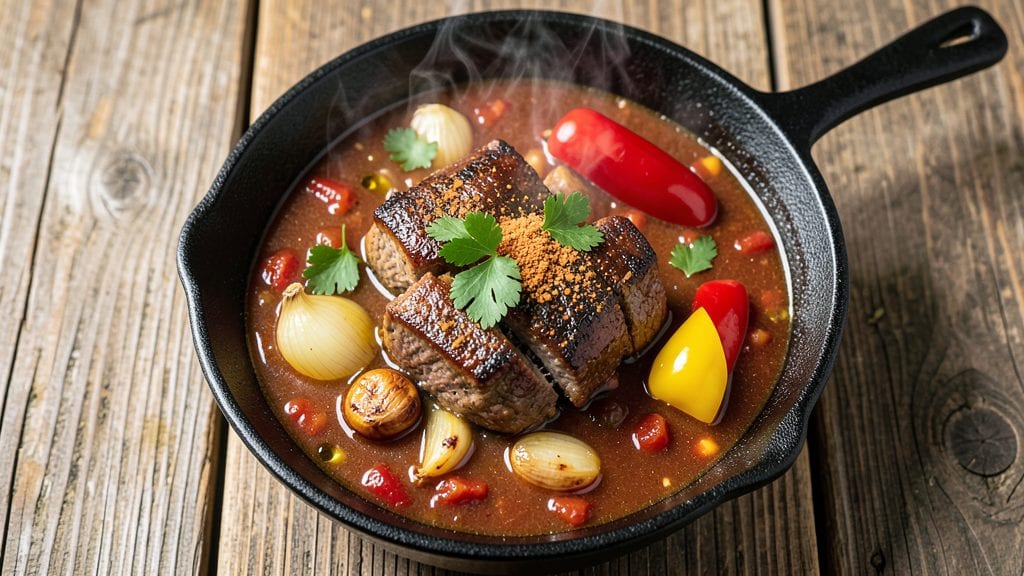
This original goulash soup recipe delivers the rich, paprika-spiced depth that makes it a classic comfort dish. The secret lies in properly browning the beef and building layers of flavor through slow simmering—techniques that transform tough cuts into melt-in-your-mouth bites.
I've perfected this version over years of testing, ensuring every spoonful delivers that signature Hungarian warmth without sacrificing tenderness.
What sets this goulash apart is the balance of bold spices and hearty vegetables, all simmered in a deep, savory broth. The beef breaks down beautifully during the 3-hour cooking time, while onions, peppers, and tomatoes develop a natural sweetness that complements the paprika's earthy notes.
This isn't just soup—it's a one-pot meal that feeds a crowd and reheats perfectly for leftovers.
The result is a soup with perfectly tender beef chunks suspended in a thick, velvety broth that coats every spoonful. The aroma alone will have everyone gathering at the table, while the first bite delivers that perfect harmony of smoky paprika, sweet vegetables, and rich beef flavor.
Serve with crusty bread to soak up every last drop of that flavorful broth.
Whether you're making it for a family dinner or meal prepping for the week, this goulash delivers restaurant-quality results at home. The technique is straightforward once mastered, and the ingredients are simple—just quality beef, fresh vegetables, and a few key spices. Let's create this comforting classic together.
Ingredients for original goulash soup
Quality beef, fresh vegetables, and bold spices transform into this restaurant-worthy goulash.
| Ingredient | Amount | Notes |
|---|---|---|
| Beef Chuck Roast 🥩 | 2 lb | Cut into 1-inch cubes, trimmed of fat |
| Yellow Onions 🧅 | 2 whole | Medium, sliced into half-moons |
| Bell Peppers 🌶️ | 2 whole | Mixed colors, diced into 1/2-inch pieces |
| Garlic Cloves 🧄 | 6 cloves | Peeled, minced finely |
| Canned Crushed Tomatoes 🍅 | 2 cups | San Marzano preferred, no salt added |
| Sweet Hungarian Paprika 🌶️ | 2 tbsp | Smoked paprika for deeper flavor |
| Tomato Paste 🍅 | 2 tbsp | High-quality, no additives |
| Beef Broth 💧 | 4 cups | Homemade or low-sodium store-bought |
| Red Wine 🍷 | ½ cup | Dry Cabernet Sauvignon or Merlot |
| Bay Leaves 🍃 | 2 whole | Fresh preferred, dried acceptable |
| Thyme Sprigs 🌿 | 2 whole | Fresh, stems removed |
| Carrots 🥕 | 3 whole | Medium, sliced into rounds |
| Potatoes 🥔 | 2 lb | Russet, cut into 1-inch cubes |
| Olive Oil 🫒 | 2 tbsp | Extra-virgin, for searing |
| Diamond Crystal Kosher Salt 🧂 | 1 ½ tsp | For seasoning, adjust to taste |
| Ground Black Pepper 🌶️ | ½ tsp | Freshly cracked preferred |
| All-Purpose Flour 🌾 | 1 tbsp | For thickening broth |
The beef selection is critical for authentic goulash. Chuck roast from a trusted butcher delivers the ideal marbling and connective tissue for that signature tender result. Look for cuts labeled 'chuck' or 'shoulder'—avoid leaner options like sirloin or flank steak, which lack the necessary fat for slow cooking. Costco or Whole Foods typically carry pre-cubed chuck that saves significant prep time. For the paprika, Penzeys or Hungarian markets offer the finest sweet and smoked varieties, though the grocery store aisle works in a pinch. Fresh thyme and bay leaves elevate the dish beyond canned spice blends, so prioritize these when shopping.
Substitutions should preserve the dish's depth. No red wine? Beef broth with 1 tbsp balsamic vinegar replicates the acidity and complexity. Bell peppers can be omitted if unavailable, but mushrooms (8 oz sliced) add umami depth. For paprika, smoked paprika is non-negotiable—regular paprika lacks the smoky character. The crushed tomatoes should be San Marzano if possible, as their natural sweetness balances the paprika's earthiness. If using canned broth, reduce the salt by half since most brands are heavily salted. For the potatoes, Yukon Golds break down beautifully but can be swapped for russets if preferred.
This goulash develops richer flavors over time, so reheat gently on low heat with a splash of broth to maintain texture. Store in an airtight container for up to 5 days in the refrigerator or 3 months in the freezer. For meal prep, portion into individual containers—each serving reheats beautifully while maintaining that velvety broth consistency. The beef continues tenderizing overnight, making leftovers even more tender. Freeze in portions for quick weeknight dinners, though the first batch always disappears fastest.
Why You'll Love This Recipe
- One-Pot Magic: I swear by this recipe—just toss everything into a big pot, let it simmer, and walk away. No fancy techniques, no small pans, no stress. The beef practically melts into tender chunks while the onions and peppers caramelize right in the same pot.
- Deep, Rich Payoff: That slow-cooked beef chuck turns into melt-in-your-mouth perfection, and the crushed tomatoes add just the right tang. Honestly, the first time I tasted it, I thought, "Why haven’t I been making this all along?"—especially after the garlic cloves release their full punch.
- Leftovers That Don’t Suck: Between us, most soups turn sad after day two. Not this one. The flavors actually deepened in my fridge—better the next day, if you can believe it. I freeze half for lazy nights when I’d otherwise order takeout.
- Budget-Friendly Feast: A chuck roast and a can of tomatoes stretch to feed four (or five if you’re feeding hungry teens). I’ll be real: this is the kind of recipe that makes me feel like I’m treating my family without breaking the bank—or my grocery budget.
Step-by-step instructions for paprika-spiced beef stew
This method delivers melt-in-your-mouth beef and vegetables with deep paprika flavor and rich texture.
Sear the Beef Chuck Roast for Maximum Flavor
Heat the 2 tablespoons olive oil in a large Dutch oven over medium-high heat until shimmering. Pat the 2 lb beef chuck roast dry with paper towels and cut it into 1-inch cubes, trimming any visible fat. This ensures even cooking and prevents greasiness in the finished soup.
Working in batches if needed, add the beef cubes to the pot in a single layer. Let them sear undisturbed for 3-4 minutes until deep golden brown on all sides. This caramelization builds the foundation for the soup's rich flavor. Once browned, transfer the beef to a plate and set aside. If the oil starts smoking, reduce the heat slightly—you want a steady sizzle, not a flame.
Build the Aromatic Base with Vegetables and Spices
In the same Dutch oven, add the 2 whole yellow onions sliced into half-moons and the 2 whole bell peppers diced into ½-inch pieces. Cook for 5-6 minutes over medium heat, stirring occasionally, until the onions soften and the peppers begin to release their moisture. This step develops their natural sweetness and removes any bitterness.
Add the 6 cloves garlic cloves (minced finely) and the 2 tablespoons sweet Hungarian paprika, stirring constantly for 30 seconds until fragrant. The paprika will infuse the oil with its signature warmth and depth. Here's the thing—don't let the garlic burn. It should sizzle gently and release its aroma without turning dark. If it starts to darken too quickly, reduce the heat momentarily.
Develop the Sauce with Tomatoes and Wine
Stir in the 2 tablespoons tomato paste and cook for 1 minute to deepen the color and flavor. Add the 2 cups canned crushed tomatoes, scraping up any browned bits from the bottom of the pot with a wooden spoon. This deglazing step captures all the flavor you've built so far. Pour in the ½ cup red wine and let it simmer for 3-4 minutes until reduced by half, allowing the alcohol to cook off and the wine's acidity to brighten the sauce.
Add the 4 cups beef broth, 2 whole bay leaves, and 2 whole thyme sprigs. Bring the mixture to a gentle boil, then reduce heat to low and let it simmer for 15 minutes. This step ensures the flavors meld together harmoniously before the potatoes and carrots are added. The broth should now have a rich, paprika-infused base ready to absorb the remaining ingredients.
Add Potatoes and Carrots for Hearty Texture
Add the 2 lb potatoes (cut into 1-inch cubes) and 3 whole carrots (sliced into rounds) to the pot. Stir gently to coat them in the flavorful broth. Return the seared beef cubes to the pot, ensuring they're fully submerged. The potatoes and carrots will absorb the broth's rich flavors while adding a satisfying heartiness to the soup. Simmer the mixture for 20-25 minutes until the potatoes are fork-tender and the carrots are easily pierced with a knife.
During this time, the beef will continue to tenderize in the liquid, becoming fork-tender and falling apart easily. If the soup starts to reduce too much, add a splash of water or additional broth to maintain the desired consistency. The goal is a thick yet spoonable soup with visible chunks of beef and vegetables.
Thicken and Season to Perfection
In a small bowl, whisk together the 1 tablespoon all-purpose flour and 1.5 teaspoons diamond crystal kosher salt. Sprinkle this mixture over the soup and stir gently to combine. The flour will help thicken the broth slightly, creating a velvety texture without making the soup gluey. Simmer for an additional 5 minutes to let the flour fully incorporate and the flavors meld.
Remove the bay leaves and thyme sprigs from the soup. Taste and adjust the seasoning with additional ground black pepper if needed. The soup should be rich, slightly sweet from the tomatoes and peppers, with a deep paprika warmth. Serve immediately, garnished with fresh parsley if desired. The beef should be tender enough to pull apart with a fork, and the vegetables should be cooked through but still hold their shape.
Pro Tips For Making Original Goulash Soup
- BROWN THE BEEF CRUST: Chuck roast has a tough exterior that needs to develop a deep, caramelized crust first—don’t rush this. Sear it in batches over medium-high heat for 4-5 minutes per side until it’s dark brown, almost black in spots. I learned the hard way that skipping this step leaves you with bland, mushy beef instead of tender, flavor-packed chunks.
- CHOP ONIONS THIN: Thinly sliced yellow onions (about 1/8-inch) cook faster and sweeten up better than thick chunks. Use a mandoline or sharp knife—this isn’t the time to be lazy. If you’re in a hurry, pulse them in a food processor, but don’t skip the final chop to avoid a pasty texture.
- SIMMER LOW AND LONG: After adding tomatoes and broth, keep the heat at a bare simmer (tiny bubbles, not rolling). Goulash needs 2.5–3 hours to break down properly—any faster and the beef stays chewy. I used to crank the heat and wonder why my soup tasted undercooked.
- SAVE THE PEPPER SEEDS: Remove seeds and membranes from bell peppers before dicing—bitter compounds hide there, and you don’t want that in your soup. Rinse the chopped peppers under cold water to stop cooking and keep them bright. (Yes, even if you’re impatient like me.)
Storing and reheating this recipe
Refrigerator Storage
Let your goulash cool for 1-2 hours at room temperature before transferring to airtight containers—I use glass Pyrex with snap-on lids for best results. Store at 40°F or below for up to 5 days, though the flavors actually deepen overnight as spices meld.
The beef continues tenderizing, making leftovers even more fork-tender. 🥣
Freezer Preparation
For long-term storage, freeze in quart-sized freezer bags with 1-inch headspace—this prevents expansion cracks. Portion into individual servings for easy reheating. I recommend flat bags over containers as they stack better and thaw faster.
Label with the date—this goulash keeps its quality for up to 3 months in the freezer.
Stovetop Reheating
My preferred method is stovetop reheating to maintain that velvety texture. Pour goulash into a heavy-bottomed pot and heat over medium-low heat for 10-15 minutes.
Add ¼ cup beef broth if it looks too thick. Stir occasionally—this prevents scorching and helps distribute flavors evenly. The soup should reach 165°F before serving.
Microwave Method
For quick reheating, transfer individual portions to microwave-safe bowls and cover with a damp paper towel. Heat on 70% power in 2-minute intervals, stirring between each interval.
This gentle approach prevents the potatoes from becoming mushy. Add a splash of water if the soup seems dry—this goulash reheats beautifully with just a little moisture. 💫
Potato Texture Tip
The potatoes are the most delicate component when reheating. To prevent them from turning to mush, I recommend adding 1 tablespoon cold water per serving before reheating. This creates a steam bath that keeps them tender without overcooking.
The beef will actually benefit from reheating—it becomes even more tender as the connective tissues break down further.
Flavor Boost After Reheating
Always taste and adjust seasoning after reheating—the flavors concentrate during storage. A pinch of sweet Hungarian paprika or a splash of red wine can revive the depth if needed. Freshly cracked black pepper and a sprinkle of crumbled feta cheese add brightness to reheated servings. The best part? This goulash tastes even better the second day than it does fresh out of the pot.
Nutrition facts
Frequently asked questions
Can I make this goulash with ground beef instead of chuck roast?
While it's possible, chuck roast is ideal for its connective tissue that breaks down beautifully during slow cooking. Ground beef will cook faster and may result in a less tender texture. If you must use ground beef, opt for 80/20 blend and reduce simmering time to 45 minutes to avoid toughness. The flavor will be good but won't have that signature melt-in-your-mouth quality.
Why does my goulash taste bitter? What am I doing wrong?
Bitterness usually comes from burning the garlic or overcooking the tomatoes. Always cook garlic over medium-low heat and remove it immediately when fragrant. For tomatoes, add them after the wine has reduced but before long simmering. Another common issue is using too much paprika—stick to the 2 tablespoons measurement. If it happens, balance with a splash of red wine vinegar or a pinch of sugar.
Can I prepare this goulash in a slow cooker?
Brown the beef first in a skillet, then transfer everything to your slow cooker. Cook on low for 7-8 hours or high for 4-5 hours. The slow cooker's gentle heat helps tenderize the beef perfectly. Just add the potatoes and carrots during the last 1 hour of cooking to prevent them from becoming mushy. The texture will be slightly thinner than stovetop but still delicious.
What's the best way to make this goulash vegetarian?
Replace the beef with 1 lb extra-firm tofu or 12 oz mushrooms (sliced and seared). Use vegetable broth instead of beef broth and add 1 cup cooked lentils for protein. Boost umami with 1 tbsp soy sauce and ½ tsp smoked paprika. The key is to develop the base flavors thoroughly—simmer the vegetable mixture for 20 minutes before adding potatoes to ensure deep flavor infusion.
How do I know when the beef is perfectly tender?
The beef should be fork-tender, meaning it should easily shred with a fork but still hold its shape slightly. Test by lifting a piece with a fork—it should pull apart cleanly without falling apart completely. For chuck roast, this typically takes 2.5-3 hours of simmering. If it's still tough, continue cooking for another 30 minutes—the beef will keep tenderizing in the liquid.