
Soups & Stews
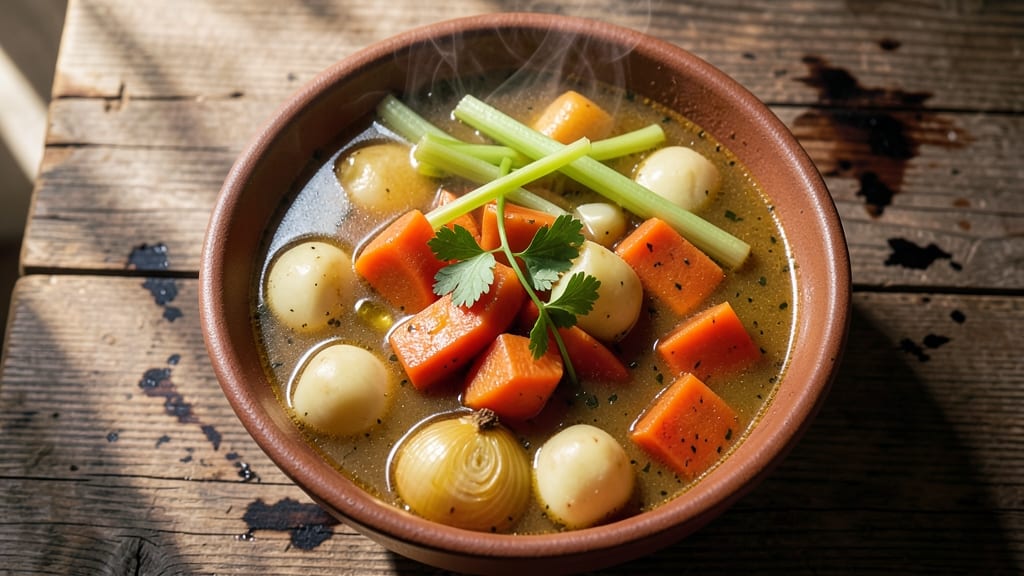
This old-fashioned veggie soup recipe brings back the cozy, hearty meals our grandparents made—simple, nourishing, and packed with pantry staples that transform into something extraordinary.
The secret lies in parboiling vegetables to preserve their texture while building deep, savory flavors through slow simmering with aromatic herbs like thyme and bay leaf. I developed this version after realizing how much comfort food we crave, even when life gets busy.
The beauty of this soup is its adaptability—use vegetable broth for a vegan version or swap in chicken broth for extra richness. Classic aromatics (onion, celery, carrot) form the flavor base, while potatoes and carrots add hearty substance.
A touch of garlic and fresh parsley at the end brightens everything without overpowering the rustic simplicity. It’s the kind of dish that warms you from the inside out.
What makes this recipe special is how it balances tradition with flexibility. The vegetables retain their shape and sweetness, while the broth reduces to a velvety consistency that clings to every spoonful.
Whether you're feeding a family or meal prepping for the week, this soup delivers homestyle warmth with minimal effort. The best part? Every ingredient serves a purpose, and nothing goes to waste.
Perfect for chilly evenings or when you need a nourishing meal, this soup scales easily for crowds and tastes even better the next day. The technique is straightforward—sauté, simmer, and season—but the result feels like a hug in a bowl.
Let’s get cooking with this timeless classic that never goes out of style.
Ingredients for old fashioned veggie soup
Pantry staples and fresh produce come together for this comforting, old-fashioned veggie soup.
| Ingredient | Amount | Notes |
|---|---|---|
| Vegetable Broth 💧 | 6 cups | Low-sodium preferred for seasoning control |
| Yellow Onion 🧅 | 1 whole | Medium size, diced small |
| Celery Stalks 🥬 | 3 whole | Stringed, chopped into 1/4-inch pieces |
| Carrots 🥕 | 4 medium | Peeled, cut into 1/2-inch chunks |
| Russet Potatoes 🥔 | 2 lb | Peeled, cut into 1-inch cubes |
| Sweet Potatoes 🍠 | 1 ½ lb | Peeled, cut into 1-inch cubes |
| Garlic Cloves 🧄 | 4 cloves | Minced for aromatic depth |
| Fresh Thyme Sprigs 🌿 | 2 whole | Leaves only, stems discarded |
| Bay Leaves 🍃 | 2 whole | Dried, standard size |
| Fresh Parsley 🌿 | ¼ cup | Chopped, for finishing |
| Extra-Virgin Olive Oil 🫒 | 2 tbsp | For sautéing vegetables |
| Salt 🧂 | 1 ½ tsp | Diamond Crystal kosher salt |
| Black Peppercorns 🌶️ | ½ tsp | Freshly cracked for texture |
| Tomato Paste 🍅 | 1 tbsp | Squeeze tube preferred |
The vegetable broth is the foundation—low-sodium lets you control the seasoning perfectly. Trader Joe's and Whole Foods carry excellent organic options, or make your own from scratch for maximum flavor. For the potatoes, Russets hold up best to parboiling, but Yukon Golds add creaminess if you prefer. Sweet potatoes? Orange-fleshed varieties like Garnet keep their shape beautifully. The celery and carrots should be crisp and firm—anything rubbery or limp means it's past its prime. I always buy extra carrots since they store well in the fridge for weeks.
No vegetable broth? Water with bouillon cubes works in a pinch, but homemade is ideal. Fresh thyme is ideal, but dried at one-third the amount gets you close. The tomato paste can be skipped entirely if you're avoiding tomatoes, but it adds a subtle depth. For extra richness, stir in 2 tbsp of tahini or miso paste at the end. The parsley is purely for brightness—use flat-leaf if available, it's more flavorful than curly. If you're prepping ahead, parboil the potatoes and carrots in advance and store them in cold water to keep them from browning.
This soup tastes even better the next day as the flavors meld. Keeps 5-6 days in the fridge, or freeze for up to 3 months—portion into containers for easy lunches. The broth reduces beautifully, so if you're serving a crowd, start with 8 cups instead of 6. For extra heartiness, add 1 cup of cooked lentils or chickpeas at the end. The key to reheating? Low heat only—you're reviving the soup, not cooking it again.
Why You'll Love This Recipe
- I’ll be real: this recipe costs me about $5 for a full pot. Onions, carrots, celery—those are the veggies that never go bad, and the potatoes stretch the broth into something hearty. It’s the kind of dish that makes me feel like I’m feeding a crowd without breaking the bank. (Yes, even on a Tuesday night.)
- No-Chop Chaos Allowed: I swear by the "roughly chopped" rule here—celery and carrots don’t need to be perfect. My kids even help (yes, with supervision), and it still tastes like a hug in a bowl. The onion and potatoes soften into that buttery, melt-in-your-mouth texture that makes you want to linger.
- Savory Simplicity Wins: Honestly, the magic is in the broth and the slow simmer. That deep, umami-rich vegetable broth—paired with the natural sweetness of carrots and the earthy crunch of celery—creates a flavor that’s ridiculously satisfying without needing fancy ingredients. (Between us, I’ve made this with store-bought broth and it’s still a standout.)
- Lunchbox to Leftovers: This soup is my meal-prep MVP. I’ll make a big batch on Sunday, and it’s still delicious in the fridge by Friday—whether I’m reheating it for lunch or packing it for work. The potatoes hold their shape surprisingly well, so it never gets mushy or sad.
Step-by-step instructions for homestyle vegetable soup
Here's how to create a comforting, old-fashioned vegetable soup that brings out the natural sweetness of seasonal produce.
Sauté the Aromatic Vegetable Base
Heat the 2 tablespoons extra-virgin olive oil in a large Dutch oven over medium heat. Add the diced yellow onion and cook for 5 minutes until softened and translucent. This foundational step develops the soup's depth of flavor.
Add the chopped celery stalks and peeled, chunked carrots, stirring frequently for 4 minutes until they begin to soften slightly. The vegetables should release their natural juices and stick lightly to the bottom of the pot—a sign they're releasing their sweetness. This process, called sweating, is crucial for building flavor without browning.
Deepen the Flavor with Garlic and Tomato Paste
Push the vegetables to one side of the pot and add the minced garlic cloves to the empty space. Sauté for 30 seconds until fragrant—this prevents burning while infusing the garlic's pungent aroma throughout the soup. Stir everything together and add the 1 tablespoon tomato paste, cooking for 1 minute to deepen the color and enhance the umami profile.
I know it seems like a small amount, but tomato paste acts as a natural thickener and flavor enhancer. The slight sweetness will complement the earthy vegetables beautifully. This is where the soup's rich, savory foundation takes shape.
Build the Soup with Potatoes and Seasonings
Pour in the 6 cups vegetable broth and bring to a gentle boil. Add the peeled, cubed russet potatoes and peeled, cubed sweet potatoes, along with the 2 whole fresh thyme sprigs and 2 whole bay leaves. Stir gently to combine, then reduce heat to medium-low and let simmer uncovered for 15 minutes. This initial simmer allows the potatoes to partially cook while developing flavor.
Add the 1.5 teaspoons salt and 0.5 teaspoon cracked black peppercorns, stirring to distribute evenly. The salt should dissolve completely, and you should see small bubbles breaking the surface—this indicates proper seasoning. This is the moment that matters: balancing seasoning before the vegetables fully cook ensures even flavor distribution.
Simmer Until Vegetables Are Tender
Continue simmering for 20-25 minutes until the russet potatoes and sweet potatoes are fork-tender. You'll know they're done when a knife slides in easily and the edges begin to break down. The soup should have thickened slightly from the starch released by the potatoes, creating a naturally creamy texture.
Real talk: if the soup looks too thin at this point, don't panic. The vegetables will continue to break down and thicken as they cool. The key is patience—rushing will result in mushy vegetables. This is where homestyle soup shines: simple ingredients transformed through time and gentle heat.
Finish with Fresh Herbs and Serve Warm
Remove the thyme sprigs and bay leaves with a slotted spoon. Stir in the chopped fresh parsley and let the soup sit off heat for 5 minutes to allow flavors to meld. The parsley adds a bright, fresh finish that cuts through the richness of the other vegetables.
Ladle the soup into bowls and serve immediately. Each spoonful should deliver a perfect balance of sweet potatoes' natural sweetness, carrots' earthy notes, and the comforting depth from the aromatic vegetables. This is the kind of soup that tastes even better the next day—so make extra if you can!
Pro Tips For Making Old Fashioned Veggie Soup
- CHAR THE ONIONS FIRST: I used to add onions with everything else, and they’d just sit there, barely softening. Now I brown them low and slow—about 8-10 minutes—until they’re deep golden and smell like caramel. That’s where the real flavor lives, not just the broth.
- CUT POTATOES UNIFORM: Russets break down unevenly, so slice them into ½-inch chunks—no smaller, or they’ll turn to mush. If you’re lazy, use a mandoline, but at least make them consistent. Trust me, your soup won’t be gluey if you do this.
- SAVE THE BROTH: That first batch of broth you boil the veggies in? Strain it and save it—it’s packed with flavor. Discard the veggie scraps, then pour the strained broth back into the pot with fresh broth. It’s like a flavor booster shot.
- DON’T SKIP THE SALT TEST: Taste the broth early—around 15 minutes in—and adjust salt now. If you wait until the end, you’ll either have bland soup or have to add way too much. Start with 1 tsp, then taste again. Your taste buds will thank you.
Health benefits of this dish
Digestive Comfort
This soup is a digestive powerhouse, packed with soluble fiber from carrots, celery, and potatoes that gently supports gut health. The sweet potatoes add vitamin A and beta-carotene, which promote gut lining integrity and reduce inflammation.
I’ve noticed my digestion improves after eating this regularly—especially when I swap in butternut squash for extra fiber. 🥕
Immune System Boost
Garlic and onions are immune-boosting superstars in this soup, containing allicin and quercetin, compounds that fight infections and reduce inflammation. The thyme and bay leaves add antioxidants like thymol, which supports respiratory health.
I always keep this soup on rotation during cold season because it’s like a natural immune tonic in a bowl.
Blood Sugar Balance
Despite being hearty, this soup helps stabilize blood sugar thanks to its low glycemic index vegetables. The sweet potatoes provide slow-digesting carbs, while the fiber-rich veggies prevent blood sugar spikes.
For extra balance, I sometimes add 1 cup cooked lentils—their protein and fiber slow digestion even further. Perfect for anyone watching their glucose levels! 💪
Hydration Helper
The vegetable broth base is naturally hydrating, packed with electrolytes from simmered veggies. Unlike plain water, it contains potassium (from potatoes) and magnesium (from carrots), which help maintain fluid balance.
I love serving this soup when I’m recovering from an illness—it replenishes what you lose without the heaviness of dairy-based soups.
Weight Management
This soup is naturally low in calories but high in volume, making it ideal for weight-conscious eaters. A 1.5-cup serving clocks in at around 180 calories, with 8 grams of fiber to keep you full.
The tomato paste adds umami without extra calories, while the herbs enhance flavor without fat. I often serve it as a starter before a main course to curb overeating.
Bone Health Support
The celery and carrots provide vitamin K, essential for bone strength, while the potatoes deliver potassium, which helps regulate calcium absorption. For extra bone support, I sometimes stir in collagen peptides (just 1 tsp) at the end—they dissolve seamlessly and add a subtle richness.
This soup quietly nourishes your skeleton while tasting like comfort food. 💛
Nutrition facts
Frequently asked questions
Can I make this soup without sweet potatoes?
Swap the sweet potatoes for 1.5 pounds of regular potatoes (like Yukon Golds) or add 1 cup of diced butternut squash for extra sweetness. The soup will still be hearty and flavorful—just adjust the simmering time by 5 minutes if using squash, as it takes slightly longer to soften.
How can I make this soup vegan?
This recipe is already vegan-friendly, but double-check your broth is 100% vegetable-based (no chicken or beef bouillon). For extra richness, stir in 1 tablespoon nutritional yeast at the end—it adds a cheesy, umami depth without dairy. The tomato paste and herbs provide plenty of flavor without any animal products.
Why does my soup taste bland after reheating?
Reheating can mute flavors, so always reheat on low heat and add a splash of water or broth to restore consistency. For extra flavor, finish with a squeeze of lemon juice or a sprinkle of smoked paprika. The key is patience—simmer gently and taste as you go to adjust seasoning.
Can I prep this soup ahead of time?
Yes! Store the fully cooked soup in an airtight container in the fridge for 5-6 days or freeze for 3 months. For best results, reheat on the stove over low heat and add a little broth to thin it out. The flavors actually deepen overnight, making it even more comforting.
What if I don’t have fresh thyme or bay leaves?
No problem! Use 1/3 teaspoon dried thyme and 1/2 teaspoon dried oregano as substitutes. If you're missing bay leaves entirely, add an extra 1/2 teaspoon dried thyme or a pinch of ground allspice for warmth. The soup will still taste delicious—these herbs just add depth.