
Soups & Stews
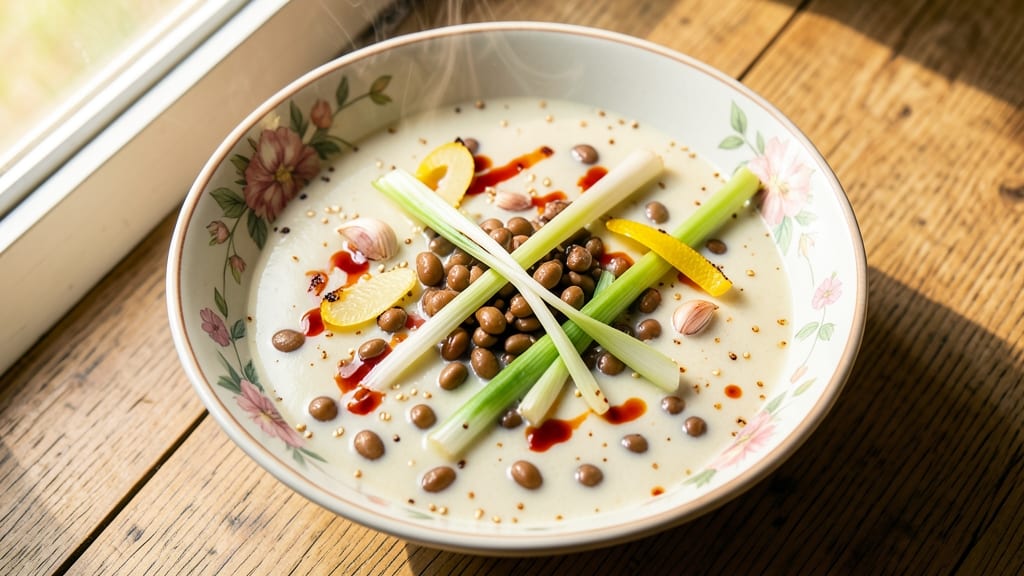
This mung bean soup recipe transforms simple ingredients into a silky, comforting dish that’s perfect for hot days or recovery meals. The key lies in slow-cooking split mung beans until they dissolve into a velvety broth, creating a naturally sweet, plant-based soup that’s both nourishing and light.
I first discovered its magic during a summer heatwave when store-bought broths felt too heavy—this became my go-to solution.
The beauty of mung bean soup is its versatility—traditional versions stay simple with just beans, water, and a touch of salt, while modern adaptations add ginger, garlic, or coconut milk for depth.
What makes it special is how effortlessly it adapts to dietary needs: vegan by nature, gluten-free, and packed with protein. The texture is what truly impresses—smooth yet satisfying, with a gentle sweetness that grows richer as it simmers.
By the end, you’ll have a bowl of golden, aromatic soup that’s gentle on digestion and rich in flavor. The process is straightforward: soak the beans, simmer until creamy, and finish with fresh herbs or a drizzle of chili oil.
This is comfort food at its finest—simple enough for weeknights but elegant enough for guests. Let’s get cooking.
Whether you prefer it sweet with rock sugar or savory with miso, this recipe serves as a blank canvas for customization. Perfect for meal prep or spontaneous lunches, it proves that wholesome eating doesn’t require complicated ingredients—just patience and the right technique. Ready to try it?
Ingredients for mung soup
Simple ingredients create a velvety, plant-based soup perfect for summer or recovery meals.
| Ingredient | Amount | Notes |
|---|---|---|
| Split Mung Beans 🌾 | 1 cup | Unsoaked, rinsed thoroughly |
| Water 💧 | 6 cups | Filtered or spring preferred |
| Fresh Ginger 🧄 | 1 tbsp | Grated, organic preferred |
| Coconut Milk 🥥 | ½ cup | Full-fat, canned preferred |
| Garlic Cloves 🧄 | 3 cloves | Peeled, minced finely |
| Fresh Lemongrass 🌿 | ¼ cup | Bruised, chopped finely |
| Rock Sugar 🍯 | 1 tbsp | Or substitute maple syrup |
| Sea Salt 🧂 | ½ tsp | Fine grain preferred |
| Fresh Lime Juice 🍋 | 2 tbsp | Freshly squeezed |
| Fresh Cilantro 🌿 | ¼ cup | Chopped, for garnish |
| Chili Oil 🌶️ | 1 tbsp | Optional, for serving |
| White Miso Paste 🥫 | 1 tbsp | For umami depth |
The split mung beans are the heart of this soup—look for whole, unbroken beans at Asian markets or bulk bins for the best texture. Costco or Trader Joe's often carry them in cans, but rinsing well removes excess starch. Fresh ginger and lemongrass elevate the flavor; Thai Kitchen or local Asian grocers sell pre-bruised lemongrass stems (just chop them finely). For coconut milk, full-fat canned versions (like Aroy-D or Thai Kitchen) provide creaminess without watering down the broth. Rock sugar adds subtle sweetness—if unavailable, maple syrup or agave works perfectly.
No lemongrass? Lime zest plus extra lime juice mimics its citrusy brightness. Short on ginger? Galangal or extra garlic (up to 4 cloves) delivers similar warmth. The miso paste is optional but adds depth—white miso (like Hodo or Marukome) keeps the soup light. For a sweeter version, increase rock sugar to 2 tbsp or add 1 tsp vanilla extract. Chili oil can be swapped for sriracha or gochujang for heat. Always taste before serving—adjust salt or sweetness as needed.
This soup tastes even better the next day as flavors meld. Store in an airtight container for up to 5 days in the fridge or 3 months frozen. For meal prep, double the batch and freeze in 1-cup portions—just thaw overnight in the fridge. Fresh herbs like cilantro or Thai basil should be added right before serving to preserve their brightness. The broth reduces slightly when reheated, so add a splash of water if it thickens too much.
Why You'll Love This Recipe
- No-Chop Needed: I swear by this—just toss in whole garlic cloves and a thumb-sized ginger chunk. The beans soften while the aromatics infuse, and honestly? That lazy prep is half the charm.
- Creamy-Ginger Magic: The coconut milk turns it velvety, but the real star is the ginger—freshly grated, not powdered. It lingers like a warm hug in every sip, especially when the garlic gets toasty at the end.
- Lunchbox Hero: Between us, this is my go-to for packed lunches. Make a big batch on Sunday, and you’ve got three days of soup that stays thick, flavorful, and still tastes homemade—no reheating drama.
- Pantry Staple Power: Split mung beans are dirt cheap, and they bulk up fast. I’ve fed four people for under $5, and the leftovers? Even better the next day—just add a splash of water and heat. Budget win.
Step-by-step instructions for mung bean soup
Here's how to create a vibrant, aromatic mung bean soup that's light yet deeply flavorful.
Prepare the Mung Beans and Aromatics
Combine the 1 cup split mung beans with the 6 cups water in a medium saucepan. Bring to a boil over high heat, then immediately reduce to medium-low heat. Let the beans simmer uncovered for 15 minutes, stirring occasionally to prevent sticking. You'll notice the water begins to foam and the beans start to soften slightly.
While the beans cook, prepare the aromatics. In a small bowl, combine the 1 tablespoon grated fresh ginger, 3 minced garlic cloves, and 0.25 cup finely chopped fresh lemongrass. Set aside - these will infuse the soup with bright, citrusy depth. I like to bruise the lemongrass stems by gently pounding them with the side of a knife before chopping to release more flavor.
Build the Flavor Base
After 15 minutes, the mung beans should be tender but still hold their shape. Add the ginger-garlic-lemongrass mixture to the soup along with the 1 tablespoon rock sugar and 0.5 teaspoon sea salt. Stir gently to combine. Let the soup simmer uncovered for another 10 minutes, allowing the flavors to meld together. You'll notice the lemongrass releases its citrusy aroma and the ginger softens slightly.
During this time, the beans will continue to soften but won't become mushy. This gentle cooking process is crucial - it develops the soup's complex flavor without breaking down the beans completely. Taste the soup at this stage and adjust the sweetness or saltiness as needed.
Add Coconut Milk and Miso
Once the beans are tender and the aromatics are fully infused, stir in the 0.5 cup coconut milk and 1 tablespoon white miso paste. The miso will dissolve completely, adding a subtle umami depth that balances the bright citrus notes. Let the soup simmer gently for another 5 minutes, stirring occasionally to prevent the coconut milk from separating.
This is where the soup transforms from simple bean broth to something truly special. The coconut milk creates a velvety texture while the miso adds complexity. You'll notice the soup becomes slightly thicker and more aromatic. The beans should now be perfectly tender with a slight bite, neither mushy nor crunchy.
Finish and Serve
Remove the soup from heat and stir in the 2 tablespoons fresh lime juice. This brightens the entire dish, cutting through the richness of the coconut milk. The soup should have a perfect balance of sweet, savory, and tangy flavors. Taste and adjust the seasoning one final time if needed.
Ladle the soup into bowls and garnish each serving with 0.25 cup chopped fresh cilantro and a drizzle of 1 tablespoon chili oil. The chili oil adds a subtle heat that enhances all the other flavors. Serve immediately while the soup is still steaming hot, as the textures and temperatures work together to create the perfect summer bowl.
Pro Tips For Making Mung Soup
- SOAK BEANS 4 HOURS MINIMUM: Split mung beans cook faster than you’d think, but I learned the hard way—skipping the soak leaves them gummy. Toss them in water for at least 4 hours (overnight’s even better), then rinse before cooking. No one wants a soup where the beans fight for texture.
- GINGER: GRATE, DON’T CHOP: I used to slice ginger like I was in a hurry, but grated ginger melts into the soup without chunks. Use about 1 tablespoon of fresh, and let it simmer for 10 minutes first—this pulls out the warmth before the coconut milk takes over. Your nose will thank you.
- DON’T BOIL COCONUT MILK: Adding coconut milk straight to a rolling boil turns it grainy and separates. Instead, stir it in when the soup is at a gentle simmer, and keep the heat low. If it curdles, whisk it like you’re angry at it—this isn’t a science experiment, but it helps.
- GARLIC: BLOOM IT FIRST: Raw garlic in mung soup tastes harsh, even when blended. Sauté 3 minced cloves in oil until fragrant (golden, not brown) before adding water. This softens the bite and lets the flavor sink in. Yes, it’s an extra step, but the difference is noticeable.
Regional styles of this mung soup
Thai-Inspired Version
In Thailand, mung bean soup often takes on a bright, herb-forward profile with additions like galangal, kaffir lime leaves, and Thai bird's eye chilies. I like to substitute the lemongrass with 1 stalk of galangal (bruised and sliced) and add 2-3 kaffir lime leaves while simmering.
For extra heat, stir in 1 tsp of Thai chili paste at the end. Serve with crispy fried shallots on top for texture contrast. 🌶️
Chinese Sweet Bean Soup
The Chinese version leans sweeter and creamier, often using lotus seeds, red dates, and goji berries for texture and sweetness. Replace the coconut milk with ½ cup of lotus paste and add 3-4 red dates (pitted) and 1 tbsp goji berries during the final 5 minutes of simmering.
Top with crushed peanuts for crunch. This version is a staple during Chinese New Year for its auspicious symbolism. 🍯
Vietnamese Mung Bean Congee
In Vietnam, mung beans are often ground into a powder for a smoother, rice-like texture. For this adaptation, blend ½ cup of soaked mung beans with 1 cup water until smooth, then strain through a fine sieve.
Cook this mixture with 3 cups water, adding 1 tbsp fish sauce (or soy sauce for vegan), 1 tsp sugar, and ½ cup shredded chicken or tofu. Garnish with fried shallots and scallions. The result is a silky, savory porridge perfect for breakfast. 🍜
Indian Mung Dal Soup
Indian cuisine transforms mung beans into dal, a spiced lentil soup. For this version, temper 1 tbsp ghee with 1 tsp cumin seeds, 1 dried red chili, and 4 garlic cloves.
Add this to the simmering beans along with ½ tsp turmeric, 1 tsp garam masala, and ½ cup water. Finish with fresh coriander and a squeeze of lemon. This version is warm, aromatic, and deeply comforting—ideal for cooler months. 🌿
Japanese Mung Bean Jelly
Japan takes mung beans to another level with mung bean jelly (mungyo), a sweet, translucent dessert. Cook 1 cup mung beans until mushy, then blend with 4 cups water and strain through cheesecloth for 2 hours.
Add ½ cup sugar and 1 tsp agar powder, then pour into molds. Chill until set. This version is light, refreshing, and perfect for summer desserts. 🍡
Modern Fusion Twist
For a contemporary take, blend ½ cup of cooked mung beans with 1 cup coconut milk and 1 tbsp tahini for creaminess. Add 1 tsp smoked paprika and ½ tsp cumin for depth.
Garnish with avocado slices, microgreens, and a drizzle of chili oil. This vegan, protein-packed bowl is perfect for brunch or light lunches. 💫
Nutrition facts
Frequently asked questions
Why does mung bean soup turn cloudy during cooking?
The natural starch in mung beans releases as they cook, creating a slight cloudiness. This is normal and adds creaminess! For a clearer broth, strain through a fine-mesh sieve after simmering. The texture remains delicious—just less translucent.
Can I make this soup without coconut milk?
Skip the coconut milk and use ½ cup extra water or 1 tbsp cornstarch slurry to thicken. For flavor, add 1 tsp vanilla extract or a pinch of cinnamon. The soup will still be light and nourishing—just less rich.
How do I adjust the sweetness for kids or health-conscious eaters?
Reduce rock sugar to ½ tbsp and add 1 tsp honey or maple syrup at the end. For a naturally sweet version, blend ½ cup cooked mung beans with water, strain, and add the liquid back—it’s subtly sweet from the beans themselves.
What’s the best way to store leftovers?
Cool the soup to room temperature, then transfer to an airtight container. It keeps for 5 days in the fridge or 3 months frozen. Reheat gently on low heat—add a splash of water if it thickens too much. Fresh herbs should be added after reheating.
Can I use whole mung beans instead of split?
Yes, but they require 30-45 minutes longer of simmering to soften fully. Soak them for 1 hour first to reduce cooking time. The texture will be slightly chewier—great for those who prefer heartier beans!