
Soups & Stews
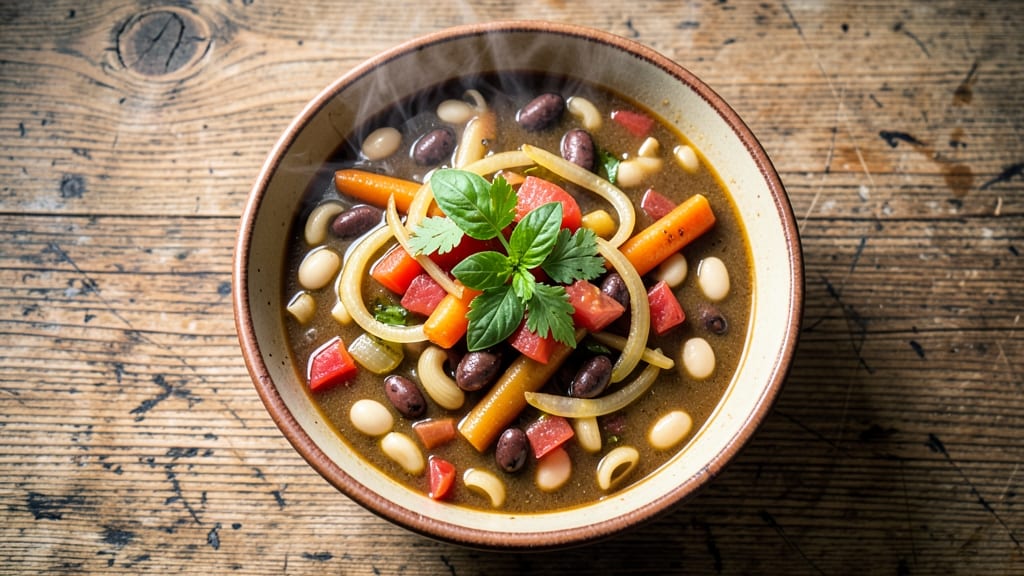
This minestrone soup recipe delivers the hearty, rustic comfort of Italy in every steaming bowl—packed with seasonal vegetables, hearty beans, and al dente pasta.
The beauty of minestrone lies in its flexibility: build it with whatever vegetables you have on hand, from tender carrots to leafy greens, while the aromatic base of garlic, onions, and celery creates the soulful foundation every bowl needs.
I developed this version after years of perfecting the balance between rich broth and vibrant vegetables, ensuring each spoonful delivers both nourishment and flavor without sacrificing simplicity.
The secret to an exceptional minestrone begins with a properly built broth—simmering onions, carrots, and celery until deeply aromatic before adding tomatoes and herbs. This slow infusion creates a base that's rich yet light, allowing the vegetables to shine rather than overpower.
For texture, I add a mix of kidney beans and cannellini, which hold their shape while contributing protein and earthy depth. The pasta—traditionally ditalini—cooks directly in the soup, absorbing all the savory goodness without turning mushy.
What you'll end up with is a vegetable-packed pot of comfort that's hearty enough for a cold evening but light enough for a summer lunch. The soup develops even more flavor as it sits, with each ingredient melding together into a harmonious blend of sweet, savory, and umami notes.
The beans stay tender but hold their shape, the vegetables retain their natural textures, and the broth remains rich yet balanced. This is the kind of soup that warms both body and soul, perfect for feeding a family or prepping ahead for busy weeknights.
Customize it with your favorite seasonal vegetables, add a splash of pasta water to adjust consistency, or top with fresh basil and grated Parmesan for extra brightness.
The recipe scales effortlessly, making it ideal for meal prep or entertaining. Here's how to create this classic Italian comfort dish in your own kitchen.
Ingredients for minastrone soup
Seasonal veggies, hearty beans, and aromatic broth—this Italian classic comes together easily.
| Ingredient | Amount | Notes |
|---|---|---|
| Vegetable Broth 💧 | 6 cups | Homemade or low-sodium store-bought |
| Kidney Beans 🥫 | 1 ½ cups | Canned, drained and rinsed |
| Cannellini Beans 🥫 | 1 ½ cups | Canned, drained and rinsed |
| Ditalini Pasta 🍝 | 1 cup | Uncooked, traditional shape |
| Yellow Onion 🧅 | 1 whole | Diced, medium size |
| Carrots 🥕 | 3 medium | Diced, about 1.5 cups |
| Celery Stalks 🧅 | 3 whole | Diced, about 1 cup |
| Garlic Cloves 🧄 | 4 cloves | Minced, fresh preferred |
| Canned Crushed Tomatoes 🍅 | 1 14.5oz can | San Marzano preferred |
| Zucchini 🥒 | 2 medium | Diced, about 1.5 cups |
| Spinach 🌿 | 4 cups | Fresh or frozen, chopped |
| Extra-Virgin Olive Oil 🫒 | ¼ cup | For sautéing vegetables |
| Dried Oregano 🍃 | 1 tsp | Italian preferred |
| Dried Thyme 🌿 | 1 tsp | Or 1 tbsp fresh |
| Salt 🧂 | 1 ½ tsp | Kosher or sea salt |
| Black Pepper 🌶️ | ½ tsp | Freshly ground |
| Fresh Basil Leaves 🌿 | ¼ cup | Chopped, for garnish |
| Parmesan Cheese 🧀 | ½ cup | Freshly grated |
The vegetable base is where flavor starts. Yellow onions, carrots, and celery (the holy trinity) should be fresh—Trader Joe's or local farmers markets have the best selection. For the beans, cannellini and kidney are traditional, but any white or red bean works. The San Marzano tomatoes make all the difference—skip the regular canned stuff. If you're prepping ahead, chop all your veggies first and store them in airtight containers. The ditalini pasta? Don't overcook it—it finishes in the soup.
No fresh herbs? Dried oregano and thyme work perfectly—just use half the amount. Swap zucchini for green beans or bell peppers if you're feeling adventurous. The spinach can be frozen—thaw and drain it well before adding. For extra richness, stir in a splash of pasta water at the end. The broth can be homemade or store-bought—just check the sodium. Low-sodium or homemade is best. If you're making this ahead, the flavors actually improve overnight.
This soup keeps beautifully. 3-4 days in the fridge or 3 months frozen—portion it into containers for easy reheating. The pasta gets softer when reheated, so it's perfect for meal prep. For serving, I always add a sprinkle of fresh basil and Parmesan—it's that final touch that makes it feel special. Double the batch and freeze half—you'll thank me later.
Why You'll Love This Recipe
- Pantry-Friendly Powerhouse: I swear by this recipe when I’ve got nothing but basics. Yellow onion, dried beans, and vegetable broth—no fancy ingredients needed. The cannellini and kidney beans add protein without extra shopping trips, and ditalini pasta soaks up the flavor like a dream.
- Savory Depth in Minutes: Between us, that simmered onion base builds flavor faster than you’d think. The broth gets rich and warm, while the beans soften just enough to release their earthy sweetness. Honestly, it’s the kind of simple dish that tastes like you spent hours on it—when really, you just let time do the work.
- Meal Prep MVP: This soup begs to be made in bulk. I double the batch on Sundays, and it’s still delicious for lunches all week. The ditalini holds up better than most pasta in leftovers, and the beans keep it hearty. (Yes, even on a Tuesday night.)
- Budget That Feeds: A single pot feeds four for under $8. Kidney and cannellini beans stretch forever, and vegetable broth keeps it cheap without sacrificing taste. Between us, this is my go-to when I need to feed a crowd without breaking the bank—or my willpower to order takeout.
Step-by-step instructions for rustic Italian veggie-packed pot of comfort
This hearty minestrone comes together in one pot—simple steps for maximum flavor and cozy satisfaction.
Sauté the Vegetable Base
Heat the 0.25 cup extra-virgin olive oil in a large Dutch oven or heavy pot over medium heat. Add the diced yellow onion, diced carrots, and diced celery stalks, stirring occasionally for 5-6 minutes until the vegetables soften and the onion becomes translucent. This foundational step builds flavor through caramelization.
Add the 4 minced garlic cloves and cook for another 30 seconds until fragrant—you'll know it's ready when the kitchen smells like fresh garlic. Here's the thing—don't let the garlic burn, or it'll turn bitter. Keep the heat steady and stir constantly during this final minute.
Build the Flavor Foundation
Pour in the 1 14.5oz can crushed tomatoes and stir to combine with the sautéed vegetables. Add the 1 tsp dried oregano, 1 tsp dried thyme, 1.5 tsp salt, and 0.5 tsp black pepper, mixing well. Bring everything to a gentle simmer and let it cook uncovered for 10 minutes—this allows the tomatoes to break down and release their natural sweetness.
While this simmers, add the 1.5 cups drained kidney beans and 1.5 cups drained cannellini beans to the pot. Stir gently to distribute them evenly through the sauce. The beans will absorb some of the liquid, but we'll add more broth shortly to reach our perfect consistency.
Add Vegetables and Simmer
Pour in the 6 cups vegetable broth and add the diced zucchini. Stir everything together and bring to a gentle boil. Once boiling, reduce heat to medium-low and let it simmer uncovered for 15-20 minutes until the zucchini is tender but still holds its shape—you want it to contribute texture, not turn to mush.
Taste the soup at this point. You'll likely need to adjust the seasoning—this is where the magic happens. Add more salt if needed, or a splash of lemon juice if the tomatoes are too acidic. The soup should be flavorful but balanced, with each ingredient contributing to the overall harmony.
Finish with Pasta and Greens
Add the 1 cup uncooked ditalini pasta directly to the pot and stir gently to distribute it evenly. The pasta will cook in the soup's liquid, absorbing all those wonderful flavors. Let it cook for 8-10 minutes, stirring occasionally, until the pasta is al dente—it should have a slight bite to it when you taste test.
In the final 5 minutes of cooking, stir in the 4 cups spinach. The heat will wilt the spinach beautifully, giving the soup its signature green color and earthy flavor. Watch closely—spinach cooks quickly, and you want it to retain some texture rather than turning to sludge.
Serve with Fresh Herbs and Cheese
Remove the pot from heat and stir in the 0.25 cup chopped fresh basil leaves. The basil adds a bright, fresh contrast to the hearty soup. Ladle the minestrone into bowls and top each serving with 1 tablespoon freshly grated parmesan cheese. The cheese adds a salty, umami richness that ties everything together.
Let the soup sit for 5 minutes before serving—this allows the flavors to meld even further. Each spoonful should deliver a perfect balance of creamy beans, tender vegetables, al dente pasta, and fresh herbs. Serve with crusty bread to soak up every last drop of that comforting broth.
Pro Tips For Making Minastrone Soup
- SOAK BEANS OVERNIGHT: I used to toss in dried beans straight from the pantry and wonder why they stayed rock-hard—even after hours. Soak kidney and cannellini beans in water with a pinch of salt for 8+ hours (or at least 2 hours if you’re in a rush). This cuts cooking time by half and keeps them from splitting into mush later.
- SAUTÉ ONIONS LOW AND SLOW: Cranking the heat for onions just makes them bitter and burn faster. Instead, cook them over medium-low for 8-10 minutes until they’re soft and translucent, not browned. This builds flavor without turning your broth into onion-flavored water.
- ADD PASTA LAST MINUTE: Ditalini needs 8-10 minutes to cook, but if you add it too early, it turns to mush in the simmering broth. Wait until the beans are tender and the soup is nearly done, then stir in the pasta and cook for just 2-3 minutes—no more.
- UPGRADE WITH A SPLASH OF WINE: Skip the extra broth and deglaze the pot with ¼ cup dry white wine after sautéing the onions. Let it reduce by half before adding broth—this adds depth without extra effort. (Yes, even if you’re not a wine drinker.)
Regional styles of this recipe
Northern Italian Simplicity
In regions like Lombardy and Piedmont, minestrone is lighter and more broth-forward, focusing on seasonal vegetables like fennel, Swiss chard, and borlotti beans. The broth is often homemade with rosemary and bay leaves, and the pasta is typically small shells or trofie instead of ditalini.
I love using freshly made vegetable broth here—simmer 2 carrots, 2 celery stalks, 1 onion, and 1 leek with 1 sprig rosemary for 30 minutes before adding other ingredients. 🌿
Southern Italian Heartiness
Down in Campania and Sicily, minestrone becomes a richer, more substantial dish with ingredients like eggplant, cannellini beans, and sometimes even small pasta shapes like orzo.
The tomatoes take center stage here—San Marzano canned tomatoes are a must—and the soup is often finished with crispy fried breadcrumbs for texture. For extra depth, add 1 diced red bell pepper with the other vegetables and a pinch of red pepper flakes at the end.
The result is a soup that’s almost like a vegetable stew.
Tuscan Rustic Twist
Tuscan minestrone often includes wilted kale or cavolo nero, along with potatoes and borlotti beans for extra heartiness. The key here is wild garlic or garlic confit—infuse 4 cloves of garlic in 0.25 cup olive oil for 10 minutes before adding to the pot.
This gives the soup a deep, mellow garlic flavor without the sharpness of raw garlic. I also add 1 cup diced potatoes with the zucchini for extra body. Finish with fresh sage leaves instead of basil for a distinctly Tuscan touch. 🌱
Emilian Comfort Version
In Emilia-Romagna, minestrone is often thicker and creamier, thanks to the addition of pancetta or guanciale (cured pork cheek) for non-vegetarians. For a vegetarian twist, use mushrooms and extra beans—2 cups cremini mushrooms sautéed with the onions and celery add a meaty texture.
The pasta is usually small egg noodles, and the soup is finished with grated Parmigiano-Reggiano and a drizzle of balsamic glaze. This version is perfect for cold winters and feels like a warm hug in a bowl.
Coastal Ligurian Lightness
Near the Mediterranean coast, minestrone incorporates seafood elements like clams or mussels (for non-vegetarians) or extra sea vegetables like seaweed flakes for umami depth. The broth is often lighter, with lemon zest and white wine added during simmering.
For a vegetarian take, use 1 cup chopped kale and 1 cup chopped escarole with 1 tablespoon lemon zest at the end. The pasta is usually small trofie or stelline, and the soup is finished with fresh parsley and a squeeze of lemon.
This version is bright, refreshing, and perfect for summer. 🍋
Nutrition facts
Frequently asked questions
What makes this minestrone recipe vegetarian-friendly?
The recipe relies on hearty kidney beans and cannellini beans for protein, while the flavor comes from aromatic vegetables like onions, garlic, and tomatoes. No meat is used, but you can easily add pancetta or mushrooms for a meaty texture if desired. The ditalini pasta and spinach provide additional substance, making it a filling vegetarian dish.
Can I use fresh beans instead of canned?
If using fresh beans, soak them overnight in plenty of water (at least 8 cups per 1 cup dry beans) with a pinch of salt. Drain and rinse before adding to the pot. Fresh beans require 45-60 minutes of simmering to soften properly, so plan accordingly. For best results, use a mix of cannellini and kidney beans for texture.
How do I adjust the soup's thickness?
If the soup is too thin, stir in 1-2 tablespoons of cornstarch mixed with 2 tablespoons cold water and simmer for 2-3 minutes. For a thicker texture, cook the pasta separately and add it at the end. If it's too thick, add ½ cup hot broth at a time until reaching your preferred consistency. Always taste as you go!
Can I make this soup ahead of time?
This soup tastes even better the next day! Store it in an airtight container in the fridge for up to 4 days or freeze for 3 months. When reheating, add ¼ cup broth to prevent drying out. The flavors meld beautifully overnight, making it perfect for meal prep. Just add fresh basil and Parmesan before serving.
What if I don't have ditalini pasta?
No problem! Use small shells, orzo, or even elbow macaroni—just adjust cooking time to 8-10 minutes in the soup. For a gluten-free option, try rice noodles or chickpea pasta. The key is using a shape that holds its own in the broth without turning mushy.