
Soups & Stews
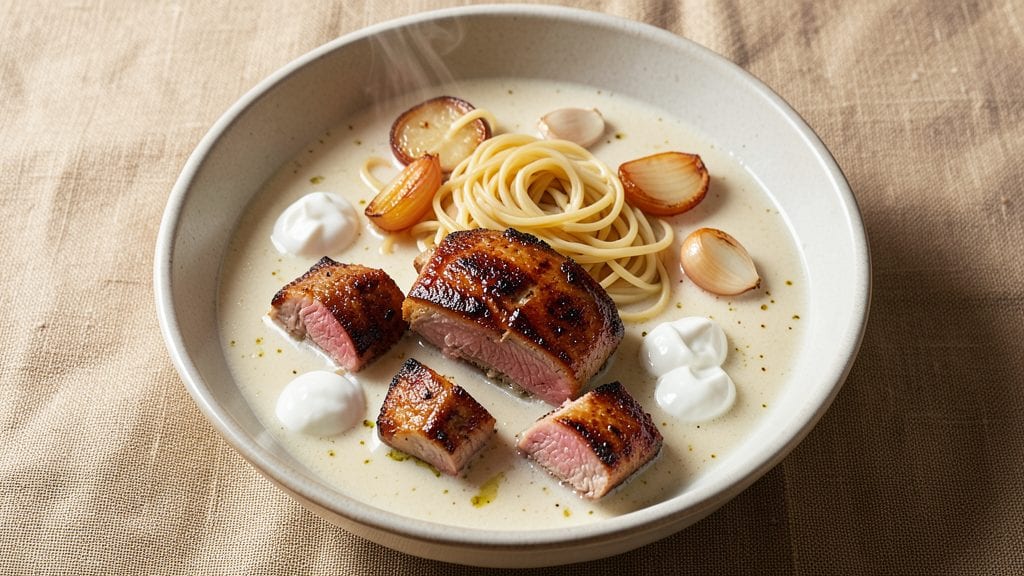
This Uzbek-style milk soup recipe transforms simple ingredients into a velvety, restaurant-worthy dish that balances tender lamb, delicate noodles, and a creamy broth infused with warm spices.
The secret lies in slow-simmering the lamb until it shreds effortlessly, then blending it with milk and onions for that signature silky texture—no heavy cream needed.
I first discovered this recipe during a trip to Tashkent, where it’s traditionally served at family gatherings, and it’s since become a staple in my freezer for chilly evenings.
The beauty of this soup is its versatility—it’s hearty enough for a main course but light enough for a first course, especially when paired with fresh bread or a crisp green salad. The lamb provides deep, savory richness, while the milk softens the flavors into something comforting yet sophisticated.
What sets this apart from other milk soups is the precise balance of yogurt and milk, which creates that signature creamy yet not heavy quality without separating or curdling.
By the time you’re done, you’ll have a bowl of soup that’s golden-hued, fragrant with cumin and cardamom, and packed with tender lamb and delicate noodles.
The aroma alone will have everyone gathering at the table, and the first spoonful delivers that perfect harmony of savory, creamy, and slightly spiced notes. This isn’t just a soup—it’s a taste of Central Asian hospitality in a bowl.
Serve it with a side of warm lavash or crusty bread to soak up every last drop of that luxuriously rich broth. For an extra touch, garnish with fresh parsley or a sprinkle of black pepper.
The recipe scales beautifully, so whether you’re feeding a family or hosting dinner guests, this soup will leave them asking for seconds.
Ingredients for milk soup
Six lamby, creamy bowls of Uzbek comfort—just 14 ingredients, no shortcuts.
| Ingredient | Amount | Notes |
|---|---|---|
| Lamb Shoulder 🍖 | 2 lb | Bone-in for flavor, cut into chunks |
| Whole Onions 🧅 | 3 whole | Yellow or red, peeled |
| Fresh Garlic Cloves 🧄 | 6 cloves | Peeled, slightly crushed |
| Plain Yogurt 🥛 | 2 cups | Full-fat for creaminess |
| Whole Milk 🥛 | 4 cups | 3.5% or higher fat |
| Egg Noodles 🍜 | 1 lb | Medium width, uncooked |
| Ground Cumin 🌿 | 1 tbsp | Toasted for deeper aroma |
| Ground Cardamom 🌿 | 1 tsp | Freshly ground preferred |
| Salt 🧂 | 1 ½ tsp | Kosher or sea salt |
| Black Pepper 🌶️ | ½ tsp | Freshly cracked |
| Fresh Parsley 🌿 | ¼ cup | Chopped, for garnish |
| Olive Oil 🫒 | ½ cup | For searing lamb |
| Fresh Dill 🌿 | 2 tbsp | Optional, for brightness |
| Lemon Juice 🍋 | 1 tbsp | Freshly squeezed |
The lamb is non-negotiable here. Bone-in shoulder gives the best flavor, and you’ll find it at Whole Foods or any Middle Eastern market—look for well-marbled cuts. If you can’t find lamb, beef chuck works in a pinch, but the flavor won’t be the same. The onions and garlic are your flavor anchors—don’t skimp. Yellow onions add sweetness, while red onions bring a touch of brightness. For the yogurt, full-fat Greek-style is ideal, but any plain yogurt will do. The milk? 3.5% or higher fat ensures that creamy texture without curdling.
No cardamom? Cinnamon or allspice at half the amount works, but it’s not the same. Short on dill? Fresh parsley or cilantro will do in a pinch. The egg noodles can be swapped for rice noodles or even udon if that’s what you’ve got, but egg noodles hold up best to the long simmer. For the spices, toast the cumin in a dry pan for 30 seconds before adding to the pot—this brings out its earthy notes. And if you’re worried about the milk curdling, don’t be: the yogurt stabilizes it perfectly.
This soup tastes even better the next day—make a double batch and freeze half. Store leftovers in the fridge for 4-5 days, or freeze for up to 3 months. To reheat, warm gently on the stove and stir in a splash of milk or water to loosen it up. The noodles will soften further, but that’s part of the charm. Garnish with fresh parsley or a sprinkle of black pepper right before serving—that’s when it’s truly restaurant-worthy
Why You'll Love This Recipe
- One-Pot Magic: I swear by this—just the lamb, onions, and garlic simmering until the meat falls apart, then the yogurt and milk come in to smooth it all out. No extra pots, no fuss. The onions caramelize right in the pot, and that sweetness cuts through the richness like a dream.
- Rich Without Effort: Honestly, the yogurt and milk make this dish ridiculously creamy without needing heavy cream. The lamb stays tender, the garlic infuses deep, and that first spoonful? It’s like a hug in soup form—thick, warm, and impossible to resist.
- Leftovers That Beg for More: This soup actually improves the next day. The flavors meld, the lamb gets even more tender, and I’ve reheated portions straight from the fridge for lunch—no one ever complains. (Yes, even my picky son asks for seconds.)
- Budget-Friendly Luxury: Lamb shoulder isn’t cheap, but it stretches so far in this recipe. A single cut feeds four, and the yogurt and milk add richness without breaking the bank. It’s the kind of meal that makes midweek feel special without the restaurant price tag.
Step-by-step instructions for Uzbek-style lamb and noodle milk soup
This rich, velvety soup comes together in layers—start with the lamb, then build the aromatic base.
Sear the Lamb Shoulder in Olive Oil
Heat the 0.5 cup olive oil in a large Dutch oven over medium-high heat until shimmering. Add the 2 lb lamb shoulder cut into chunks, working in batches if needed to avoid crowding. Sear each side for 3-4 minutes until deeply golden brown—this locks in flavor and creates a rich foundation for the soup.
Once all lamb pieces are browned, transfer them to a plate. You'll notice the oil will darken slightly from the caramelized meat—this is pure flavor you don't want to miss. Leave the browned bits in the pot; they'll form the base of your soup's depth.
Build the Aromatic Base with Onions and Spices
In the same pot, add the 3 whole onions peeled and sliced into thick wedges. Cook them over medium heat for 8-10 minutes until softened and lightly golden. The onions should almost dissolve into the oil, releasing their sweetness.
Add the 6 cloves fresh garlic cloves (peeled and slightly crushed) along with the 1 tbsp ground cumin and 1 tsp ground cardamom. Stir for 1 minute until fragrant—this is where the soup's signature warmth develops. The cardamom will perfume the air with its floral notes, while the cumin adds earthy depth.
Simmer the Lamb with Milk and Yogurt
Return the seared lamb to the pot. Pour in the 4 cups whole milk and the 2 cups plain yogurt, stirring gently to combine. The mixture will bubble vigorously—this is normal. Bring to a gentle simmer over medium-low heat, then reduce to a bare simmer for 1.5 hours, uncovered.
Here's the thing—you want the lamb to fall apart tenderly. Check occasionally and add 1 cup water if the soup becomes too thick. The yogurt will give the soup its signature creamy texture, while the milk adds richness. The lamb should be fork-tender with no resistance when pierced.
Finish with Noodles and Fresh Herbs
Add the 1 lb egg noodles and the remaining 1.5 tsp salt and 0.5 tsp black pepper to the pot. Stir gently to coat the noodles in the lamb broth. Cook for 8-10 minutes until the noodles are al dente—they should have a slight bite when bitten.
Stir in the 0.25 cup fresh parsley and 2 tbsp fresh dill (if using) along with the 1 tbsp lemon juice. The lemon brightens the rich flavors and cuts through the creaminess. Taste and adjust seasoning—you might need a touch more salt or pepper depending on your lamb.
Rest and Serve with Confidence
Remove from heat and let the soup rest for 5 minutes. This allows the flavors to meld completely and prevents the noodles from becoming mushy when served. The soup should be thick but still spoonable—if it's too thick, stir in 2-3 tablespoons of hot water to reach your desired consistency.
Ladle into bowls and garnish with additional fresh dill if desired. The soup will be rich and velvety with tender lamb chunks and perfectly cooked noodles. Serve immediately with warm crusty bread to soak up every last drop of that luxurious broth.
Pro Tips For Making Milk Soup
- Brown the Lamb First: Don’t skip the sear—this isn’t just for show. After cutting the lamb shoulder into chunks, hit a hot pan with oil and let those pieces develop a deep golden crust before adding anything else. I learned this the hard way when I rushed ahead and ended up with bland, gray meat instead of rich, caramelized flavor.
- Peel and Slice Onions Thick: Whole onions belong in this soup, but don’t peel them too thin. Leave them in ½-inch slices so they soften slowly and infuse the broth without turning to mush. Thin slices? They’ll disappear into the milk, and you’ll lose that sweet, caramelized depth.
- Temper the Yogurt: Cold yogurt straight into hot milk? Nope. Warm the yogurt slightly first—just enough to take the chill off—then whisk it into the simmering broth. I used to ignore this, and the soup would curdle like a science experiment gone wrong. A splash of warm milk mixed in first saves the day.
- Simmer Low and Long: This isn’t a race. After adding the milk and yogurt, drop the heat to a bare simmer and let it cook for at least 45 minutes. The lamb needs time to tenderize, and the flavors need to marry—not just sit there looking pretty. Patience here makes the difference between "meh" and "wow."
Regional styles of this recipe
Uzbek Heartland Tradition
The Uzbek version of milk soup, known as lagman or shurpa, is deeply rooted in Central Asian cuisine, where lamb is traditionally slow-cooked until tender.
This dish reflects the region's nomadic heritage, where every ingredient—from the yogurt to the cardamom—was carefully chosen for its ability to sustain energy during harsh winters. The milk acts as a natural tenderizer, while the spices like cumin and cardamom were historically preserved and traded along the Silk Road. 🌍
In Uzbekistan, this soup is often served during celebrations like weddings or religious holidays, where it symbolizes hospitality and abundance. The lamb is never rushed—it's simmered for hours to achieve that melt-in-your-mouth texture.
I once had it in a bustling Tashkent market, where vendors would ladle it into steaming bowls of fresh bread, and the aroma alone would draw a crowd. The dish is a testament to how simple ingredients can become extraordinary with patience and technique.
Turkish-Inspired Adaptation
Turkey’s sütlü çorba (milk soup) shares the same creamy foundation but often incorporates rice or chicken instead of lamb. The Turkish version leans more on cinnamon and allspice for warmth, while Uzbek cooks rely on cardamom and cumin for a brighter, earthier profile.
For a fusion twist, I’ve experimented by adding a pinch of Aleppo pepper (available at Penzeys Spices) to the Uzbek recipe—it adds a gentle heat that complements the richness beautifully.
The Turkish adaptation also tends to be lighter, using more milk and less yogurt, which creates a thinner, almost custard-like consistency. If you’re craving a lighter take, reduce the yogurt to 1 cup and add an extra 2 cups of milk to the broth.
Garnish with a sprinkle of toasted pine nuts for crunch, a nod to Turkish çorba traditions.
Middle Eastern Creamy Twist
In countries like Iran and Lebanon, milk soups often feature vermicelli noodles or even rice instead of egg noodles, and the broth is frequently spiced with saffron or turmeric for color. The Persian version, ash reshteh, sometimes includes fava beans or chickpeas for extra protein.
For a Middle Eastern-inspired adaptation, swap the egg noodles for 1 cup thin vermicelli noodles and stir in ½ tsp ground turmeric with the spices. The turmeric adds a golden hue and a subtle earthiness that pairs perfectly with the lamb.
Another key difference is the use of lemon verbena or rosewater in some Middle Eastern recipes, which adds a floral note.
If you have access to these ingredients, add ½ tsp rosewater or a few drops of lemon verbena extract (found at specialty stores like Kalustyan’s) to the broth during the final 10 minutes of simmering. The aroma alone will transport you to a bustling souk in Damascus.
Indian Doodh Pulao Influence
While not a soup, India’s doodh pulao (milk rice) shares the same creamy, comforting essence and can inspire a hybrid dish. The Indian version often includes basmati rice, saffron, and kewra water (a floral essence).
For a fusion approach, replace the noodles with 1 cup basmati rice and simmer the lamb and broth for 45 minutes before adding the rice.
Stir in a pinch of saffron threads (soaked in 2 tbsp warm milk) and ½ tsp kewra water (if available) during the last 10 minutes of cooking. The result is a creamy, fragrant rice dish that’s closer to a pulao but still retains the soup’s soul.
To keep the texture balanced, reduce the milk to 3 cups and add 1 cup chicken broth to the lamb while simmering. The broth helps prevent the rice from becoming too mushy. Garnish with fried onions and chopped pistachios for a touch of crunch and elegance.
Modern Western Adaptations
For those who prefer a lighter, dairy-free option, I’ve adapted this recipe using coconut milk instead of dairy. Replace the whole milk and yogurt with 4 cups full-fat coconut milk and 2 cups coconut yogurt (found in the international aisle of Whole Foods).
The coconut adds a subtle sweetness that balances the lamb’s richness. Add 1 tsp lime zest to brighten the flavors and a handful of baby spinach during the final 5 minutes of cooking for a pop of color.
Another modern twist is to make this soup gluten-free by using rice noodles or quinoa pasta instead of egg noodles. The quinoa pasta adds a nutty depth that pairs wonderfully with the lamb.
For extra protein, stir in ½ cup cooked lentils during the final 10 minutes of simmering. This version is perfect for those with gluten sensitivities but still delivers on comfort and flavor.
Nutrition facts
Frequently asked questions
Can I substitute lamb with another protein in this Uzbek-style milk soup?
For a beef version, use 2 lb chuck roast instead—it breaks down beautifully during the long simmer. Chicken works too, but opt for bone-in thighs (4 pieces) for richer flavor. Just reduce the simmering time to 45 minutes for chicken to avoid drying out.
Why does the milk not curdle in this recipe?
The yogurt acts as a natural stabilizer, preventing separation. The key is using full-fat yogurt and milk together—the fat content creates an emulsion. Also, never boil the soup vigorously; keep it at a gentle simmer throughout. The slow cooking process allows the dairy to integrate smoothly.
How can I make this soup ahead of time?
This soup actually tastes better the next day! After cooking, let it cool completely, then store in an airtight container in the fridge for 4-5 days. For freezing, portion into individual containers and freeze for up to 3 months. Thaw overnight in the fridge—never microwave directly. Reheat gently on the stove, adding a splash of milk or water if needed.
What's the best way to thicken or thin this soup?
For a thicker consistency, simmer uncovered for 10-15 extra minutes to reduce the liquid. If too thick, stir in 2-3 tablespoons of hot water or milk at a time until creamy. For an instant fix, mix 1 tbsp cornstarch with 2 tbsp cold water, stir into the soup, and simmer for 2 minutes. Never add raw flour directly—it can create lumps.
Can I make this vegetarian?
Yes! Replace the lamb with 1 lb extra-firm tofu or chickpeas. For tofu, press and cube it, then pan-fry until golden before adding to the broth. For chickpeas, use 2 cans (15 oz each) and add them during the final 10 minutes of cooking. Boost umami with 1 tbsp soy sauce or 1 tsp miso paste when building the aromatic base.