
Soups & Stews
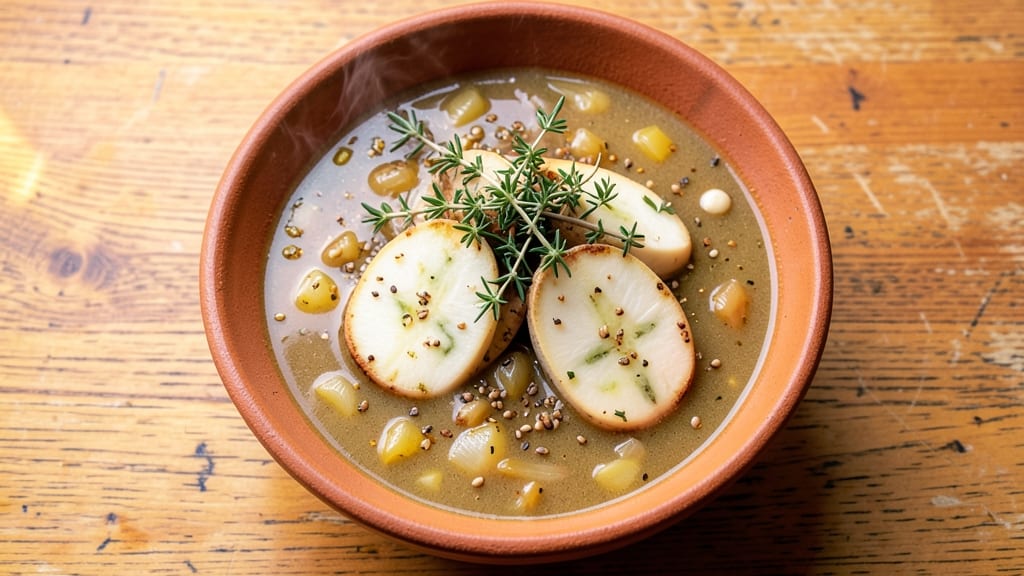
This Caribbean-inspired malanga soup delivers rich, velvety comfort with every spoonful, blending earthy malanga roots and aromatic spices into a dish that feels like a warm embrace. The secret lies in slow-cooking the malanga until tender while building layers of flavor through toasted spices and fresh herbs.
I first discovered this recipe during a Caribbean cooking class, where the instructor emphasized patience—the longer the soup simmers, the deeper the flavor becomes.
The beauty of this recipe is its versatility—it works as a hearty main dish or a satisfying side, depending on how you serve it. With just 10 ingredients and 45 minutes of active prep time (plus simmering), you'll have a restaurant-quality soup without the fuss.
The malanga breaks down into a creamy, slightly sweet texture that pairs perfectly with the smoky cumin and warm cinnamon in the broth.
What you'll end up with is a bowl of soup that's creamy yet light, aromatic with toasted spices, and packed with natural sweetness from the malanga.
The earthy depth of the root vegetable balances beautifully with the bright acidity of lime, creating a harmonious flavor profile that's both comforting and sophisticated. Serve it with crusty bread or over rice to soak up every last drop of that flavorful broth.
This recipe adapts easily to regional preferences—add coconut milk for a Jamaican twist or a splash of rum for extra depth. The instructions will guide you through each step to ensure the malanga cooks just right, avoiding that mushy texture while maximizing flavor.
Let's create this soul-warming soup that tastes like a Caribbean vacation in a bowl.
Ingredients for malanga soup
Ten simple ingredients transform into velvety Caribbean malanga soup with earthy depth and aromatic warmth.
| Ingredient | Amount | Notes |
|---|---|---|
| Malanga Roots 🥔 | 1 ½ lb | Fresh, peeled, cut into chunks |
| Yellow Onion 🧅 | 1 whole | Medium, diced |
| Garlic Cloves 🧄 | 4 cloves | Fresh, minced |
| Ground Cumin 🌿 | 1 tbsp | Toasted for depth |
| Ground Cinnamon 🍃 | ½ tsp | Warm, aromatic |
| Fresh Thyme Leaves 🌿 | ¼ cup | Stems removed |
| Vegetable Broth 💧 | 4 cups | Low-sodium preferred |
| Fresh Lime Juice 🍋 | ¼ cup | Freshly squeezed |
| Extra-Virgin Olive Oil 🫒 | 2 tbsp | High-quality, fruity |
| Salt 🧂 | 1 tsp | Kosher or sea salt |
| Black Pepper 🌶️ | ½ tsp | Freshly ground |
| Fresh Cilantro Leaves 🌿 | ⅛ cup | Chopped, for garnish |
Malanga is the star here—look for firm, unblemished roots at Caribbean markets or specialty grocers like Whole Foods. If you can't find it, dasheen or taro roots work as a substitute (adjust cooking time). The key is to peel and cut it just before cooking to preserve its natural sweetness. For the best flavor, toast the cumin seeds in a dry pan for 30 seconds before grinding them—this enhances their smoky depth. Fresh thyme from the grocery store's produce section adds brightness, but dried works in a pinch (use half the amount).
No fresh lime juice? Bottled lime juice works, but it lacks the bright acidity—worth the squeeze for this dish. Running short on vegetable broth? Chicken broth or even water with bouillon cubes will do, though the flavor won't be as rich. Substituting coconut milk for some of the broth gives a Jamaican-inspired twist, while a splash of dark rum adds depth (use 1 tbsp). The olive oil should be extra-virgin for richness, but any good-quality oil will work. For the cilantro, parsley or basil can stand in if you're out—just adjust the amount to taste.
This soup tastes even better the next day as flavors meld. Store it in an airtight container in the fridge for up to 4 days. For longer storage, freeze portions for 3 months. To reheat, warm gently on the stove with a splash of water or broth to restore creaminess. The malanga will soften further, intensifying its natural sweetness. Garnish with fresh cilantro and lime wedges just before serving to keep the flavors vibrant.
Why You'll Love This Recipe
- One-Pot Magic: I swear by this recipe because it’s that easy—just peel, chop, and simmer. No fancy steps, no extra pots, and the malanga actually gets sweeter as it cooks, so you’re rewarded for your patience.
- Earthy Warmth: That combo of cumin and cinnamon? It’s like a spiced hug in a bowl. The garlic and onions caramelize just enough to add depth, but it’s never overpowering—just rich, comforting flavors that hit the spot.
- Meal Prep Hero: I make a big batch on Sundays and reheat portions all week. The malanga holds up beautifully, and the soup only tastes better the next day—perfect for lazy lunches or when you just don’t feel like cooking.
- Budget Stretch: Malanga’s cheap, filling, and lasts longer than most veggies. A single bag feeds my family for days, and the spices cost pennies. Honestly, it’s one of those recipes where you end up with leftovers you’re happy about.
Step-by-step instructions for malanga soup
Here's how to transform malanga roots into a rich, aromatic Caribbean-inspired soup with balanced earthy and citrus notes.
Sauté Aromatics Until Fragrant
Heat the 2 tablespoons extra-virgin olive oil in a large pot over medium heat. Add the 1 whole yellow onion, diced, and cook for 5 minutes until softened and translucent. Add the 4 cloves garlic cloves, minced, and cook for another 30 seconds until fragrant—this prevents bitter flavors from developing.
Stir in the 1 tablespoon ground cumin and 0.5 teaspoon ground cinnamon, toasting for 30 seconds until the spices release their aroma. Here's the thing—don't rush this step. The spices need time to bloom fully, which builds the soup's complex foundation. If the spices burn, you'll taste bitterness later, so keep the heat at medium and stir constantly.
Cook the Malanga Until Tender
Add the 1.5 pounds malanga roots, cut into chunks, to the pot. Stir to coat the pieces evenly with the spices and oil. Pour in the 4 cups vegetable broth and bring to a gentle boil. Reduce heat to low and simmer, uncovered, for 20-25 minutes until the malanga is fork-tender and easily pierced with a knife.
You'll know it's ready when the chunks break apart slightly at the edges. If the soup reduces too quickly, add a splash of water to maintain the liquid level. Avoid overcrowding the pot—this ensures even cooking and prevents the malanga from absorbing too much liquid before it softens.
Finish with Thyme and Lime
Stir in the 0.25 cup fresh thyme leaves and simmer for 5 minutes to infuse the soup with its herbal depth. Remove the pot from heat and let it cool for 2 minutes. Then, slowly whisk in the 0.25 cup fresh lime juice, starting with half and tasting as you go. This brightens the soup's earthy flavors without overpowering them.
Season with the 1 teaspoon salt and 0.5 teaspoon black pepper, adjusting to taste. The lime juice should cut through the richness of the malanga, creating a perfect balance. If the soup is too thick, thin it with a bit of water or broth to reach your desired consistency. Real talk: the lime juice is non-negotiable—it transforms this dish from ordinary to extraordinary.
Garnish and Serve
Ladle the soup into bowls and top each serving with 0.125 cup chopped fresh cilantro leaves. The cilantro adds a fresh contrast to the warm, spiced malanga. Serve immediately while hot, as the flavors meld best when enjoyed fresh. This soup pairs beautifully with crusty bread or a side of steamed rice to soak up the rich broth.
For extra depth, you can toast the fresh thyme leaves in a dry pan for 30 seconds before adding them to the soup. This enhances their flavor and gives the dish a subtle smoky note. Enjoy the soup while it's warm, as the malanga continues to soften and absorb the broth's flavors over time.
Pro Tips For Making Malanga Soup
- PEEL MALANGA THINLY: I learned this the hard way—thick, uneven peels mean tough, stringy chunks in your soup. Use a sharp knife and slice off just the outer layer, then scrape the rest with a spoon. (Yes, it’s tedious, but your soup will thank you.)
- SOFTEN ONIONS FIRST: Skip the rush and caramelize those onions for 8-10 minutes before adding garlic. The deeper color and sweetness make a real difference—just don’t walk away; they’ll burn faster than you think.
- DON’T OVERSTIR THE CUMIN: After adding ground cumin, give it one quick stir to bloom the spices, then leave it alone. Overmixing releases bitterness and clouds the broth. (I used to ruin batches by stirring like I was stirring a cake batter.)
- USE A LITTLE BUTTER: Toss the peeled malanga cubes in 1 tablespoon of butter before simmering. It keeps them from sticking to the pot and adds a subtle richness that balances the earthy roots. (Your future self will notice the difference.)
Make-ahead tips for leftovers
Prep Ahead Basics
Start by peeling and chopping the 1.5 pounds malanga roots up to 2 days ahead—store them in a sealed container with a damp paper towel to prevent drying. The malanga will soften slightly, but this actually helps it cook more evenly.
I like to prep the yellow onion and garlic cloves at the same time, storing them in separate airtight containers in the fridge. This saves 15 minutes of prep time when you're ready to cook. 💡
Broth Prep Shortcut
Make your 4 cups vegetable broth in advance and store it in the freezer for up to 3 months. I often double the batch and freeze it in 1-cup portions for easy use. For extra depth, add a bay leaf or carrot pieces while simmering the broth.
When using frozen broth, thaw it overnight in the fridge or heat it directly in the pot—no need to defrost first.
Spice Toasting Prep
Toast your 1 tablespoon ground cumin and 0.5 teaspoon cinnamon the night before and store them in a small jar. This step enhances their flavor dramatically—just 30 seconds in a dry pan is all it takes. Keep the toasted spices in an airtight container to preserve their aroma.
I also like to prep the fresh thyme leaves by stripping them from stems and storing them in a sealed bag with a paper towel to maintain freshness.
Slow Cooker Option
For hands-off cooking, transfer all ingredients except the lime juice and cilantro to a 6-quart slow cooker. Cook on low for 4-5 hours or high for 2-3 hours until the malanga is tender.
The slow cooker's gentle heat prevents the malanga from breaking apart too much, keeping the soup's texture creamy. Finish with lime juice and cilantro just before serving, as the acidity can curdle when added too early. ✨
Freezer-Friendly Strategy
Assemble the soup completely (even with lime juice) and let it cool before transferring to freezer-safe containers. Leave 1 inch headspace for expansion, and freeze for up to 3 months.
To reheat, thaw overnight in the fridge, then warm on the stove over low heat with a splash of water or broth. The malanga will soften further, intensifying its natural sweetness—this is actually my favorite way to enjoy it! 🥶
Make-Ahead Garnishes
Prep your cilantro garnish separately and store it in a sealed container with a damp paper towel to keep it fresh. I also like to make a quick lime wedge tray by cutting 4-6 limes into wedges and storing them in a single layer on a tray.
Freeze the wedges for 1 month—they thaw quickly and add a bright pop of color to reheated soup. Just add them right before serving to keep everything vibrant. 🍋
Nutrition facts
Frequently asked questions
What makes malanga different from regular potatoes?
Malanga (also called tannia or yuca) has a nutty, earthy flavor and a slightly sweeter taste than potatoes. Its texture is creamier when cooked, breaking down into a velvety consistency rather than fluffy like mashed potatoes. The skin is tougher, so always peel it before using. This makes it perfect for soups where you want depth without starchiness.
Can I substitute malanga with regular yuca?
Yes, but there's a key difference: yuca (cassava) is toxic raw and must be soaked, peeled, and rinsed thoroughly before cooking. Malanga is safe to eat raw but tastes better cooked. For best results, use dasheen or taro roots as they have similar textures. If using yuca, reduce cooking time by 5-10 minutes since it cooks faster than malanga.
Why does my malanga soup turn out watery?
This usually happens when the malanga breaks down too much during cooking. To fix it, simmer uncovered and stir occasionally to prevent overcooking. If the soup is too thin, let it reduce naturally over low heat for 10-15 minutes or thicken with a cornstarch slurry (1 tbsp cornstarch + 1 tbsp cold water). For extra creaminess, stir in 2 tbsp coconut milk at the end.
How do I store leftover malanga soup?
Store in an airtight container in the fridge for up to 4 days. For longer storage, freeze for 3 months. When reheating, add a splash of water or broth to restore creaminess. The flavors actually improve after 24 hours as the malanga absorbs more broth. Garnish with fresh cilantro and lime before serving to brighten the flavors.
What are some great sides to serve with malanga soup?
This soup pairs beautifully with crusty bread or steamed white rice to soak up the broth. For a complete meal, add grilled shrimp or chicken, or serve with a simple green salad dressed with lime. The earthy flavors also complement fried plantains or warm tortillas for a Caribbean-inspired spread.