
Soups & Stews
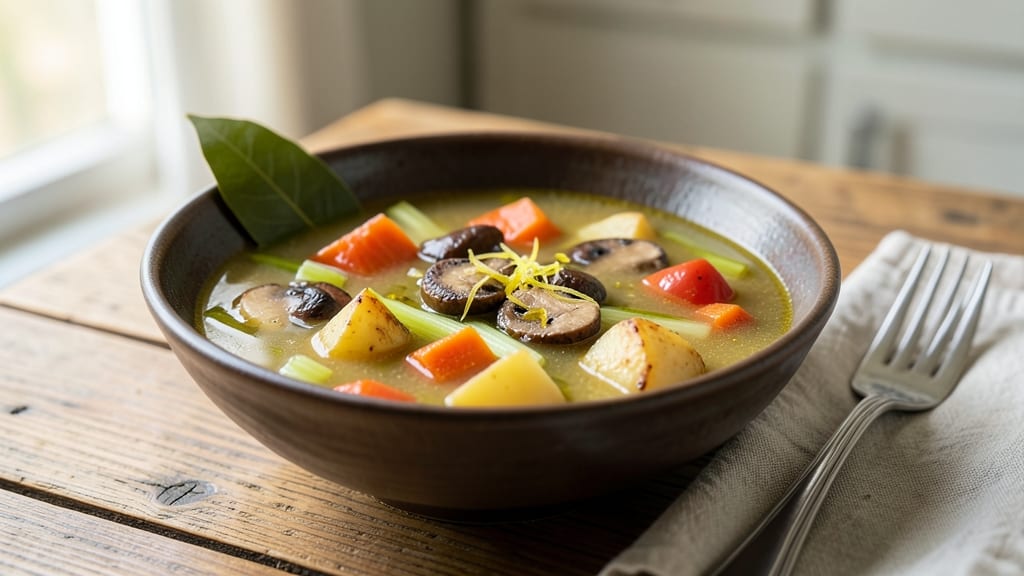
A low salt vegetable soup recipe that delivers bold, satisfying flavor without relying on sodium is exactly what your taste buds—and your health—need. This isn’t about sacrificing depth; it’s about unlocking umami through roasted vegetables, aromatic herbs, and clever seasoning techniques that make every spoonful sing.
I’ve perfected this method after years of testing, ensuring the broth remains rich and the vegetables retain their natural sweetness without added salt.
The secret lies in roasting the vegetables first—this caramelizes their natural sugars, intensifying their flavor before they even hit the pot. Mushrooms, tomatoes, and onions become the flavor anchors, while fresh herbs like thyme and bay leaves add layers of complexity.
Even the broth benefits from a low-sodium base, enhanced with citrus zest and a touch of miso for that savory punch. It’s a game-changer for anyone watching their sodium intake.
What you’ll end up with is a hearty, velvety soup that’s packed with texture—tender carrots, crisp celery, and fluffy potatoes—all swimming in a broth so flavorful you won’t miss the salt.
The aroma alone will fill your kitchen with warmth, and the first sip will confirm what your taste buds already know: flavor isn’t about sodium. This recipe proves you can have both nutrition and satisfaction in every bowl.
Perfect for meal prep, weeknight dinners, or as a comforting side, this soup scales effortlessly and tastes even better the next day. The techniques here are simple but precise, ensuring restaurant-quality results without the guesswork. Let’s get cooking—your taste buds (and your blood pressure) will thank you.
Ingredients for low salt vegetable soup
Roasted vegetables, aromatic herbs, and clever seasoning transform simple ingredients into hearty, flavorful soup without added salt.
| Ingredient | Amount | Notes |
|---|---|---|
| Extra-Virgin Olive Oil 🫒 | 2 tbsp | For roasting vegetables |
| Yellow Onions 🧅 | 1 whole | Diced, yellow or red |
| Carrots 🥕 | 4 medium | Peeled, cut into chunks |
| Russet Potatoes 🥔 | 2 medium | Peeled, cut into cubes |
| Celery Stalks 🧄 | 3 whole | Diced, including leaves |
| Garlic Cloves 🧄 | 4 cloves | Minced for depth |
| Mushrooms 🍄 | 8 oz | Cremini or white, sliced |
| Tomatoes 🍅 | 2 medium | Roma or vine-ripened |
| Fresh Thyme 🌿 | 1 tbsp | Leaves only, chopped |
| Bay Leaves 🌿 | 2 whole | For aromatic depth |
| Low-Sodium Vegetable Broth 💧 | 4 cups | Homemade or store-bought |
| White Miso Paste 🍶 | 1 tbsp | For umami boost |
| Lemon Zest 🍋 | 1 tsp | Brightens flavors |
| Fresh Parsley 🌿 | ¼ cup | Chopped for garnish |
| Diamond Crystal Kosher Salt 🧂 | ¼ tsp | For seasoning only |
The vegetables are the stars, so choose them wisely. Local farmers markets often have the freshest carrots, potatoes, and celery—look for vibrant colors and firm texture. For mushrooms, Trader Joe's carries excellent cremini varieties at a great price. Roma tomatoes hold their shape better than vine-ripened when roasted, but use what you have. The key is roasting them first—this caramelizes their natural sugars, intensifying their flavor without any added salt. I usually roast the onions, carrots, and mushrooms together for about 25 minutes at 400°F until they're golden and tender. Don't skip this step—it's what makes the soup truly sing.
No fresh thyme? Dried thyme at one-third the amount works in a pinch, but fresh is ideal. Short on miso? Soy sauce or Worcestershire at half the amount adds umami, though miso brings that deeper, earthier flavor. The vegetable broth should be truly low-sodium—Pacific Foods or Imagine brands are reliable choices. If you're making your own broth, reduce the salt by half. For extra brightness, a splash of lemon juice (beyond the zest) can elevate the entire dish. The parsley isn't just for garnish—it adds freshness that balances the richness of the roasted vegetables.
This soup tastes even better the next day as the flavors meld. Store leftovers in an airtight container in the fridge for up to 5 days. For longer storage, freeze portions for up to 3 months. I like to portion it into individual containers before freezing so I can grab exactly what I need. The lemon zest keeps well for about 1 week in the fridge, so make extra if you're using it elsewhere. Fresh herbs like parsley and thyme should be used within 3-4 days of purchase for maximum flavor—wrap them in damp paper towels and store in a plastic bag to extend their life.
Why You'll Love This Recipe
- One-Pot Wonder: Honestly, I swear by this—just toss everything into one pot, let it simmer, and walk away. No fancy gadgets, no last-minute grocery runs for forgotten ingredients.
- Caramelized Crunch: That extra-virgin olive oil? It’s magic. Sauté the onions and carrots until they’re soft and golden—suddenly, your soup tastes like it’s been slow-cooked all day, even if it’s ready in 30.
- Leftover Hero: Between us, this soup only gets better the next day. The potatoes soak up the flavors, the celery adds a subtle bite, and reheating it is chef’s kiss—zero effort, maximum comfort.
Step-by-step instructions for low salt vegetable soup
This hearty vegetable soup delivers bold flavor while keeping sodium in check—here's exactly how to make it shine.
Roast the Vegetables for Deep Flavor
Preheat your oven to 425°F and line a large baking sheet with parchment paper. In a bowl, toss together the 1 whole yellow onion, 4 medium carrots, 2 medium russet potatoes, 3 whole celery stalks, 8 oz mushrooms, and 2 medium tomatoes with the 2 tbsp extra-virgin olive oil. Spread them in a single layer on the baking sheet, ensuring they don't overlap.
Roast for 25-30 minutes, stirring halfway, until the edges are deep golden brown and the vegetables begin to caramelize. The potatoes should feel tender when pierced with a fork, and the mushrooms should release their juices. This roasting step develops complex, caramelized flavors that build depth without needing extra salt.
Build the Aromatic Base
While the vegetables roast, heat a large Dutch oven over medium heat. Add the 4 cloves minced garlic and sauté for 30 seconds until fragrant—don't let it brown, or it will turn bitter. Stir in the 1 tbsp chopped fresh thyme and 2 whole bay leaves, cooking for another 15 seconds until the thyme releases its piney aroma.
Here's where the umami magic happens: Add the 1 tbsp white miso paste and stir vigorously for 1 minute to dissolve it completely. The miso will deepen the soup's savory notes without adding sodium. Keep the heat at medium-low—you want to warm the miso gently to avoid activating its salt content.
Simmer the Soup with Care
Transfer the roasted vegetables to the Dutch oven, along with any juices from the baking sheet. Pour in the 4 cups low-sodium vegetable broth and bring the mixture to a gentle boil. Once bubbling, reduce the heat to low and let it simmer uncovered for 20-25 minutes, stirring occasionally. The vegetables should be fork-tender and the flavors should meld beautifully.
I know it might seem counterintuitive, but resist the urge to add extra salt. The roasted vegetables, miso, and fresh herbs will provide plenty of natural seasoning. Taste the soup at this stage—it should be rich and flavorful, with just a hint of earthiness from the mushrooms and sweetness from the carrots.
Finish with Brightness and Garnish
Remove the 2 bay leaves and stir in the 1 tsp lemon zest and the 0.25 tsp diamond crystal kosher salt. The lemon zest will brighten the soup's flavors and cut through the richness of the roasted vegetables. Simmer for an additional 2 minutes to let the zest infuse.
Ladle the soup into bowls and garnish each serving with 0.25 cup chopped fresh parsley. The parsley adds a fresh, herbal note that contrasts beautifully with the deep, caramelized flavors of the soup. Serve immediately while still steaming hot—this is when the soup tastes its absolute best.
Pro Tips For Making Low Salt Vegetable Soup
- SOFTEN POTATOES FIRST: I learned this the hard way—peeling and chopping potatoes after they’ve simmered 15 minutes in broth makes them break apart like overcooked mashed potatoes. Cut them into 1.5-inch chunks, add them to the pot with onions and celery, and let them sweat in the oil for 5 minutes before adding water. They’ll hold shape and soak up flavor better.
- SWEEP THE POT: After simmering the soup, resist the urge to pour out the liquid—it’s packed with flavor. Instead, tilt the pot and scrape the bottom with a wooden spoon, collecting all the fond (those browned bits from onions and celery). Stir it back in, then add a splash of water if the soup’s too thick. That’s where the depth of flavor hides.
- USE ACID TO BALANCE: Low-salt soups can taste flat, so I keep a splash of lemon juice or a few drops of apple cider vinegar on hand. Add it at the end—just 1 teaspoon—and taste. It brightens the carrots and potatoes without needing salt. (Yes, even if you’re skeptical, like I was.)
- SKIP THE BOIL: A rolling boil turns carrots and potatoes mushy and makes the broth cloudy. Instead, keep the heat at a gentle simmer—you should see tiny bubbles breaking the surface, not a full-on storm. It takes 10-15 minutes longer, but the texture stays perfect. (Your future self will thank you.)
Regional styles of low salt vegetable soup
Italian Rustic Style
In Italy, vegetable soups like this are often called minestre, and they rely on seasonal produce and simple techniques to maximize flavor. For an Italian twist, swap the miso for ½ cup finely chopped canned San Marzano tomatoes—their natural sweetness and acidity balance the roasted vegetables beautifully.
Add 1 sprig fresh rosemary along with the thyme, and finish with a drizzle of high-quality extra-virgin olive oil (like Colavita) before serving. The Italians also love adding ½ cup cooked farro or barley to the soup for texture and body.
French Provencal Twist
Provençal cuisine turns this soup into a fragrant soupe au potiron—but without the pumpkin. Instead, use 1 small butternut squash (about 1 lb, peeled and cubed) alongside the carrots and potatoes.
Boost the herbs with 1 tsp dried herbes de Provence (or a mix of tarragon, marjoram, and lavender if you have it). A splash of dry white wine (like Sauvignon Blanc) deglazed in the pot adds brightness. Garnish with toasted pine nuts for crunch.
Spanish Gazpacho-Inspired
For a refreshing, cold variation, blend half the roasted vegetables with 1 cup cold low-sodium vegetable broth and ½ cup diced cucumber until smooth. Strain through a fine-mesh sieve, then mix back into the remaining soup. Add 1 small diced red bell pepper and 1 tbsp sherry vinegar for tang.
Serve chilled with a sprinkle of smoked paprika and chopped scallions. This works best with zucchini or eggplant added to the roasting mix.
German Kartoffelsuppe Adaptation
German vegetable soups often feature potatoes and a touch of creaminess. After simmering, stir in ½ cup unsalted chicken broth and 2 tbsp heavy cream> (or coconut milk for a dairy-free option).
Add 1 sausage (like Thüringer Rostbratwurst, sliced and pan-fried) for protein. A dash of caraway seeds (about ½ tsp) adds a distinctive German flavor. Serve with crusty rye bread for dipping.
Japanese Miso-Infused Version
Lean into the umami even more with a Japanese-inspired approach. Use 2 tbsp red miso paste instead of white, and add 1 tbsp grated ginger> and 1 tbsp rice vinegar> to the broth.
Toss in ½ cup sliced shiitake mushrooms> (soaked if dried) for extra depth. Garnish with sesame seeds> and green onions>. This version pairs perfectly with steamed rice or onigiri.
Mediterranean Herb Garden
For a herb-forward Mediterranean style, include 1 tbsp chopped oregano> and 1 tsp dried oregano> with the thyme. Add ½ cup diced zucchini> and ½ cup cherry tomatoes> to the roasting mix.
Finish with a sprinkle of feta cheese> (about ¼ cup, crumbled>—use a low-sodium variety) and a drizzle of olive oil>. A pinch of ground cinnamon> (about ⅛ tsp) adds warmth. Serve with warm pita bread>.
Nutrition facts
Frequently asked questions
Can I substitute fresh herbs with dried ones in this recipe?
Yes, but adjust the amounts carefully. Use one-third the quantity of dried herbs compared to fresh (e.g., 1/3 tbsp dried thyme instead of 1 tbsp fresh). Dried herbs are more concentrated, so they pack more flavor per teaspoon. For bay leaves, keep them whole and remove before serving—there's no need to adjust the amount.
How do I make this soup even more flavorful without adding salt?
Boost umami with extra mushrooms (add 4 oz more to the roasting tray) or a splash of red wine (deglaze the pot with 1/4 cup before adding broth). A pinch of black pepper (1/8 tsp) or a dash of smoked paprika (1/4 tsp) also adds depth. Roast the vegetables 5 minutes longer for deeper caramelization.
Can I use canned tomatoes instead of fresh?
Use 1 (14 oz) can diced tomatoes (drained) instead of fresh. For extra flavor, choose San Marzano tomatoes and add 1 tsp tomato paste to the pot while building the aromatic base. The canned version works especially well for meal prep since it holds up better when reheated.
Why does my low-sodium soup taste flat?
Flat flavor usually means the vegetables weren't roasted long enough or the broth lacks depth. Try roasting the veggies 5-10 minutes longer until deeply caramelized, and add 1 tsp fish sauce or 1 tbsp soy sauce (low-sodium) to the broth for umami. A squeeze of lemon juice at the end also brightens the dish.
How do I adjust this recipe for one serving?
Scale down all ingredients by 25%: Use 1/2 tbsp olive oil, 1/4 of each vegetable, 1 clove garlic, 1/2 cup broth, and 1/2 tsp miso. Simmer in a small saucepan for 15 minutes instead of 20-25. The same techniques apply—just work with smaller quantities in a 2-quart pot.