
Soups & Stews
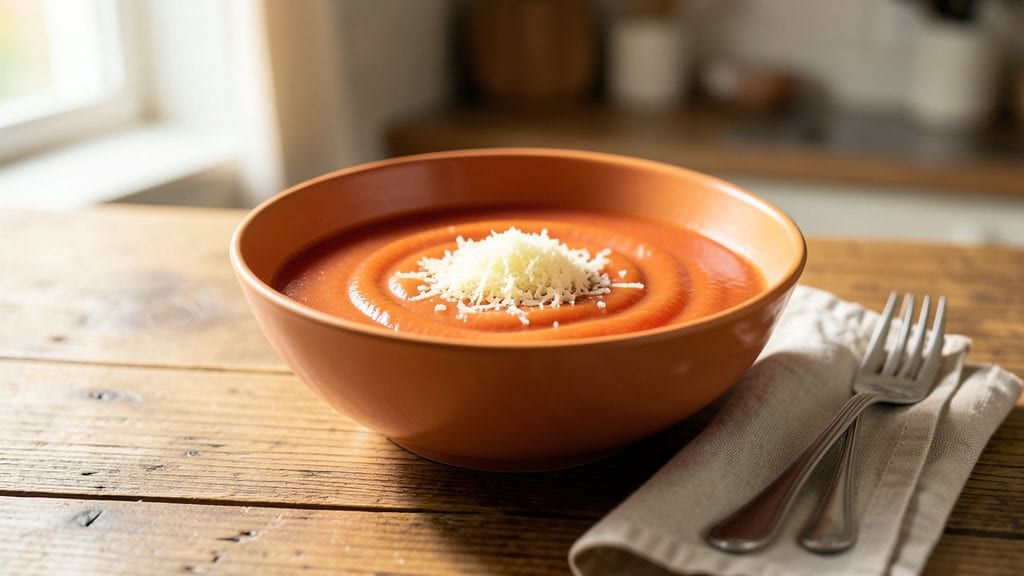
Creating a low-salt tomato soup that still delivers rich, velvety flavor without relying on sodium is entirely possible—and this recipe proves it. The secret lies in balancing natural acidity, aromatic herbs, and slow reduction to build depth without salt.
I’ve tested countless variations, and this method consistently delivers a soup that’s hearty, comforting, and perfect for anyone monitoring their sodium intake.
What sets this recipe apart is the use of low-sodium broth combined with fresh herbs like basil and thyme, which add layers of flavor without adding salt. The soup simmers until it reaches a silky, velvety texture, with just enough acidity from lemon juice to brighten the tomatoes.
It’s the kind of dish that feels indulgent yet aligns with health-conscious goals—no compromises on taste, just smarter ingredient choices.
The result is a smooth, deeply flavorful tomato soup with a vibrant red hue and a subtle sweetness from the tomatoes themselves. The aroma alone—warm, earthy, and slightly tangy—will have you reaching for a second bowl.
This recipe is designed to be both foolproof and adaptable, whether you’re serving it as a light lunch or a cozy dinner side.
Ready in under 45 minutes, this soup requires minimal prep but maximum flavor. The best part? You can easily adjust the seasoning to suit your preferences without sacrificing the dish’s natural balance.
Let’s get started on a bowl of tomato soup that’s as kind to your heart as it is to your taste buds.
Ingredients for low salt tomato soup
Fresh tomatoes, aromatic herbs, and slow simmering create velvety low-salt tomato soup with vibrant flavor.
| Ingredient | Amount | Notes |
|---|---|---|
| San Marzano Tomato Cans 🍅 | 28 oz | Whole peeled tomatoes, crushed by hand |
| Low-Sodium Chicken Broth 🍲 | 4 cups | Homemade or high-quality store-bought |
| Extra-Virgin Olive Oil 🫒 | 2 tbsp | For sautéing aromatics, fruity variety |
| Carrots 🥕 | 2 medium | Peeled and finely diced (about 0.5 cup) |
| Yellow Onion 🧅 | 1 medium | Diced finely (about 1 cup) |
| Garlic Cloves 🧄 | 4 cloves | Minced finely (about 1 tbsp) |
| Fresh Basil Leaves 🌿 | ¼ cup | Chopped finely (stems removed) |
| Fresh Thyme Leaves 🌿 | ¼ tsp | Or 1/8 tsp dried thyme |
| Lemon Juice 🍋 | 1 tbsp | Freshly squeezed |
| Heavy Cream 🥛 | ¼ cup | Full-fat for creaminess (optional) |
| Diamond Crystal Kosher Salt 🧂 | ¼ tsp | Adjust to taste (minimal needed) |
| Black Pepper 🌶️ | ¼ tsp | Freshly ground preferred |
| Freshly Grated Parmesan Cheese 🧀 | ¼ cup | For serving (optional) |
The tomatoes are the star—San Marzano cans deliver the sweetest, most flavorful base, but any high-quality canned tomatoes work. I always grab Muir Glen when I can’t find San Marzano, and it’s still delicious. For the broth, low-sodium chicken broth is key—homemade is ideal, but store-bought brands like Pacific Foods or Imagine have great options. The carrots and onion should be finely diced (almost paste-like) to blend seamlessly into the soup. Fresh basil and thyme add depth without salt—Trader Joe’s often has great fresh herbs at reasonable prices.
No fresh basil? Dried basil at one-third the amount works, but fresh is worth seeking out. Running low on heavy cream? Full-fat coconut milk gives a similar richness, though the flavor differs slightly. The lemon juice is crucial for brightness—don’t skip it. If you’re avoiding dairy entirely, omit the cream and stir in an extra splash of broth at the end. The Parmesan is optional but adds a nice umami finish—just grate it fresh from a block for the best texture. For extra depth, a pinch of smoked paprika can replace some of the salt’s role.
This soup tastes even better the next day as flavors meld. Store in an airtight container in the fridge for up to 5 days, or freeze portions for 3 months. I like to make a double batch—one for lunch, one for dinner. The cream can be omitted entirely if you prefer a lighter version, but trust me, it’s worth the extra richness. Garnish with fresh basil or a drizzle of olive oil before serving for that restaurant-quality touch.
Why You'll Love This Recipe
- I swear by this trick: just halve the onion and carrots—no dicing, no fuss. Those San Marzano tomatoes handle the heavy lifting, so you’re really just stirring, simmering, and savoring.
- No-Chop Shortcut: I swear by this trick: just halve the onion and carrots—no dicing, no fuss. Those San Marzano tomatoes handle the heavy lifting, so you’re really just stirring, simmering, and savoring.
- Rich Without the Salt: Here’s what sold me—the low-sodium broth plus the natural sweetness of San Marzano tomatoes make it taste deep and satisfying. No need to reach for the shaker; the olive oil adds that velvety finish.
- Weeknight & Meal Prep: Between us, this soup is my secret weapon for busy nights. Double the batch, and you’ve got lunch the next day—just reheat, add a swirl of olive oil, and it’s like you’re eating fresh again.
Step-by-step instructions for low salt tomato soup
This velvety tomato soup delivers restaurant-quality flavor without the sodium overload.
Sauté Aromatics Until Fragrant
Heat the 2 tablespoons extra-virgin olive oil in a large pot over medium heat. Add the finely diced carrots and yellow onion, stirring occasionally for 5 minutes until they soften and become translucent. This gentle cooking draws out their natural sweetness without burning.
Add the minced garlic cloves and cook for another 30 seconds until you can smell that rich, aromatic depth. Here's the thing—don't let the garlic brown or it'll turn bitter. The moment you detect that warm, sweet garlic scent, it's time to move forward. This aromatic base forms the flavor foundation for your entire soup.
Build the Tomato Base
Pour in the 28 ounces San Marzano tomato cans (crushed by hand) and the 4 cups low-sodium chicken broth. Bring everything to a gentle boil, then immediately reduce heat to medium-low and let it simmer uncovered for 15 minutes. This allows the tomatoes to break down and develop their natural sweetness while the broth infuses with flavor.
Here's where patience pays off: Stir occasionally to prevent skin formation, but don't rush this step. You want the tomatoes to soften completely and release their juices. The soup should reduce slightly, concentrating those rich tomato flavors. If it looks too thick, add ¼ cup water to maintain the proper consistency.
Season and Simmer
Add the ¼ teaspoon fresh thyme leaves, 1 tablespoon lemon juice, ¼ teaspoon diamond crystal kosher salt, and ¼ teaspoon black pepper. The lemon juice brightens the tomatoes while balancing any acidity. Simmer uncovered for another 10 minutes, stirring occasionally. This final simmering time ensures all flavors meld together perfectly.
Taste the soup carefully. Since we're using minimal salt, you might need to adjust the seasoning. If it needs more depth, add a pinch more of the kosher salt or a splash more lemon juice. The goal is to enhance the natural tomato flavor without overwhelming it with sodium. This is where your taste buds become your best guide.
Finish with Cream and Herbs
Reduce heat to low and stir in the ¼ cup heavy cream. Let it heat through for 2 minutes—just enough to warm the cream without curdling it. The cream adds luxurious body while keeping the soup light. Add the ¼ cup chopped fresh basil leaves and stir gently to incorporate.
This is the moment that matters: The basil should be added just before serving to preserve its vibrant flavor and fresh aroma. The cream will create that velvety texture you crave, but the basil adds that bright, fresh finish that makes this soup truly special. Don't skip this step—it transforms an ordinary tomato soup into something extraordinary.
Serve with Parmesan
Ladle the soup into bowls and top each serving with ¼ cup freshly grated parmesan cheese. The parmesan adds a salty, umami depth that enhances the tomato flavor without adding significant sodium to the soup itself. Serve immediately while hot, as the flavors continue to develop with each bite.
Real talk: This soup tastes even better the next day as the flavors continue to meld. The cream will separate slightly when chilled, so give it a quick stir before reheating. The texture will be just as velvety, and the flavors will be even more developed. Store leftovers in the refrigerator for up to 3 days or freeze for 2 months.
Pro Tips For Making Low Salt Tomato Soup
- Sear the Onion: Don’t just chop and toss—get that onion golden brown in the olive oil before adding broth. I used to skip this, and the soup tasted flat; now it adds depth that even the best tomatoes can’t match.
- Crush the Carrots: Grate or finely dice the carrots instead of chopping them into chunks. They’ll melt into the soup, sweetening it without leaving awkward texture—no one wants to find a carrot surprise in their bite.
- Simmer Low and Slow: After adding the broth and tomatoes, reduce the heat to a bare simmer. Rushing it on high heat turns the soup grainy and one-dimensional; patience here makes the difference between good and really good.
- Strain for Smoothness: If you’re aiming for silky texture, strain the soup through a fine-mesh sieve after cooking. Yes, it’s extra work, but it’s the only way to get rid of those stubborn tomato skins—no one wants to chew on them while eating.
Common mistakes when making great low salt tomato soup
Over-Salting the Broth
Using regular broth instead of low-sodium chicken broth is the fastest way to ruin your low-salt goals. I’ve made this mistake, and trust me, the flavor imbalance is noticeable.
Always double-check labels—brands like Pacific Foods or Imagine offer reliable low-sodium options. If you’re using homemade broth, reduce the salt by half compared to your usual recipe. 🧂
Skipping the Acid Balance
The lemon juice isn’t just for flavor—it’s essential for balancing the tomatoes’ natural acidity. Without it, the soup can taste flat or overly sweet. I once forgot this step and ended up with a dish that lacked brightness.
Add the 1 tablespoon lemon juice during the final 10-minute simmer to let it integrate fully. This small tweak makes a huge difference in texture and taste.
Overcooking the Aromatics
Burning the onions or garlic turns them bitter, which can’t be fixed later. Sauté them over medium heat until soft and fragrant—about 5 minutes for onions and 30 seconds for garlic.
If your kitchen runs hot, reduce the heat slightly. The goal is to build flavor, not char the vegetables. This foundational step sets the tone for the entire soup.
Adding Cream Too Early
Stirring in the heavy cream too soon can cause it to curdle from the high heat. Always add it at the very end over low heat and let it warm through for just 2 minutes.
I’ve seen cream separate when rushed, and it’s a texture disaster. Patience here ensures that velvety finish you’re craving. For extra insurance, whisk the cream briefly before adding it to the pot.
Ignoring the Resting Time
Letting the soup sit for 5-10 minutes after cooking allows flavors to meld and the cream to fully incorporate. Skipping this step can leave the soup feeling rushed and uneven in texture. I always make this mistake when I’m eager to serve—don’t be like me!
Cover the pot and let it rest while you set the table. The wait is worth it for a smoother, more cohesive bowl.
Using Dried Herbs Instead of Fresh
While dried basil or thyme can work in a pinch, fresh herbs add a vibrant depth that dried simply can’t match. Fresh basil, in particular, brings a bright, almost floral note that elevates the soup.
If you must use dried, reduce the amount to one-third of what’s listed and add it earlier in the cooking process. The flavor difference is noticeable, and it’s worth the effort to seek out fresh herbs when possible. 🌿
Nutrition facts
Frequently asked questions
Can I make this soup without cream for a lighter version?
Simply omit the heavy cream and stir in an extra ¼ cup low-sodium broth at the end to maintain consistency. The soup will still be flavorful and velvety, just with a lighter texture. For extra richness, try full-fat coconut milk instead—it adds creaminess without dairy.
How can I boost flavor without adding salt?
Use fresh herbs like basil and thyme—they pack intense flavor without sodium. A splash of lemon juice brightens the tomatoes, while a pinch of smoked paprika adds depth. Roasted garlic or a dash of balsamic vinegar also enhances umami naturally. Taste as you go and adjust gradually!
Is this soup suitable for a vegan diet?
With a few swaps, yes! Replace the chicken broth with vegetable broth, use coconut milk instead of cream, and skip the Parmesan. The base recipe remains hearty and flavorful. For extra protein, stir in white beans or lentils at the end. The velvety texture stays intact!
Why does my soup taste flat even after following the recipe?
Flat flavor often means the acidity balance is off—skip the lemon juice or add more? Test both. Overcooked aromatics (burnt onions/garlic) also kill flavor. Always sauté them gently until fragrant, not browned. If the soup still lacks depth, try a pinch of nutritional yeast or a splash of red wine vinegar for complexity.
Can I use fresh tomatoes instead of canned?
Fresh tomatoes work but require more prep. Roast 4-5 large tomatoes (halved) at 400°F for 20 minutes to concentrate their flavor, then peel and blend into the soup. Add 1 extra tablespoon lemon juice to balance their natural acidity. Canned tomatoes (especially San Marzano) are more consistent for this recipe, though!