
Soups & Stews
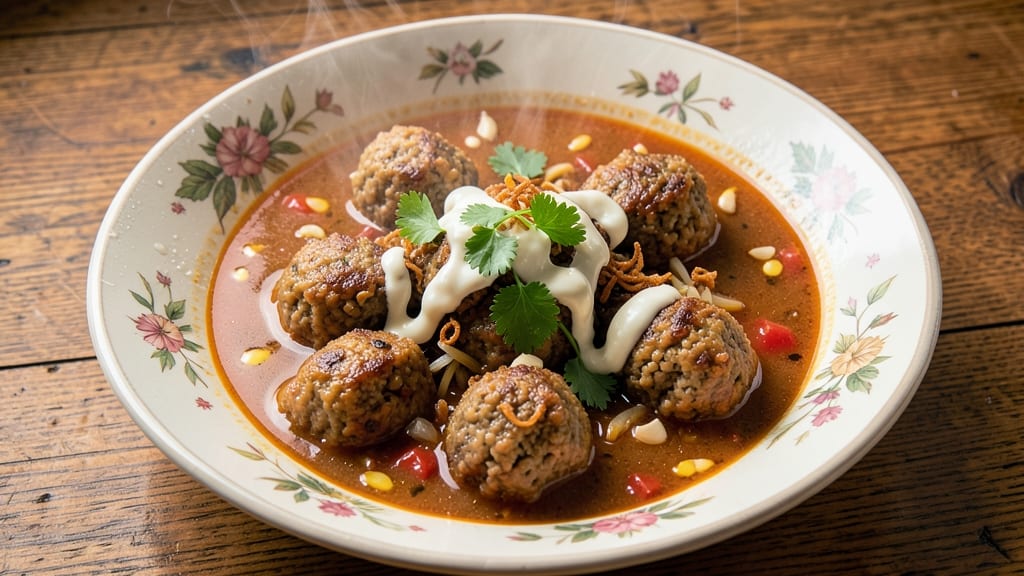
This Kubbeh soup recipe brings the heart of Lebanese cuisine to your kitchen with its signature lamb and bulgur parcels simmered in rich, aromatic broth. The key lies in the delicate balance of spices and the art of shaping the kubbeh—small, flavorful bundles that dissolve into velvety perfection.
After years of perfecting the technique, I’ve simplified the process without sacrificing authenticity, ensuring every bite delivers that comforting, homey taste of the Levant.
The beauty of kubbeh lies in its layers: tender lamb and bulgur wrapped in a thin dough, slow-cooked until the broth becomes a fragrant, velvety embrace. This recipe includes the traditional lamb version but also offers a vegetarian adaptation using bulgur for those who prefer plant-based options.
The broth, infused with garlic, cumin, and allspice, forms the soul of the dish, while the kubbeh themselves become melt-in-your-mouth morsels of spiced goodness.
What you’ll achieve is a soup that’s both hearty and delicate—a perfect balance of textures and flavors that makes it ideal for family gatherings or cozy weeknight dinners. The kubbeh parcels release their filling into the broth, creating a dish that’s rich yet light, savory yet subtly sweet.
Served with a dollop of yogurt or a sprinkle of fresh herbs, it’s a meal that feels like a warm hug in a bowl.
Whether you’re preparing the classic lamb version or exploring the vegetarian adaptation, this recipe stays true to its roots while offering flexibility for modern tastes. Let’s dive into the steps that will bring this Lebanese classic to life in your kitchen.
Ingredients for kubbeh soup
Lamb, bulgur, and aromatic spices transform into melt-in-your-mouth kubbeh parcels simmered in velvety broth.
| Ingredient | Amount | Notes |
|---|---|---|
| Ground Lamb 🐑 | 1 ½ lb | 80% lean, finely ground |
| Fine Bulgur Wheat 🌾 | 1 cup | Not instant, toasted preferred |
| All-Purpose Flour 🌾 | 1 cup | For kubbeh wrappers |
| Water 💧 | 1 ½ cups | For dough hydration |
| Yellow Onion 🧅 | 2 whole | Finely chopped, ~1 cup |
| Garlic Cloves 🧄 | 6 cloves | Minced, for broth |
| Ground Cumin 🌿 | 1 tbsp | Toasted for depth |
| Allspice 🌶️ | ½ tsp | Whole or ground |
| Ground Coriander 🌿 | 1 tsp | Freshly ground preferred |
| Salt 🧂 | 1 ½ tsp | Kosher or sea salt |
| Black Pepper 🌶️ | ½ tsp | Freshly ground |
| Plain Yogurt 🥛 | 1 cup | Full-fat for serving |
| Fresh Parsley 🌿 | ¼ cup | Chopped, for garnish |
| Chicken or Lamb Broth 🍲 | 6 cups | Homemade or quality store-bought |
| Extra-Virgin Olive Oil 🫒 | ¼ cup | For dough and finishing |
The lamb is non-negotiable for authentic flavor, but ground beef or turkey works in a pinch. Middle Eastern markets have the best ground lamb—look for 80% lean, finely ground. Bulgur needs toasting: dry-toast in a pan for 5 minutes until golden. For the dough, all-purpose flour works, but semolina gives a nicer texture. The onion and garlic should be minced so fine they practically dissolve—they're the broth's soul. Penzeys or bulk bins are great for spices, but even the grocery store stuff works if it's fresh.
No lamb? Bulgur-only kubbeh makes a great vegetarian version—just skip the meat. The broth can be beef or vegetable, but homemade is always better. Fresh parsley is ideal, but dried works at half the amount. For extra richness, add 1 tbsp tomato paste to the broth. The yogurt should be full-fat—it balances the richness. If you can't find allspice, 1/4 tsp cinnamon plus 1/4 tsp cloves mimics it. Toast your spices before using—5 minutes in a dry pan makes all the difference.
Kubbeh dough keeps 2 days wrapped in plastic in the fridge. The broth freezes beautifully—make extra for another meal. To reheat, warm gently on the stove. The parsley wilts fast, so add it last. This soup tastes even better the next day as flavors meld. 3 months in the freezer for broth, 1 month for assembled soup. Portion into containers for easy lunches.
Why You'll Love This Recipe
- No Fuss, No Mess: I swear by this recipe because it’s the kind of meal where the hardest part is boiling water. Just mix the bulgur and flour with cold water, shape the lamb mixture into little balls—no rolling pin required—and drop them in. The soup does all the work while you sip tea.
- Umami Bomb: That crispy, golden crust on the outside? Pure magic. The bulgur soaks up the lamb’s richness while the onion adds this deep, caramelized sweetness—like a hug in a bowl. Honestly, I’ve made it with just onions and water, and it still tastes like a restaurant dish.
- Budget Meal, Big Impact: Ground lamb stretches so far with bulgur and flour, and onions are basically free. For the cost of one fancy dinner, you’ve fed four people a meal that tastes like you slaved over it. (Between us, my wallet thanks me every time.)
Step-by-step instructions for kubbeh soup
Here's how to create this comforting Lebanese classic with tender lamb-filled dumplings in rich broth.
Prepare the Kubbeh Dough
In a large bowl, combine the 1 cup fine bulgur wheat and 1.5 cups water. Let it soak for 20 minutes until the bulgur absorbs the water and becomes soft. This step is crucial—don't skip it, as the bulgur needs time to hydrate properly for the perfect texture.
While the bulgur soaks, mix the 1 cup all-purpose flour, 1.5 teaspoons salt, 0.5 teaspoon black pepper, 1 tablespoon ground cumin, 0.5 teaspoon allspice, and 1 teaspoon ground coriander in a separate bowl. The spices should be evenly distributed throughout the flour mixture. This dry blend will form the base of your kubbeh wrappers.
Form the Kubbeh Dumplings
Once the bulgur has soaked, drain any excess water and transfer it to the bowl with the flour mixture. Add the 0.25 cup extra-virgin olive oil and mix everything together until you have a smooth, pliable dough. If it feels too dry, add a splash of water; if too sticky, add a bit more flour. The dough should hold together when pressed but not stick to your fingers.
Divide the dough into 18 equal portions (about 1 ounce each). Roll each portion into a thin circle about 3 inches in diameter. You'll want these to be as even as possible for consistent cooking. Keep them covered with a damp towel while you prepare the filling.
Prepare the Filling
In a large skillet, heat 1 tablespoon of the extra-virgin olive oil over medium heat. Add the 2 whole yellow onions that have been finely chopped and cook for 5-6 minutes until they become translucent and slightly caramelized. This step develops deep onion flavor that will infuse your filling.
Add the 1.5 pounds ground lamb to the skillet and cook until it loses its raw color, breaking it apart with a wooden spoon. Stir in the 6 cloves minced garlic and continue cooking for 2-3 minutes until the lamb is fully cooked through. You should see the meat change from pink to a rich brown color. Remove from heat and let cool slightly.
Assemble and Cook the Kubbeh
Place about 1 tablespoon of the lamb mixture in the center of each rolled-out dough circle. Fold the dough over the filling to form half-moon shapes, sealing the edges tightly by pinching them together. You'll want to ensure no filling escapes during cooking—this is where the authentic kubbeh texture comes from.
Bring 6 cups of chicken or lamb broth to a gentle simmer in a large pot. Carefully add the assembled kubbeh, spacing them out so they don't overlap. Simmer gently for 20-25 minutes until the dumplings float to the surface and are cooked through. The broth should be bubbling gently but not boiling vigorously, which could cause the kubbeh to break apart.
Finish and Serve
Once the kubbeh are cooked, remove them from the broth with a slotted spoon and transfer to a serving platter. The broth will be rich and flavorful—strain it if you prefer a cleaner presentation, or leave it as is for maximum depth of flavor.
To serve, ladle the hot broth into bowls, then place 3-4 kubbeh in each bowl. Drizzle with the 1 cup plain yogurt and sprinkle with the 0.25 cup chopped fresh parsley. The combination of warm kubbeh, rich broth, and cool yogurt creates the perfect balance of flavors and textures. Serve immediately while hot.
Pro Tips For Making Kubbeh Soup
- Soak the Bulgur Properly: I learned this the hard way—dry bulgur turns into gluey mush if you rush it. Soak the fine bulgur in warm water (not boiling) for at least 20 minutes, then drain and squeeze out every last drop of moisture. Wet bulgur = dense, flavorless kubbeh. Dry it well, and your meatballs will hold together like they’re supposed to.
- Cook the Lamb Low and Slow: Ground lamb cooks fast, but if you crank the heat, it’ll turn rubbery before the bulgur absorbs flavor. Simmer the meat mixture on medium-low until it’s just done—about 8-10 minutes. The bulgur needs time to soften and soak up the juices, not get blasted by high heat.
- Skip the Overmixing: I used to knead the bulgur-lamb mixture like dough, and half the time, it’d fall apart in the pot. Mix just until combined—30 seconds max—then let it rest. Overworking it makes the flour gummy, and your kubbeh will either disintegrate or taste like a dense, flavorless paste.
- Toast the Onion First: Raw onion in kubbeh soup? Boring. Sauté the yellow onion in oil until it’s deep golden—5-6 minutes, until it smells sweet and caramelized. This isn’t just for flavor; it cuts through the richness of the lamb and gives the broth depth. (Yes, even if you’re impatient like me.)
Troubleshooting this recipe
Broth Too Thin?
If your broth lacks richness, simmer it uncovered for an extra 10-15 minutes to reduce it slightly. For deeper flavor, add 1 tbsp tomato paste or ½ cup crushed tomatoes to the broth while cooking.
I also recommend toasting 1 tsp cumin seeds in the pot before adding broth for a nutty depth. 🌶️
Dough Sticking Together
If your dough feels too sticky, add 1-2 tbsp more flour gradually until it becomes pliable but not dry. For extra insurance, chill the dough for 15 minutes before rolling.
I’ve found that using semolina flour instead of all-purpose reduces stickiness while improving texture. Keep a damp towel nearby to prevent drying.
Kubbeh Breaking Apart
Overly vigorous boiling causes kubbeh to fall apart. Maintain a gentle simmer—small bubbles should appear occasionally, but not a rolling boil. If they break, strain the broth and return the kubbeh to the pot with ½ cup fresh water, simmering for another 5 minutes.
For extra strength, add 1 egg yolk to the dough mixture before shaping.
Filling Too Dry
If your lamb filling seems dry, mix in 1-2 tbsp water or broth to moisten it before assembling. For extra juiciness, add ½ cup finely chopped parsley or 1 tsp lemon juice to the filling.
I’ve also had success using ground beef with 10% fat instead of lamb—it stays moister during cooking. 💧
Broth Too Salty
If the broth tastes overly salty, dilute it by adding ½ cup water or unsalted broth and simmering for 5 minutes to balance flavors. For a more elegant fix, add 1 tbsp lemon juice or a pinch of sugar to round out the taste.
Avoid adding more broth—it’ll dilute the delicate spice profile you’ve worked so hard to build.
Kubbeh Not Floating
Kubbeh should float when fully cooked. If they sink, they may need 5-10 more minutes of simmering. For stubborn cases, gently press them under with a spoon—they’ll rise as they cook.
If they still don’t float after 30 minutes total, they may need a stronger dough. Try adding 1 tbsp extra flour to the dough mixture next time. 🌊
Nutrition facts
Frequently asked questions
What makes kubbeh soup different from other Middle Eastern dumpling soups like shorbat?
Kubbeh soup stands out for its delicate bulgur-wrapped lamb parcels that dissolve into the broth, creating a velvety texture. Unlike shorbat (which uses chickpeas or lentils), kubbeh relies on a fine bulgur dough that gives it a light, almost translucent quality when cooked. The spice blend—especially allspice and toasted cumin—also creates a distinct aromatic profile that's uniquely Lebanese.
Can I make kubbeh soup vegetarian?
Simply replace the lamb with 1.5 cups cooked bulgur wheat mixed with finely chopped onions, garlic, and the same spice blend. For extra richness, add ½ cup tahini to the filling. The texture will be slightly different but still delicious. The broth can be vegetable-based while keeping all other techniques identical.
How do I store and reheat kubbeh soup?
Store the assembled soup in an airtight container in the fridge for up to 3 days or freeze for 3 months. To reheat, warm gently on low heat—never microwave directly from frozen. For best results, add ½ cup water or broth when reheating to restore moisture. The flavors actually improve after the first day as the spices meld!
Why does my kubbeh dough keep tearing when I roll it?
This usually happens when the dough is too dry or lacks proper hydration. Try adding 1 tbsp water at a time until it becomes pliable but not sticky. For extra strength, chill the dough for 15 minutes before rolling. If it still tears, dust your surface with semolina flour instead of regular flour—it gives better grip without absorbing moisture.
What's the best way to serve kubbeh soup?
Traditionally served with a dollop of plain yogurt, fresh herbs like parsley, and a sprinkle of toasted cumin. For extra flair, add pickled vegetables or warm pita bread on the side. The yogurt cools the rich broth while the herbs brighten the flavors—it's all about that perfect balance!