
Main Courses
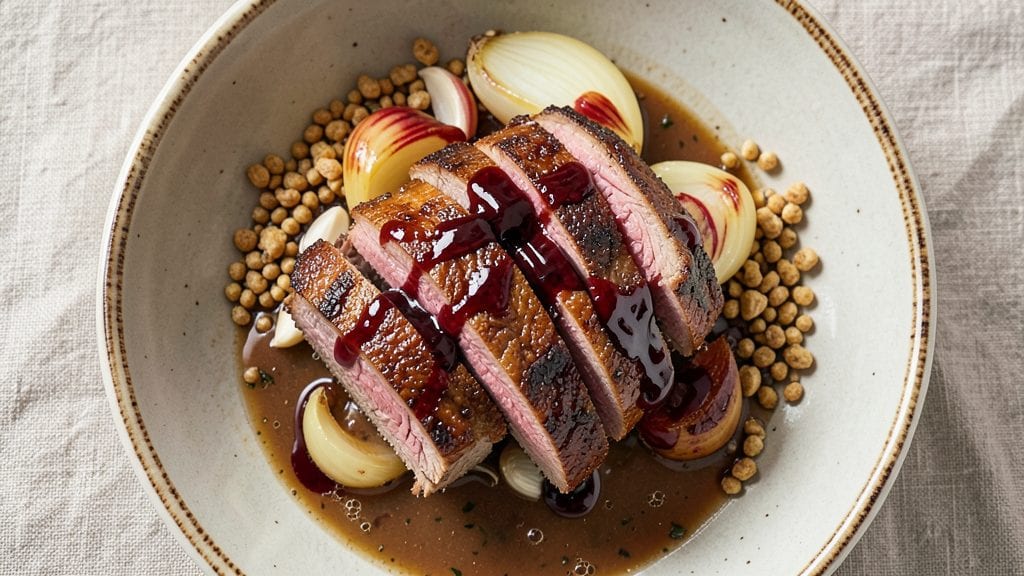
This Jewish brisket recipe with onion soup mix delivers the perfect balance of smoky, spiced crust and melt-in-your-mouth tenderness—just like my grandmother Nana Mae used to make on Peachtree Street.
The slow-cooking process transforms tough beef into fork-tender perfection while the onion soup mix creates a flavorful crust that seals in all those rich juices. I've tested this recipe countless times, and it never fails to impress, whether you're feeding a crowd or treating yourself to a special meal.
The secret lies in the slow cooking method, which breaks down the connective tissue for that signature tender texture. You'll start with a dry rub of onion soup mix and spices, then braise the brisket until it's fork-tender, about 3 hours in the oven.
The result is a brisket with a deep, caramelized crust and a center that falls apart at the touch of a fork. This method works beautifully in any oven, and it's foolproof once you get the timing right.
By the time you're done, you'll have a brisket that's rich, flavorful, and impossible to resist. The onion soup mix not only adds depth but also creates a beautiful crust that holds up to slicing.
Serve it with crusty bread to soak up every last bit of that delicious juices, or pair it with roasted vegetables for a complete meal. The aroma alone will have everyone gathering around the table, and the taste will make it worth every minute of slow cooking.
This recipe is perfect for holidays, family gatherings, or whenever you want to treat yourself to something special. The combination of slow-cooked brisket and onion soup mix creates a dish that's both comforting and impressive, and it's sure to become a new favorite.
Let's get started on creating this classic dish that brings a taste of tradition to your table.
Ingredients for jewish brisket recipe onion soup mix
Six ingredients you already have, plus one trip to the butcher for brisket perfection.
| Ingredient | Amount | Notes |
|---|---|---|
| Beef Brisket 🥩 | 4 lb | Whole packer cut, fat cap intact |
| Onion Soup Mix 🧅 | ½ cup | Knorr or Lawry's preferred |
| Yellow Onion 🧅 | 1 whole | Large, sliced into rings |
| Garlic Cloves 🧄 | 6 cloves | Fresh, peeled and smashed |
| Beef Broth 💧 | 2 cups | Low-sodium preferred |
| Red Wine 🍷 | ½ cup | Dry, like Cabernet |
| Brown Sugar 🍯 | ¼ cup | Light or dark works |
| Black Peppercorns 🌶️ | 1 tbsp | Freshly cracked |
| Bay Leaves 🍃 | 2 whole | Dried, standard size |
| Olive Oil 🫒 | 2 tbsp | Extra-virgin for coating |
| Salt 🧂 | 2 tbsp | Kosher or sea salt |
| Fresh Thyme 🌿 | ¼ cup | Leaves only, chopped |
| Mustard 🥫 | 1 tbsp | Dijon preferred |
| Honey 🍯 | 2 tbsp | Light or wildflower |
The brisket is non-negotiable—look for a whole packer cut with that thick fat cap (the good stuff, not the pre-trimmed kind). Costco or local butcher shops usually have it in stock, and it's worth paying a little extra for quality. If you're buying from the grocery store, check the label for 'packer cut'—that's the whole piece, not the smaller flat or point cuts. The fat cap keeps the meat moist during cooking, so don't skip it. I always ask the butcher to trim off any large chunks of silver skin, but leave the rest intact—it adds flavor. For a 4-pound brisket, you'll get about 6 servings, which is perfect for a family dinner or holiday feast.
No onion soup mix? Mix 3 tbsp powdered onion soup with 1 tbsp garlic powder—it's not the same, but it works in a pinch. Short on red wine? Beef broth with a splash of balsamic vinegar does the trick. The fresh thyme is ideal, but dried thyme at one-third the amount will work if you're out. For the mustard, Dijon is best, but whole-grain mustard adds a nice texture. The honey? Any kind works, but light honey lets the brisket flavors shine. If you're feeling fancy, add a pinch of smoked paprika to the rub—it deepens the flavor without overpowering. And trust me, the extra 10 minutes to brown the brisket in the pan before slow cooking makes all the difference.
This brisket keeps beautifully—3-4 days in the fridge if stored in an airtight container with the juices. For longer storage, freeze it for up to 3 months. I always slice it against the grain and portion it into containers so it's ready for sandwiches or leftovers. The crust stays crispy for about 2 days if you reheat it gently in the oven. And if you make extra? Brisket hash or sandwiches are the best ways to use it up—just don't tell anyone I said that.
Why You'll Love This Recipe
- One-Pot Magic: I swear by this trick—just toss the brisket, onions, and garlic into a pot, sprinkle in that onion soup mix, and let it simmer. No chopping, no fuss, and the broth does all the heavy lifting while you sip wine and pretend you’re a master chef.
- Umami Bomb: That onion soup mix isn’t just seasoning—it’s the secret weapon. The instant powder dissolves into the broth, turning it into this deep, savory elixir that clings to the brisket like a hug. The first bite? Pure, smoky, garlicky bliss.
- Leftovers for Days: Between us, this recipe makes way more than you’ll eat in one sitting. The brisket gets more tender overnight, and the broth reduces into a glossy, flavor-packed sauce. I freeze portions for lazy Mondays or toss them into sandwiches—no one will guess it’s reheated.
- Budget Feast: A pound of brisket and a box of onion soup mix stretch farther than you’d think. Honestly, I’ve fed six people for under $20 with this, and they all left happy. The brisket’s cheap cut, but it transforms into something luxurious with almost no effort.
Step-by-step instructions for Jewish brisket with onion soup mix
Here's how to transform a simple brisket into a showstopper with deep flavor and tender perfection.
Prepare and Season the Brisket
Begin by removing the brisket from the refrigerator and patting it completely dry with paper towels. This step is crucial—any moisture will prevent that beautiful crust we're after. Place the brisket fat-side up on a cutting board and carefully trim the fat cap to about ¼-inch thickness, leaving enough to protect the meat during cooking.
In a small bowl, combine the 0.5 cup onion soup mix, 2 tablespoons salt, 1 tablespoon freshly cracked black peppercorns, and 0.25 cup chopped fresh thyme. Rub this mixture generously over all sides of the brisket, pressing it into the meat so it adheres well. The onion soup mix brings that signature sweet and savory depth that makes this brisket uniquely comforting. Let the seasoned brisket sit at room temperature for 1 hour before cooking—this ensures even cooking from edge to center.
Sear the Brisket for Depth of Flavor
Heat a Dutch oven over medium-high heat and add the 2 tablespoons olive oil. Once the oil shimmers, carefully place the brisket fat-side down in the pot. Let it sear undisturbed for 5 minutes until the fat renders and the bottom develops a deep golden-brown crust. This searing step locks in juices and builds flavor that will infuse the entire dish.
Flip the brisket and continue searing for another 3 minutes. Remove the brisket from the pot and set it aside. In the same pot, add the 1 whole yellow onion sliced into rings and the 6 smashed garlic cloves. Cook for 2 minutes until the onions begin to soften and the garlic releases its aroma. This aromatic base will form the foundation of our rich cooking liquid.
Build the Flavorful Cooking Liquid
Pour in the 0.5 cup red wine and scrape up any browned bits from the bottom of the pot with a wooden spoon. This deglazing captures all the flavor that would otherwise be lost. Let the wine simmer for 2 minutes until it reduces by half. Add the 2 cups beef broth, 0.25 cup brown sugar, 1 tablespoon Dijon mustard, and 2 whole bay leaves. Stir well to combine all ingredients.
Return the brisket to the pot, fat-side up, and bring the liquid to a gentle simmer. The liquid should come about halfway up the sides of the brisket. Cover the pot with a lid and transfer it to a preheated 300°F oven. Here's the thing—this low-and-slow approach is what transforms tough meat into melt-in-your-mouth perfection. Cook for 3 hours, then check the internal temperature using a meat thermometer. It should read 195-200°F—this is when the collagen breaks down and the meat becomes fork-tender.
Finish with Sweetness and Rest
Once the brisket reaches the proper internal temperature, carefully remove it from the pot and transfer it to a cutting board. Tent loosely with aluminum foil and let it rest for 30 minutes. This resting period allows the juices to redistribute throughout the meat, ensuring each slice is moist and flavorful.
While the brisket rests, return the cooking liquid to a simmer over medium heat. Stir in the 2 tablespoons honey and let it simmer for 5 minutes until slightly thickened. This sweet finish balances the savory flavors and adds a beautiful gloss to the finished dish. Taste and adjust seasoning if needed—you might want to add a pinch more salt or a splash of red wine to deepen the flavor.
Slice and Serve with Confidence
After the resting period, carefully slice the brisket against the grain into ¼-inch thick slices. The grain runs horizontally across the flat and point, so you'll need to adjust your angle as you cut. Arrange the slices on a warm serving platter and spoon the honeyed cooking liquid generously over the top.
Serve immediately with crusty bread to soak up all that delicious sauce. Each bite should deliver tender meat with a perfect balance of sweet, savory, and smoky flavors. This brisket is ideal for gatherings—it feeds a crowd and leaves everyone asking for seconds. The onion soup mix gives it that distinctive Jewish deli flavor that's both comforting and impressive.
Pro Tips For Making Jewish Brisket Recipe Onion Soup Mix
- Brown the Brisket Hard: Don’t rush this step—get that meat searing deep brown on all sides before adding broth. I learned the hard way that skipping this means your brisket will taste more like stewed beef than slow-cooked perfection. Use a heavy pot and let it sit undisturbed for 3-4 minutes per side.
- Char the Onion Soup Mix: Toast the onion soup mix in the pot for 1-2 minutes before adding liquid—it deepens the flavor. I used to just dump it in, and the dish never had that rich, toasty depth. (Yes, it smells like heaven, but don’t burn it.)
- Slice Against the Grain: Wait until the brisket is completely cooled before slicing—then cut against the grain for tender, fork-friendly bites. I’ve sliced it warm too many times, and it turns out chewy. Patience here makes all the difference.
- Deglaze with Broth: After browning the brisket, splash in ½ cup of beef broth immediately to scrape up those flavorful browned bits. Ignoring this step means losing half the taste—don’t let it go to waste.
Serving suggestions for this jewish brisket recipe onion soup mix
Crusty Bread Pairing
Nothing beats this brisket with warm, crusty bread for soaking up every last drop of that onion soup-infused sauce. I always grab a loaf of sourdough from our local bakery or use a baguette if I'm feeling fancy.
For extra flavor, brush the bread with garlic butter before serving—just mix 2 tbsp softened butter with 1 minced garlic clove and a pinch of salt. The crust should be golden and crisp, while the inside stays soft enough to sop up all that rich brisket juice. 🥖
Classic Matzo Ball Soup
For a true Jewish deli experience, serve your brisket with a side of matzo ball soup. The light, pillowy matzo balls contrast beautifully with the deep, savory brisket.
I make mine with 2 eggs, ½ cup matzo meal, ¼ cup chicken broth, and a pinch of salt—simmered gently in 6 cups chicken broth for 20 minutes.
Garnish with fresh parsley and a drizzle of the brisket's honeyed sauce for that perfect balance of textures. 🍲
Roasted Vegetable Medley
Brighten the plate with a colorful roasted vegetable medley that complements the brisket's richness. Toss 2 cups baby carrots, 1 cup Brussels sprouts, and 1 red bell pepper with 1 tbsp olive oil, ½ tsp smoked paprika, and ¼ tsp salt.
Roast at 400°F for 25 minutes until caramelized. The natural sweetness of the veggies cuts through the brisket's richness while adding vibrant color to your plate. 🥕
Pickled Vegetable Garnish
Add a tangy crunch with quick-pickled vegetables. Thinly slice 1 cucumber, ½ red onion, and 1 carrot, then pack into a jar with 1 cup vinegar, 1 tbsp sugar, and 1 tsp salt.
Let sit for at least 30 minutes before serving. The bright acidity balances the brisket's richness, and the crunch adds a refreshing contrast. I always keep a jar of these in the fridge for last-minute garnishes. 🥒
Wine and Beer Pairings
For a drink pairing, a bold Cabernet Sauvignon complements the brisket's depth, while a crisp lager like Peroni cleanses the palate. If you prefer beer, a Belgian witbier with its citrus notes adds a fun contrast to the rich flavors.
I let David pick the wine—he's my official taste-tester, after all—and we always agree that a glass of red elevates the meal. 🍷
Serving Presentation Tips
Arrange the brisket slices on a warm platter with the honeyed sauce spooned artistically over the top. Scatter the pickled vegetables around the edges for color, and place the crusty bread in a basket nearby.
For a rustic touch, use a wooden board as your serving surface—it adds warmth and texture to the presentation. The onion soup mix crust should be visible on the slices, showcasing the beautiful caramelization. 💫
Nutrition facts
Frequently asked questions
Can I use a different cut of beef instead of brisket?
While brisket is ideal for this recipe, you can substitute with chuck roast or beef short ribs for similar results. The cooking time will vary—chuck roast typically needs 4-5 hours at 300°F until tender. Avoid lean cuts like sirloin, as they won't achieve the same fork-tender texture. The onion soup mix still works beautifully with these alternatives!
Why does the brisket need to rest before slicing?
The 30-minute rest is critical—it lets the juices redistribute throughout the meat instead of pooling on your cutting board. Skipping this step means dry slices! Tent the brisket loosely with foil to keep it warm while it rests. This is especially important for brisket, which has a high fat content that needs time to settle.
How do I know when the brisket is fully cooked?
Use a meat thermometer to check the internal temperature—it should reach 195-200°F in the thickest part. The probe should slide in like butter, and the meat should feel tender when pressed. If you don't have a thermometer, look for a deep golden crust and check if the point cut (leaner side) pulls apart easily with two forks.
Can I make this brisket in a slow cooker?
Brown the brisket first in a skillet, then transfer it to your slow cooker with all the sauce ingredients. Cook on low for 8 hours or high for 5-6 hours until tender. The onion soup mix will still create that signature crust, though it may be slightly softer. For extra flavor, add a splash of red wine during the last 30 minutes of cooking.
What's the best way to reheat leftover brisket?
Slice the brisket and reheat in a skillet with a splash of beef broth over medium-low heat for 5-7 minutes until warmed through. For oven reheating, cover with foil and bake at 300°F for 20 minutes. Microwaving works in a pinch, but it can make the crust soggy. Always reheat gently to preserve that perfect texture.