
Soups & Stews
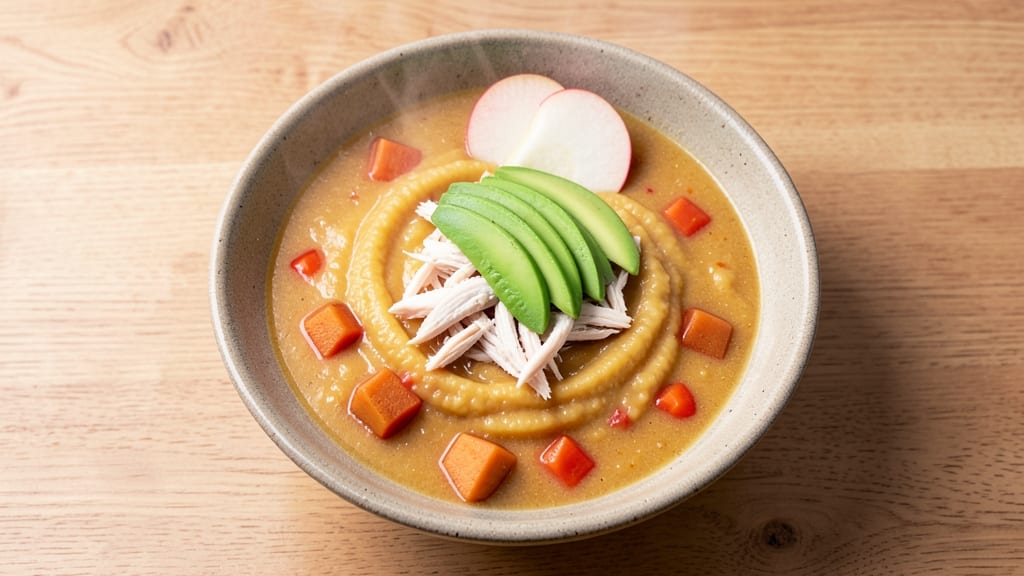
Creating infant soup that supports your baby’s growth while being gentle on their developing digestive system requires careful ingredient selection and preparation. This recipe focuses on nutrient-rich, soft-textured ingredients like steamed vegetables, lean proteins, and healthy fats—all naturally blended for easy digestion.
Pediatric guidelines recommend avoiding added salt or sugar, so we prioritize flavor from herbs and natural sweetness from fruits like sweet potato or pear.
The process is simple yet precise: steam or boil ingredients until tender, then blend until smooth or finely chopped, depending on your baby’s age and chewing ability. For example, 6-month-olds typically need purees, while 9-month-olds can handle slightly thicker textures with soft pieces.
This method ensures maximum nutrient retention while making the soup easy for little ones to digest and enjoy.
What you’ll achieve is a nourishing, easy-to-swallow meal packed with vitamins, minerals, and protein to support your baby’s growth milestones. Each batch can be stored in the refrigerator for up to 3 days or frozen for longer shelf life, making it perfect for busy parents who want to prepare ahead.
The gentle flavors and textures make it a comforting introduction to solid foods.
Whether you’re starting solids or expanding your baby’s diet, this soup provides a balanced foundation. Pair it with whole-grain cereals or soft-cooked grains for added energy, and always consult your pediatrician before introducing new foods. Let’s get started on this gentle, nutrition-packed recipe.
Ingredients for infant soup
Nutrient-packed ingredients that blend into a gentle, easy-to-digest infant meal.
| Ingredient | Amount | Notes |
|---|---|---|
| Sweet Potato 🍠 | ½ lb | Peeled, cubed small for softness |
| Carrot 🥕 | ¼ lb | Peeled, chopped into small pieces |
| Butternut Squash 🎃 | ½ lb | Peeled, cubed small for blending |
| Chicken Breast 🍗 | ¼ lb | Boneless, skinless, shredded |
| Avocado 🥑 | ¼ whole | Ripe, peeled, pitted |
| Pear 🍐 | ½ whole | Ripe, peeled, cored, chopped |
| Coconut Milk 🥥 | ¼ cup | Light, unsweetened for creaminess |
| Extra-Virgin Olive Oil 🫒 | 1 tbsp | For gentle sautéing |
| Fresh Parsley 🌿 | ⅛ cup | Finely chopped for freshness |
| Fresh Cilantro 🌿 | 0.06 cup | Finely chopped for brightness |
| Water 💧 | 2 cups | For steaming vegetables |
| Organic Baby Spinach 🍃 | ¼ cup | Finely chopped for nutrients |
Sweet potatoes and butternut squash are the stars here—organic varieties from Whole Foods or your local farmers market have the best natural sweetness without additives. The chicken breast should be skinless and boneless, preferably organic or free-range for better nutrient quality. Avocados and pears add healthy fats and natural sweetness, so choose ripe but firm fruits to avoid bitterness. For the herbs, fresh parsley and cilantro from the grocery store’s produce section work perfectly—just give them a quick rinse before chopping. Coconut milk adds creaminess without added sugar, and light, unsweetened versions from Trader Joe’s or Costco are ideal.
No sweet potato? White potatoes or yams work in a pinch, but they lack the same vitamin A content. Swap butternut squash for zucchini or pumpkin if needed, but adjust cooking time since they soften faster. Chicken too expensive? White fish like cod or salmon adds omega-3s without bones. Avocado too soft? Mash it with a fork to mimic the texture of ripe fruit. The spinach is non-negotiable for iron—baby spinach from the refrigerated section is pre-washed and perfect. For extra flavor without salt, roasted garlic powder works at a pinch (just ¼ teaspoon).
This soup keeps beautifully—store in glass containers in the fridge for 3 days or freeze in ice cube trays for 3 months. Thaw overnight in the fridge before reheating. For texture variations, blend until completely smooth for 6-month-olds or leave slightly chunky for 9-month-olds. Always test temperature before serving—it should be lukewarm, not hot. Double the batch and freeze portions for busy weeks.
Why You'll Love This Recipe
- One-Pot Wonder: I swear by this soup because it’s literally one pot—no chopping boards, no extra bowls. Just dice the sweet potato and squash into big chunks (no need for perfect cubes), toss in the chicken and carrots, and let the slow simmer do the work.
- Sneaky Good Nutrition: Between us, I’ve never gotten my kids to eat veggies this easily. The avocado swirled in at the end adds creaminess without overpowering, while the chicken gives it that actual protein boost—no weird aftertaste, just pure, mellow flavor.
- Leftover Hero: This soup actually improves the next day. The flavors meld into something richer, and I’ll freeze portions for those chaotic mornings when I’m scrambling to feed the whole family. (Yes, even on a Tuesday night.)
- Budget-Friendly Powerhouse: Sweet potatoes and butternut squash stretch for miles, and chicken breast is cheaper than you think when you buy in bulk. I’ve made this for under $1.50 per serving—no fancy ingredients, just smart choices that don’t skimp on taste.
Step-by-step instructions for gentle nutrition for little ones' growth
This method transforms simple ingredients into a nourishing, easy-to-digest soup perfect for tiny appetites.
Prepare and Steam the Vegetables
In a medium pot, combine the 2 cups water and bring to a rolling boil over medium-high heat. Add the peeled and cubed 0.5 lb sweet potato, 0.25 lb carrot, and 0.5 lb butternut squash. Let the mixture return to a boil, then reduce heat to medium-low and cover partially. Steam for 15-18 minutes until all vegetables are fork-tender and easily mashable.
Here's the thing—steaming preserves the natural sweetness and nutrients while softening the vegetables enough for little ones to enjoy without choking hazards. You'll know they're ready when a fork slides in effortlessly and the edges begin to break down. Drain any excess water and set the vegetables aside for blending.
Cook the Chicken and Prepare the Base
In a separate small saucepan, add the 0.25 lb shredded chicken breast and cover with just enough water to keep it submerged. Bring to a gentle simmer over medium heat for 8-10 minutes until the chicken is fully cooked and tender. Drain and set aside to cool slightly.
While the chicken cooks, heat the 1 tbsp extra-virgin olive oil in a small skillet over low heat. Add the finely chopped 0.5 whole pear and sauté for 3-4 minutes until softened but not browned. Remove from heat and let cool completely before adding to the soup. This step infuses subtle sweetness without overpowering the natural flavors.
Blend the Vegetable Mixture
Transfer the steamed vegetables to a high-powered blender or food processor. Add the 0.25 cup organic baby spinach and blend until completely smooth, scraping down the sides as needed. The texture should be silky and free of lumps—this ensures easy digestion and a pleasant mouthfeel for little ones.
With the blender running on low speed, gradually add the 0.25 cup coconut milk through the feed tube to create a creamy, velvety base. Taste and adjust the consistency by adding a splash of the steaming liquid if needed. The soup should be thick enough to coat the back of a spoon but still easy to spoon.
Combine and Finish the Soup
In a clean pot, gently combine the blended vegetable mixture with the cooked and cooled chicken. Stir in the sautéed pear and warm through over low heat for 2-3 minutes, just until everything is thoroughly heated. Do not boil—the gentle warmth preserves the nutrients and delicate flavors.
Remove from heat and stir in the finely chopped 0.125 cup fresh parsley and 0.0625 cup fresh cilantro. These herbs add a touch of brightness and essential nutrients without overpowering the natural sweetness of the vegetables. Let the soup sit for 5 minutes to allow the flavors to meld together.
Serve with Care and Storage Tips
Ladle the soup into small bowls or baby feeding dishes, ensuring it's not too hot before serving. The ideal serving temperature is lukewarm—test it on your wrist to ensure it's safe and comfortable for little ones. Garnish each serving with a small dollop of the avocado, mashed to a smooth consistency, for added healthy fats and creaminess.
For storage, transfer any leftovers to an airtight container and refrigerate for up to 3 days. When reheating, warm gently on the stove or in the microwave until steaming hot. This soup is designed to be gentle on tiny tummies while providing essential vitamins and minerals for growth and development.
Pro Tips For Making Infant Soup
- Peel Squash First: I learned this the hard way—peeling butternut squash after roasting is a nightmare. The skin turns rubbery and sticks like glue. Take 5 minutes upfront to slice it open, scoop out seeds, then peel while the skin is still fresh. Your blender will thank you later.
- Poach Chicken Low: Chicken breast dries out fast, and mushy texture is worse than tough. Simmer it in the broth at 160°F (71°C)—just below a gentle boil—until it hits 165°F (74°C) internally. Use a meat thermometer; guessing leads to disappointment.
- Roast Veggies Separately: Sweet potatoes and carrots cook at different speeds. Roast them on the same tray but cut the carrots into matchsticks and the sweet potatoes into 1-inch cubes. This guarantees both are tender without one turning to mush while the other burns.
- Mash Avocado Last: Avocado oxidizes fast, turning that gorgeous green into sad brown. Keep it whole until the very end, then fold it in just before serving. If you’re prepping ahead, store it separately and mix it in right before eating—no one wants a sad, brown soup.
Make-ahead tips for leftovers
Batch Prep Strategy
Double the recipe and store in glass containers with tight-sealing lids for up to 3 days in the fridge. I like using 4-ounce portion sizes—perfect for one feeding session.
Label containers with dates to track freshness. For longer storage, freeze in ice cube trays—each cube equals 1 tablespoon of soup, ideal for gradual introduction of new flavors. 💡
Freezing for Convenience
Portion soup into 1-cup silicone molds or small freezer bags before freezing. This prevents freezer burn and makes thawing easier. When ready to serve, transfer directly to the fridge to thaw overnight.
Never microwave frozen portions—this creates hot spots that can burn delicate baby gums. Always reheat to steaming hot before serving. ✨
Texture Adjustments
For 6-month-olds, blend until completely smooth using an immersion blender for maximum control. For 9-month-olds, leave slightly chunky by blending only half the batch and mixing with the smooth portion.
I use a Ninja immersion blender—it’s gentle on nutrients and easy to clean. Test texture by spooning onto your wrist to mimic baby’s mouth temperature. 🥄
Reheating Safely
Gently reheat on the stovetop over low heat for 3-5 minutes, stirring constantly. Avoid microwaving—it can create uneven heating. If using a microwave, heat in 10-second bursts, stirring between each, until just warm.
Always test temperature on your wrist before serving. Never add water or milk to dilute—this alters the nutrient balance. 🔥
Flavor Preservation
Store herbs separately until ready to serve to prevent bitterness. Add fresh parsley or cilantro just before serving to maintain vibrant flavors. For extra creaminess, stir in 1 teaspoon coconut milk when reheating. Avoid adding salt or spices—babies’ kidneys can’t process excess sodium. 🌿
Portion Control
Start with 1-2 tablespoons per feeding to gauge your baby’s tolerance. Gradually increase to 2-4 tablespoons as they adjust. Use a small silicone spoon for easy portioning.
For variety, mix with whole-grain baby cereal or mashed banana to add thickness. Always introduce one new ingredient at a time to monitor reactions. 🍽️
Nutrition facts
Frequently asked questions
How young can my baby safely eat this soup?
This recipe is perfect for babies starting solids at 6 months and older. For the youngest eaters, blend until completely smooth to prevent choking hazards. Always introduce one new ingredient at a time and consult your pediatrician before starting solids.
Can I use store-bought baby food vegetables instead of fresh?
Yes, but fresh ingredients provide better nutrition and flavor. If using baby food, opt for unsweetened, unseasoned varieties and check the ingredient list for added oils or preservatives. Freshly steamed and blended veggies retain more vitamins and minerals.
What if my baby refuses the texture?
Try adjusting the consistency—blend longer for a smoother texture or leave slightly chunkier for babies who prefer more texture. You can also mix with whole-grain baby cereal or mashed banana to make it thicker. Always test temperature first!
Is coconut milk safe for babies under 1 year?
Yes, unsweetened coconut milk is safe and provides healthy fats for brain development. However, it's not a substitute for breast milk or formula. Introduce it gradually to ensure your baby tolerates it well. Always choose light, unsweetened varieties.
How do I know if the soup is too salty?
Never add salt to baby food, but if you're concerned about natural sodium levels, check ingredient labels. Sweet potatoes, carrots, and chicken contain small amounts of sodium naturally. For extra safety, use low-sodium chicken breast and rinse canned ingredients if needed.