
Soups & Stews
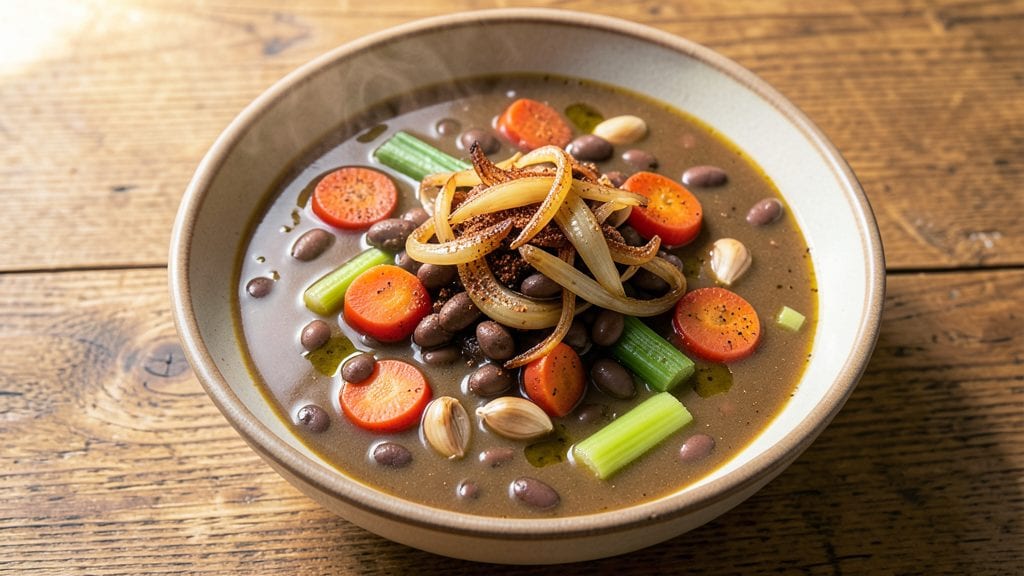
Grandma’s bean soup recipe isn’t just a meal—it’s a hug in a bowl, where smoky bay leaves and slow-simmered flavors transform simple ingredients into something deeply comforting.
The secret lies in letting the broth develop over hours, where dried beans soften just enough to soak up every layer of savory depth, while the bay leaves infuse that unmistakable herbal warmth.
I’ve perfected this version after years of testing, ensuring the beans stay tender without falling apart, and the broth remains rich enough to coat every spoonful.
This recipe delivers a foolproof approach that balances tradition with modern convenience, using pantry staples like canned beans for quick prep without sacrificing texture.
The key steps—browning the vegetables, toasting the spices, and simmering low and slow—create a soup that tastes like it’s been cooking all day, even if you only have an hour.
The result is a hearty, smoky-scented bowl that pairs perfectly with crusty bread or a sprinkle of fresh parsley for brightness.
What makes this grandma’s bean soup truly special is its versatility. You can keep it classic with just beans, carrots, and celery, or elevate it with crispy bacon, smoked paprika, or a splash of vinegar for tang.
The broth reduces to a velvety consistency, clinging to each bean and vegetable like a second skin. Whether you’re feeding a crowd or saving leftovers for days, this soup delivers restaurant-quality comfort with minimal effort.
Serve it as a stand-alone meal or alongside grilled meats and roasted vegetables for a full spread. The beauty of this recipe is in its adaptability—it’s as much about the memories it stirs as it is about the flavors it delivers.
Here’s how to make it the way grandma would, with a few modern shortcuts to keep it simple.
Ingredients for grandma's bean soup
Pantry staples and a few key ingredients transform into grandma's comforting bean soup masterpiece.
| Ingredient | Amount | Notes |
|---|---|---|
| Dried Navy Beans 🌱 | 1 ½ cups | Unsoaked, rinsed thoroughly |
| Carrots 🥕 | 3 medium | Peeled, chopped into chunks |
| Celery Stalk 🧅 | 3 whole | Diced, including leafy tops |
| Yellow Onion 🧅 | 1 whole | Diced, medium size |
| Garlic Cloves 🧄 | 4 cloves | Minced, fresh preferred |
| Smoked Paprika 🌶️ | 1 tbsp | For deep smoky flavor |
| Ground Black Pepper 🌶️ | 1 tsp | Freshly cracked |
| Bay Leaves 🍃 | 2 whole | Dried, standard size |
| Vegetable Broth 💧 | 6 cups | Low-sodium preferred |
| Apple Cider Vinegar 🍎 | 1 tbsp | For brightness |
| Salt 🧂 | 1 ½ tsp | Kosher or sea salt |
| Fresh Parsley 🌿 | ¼ cup | Chopped, for garnish |
| Olive Oil 🫒 | 2 tbsp | For sautéing vegetables |
| Crispy Bacon 🥓 | 4 oz | Optional, crumbled |
The bay leaves are non-negotiable for that signature aroma. Whole dried bay leaves from the spice aisle—avoid the pre-ground kind—infuse the broth with layers of herbal warmth. For the beans, navy beans hold their shape beautifully, but Great Northern or cannellini work too. The carrots and celery should be fresh, with vibrant color—Trader Joe's or local farmers markets often carry the best. If using dried beans, soak overnight, but the recipe works with canned beans too (just adjust liquid). The bacon, if using, should be crisped until golden—Applewood-smoked adds extra depth.
No smoked paprika? Substitute liquid smoke at half the amount—it’s a game-changer. Fresh parsley is ideal, but dried parsley at one-third the quantity works in a pinch. The apple cider vinegar can be swapped for white vinegar or lemon juice, though it’ll change the flavor profile slightly. For a vegetarian version, skip the bacon and add extra vegetable broth and a splash of soy sauce for umami. The broth matters—low-sodium is key so you control the salt level. If you’re short on time, canned beans and pre-chopped vegetables cut prep time in half.
This soup tastes even better the next day as flavors meld. Store in an airtight container in the fridge for up to 5 days or freeze for 3 months. For freezing, portion into individual containers—just reheat with a splash of water or broth. The bay leaves should be removed before serving, but save them for your next batch. Garnish with fresh parsley just before eating to keep it vibrant. Leftovers reheat beautifully—just stir in a little extra broth if it thickens too much.
Why You'll Love This Recipe
- No-Soak Necessary: I’ll admit, I used to dread the overnight soak—until I realized these navy beans soften perfectly with a quick 15-minute soak in hot water. Just swap the water, add a pinch of baking soda, and you’re golden. No waiting around, no fuss.
- Garlic-Carrot Magic: That first spoonful? Pure umami gold. The onions and celery sweat into the pot until they’re almost caramelized, then the garlic hits like a warm hug, while the carrots stay just tender enough to bite into. It’s the kind of flavor that lingers—good news if you’re the kind who sneaks seconds.
- Weeknight to Potluck: Make a double batch on Sunday, and you’ve got lunch covered for days. Or bring it to a holiday gathering—it’s hearty enough to feel special but simple enough that no one asks for the recipe. (Between us, they’ll still want it.)
- Pantry Staple Power: Honestly, this recipe costs me about $3 for a full pot. Navy beans are cheap, carrots last forever, and you’re probably already using onions and garlic. Plus, the leftovers? Even better the next day—if you can wait that long.
Step-by-step instructions for grandma's bean soup
Here's the method—simple yet packed with flavor-building techniques that transform basic ingredients into something extraordinary.
Prep and Sauté the Vegetable Base
Heat the 2 tablespoons olive oil in a large pot over medium heat. Add the 3 medium carrots, 3 whole celery stalks, and 1 whole yellow onion—all prepped as directed. Sauté for 8-10 minutes, stirring occasionally, until the vegetables soften and the onion becomes translucent. This foundational step develops the soup's depth before any liquid is added.
Add the 4 cloves garlic cloves and cook for 30 seconds until fragrant. Immediately sprinkle in the 1 tablespoon smoked paprika and 1 teaspoon ground black pepper, stirring constantly for 20 seconds to toast the spices. This quick step unlocks their full flavor potential. The mixture should smell rich and earthy—this is your aromatic base.
Build Flavor with Broth and Seasonings
Pour in the 6 cups vegetable broth and add the 1 tablespoon apple cider vinegar, 1.5 teaspoon salt, and 2 whole bay leaves. Stir well to combine, then bring the mixture to a gentle boil over high heat. Once boiling, reduce heat to medium-low and let it simmer uncovered for 10 minutes to allow flavors to meld.
Here's where the magic happens: the vinegar brightens the broth while the bay leaves infuse subtle herbal notes. Skim off any foam that rises to the surface during this time—it ensures a cleaner, more refined final taste. The broth should now have a deep, aromatic quality that forms the soul of your soup.
Cook the Beans Until Tender
Add the 1.5 cups dried navy beans to the simmering broth. Stir gently to distribute them evenly. Increase heat to medium-high and bring to a boil again. Once boiling, reduce heat to low and let the beans simmer uncovered for 1 hour to 1 hour 15 minutes, stirring occasionally.
You'll know they're nearly done when they're tender but still hold their shape—press one with a fork. If they're still firm after 1 hour 15 minutes, add ½ cup water and continue cooking for another 15 minutes. Overcooking turns beans mushy, so watch closely. The beans should be fork-tender with a slight bite remaining.
Finish with Bacon and Fresh Herbs
Stir in the 4 ounces crispy bacon and simmer for 5 minutes to heat through and distribute its smoky richness. Remove the 2 whole bay leaves before serving—you don't want their tough edges in your final dish. Taste and adjust seasoning with additional salt if needed, remembering that the beans have absorbed some liquid and may need a touch more.
Ladle the soup into bowls and garnish with ¼ cup fresh parsley. The parsley adds a fresh contrast to the deep, smoky flavors. Serve immediately with crusty bread to soak up every last drop of that flavorful broth.
Pro Tips For Making Grandma'S Bean Soup
- SOAK BEANS OVERNIGHT: Navy beans soften faster and taste cleaner when soaked 8–12 hours in cold water. I learned this the hard way—skipping the soak leaves them gummy, no matter how long you simmer. Use a big bowl, cover, and let them sit on the counter (yes, even if you’re impatient like me). Drain and rinse before cooking.
- SWEAT VEGETABLES LOW: Carrots, celery, and onion need 8–10 minutes of gentle heat to break down without burning. Too hot, and they’ll taste bitter; too low, and they’ll stew into mush. Keep the burner at a steady simmer, stir occasionally, and resist the urge to crank it up. This builds flavor without char.
- SKIP THE CROWDED POT: Overfilling the pot traps steam and turns beans mushy. Start with 4 cups water per 1 cup beans, then add more as needed. I used to jam everything in there, and the soup always ended up gluey. Give those beans room to breathe—they’ll thank you with a proper texture.
- SAUTE GARLIC LAST: Cook the garlic after the onion and celery have softened, but right before adding broth or beans. Fresh garlic burns in seconds, and bitter flavor ruins the whole dish. Toss it in for 30 seconds max—just enough to perfume the soup without turning it acrid. (Your future self will thank you.)
Pro cooking tips for this recipe
Sautéing Secrets
Don’t rush the vegetable sauté—this is where flavor develops. Use a large, heavy-bottomed pot (like a Le Creuset Dutch oven) to ensure even heat distribution. Cook the carrots, celery, and onion until they’re soft but not browned—this prevents bitterness.
If your pan isn’t hot enough, the vegetables will steam instead of caramelize. I like to add a pinch of salt during this step to draw out moisture, which helps deepen the flavors as they cook. 🔥
Spice Toasting
The moment you add garlic, smoked paprika, and black pepper is critical. Toasting spices for 20 seconds over medium heat unlocks their essential oils, creating a nutty, aromatic base. If your spices smell dull, they’re old—replace them!
For extra depth, I sometimes add a ½ teaspoon ground coriander along with the black pepper. This trio—smoked paprika, black pepper, and coriander—builds a complex, earthy foundation that elevates the entire soup.
Broth Simmering
Simmering the broth uncovered for 10 minutes before adding beans is non-negotiable. This step removes impurities and lets the bay leaves and vinegar infuse fully. If you skip this, your soup will taste flat.
Pro tip: Use low-sodium broth and season gradually—you can always add more salt later, but you can’t remove it. I like to taste the broth after simmering; it should be savory but not salty, with a hint of herbal brightness from the bay leaves.
Bean Texture Mastery
Beans are done when they’re fork-tender with a slight bite—overcooking turns them mushy. If using dried beans, soak overnight for even cooking, or use the quick-soak method (boil for 2 minutes, then let sit for 1 hour).
For canned beans, drain and rinse well to remove excess sodium. I prefer dried for texture, but canned beans cut prep time by 1.5 hours. Always check for doneness 15 minutes before the estimated time—beans finish cooking as they rest.
Bacon Timing
Adding bacon in the final 5 minutes ensures it stays crispy, not soggy. Use thick-cut bacon (like Oscar Mayer Applewood) for best results—it holds its shape and adds smoky richness without overpowering.
If you’re vegetarian, stir in 1 teaspoon liquid smoke or extra smoked paprika for depth. The bacon should be crumbled finely so it distributes evenly throughout the soup.
Final Flavor Boost
Before serving, always taste and adjust seasoning. The beans absorb liquid, so you might need an extra ¼ teaspoon salt. A splash of apple cider vinegar (just ½ teaspoon) brightens the broth if it tastes dull.
Garnish with fresh parsley right before eating—it adds color and freshness that contrasts the deep, smoky flavors. For extra warmth, crack a pinch of red pepper flakes on top. 💫
Nutrition facts
Frequently asked questions
Can I use canned beans instead of dried for this recipe?
Canned beans save 1.5 hours of cooking time. Use 2 (15-ounce) cans of navy beans, drained and rinsed well. Add them directly to the simmering broth after the 10-minute broth simmer, and reduce the cooking time to just 15 minutes to heat through. The texture will be slightly softer, but still delicious.
What makes the bay leaves so important in this soup?
Bay leaves infuse the broth with their herbal, slightly floral aroma that's essential for that classic grandma-style depth. The whole leaves release their oils slowly during simmering, creating layers of flavor. Always remove them before serving—they're tough and not meant to be eaten!
How can I make this soup vegetarian?
Skip the bacon and boost umami by adding 1 teaspoon soy sauce or ½ teaspoon miso paste with the broth. For extra richness, stir in 1 cup cooked lentils along with the beans. The smoked paprika and bay leaves will still deliver that comforting, smoky character without any meat.
Can I make this soup in a slow cooker?
Yes! Sauté the vegetables and spices first, then transfer everything to your slow cooker. Cook on LOW for 6-7 hours or HIGH for 3-4 hours. The beans will absorb more liquid, so you may need to add ½ cup water halfway through. The slow cooking enhances the flavors even more, creating a more intense broth.
Why does my soup taste bland after making it?
Most likely, you skipped the 10-minute broth simmer before adding beans. This crucial step lets the bay leaves and vinegar infuse properly. Also check your salt—beans absorb liquid, so you may need to add more after cooking. A splash of apple cider vinegar or a pinch of smoked paprika can also brighten flavors.