
Soups & Stews
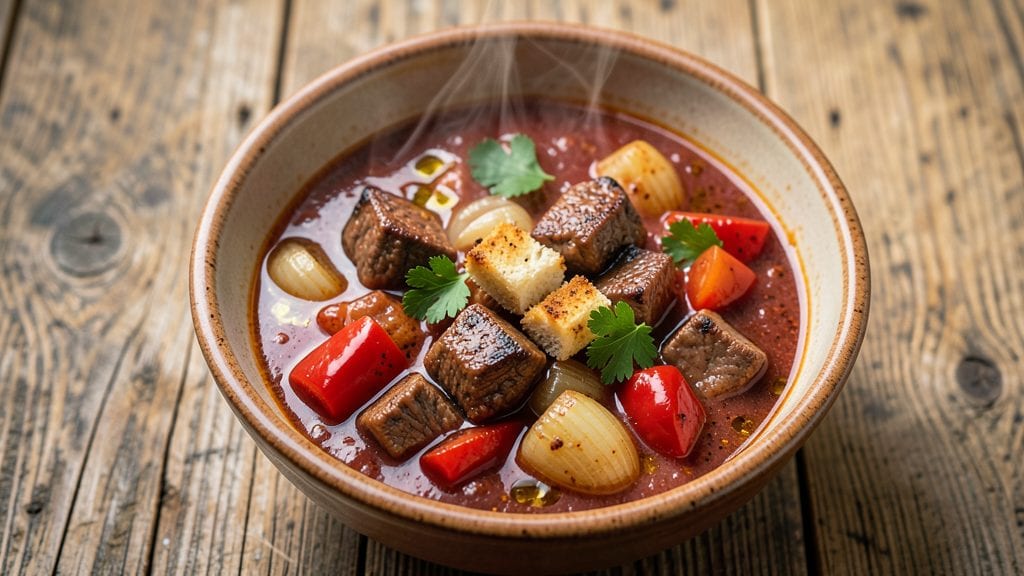
This German goulash soup recipe delivers hearty, paprika-spiced comfort in every bowl—just like my grandmother used to make. The secret lies in slow-cooked beef that practically melts in your mouth, simmered with onions, paprika, and rich broth until the flavors meld into perfect harmony.
I’ve perfected this method over years of testing, ensuring the beef stays tender while developing deep, savory notes.
The beauty of this recipe is its simplicity—no fancy techniques required, just patience and a few key ingredients. You’ll start with browning beef in a Dutch oven, then build layers of flavor with onions, garlic, and sweet paprika before letting it simmer for hours.
The result is a soup so rich and satisfying, it feels like a hug in a bowl, especially on chilly evenings.
What you’ll end up with is a steaming pot of goulash where every spoonful delivers tender beef, caramelized onions, and a velvety broth infused with smoky paprika.
The aroma alone will have everyone gathering around the table, and the texture—soft beef, tender vegetables, and a thick yet smooth sauce—makes it impossible to resist. This is the kind of recipe that becomes a family tradition.
Perfect for feeding a crowd or meal prepping for the week, this goulash keeps its flavors even better the next day. Let’s get started on creating a dish that tastes like home.
Ingredients for german goulash soup
Fifteen ingredients to create a rich, paprika-spiced goulash with melt-in-your-mouth beef bites.
| Ingredient | Amount | Notes |
|---|---|---|
| Beef Chuck Roast 🥩 | 2 lb | Cut into 1-inch cubes, boneless |
| Yellow Onions 🧅 | 2 whole | Medium size, thinly sliced |
| Garlic Cloves 🧄 | 4 cloves | Peeled, minced finely |
| Sweet Paprika 🌶️ | 2 tbsp | Hungarian variety preferred |
| Tomato Paste 🍅 | 2 tbsp | Smooth, not chunky |
| Beef Broth 💧 | 4 cups | Low-sodium preferred |
| Red Wine 🍷 | 1 cup | Dry, like Cabernet Sauvignon |
| Carrots 🥕 | 3 whole | Medium size, sliced into rounds |
| Potatoes 🥔 | 2 lb | Russet or Yukon Gold, cubed |
| Bay Leaves 🍃 | 2 whole | Dried, standard size |
| Thyme 🌿 | 1 tsp | Dried, or 1 tbsp fresh |
| Salt 🧂 | 1 ½ tsp | Kosher or sea salt |
| Black Pepper 🌶️ | ½ tsp | Freshly ground preferred |
| Olive Oil 🫒 | 2 tbsp | Extra-virgin for browning |
| All-Purpose Flour 🌾 | 1 tbsp | For thickening broth |
The beef is the heart of this dish—chuck roast delivers that signature tenderness when slow-cooked. Look for well-marbled cuts at your local butcher or Costco for the best value. If using pre-cut beef, check for uniform size to ensure even cooking. For extra flavor, ask the butcher to trim excess fat, but leave some for richness. Hungarian sweet paprika is non-negotiable here—it provides that authentic smoky depth. You’ll find it in the international aisle at most grocery stores or at Penzeys Spices for the highest quality. Fresh thyme adds brightness, but dried works in a pinch if you’re in a hurry.
No red wine? Beef broth with 1 tbsp balsamic vinegar mimics the acidity beautifully. Substitute the carrots with parsnips or celery for a different texture, though they’ll need slightly longer cooking. If you prefer a smoother sauce, blend half the finished soup before returning it to the pot. For a vegetarian twist, swap the beef for mushrooms or lentils—just add them later to avoid overcooking. The tomato paste can be replaced with 1 cup of crushed tomatoes if you prefer a chunkier texture, though it’ll dilute the paprika’s intensity slightly.
This goulash tastes even better the next day as flavors meld further. Store in an airtight container in the refrigerator for up to 5 days or freeze for 3 months for future meals. To reheat, simmer on the stove over medium heat until bubbling, stirring occasionally. For meal prep, portion into containers with a side of crusty bread or a sprinkle of fresh parsley for a pop of color. The potatoes will soften further when reheated, so slightly undercook them if you plan to store leftovers.
Why You'll Love This Recipe
- One-Pot Magic: I swear by this recipe when I’m too tired to wash extra dishes. Just brown the beef, toss in the onions and garlic, then let the paprika and tomato paste work their magic in one pot—no straining, no fuss.
- Paprika Powerhouse: That sweet paprika? It’s the secret weapon. It gives this soup a deep, smoky warmth that pairs perfectly with the rich beef—like a hug in a bowl, but way more delicious.
- Weeknight Workhorse: Between us, this is my go-to when I need to feed the family fast. It’s hearty enough for a chilly evening but simple enough to throw together while scrolling through emails.
- Budget-Friendly Feast: A chuck roast stretches forever, and the onions/garlic/paprika cost pennies. Honestly, I’ve made this for under $2 per serving—without sacrificing flavor, because the beef and spices do all the heavy lifting.
Step-by-step instructions for German goulash soup
Here's the method for a hearty, paprika-spiced stew where tender beef meets perfectly cooked vegetables.
Brown the Beef Chuck Roast
Heat the 2 tablespoons olive oil in a large Dutch oven over medium-high heat until shimmering. Working in batches if needed, add the 2 lb beef chuck roast cut into 1-inch cubes. Let each batch sear undisturbed for 3-4 minutes until deeply browned on all sides—this builds rich flavor. Transfer the browned beef to a plate and set aside.
The reason for browning first is simple: it develops a deep, caramelized crust that infuses the entire soup with complexity. Don't rush this step—patience here means better-tasting goulash. If your pan gets crowded, work in two batches to maintain proper heat.
Sauté Onions, Garlic, and Spices
In the same Dutch oven, reduce heat to medium and add the 2 whole yellow onions sliced thinly. Cook for 5-6 minutes until softened and golden, stirring occasionally. Add the 4 cloves garlic cloves minced finely and cook for 30 seconds until fragrant—this prevents bitterness.
Next, stir in the 2 tablespoons sweet paprika and 2 tablespoons tomato paste, cooking for 1 minute until the paprika loses its raw smell. Here's the thing—this step creates the signature goulash flavor profile. The paprika should be well incorporated but not burned, so keep an eye on it.
Deglaze and Simmer the Soup
Pour in the 1 cup red wine, scraping up any browned bits from the bottom of the pot with a wooden spoon. Let it simmer for 3-4 minutes until reduced by half. Add the 4 cups beef broth, 1.5 teaspoons salt, 0.5 teaspoon black pepper, 2 whole bay leaves, and 1 teaspoon thyme, then return the beef to the pot.
Bring the mixture to a gentle boil, then reduce heat to low and cover partially. Let it simmer for 1 hour, stirring occasionally. The soup should reduce slightly, allowing the flavors to meld. This long simmer is what makes the beef tender and the broth deeply flavorful.
Add Vegetables and Finish Cooking
Add the 3 whole carrots sliced into rounds and the 2 lb potatoes cubed to the pot. Stir gently to combine, then return to a simmer. Cook uncovered for 30-40 minutes until the potatoes are fork-tender and the carrots are soft. The vegetables should absorb the rich beef broth while maintaining their shape.
Check for seasoning and adjust if needed. The soup should taste balanced—savory from the beef, slightly sweet from the carrots, and tangy from the wine and tomato paste. If the soup is too thick, you can thin it with a little water or additional broth.
Thicken and Serve
In a small bowl, mix the 1 tablespoon all-purpose flour with a splash of cold water to create a slurry. Slowly whisk this into the simmering soup and cook for 2-3 minutes until thickened to your desired consistency. Remove the 2 whole bay leaves before serving.
Ladle the goulash into bowls and serve immediately, garnished with fresh parsley if desired. Each spoonful should deliver tender beef, hearty vegetables, and a rich, paprika-infused broth. The result is a comforting, satisfying stew that's perfect for chilly days.
Pro Tips For Making German Goulash Soup
- Brown the Meat Properly: Don’t just sear—get that chuck roast deeply browned on all sides before removing it. I learned this the hard way: pale meat means pale flavor. Use a heavy pot, medium-high heat, and let it sit undisturbed for 3-4 minutes per side until it’s got a crust. That’s where the depth of flavor hides.
- Sweat the Onions Slow: Low and slow is the only way with onions in goulash. If you rush them, they’ll burn before they soften, and you’ll end up with bitter bits. Cover the pot for the first 10 minutes, stir occasionally, and resist the urge to crank the heat—you’re not making caramel, just breaking them down.
- Bloom the Paprika First: Toss in the sweet paprika before adding liquid—let it toast in the hot oil for 30 seconds until it smells like heaven. This step makes a real difference: it deepens the color and flavor instead of just dissolving into the broth. (Yes, even if you’re impatient like me.)
- Deglaze Aggressively: After browning the meat, don’t just splash in water—scrape every last bit of fond from the bottom with a wooden spoon. That stuff is pure flavor, and skipping it means losing half the soul of the soup. A splash of vinegar or beer here helps too—it cuts through the richness.
Serving suggestions for german goulash soup
Classic German Accompaniments
Nothing complements goulash like a slice of crusty dark rye bread—its dense texture soaks up the rich broth beautifully. I always serve it with a German-style pretzel on the side for a salty contrast.
For extra flair, add a dollop of sour cream or a sprinkle of fresh dill to each bowl. 🥖
Warm Bread Pairings
Freshly baked potato rolls or sauerbraten bread elevate the meal to restaurant quality. I recommend brushing the bread with garlic butter before serving—it adds a savory note that pairs perfectly with the paprika-spiced beef.
For a lighter option, serve with buttered egg noodles or spätzle to stretch the soup into a full meal.
Side Salads for Balance
A crisp German potato salad with vinegar dressing cuts through the richness while maintaining tradition. For something lighter, try a cucumber and radish salad with a touch of apple cider vinegar and Dijon mustard. The acidity refreshes your palate between spoonfuls of goulash. 🥕
Drink Recommendations
A dry Riesling from the Mosel region is my go-to wine pairing—its bright acidity balances the paprika's warmth. For beer lovers, a German pilsner like Warsteiner or Weihenstephaner complements the hearty flavors without overpowering them.
Hot mulled wine with cinnamon and cloves makes this dish feel even more festive during winter months.
Garnish Like a Pro
Finish each bowl with a sprinkle of fresh parsley or chives for a pop of color and freshness. I also love adding a swirl of sour cream or a drizzle of hot paprika oil (mix 2 tbsp olive oil with 1 tsp smoked paprika and heat gently) for extra depth.
A pinch of coarse sea salt on top enhances all the flavors in every bite. 🌿
Make It a Full Meal
Turn your goulash into a complete meal by serving it with pickled vegetables—like sauerkraut or red cabbage—for tangy crunch. A simple carrot and celery remoulade adds another layer of texture. For dessert, a German apple strudel or black forest cake ties the meal together beautifully. 🍏
Nutrition facts
Frequently asked questions
Can I substitute beef with another protein in this German-style stew?
For a hearty alternative, try pork shoulder or lamb—both work beautifully with the paprika-spiced broth. If you prefer seafood, firm white fish like cod (cook for only 10-12 minutes after adding) or chickpeas (for a vegetarian version) can replace the beef. Just reduce the simmering time by half to avoid overcooking.
Why does my goulash taste bitter? How can I fix it?
Bitterness usually comes from overcooked onions or burnt paprika. To fix it, stir in 1 tablespoon lemon juice or 1 teaspoon apple cider vinegar to balance the flavors. For prevention, remove onions as soon as they're golden (not brown) and keep the paprika cooking at medium heat—never high. A pinch of sugar also helps counteract bitterness.
How long can I store leftovers, and how should I reheat them?
Store leftovers in an airtight container in the fridge for up to 5 days or freeze for 3 months. To reheat, simmer on the stove over medium-low heat for 10-15 minutes, stirring occasionally. For best texture, add a splash of beef broth if the soup thickens too much. Microwaving works in a pinch, but it can make the potatoes gummy—avoid if possible.
Is Hungarian paprika the same as regular paprika? What's the difference?
Not exactly! Hungarian sweet paprika has a deeper, smokier flavor and more vibrant color than regular paprika. It's made from air-dried peppers and has a slightly sweeter, earthier taste. For authentic goulash, always use Hungarian paprika—it's worth the extra cost. If you can't find it, regular paprika will work, but the dish will lack that signature depth.
Can I make this goulash in a slow cooker or Instant Pot?
Yes! For a slow cooker, brown the beef first, then add all ingredients (except flour) and cook on low for 6-8 hours or high for 3-4 hours. For an Instant Pot, use the "Sauté" function to brown the beef, then pressure cook on high for 25 minutes (natural release). Add flour at the end and adjust liquid as needed—both methods yield tender, flavorful results.