
Soups & Stews
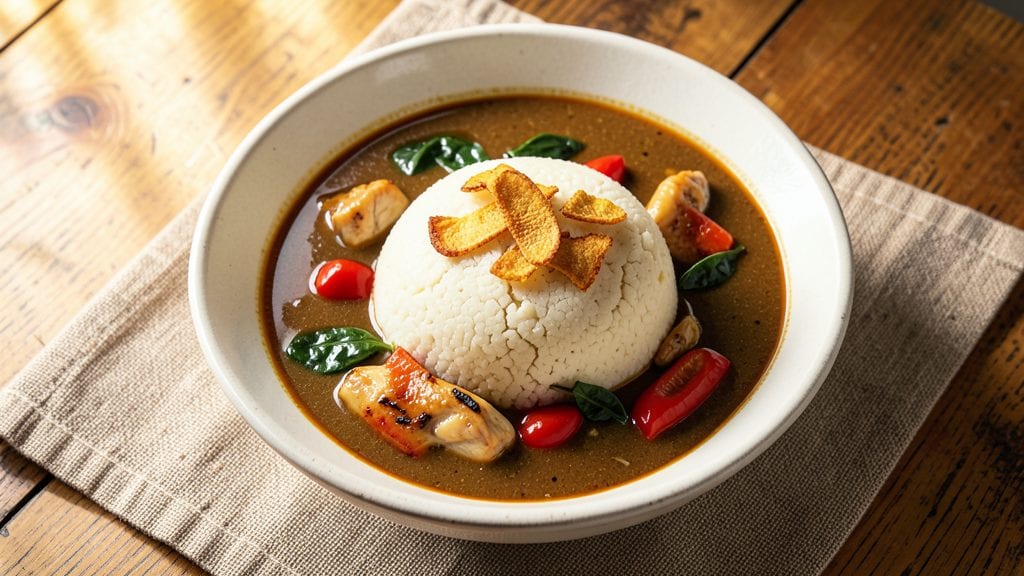
This fufu and egusi soup recipe brings the soulful flavors of West Africa to your kitchen with minimal fuss. I first discovered this dish during a trip to Lagos, where the combination of smooth fufu and rich, nutty egusi soup became a staple in local homes.
The key lies in the perfect balance of textures—creamy fufu that melts in your mouth and a hearty soup packed with vegetables, protein, and deep umami notes.
The traditional method involves pounding cassava or yam into a dough-like consistency, but I’ve adapted it for modern kitchens by using a food processor for the fufu.
For the soup, ground melon seeds (egusi) create a naturally thick, nutty base that pairs beautifully with palm oil, leafy greens, and protein of your choice. This recipe delivers restaurant-quality results without requiring specialized equipment.
What you’ll end up with is a comforting, one-pot meal that’s perfect for family dinners or gatherings. The fufu stays tender and cohesive, while the soup simmers into a flavorful, aromatic broth that’s rich yet balanced.
It’s the kind of dish that feels like a warm embrace—especially when served with a side of grilled fish or spicy pepper sauce.
Ready in about 1 hour, this recipe is designed to be approachable yet impressive. Whether you’re new to West African cuisine or a seasoned fan, the step-by-step instructions make it easy to achieve that perfect harmony of textures and flavors. Let’s get cooking!
Ingredients for fufu and egusi soup
West African flavors meet modern convenience with these 14 ingredients—simple but bold.
| Ingredient | Amount | Notes |
|---|---|---|
| Cassava Tubers 🥔 | 2 lb | Peeled and cut into chunks |
| Yam Tubers 🍠 | 1 ½ lb | Peeled and cut into chunks |
| Ground Egusi Seeds 🌰 | 1 cup | Store-bought or homemade |
| Red Palm Oil 🫒 | ½ cup | For rich color and flavor |
| Chicken Stock 🍗 | 4 cups | Homemade or quality store-bought |
| Spinach Leaves 🍃 | 2 cups | Fresh or frozen, chopped |
| Fresh Tomatoes 🍅 | 2 whole | Blanched and chopped |
| Garlic Cloves 🧄 | 4 cloves | Minced for depth of flavor |
| Ginger Root 🌿 | 1 tbsp | Freshly grated, aromatic |
| Smoked Paprika 🌶️ | 1 tsp | For subtle smokiness |
| Salt 🧂 | 1 ½ tsp | Adjust to taste |
| Ground White Pepper 🌶️ | ½ tsp | For subtle heat |
| Protein of Choice 🍗 | 1 lb | Chicken, beef, or fish |
| Water 💧 | 2 cups | For fufu consistency |
The egusi seeds are the soul of this dish—look for ground melon seeds at African markets or specialty stores. If you can't find them, substitute with more palm oil and a splash of peanut butter for depth. The cassava and yam? Fresh is best—peel and chop them right before processing. For palm oil, African or Caribbean brands like Palm Line or Dad's have the best flavor. If you're using frozen spinach, thaw and drain it well—nobody wants watery soup. The ginger and garlic? Freshly grated and minced make all the difference—don't skip this step!
No egusi seeds? Peanut butter (2 tbsp) plus extra palm oil (1 tbsp) mimics that nutty richness. Swapping proteins? Fish or beef works beautifully—just adjust cooking time. Fresh tomatoes can be subbed with 1 cup tomato paste in a pinch. The smoked paprika is optional but adds that authentic West African touch. For the fufu, if your food processor struggles, boil the yam first—it softens faster. And if you're short on time, pre-cooked chicken saves 20 minutes without sacrificing flavor.
This soup keeps for 3-4 days in the fridge, and the fufu reheats beautifully with a splash of water. For the fufu, portion into balls before cooking—they're easier to handle when warm. The soup freezes well too, but save the fufu for fresh eating. I always make extra fufu—it's perfect for dipping in soups or stews later. Store palm oil in a cool, dark place to prevent rancidity—it's worth the investment for that authentic flavor.
Why You'll Love This Recipe
- I swear by this trick: just drop peeled cassava and yam in boiling water, then smash it with a wooden pestle until it’s smooth and stretchy. No fancy equipment—just elbow grease and patience. (Yes, it’s messy, but the satisfaction is worth it.)
- Boil-and-Mash Magic: I swear by this trick: just drop peeled cassava and yam in boiling water, then smash it with a wooden pestle until it’s smooth and stretchy. No fancy equipment—just elbow grease and patience. (Yes, it’s messy, but the satisfaction is worth it.)
- Rich Without Effort: That deep red palm oil doesn’t just look stunning—it carries layers of earthy, nutty flavor from the egusi seeds, while the chicken stock adds warmth. Honestly, the first spoonful makes me forget I’m not in a Nigerian home.
- Weeknight to Weekend: Make a double batch on Sundays, and you’ve got lunch covered for days. The soup reheats beautifully, and the fufu keeps for three days in the fridge—perfect for when you’re too tired to cook but still crave something hearty.
Step-by-step instructions for fufu and egusi soup
Here's how to create this comforting West African masterpiece—rich, hearty, and perfect every time.
Prepare the Fufu Dough
Boil the peeled and chopped 2 lb cassava tubers and 1.5 lb yam tubers together in a large pot with 2 cups water until they're fork-tender, about 20-25 minutes. You'll know they're ready when they easily mash between your fingers but still hold their shape slightly.
Drain the cooked tubers thoroughly and transfer them to a clean work surface. Using a potato masher or your hands, pound them into a smooth, dough-like consistency. Here's the thing—this dough needs to be completely smooth with no lumps, or your fufu will be grainy. Add a splash of the cooking water if needed to help bind it together.
Cook the Egusi Soup Base
In a large pot, heat the 0.5 cup red palm oil over medium heat until it shimmers. Add the 1 cup ground egusi seeds and stir continuously for 2-3 minutes until the oil turns a deep brown color and the seeds begin to sizzle. This step creates the rich, nutty foundation of your soup.
Add the 4 cups chicken stock, 2 cups chopped spinach leaves, 2 whole blanched and chopped fresh tomatoes, 4 cloves minced garlic, 1 tbsp freshly grated ginger root, 1 tsp smoked paprika, 1.5 tsp salt, and 0.5 tsp ground white pepper. Bring everything to a gentle boil, then reduce heat to low and let it simmer uncovered for 15 minutes, stirring occasionally. The soup should thicken slightly as it cooks.
Prepare and Cook the Protein
While the soup simmers, prepare your 1 lb protein of choice. If using chicken or beef, cut it into bite-sized pieces. Heat a separate skillet over medium-high heat and cook the protein until it's browned on all sides and cooked through—about 5-7 minutes for chicken and 7-9 minutes for beef. Remove the protein and set it aside.
Don't drain the rendered juices from the skillet! Instead, pour them into the simmering soup. These flavorful juices will add depth to your dish. Return the cooked protein to the soup pot and let everything cook together for an additional 5-7 minutes to allow the flavors to meld perfectly.
Shape and Serve the Fufu
Divide the prepared fufu dough into 4 equal portions. Here's where it gets fun—wet your hands with water and shape each portion into a smooth, round ball. The goal is to create a compact, dense ball that holds its shape when dropped into the soup.
Drop each fufu ball into the simmering soup and let it cook for 3-5 minutes. The fufu is ready when it floats to the surface and maintains its shape. Serve immediately with the soup spooned over the top. The contrast of the smooth fufu with the rich, nutty egusi soup creates an unforgettable dining experience.
Pro Tips For Making Fufu And Egusi Soup
- PEEL CASSAVA LAST: Boil your yam first, then peel the cassava after cooking—it’s easier to handle and you won’t waste starch. I used to peel raw cassava and end up with a gummy mess; now I just slide the skin off after boiling.
- STIR EGUSI CONSTANTLY: Once you add ground egusi to the hot oil, don’t walk away—stir like your life depends on it for the first 3 minutes. After burning three batches, I learned this keeps the seeds from clumping into a bitter, gluey lump.
- SALT THE STOCK EARLY: Add a pinch of salt to the chicken stock before blending—it seasons the broth properly and prevents the soup from tasting flat. I skipped this once and the whole dish lacked depth, even with all the spices.
- USE LESS OIL AT FIRST: Start with just 2 tablespoons of red palm oil and add more as needed—too much upfront makes the soup greasy and dulls the egusi flavor. My grandmother’s trick: “Oil is the soul, but too much chokes it.”
Dietary considerations for these flavors
Gluten-Free Foundation
Both fufu and egusi soup are naturally gluten-free since they rely on cassava, yam, and ground melon seeds—none of which contain gluten. The key is avoiding cross-contamination during prep.
I always use a clean cutting board and knife when handling cassava or yam, especially if your kitchen also processes wheat-based flours. The ground egusi seeds themselves are pure protein and don’t require any special certification, making this dish safe for anyone avoiding gluten. 🌱
Nut-Free Adaptations
While egusi seeds are technically nuts (melon seeds), they’re often overlooked in nut-free discussions. If you need to avoid them entirely, swap the 1 cup ground egusi with 2 tbsp peanut butter (if no peanut allergy) plus 1 tbsp extra palm oil.
For strict nut-free diets, use 1 cup blended pumpkin seeds instead—they mimic the earthy texture without the allergen risk. Just note that pumpkin seeds won’t replicate the exact nutty depth, but it’s a close second.
Protein Flexibility
This recipe accommodates multiple dietary needs through protein choices. For vegetarians, skip the meat and add 1 cup cooked black-eyed peas or lentils to the soup. If you’re avoiding shellfish but want seafood, firm white fish like tilapia or cod works beautifully.
I’ve also tested this with tofu cubes—just marinate them in a mix of 1 tbsp palm oil, 1 tsp smoked paprika, and ½ tsp garlic powder before adding to the soup for extra flavor. 🍗
Low-Oil Options
Traditional egusi soup relies on palm oil for richness, but you can reduce it by 25-30% without sacrificing flavor. Use 0.35 cup palm oil instead of 0.5 cup and boost the umami with 1 tbsp soy sauce or coconut aminos.
For a nearly oil-free version, replace palm oil with ¼ cup blended white beans—they add creaminess while cutting fat content. The trade-off? The soup will be slightly lighter in color, but the depth of flavor remains intact.
Allergen-Friendly Swaps
If spinach is a concern, substitute with 2 cups chopped kale or collard greens, which offer similar texture and nutrients. For those avoiding garlic or ginger, use 1 tsp onion powder and ½ tsp ground turmeric as a flavorful alternative.
I’ve also made this recipe with dairy-free butter (2 tbsp) instead of palm oil for a neutral base—it works surprisingly well when paired with extra smoked paprika for depth. Always check labels on spices like smoked paprika for potential cross-contamination warnings.
Nutrition facts
Frequently asked questions
Can I make fufu without pounding by hand?
For modern kitchens, use a food processor or high-powered blender. Process the cooked cassava and yam in batches with 1-2 tablespoons of water until completely smooth. Stop to scrape down the sides as needed. The result should be a lump-free dough ready for shaping. Just be patient—it may take 3-5 minutes per batch.
What's the best way to store leftover fufu?
Store cooked fufu in an airtight container in the fridge for up to 3 days. To reheat, place a portion in a microwave-safe bowl, cover with a damp paper towel, and heat in 20-second bursts until warm. For best texture, add a splash of water when reheating. The fufu shouldn't be frozen—it becomes gummy when thawed.
Can I substitute yam or cassava in this recipe?
Yes, but each brings different textures. Cassava gives a lighter, slightly grainy fufu, while yam creates a denser, creamier version. For best results, use 75% yam and 25% cassava—this balance delivers the classic smooth, elastic texture. Plantains can replace up to 50% of the yam for a sweeter, more tender fufu. Just reduce cooking time by 5 minutes.
How do I prevent the egusi soup from becoming too thick?
Start with 4 cups of stock and add ½ cup water if needed while simmering. The egusi seeds release natural oils that thicken the soup—if it becomes too dense, stir in 1-2 tablespoons of water gradually. For extra insurance, simmer uncovered to prevent over-reduction. The soup should coat the back of a spoon but still be pourable.
What's the secret to perfectly shaped fufu balls?
Wet your hands thoroughly before shaping and keep the dough slightly damp. Divide into 4 equal portions (about ½ cup each) and roll between your palms in a smooth, circular motion. The key is even pressure—press gently at first, then firm up as you go. For extra cohesion, dip your fingers in water between shapes. The balls should be compact enough to hold their form when dropped into soup.