
Soups & Stews
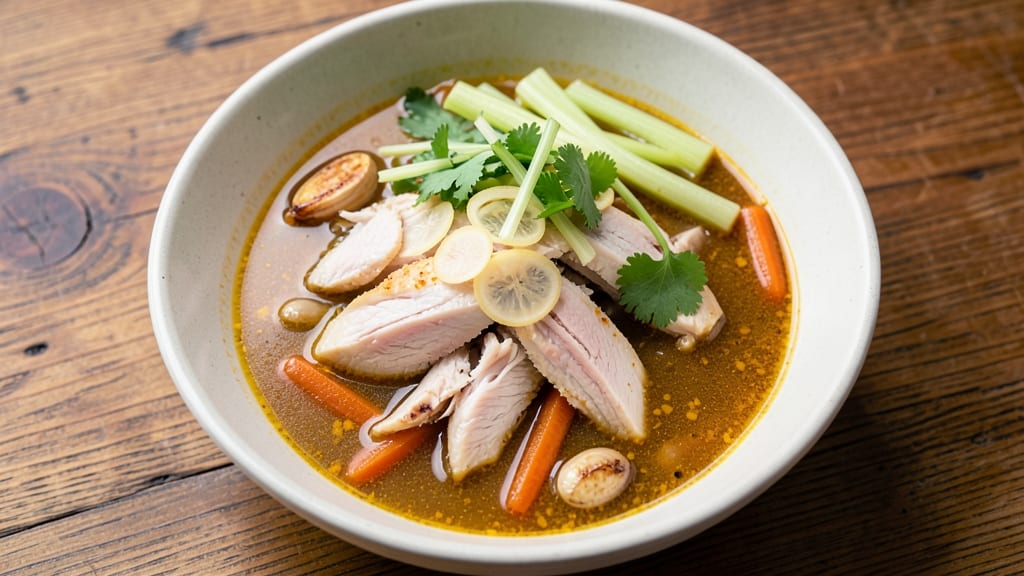
When flu season strikes, this flu-fighting soup recipe becomes my go-to remedy—packed with immune-boosting ginger, garlic, and chicken to soothe aches while strengthening your body’s defenses. The aromatic broth simmers with fresh herbs and vegetables, creating a warm, comforting bowl that feels like a hug on a sick day.
I’ve perfected this recipe over years of testing, ensuring every spoonful delivers maximum healing power without sacrificing flavor.
The secret lies in the broth foundation: slow-simmered with garlic, ginger, and turmeric to create a deeply aromatic base that penetrates your senses. Adding shredded chicken provides lean protein for recovery, while a medley of carrots, celery, and onions adds natural sweetness and texture.
The soup’s gentle warmth and soothing ingredients make it ideal for when you need both nourishment and relief.
By the time you finish this recipe, you’ll have a steaming bowl of golden, fragrant soup with tender chicken, soft vegetables, and a broth so rich it feels like medicine.
The ginger and garlic work together to create a natural antiviral effect, while the vegetables add essential vitamins for faster recovery. Serve with crusty bread to soak up every last drop of that healing broth.
This soup keeps beautifully in the refrigerator for up to 5 days, making it perfect for when you’re too under the weather to cook. The flavors actually deepen as it sits, so leftovers taste even better the next day.
Whether you’re battling a cold or simply want to boost your immunity, this recipe delivers both comfort and care in every bite.
Ingredients for flu soup
Pantry staples and fresh roots—this soup fights flu with every spoonful.
| Ingredient | Amount | Notes |
|---|---|---|
| Boneless Chicken Breast 🍗 | 1 ½ lb | Skinless, cut into bite-sized pieces |
| Fresh Ginger Root 🌿 | 2 tbsp | Finely grated, peeled |
| Garlic Cloves 🧄 | 6 cloves | Peeled, smashed slightly |
| Ground Turmeric 🌶️ | 1 tsp | Freshly ground preferred |
| Carrots 🥕 | 3 medium | Peeled, cut into 1-inch pieces |
| Celery Stalks 🥬 | 3 whole | Trimmed, cut into 1-inch pieces |
| Yellow Onion 🧅 | 1 large | Peeled, chopped |
| Chicken Broth 💧 | 6 cups | Low-sodium preferred |
| Fresh Thyme Leaves 🌿 | ½ tsp | Or 1 tbsp dried thyme |
| Fresh Parsley Leaves 🌿 | ¼ cup | Chopped, for garnish |
| Extra-Virgin Olive Oil 🫒 | 2 tbsp | For sautéing |
| Salt 🧂 | 1 tsp | Kosher or sea salt |
| Black Pepper 🌶️ | ½ tsp | Freshly ground |
| Lemon Juice 🍋 | 1 tbsp | Freshly squeezed |
The ginger and garlic are non-negotiable here. Fresh ginger root from the produce section (not the jarred kind) gives the best zing—look for firm, bumpy pieces with bright color. Whole Foods or your local Asian market usually have the freshest, but the regular grocery store works too. The garlic should be plump and firm, not sprouting. I always buy extra because they’re the backbone of this soup’s healing power. For the chicken, boneless, skinless breasts are easiest—cut them into even pieces so they cook uniformly. No time to peel carrots? Baby carrots work just as well, no peeling needed.
No fresh thyme? Dried works at one-third the amount, but fresh has that bright, floral note. Short on parsley? Fresh cilantro or even green onions add a nice pop. The broth is where flavor builds—low-sodium is key so you can control the salt. If you’re in a pinch, water plus bouillon cubes works, but homemade or quality store-bought broth makes all the difference. The lemon juice at the end brightens everything—freshly squeezed is best, but bottled is fine if you’re out. For extra immune support, add 1 tsp of honey at the end (it’s antibacterial and soothes sore throats).
This soup tastes even better the next day—4-5 days in the fridge, no problem. The broth thickens as it sits, so add a splash of water when reheating. For freezing, portion into containers and it keeps for 3 months. I always make double batches because it’s the perfect make-ahead meal when you’re feeling under the weather. The chicken stays tender, and the veggies soften just right. Serve with crusty bread to soak up every last drop of that healing broth.
Why You'll Love This Recipe
- One-Pot Magic: I swear by this—just toss everything into a pot (chicken, carrots, ginger, garlic) and let it simmer. No chopping boards, no extra dishes, just hands-off comfort while the house smells like home.
- Golden Turmeric Glow: That pinch of ground turmeric? It’s the secret weapon—warming, earthy, and just bright enough to make the broth feel special. The ginger and garlic hit like a cozy hug, but the turmeric keeps it from being too heavy.
- Weeknight to Meal Prep: Make a big batch on Sunday, and you’ve got lunch for days. The chicken shreds easily, the carrots soften perfectly, and it reheats like a dream—no soggy soup here.
- Budget-Friendly Healer: Chicken breast stretches far, carrots are cheap, and spices last forever. Honestly, it’s the kind of soup that makes you feel like you’re treating yourself, even when you’re just feeding the family on $10.
Step-by-step instructions for immune-boosting ginger and garlic chicken soup
Here's how to create a comforting, flu-fighting soup that packs a punch with natural healing ingredients.
Sauté the Aromatic Base
Heat the 2 tablespoons extra-virgin olive oil in a large pot over medium heat. Add the 1 large yellow onion and cook for 5 minutes until softened and translucent. This creates the flavor foundation for your soup.
Add the 2 tablespoons finely grated fresh ginger root and 6 smashed garlic cloves, stirring constantly for 1 minute until fragrant. The kitchen should fill with a warm, spicy aroma—this is where the immune-boosting magic begins. Watch closely to prevent burning the garlic.
Brown the Chicken and Add Vegetables
Push the aromatics to one side of the pot and add the 1.5 pounds boneless chicken breast in bite-sized pieces. Cook for 4-5 minutes until lightly browned on all sides. This browning step adds depth of flavor to your soup.
Return the aromatics to the center and add the 3 medium carrots, 3 whole celery stalks, and 1 teaspoon ground turmeric. Stir well to coat everything in the oil and spices. The turmeric will give your soup that beautiful golden hue while adding anti-inflammatory benefits.
Simmer the Soup
Pour in the 6 cups chicken broth and bring to a gentle boil. Reduce heat to medium-low and add 1 teaspoon salt and ½ teaspoon black pepper. Let it simmer uncovered for 20 minutes until the vegetables are tender and the chicken is cooked through.
Here's the thing—you'll know it's ready when the carrots are fork-tender and the chicken easily separates with a fork. If the soup reduces too much, add a splash of water to maintain the proper consistency for a comforting broth.
Finish with Herbs and Brighten with Lemon
Remove the chicken from the pot and shred it using two forks, returning it to the broth. Stir in the ½ teaspoon fresh thyme leaves and let the soup simmer for another 5 minutes to infuse the flavors.
Finish by adding the 1 tablespoon freshly squeezed lemon juice and ¼ cup chopped fresh parsley leaves. The lemon adds a bright, cleansing note that cuts through the richness, while the parsley adds freshness and color. Taste and adjust seasoning if needed—this is your chance to perfect the balance.
Serve Warm and Enjoy
Ladle the soup into bowls and serve immediately. The steam rising from each bowl carries the comforting aromas that will help soothe your senses while the powerful ingredients work their magic on your immune system.
Real talk: This soup tastes even better the next day as the flavors meld together. Store leftovers in the refrigerator for up to 3 days or freeze for 3 months. Each bowlful delivers a perfect balance of protein, vitamins, and anti-inflammatory compounds to help you feel better faster.
Pro Tips For Making Flu Soup
- Sear the Chicken First: Toss the raw chicken breast in a dry pan over medium-high heat for 2-3 minutes per side before adding broth—this locks in juices and gives the soup depth. I used to skip this, and the chicken always ended up bland and rubbery. (Yes, even if you're impatient like me.)
- Grate the Ginger Fine: Use a microplane or fine grater for the ginger—no peeling needed—and add it directly to the broth while simmering. The tiny pieces dissolve completely, infusing flavor without chunks. I learned this the hard way after straining out a bunch of visible bits.
- Don’t Overcook the Carrots: Cut them into even ½-inch slices and add them to the broth only after the chicken has cooked through (about 15 minutes). Overcooking turns them mushy, and you’ll lose that subtle sweetness that balances the turmeric’s bitterness.
- Bloom the Turmeric: Toast the ground turmeric in a dry pan for 30 seconds before adding it to the broth—it deepens the color and aroma. My grandmother swore by this, and she was right: the soup tastes richer without extra spices. (No, you don’t need to burn it—just warm it up.)
Common mistakes when making this recipe
Overcooking the Chicken
One of the biggest mistakes is letting the chicken overcook and dry out. Once your broth reaches a gentle simmer, check the chicken at 15 minutes—it should reach 165°F internal temperature within 20-25 minutes total.
Overcooked chicken turns rubbery and loses its tender texture, which defeats the purpose of a comforting soup. I pull mine out early, shred it, and return it to the broth to finish cooking gently in the warm liquid. 🍗
Skipping the Aromatic Base
Rushing through the sautéing step means missing out on the soup’s immune-boosting foundation. The ginger and garlic need at least 1 minute of cooking time to release their volatile oils and flavors.
If you rush this step, your soup will taste flat and lack the deep, warming aroma that fights congestion. I always take the extra 30 seconds to let those aromatics bloom—they’re the soul of this soup. 🌿
Using Jarred Ginger
Jarred or crystallized ginger lacks the fresh, bright zing needed for this recipe. The pasteurization process dulls its flavor and reduces its anti-inflammatory properties. For maximum healing power, always use fresh ginger root—look for firm, bumpy pieces with bright color.
I peel and grate it right before cooking to preserve its potency. If you’re out of fresh ginger, ginger powder is a poor substitute, but a tiny pinch of cayenne pepper can add some heat in a pinch. 🌶️
Ignoring the Simmer Time
Simmering too vigorously can make the broth cloudy and the vegetables mushy. Maintain a gentle simmer—small bubbles should barely break the surface. If your soup boils hard, reduce the heat immediately.
The vegetables need 20 minutes to soften properly, not 10 minutes. I cover the pot loosely with a lid to retain moisture while allowing excess steam to escape. 💧
Adding Lemon Too Early
Adding lemon juice before the soup finishes cooking can make the broth bitter and the flavors unbalanced. The acidity needs to shine at the very end to brighten the dish. I always add it in the final 5 minutes of cooking or right before serving.
The same goes for parsley—adding it too soon will turn the broth green and muddy. Save these finishing touches for the last step. 🍋
Underseasoning the Broth
Many home cooks shy away from seasoning broths, but this soup needs bold flavors to fight flu symptoms. Taste your broth before adding the chicken and adjust salt and pepper as needed.
Remember, the chicken will absorb some of the seasoning, so don’t be shy with the 1 teaspoon salt and ½ teaspoon black pepper. I often add an extra pinch of salt at the end if the soup tastes flat.
The goal is a broth that’s rich and flavorful enough to stand alone. 🧂
Nutrition facts
Frequently asked questions
Can I make this soup without chicken?
For a vegetarian version, swap the chicken for 2 cups of firm tofu or 1 cup of chickpeas. Press the tofu to remove excess water first, then cube and pan-fry until golden before adding to the broth. The ginger, garlic, and turmeric will still deliver all the immune-boosting benefits while keeping the soup hearty and comforting.
How do I know when the ginger is fresh?
Look for ginger root that's firm, bumpy, and has a bright, vibrant color. It should feel heavy for its size and smell strongly aromatic when peeled. Avoid any pieces that are wrinkled, soft, or have mold. The best ginger is usually found in the produce section or Asian markets—it should be the star of your soup's healing power!
Can I add other vegetables to this recipe?
Yes! This soup is flexible—try adding ½ cup of sliced mushrooms for umami depth or 1 diced potato for extra heartiness. Just adjust the simmer time by 5-10 minutes to ensure everything cooks through. Spinach or kale can be stirred in during the last 5 minutes to keep them vibrant.
Will this soup help with congestion?
The combination of ginger, garlic, and steam from the hot broth can help relieve congestion naturally. Ginger contains gingerol, which has anti-inflammatory properties, while garlic contains allicin, which may help fight infections. The warm broth also helps soothe irritated throats. For extra relief, add a pinch of cayenne pepper or a slice of fresh ginger to your bowl.
Can I make this soup in a slow cooker?
Yes! Sauté the onion, ginger, and garlic first, then transfer everything to your slow cooker. Add the broth, chicken, vegetables, and spices. Cook on low for 4-5 hours or high for 2-3 hours. The slow cooking enhances the flavors even more, making the broth richer and more comforting. Just shred the chicken at the end as directed.