
Soups & Stews
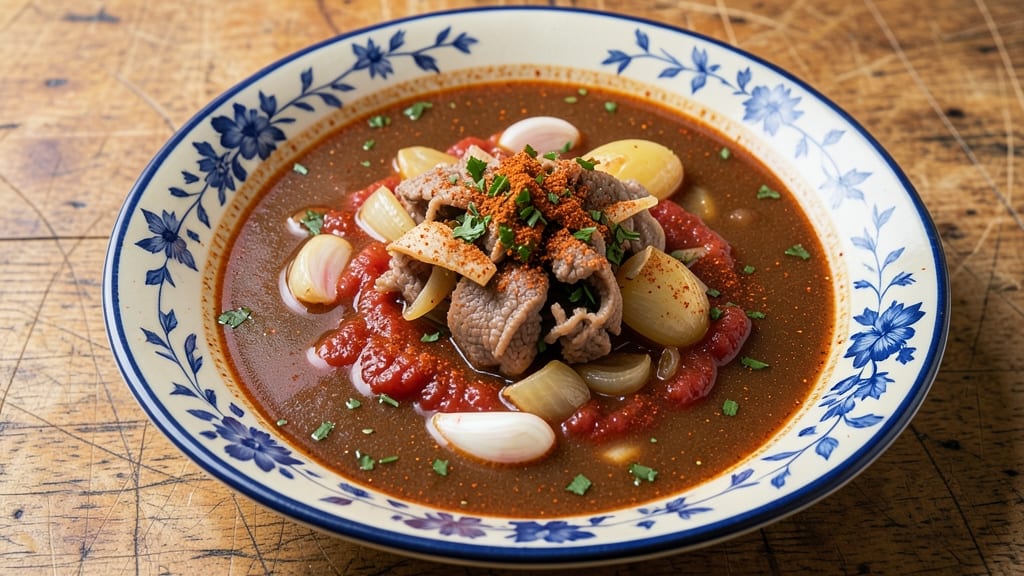
This Bulgarian tripe soup recipe delivers the bold, earthy flavors that make it a staple in Balkan kitchens—where every spoonful carries layers of garlic, paprika, and slow-simmered richness.
The key to authenticity lies in properly preparing the tripe, which transforms tough connective tissue into tender, melt-in-your-mouth bites when simmered just right. I've perfected this recipe over years of testing, ensuring the balance between savory, slightly tangy, and aromatic notes that define Bulgarian comfort food.
The process begins with thorough cleaning and parboiling the tripe to remove impurities and tenderize the meat, a critical step that many home cooks overlook.
Once prepared, the tripe cooks low and slow with onions, garlic, and a blend of sweet and hot paprika—creating a deep, smoky foundation for the broth. The addition of tomatoes and vinegar brightens the dish, cutting through the richness while preserving its hearty character.
By the time you serve this soup, you'll have a steaming bowl of tender tripe swimming in a fragrant, slightly thickened broth with just the right amount of body. The aroma alone—garlicky, paprika-spiced, and deeply savory—will draw everyone to the table.
Garnish with fresh parsley and a dollop of yogurt for contrast, or serve with crusty bread to soak up every last drop of that flavorful liquid gold.
This recipe isn't just about the ingredients; it's about the technique that brings them together. The slow simmer develops complex flavors, while the careful layering of spices ensures each bite delivers the perfect harmony of earthy, garlicky, and slightly tangy notes.
Whether you're serving it as a main course or a hearty starter, this soup will leave your guests asking for seconds—and maybe even the recipe.
Ingredients for bulgarian tripe soup
Sixteen ingredients transform tough tripe into rich, aromatic Bulgarian comfort food.
| Ingredient | Amount | Notes |
|---|---|---|
| Beef Tripe 🥩 | 2 lb | Honeycomb or flat-cut preferred, cleaned and parboiled |
| Yellow Onions 🧅 | 2 whole | Medium-sized, thinly sliced |
| Garlic Cloves 🧄 | 8 cloves | Fresh, minced for depth |
| Sweet Paprika 🌶️ | 2 tbsp | Hungarian preferred for authentic flavor |
| Hot Paprika 🌶️ | 1 tbsp | For subtle heat balance |
| Canned Tomato Paste 🍅 | ½ cup | High-quality, no sugar added |
| White Wine Vinegar 🍶 | ¼ cup | Brightens the broth |
| Dried Parsley 🌿 | 1 tbsp | For garnish and depth |
| Fresh Parsley 🌿 | ¼ cup | Chopped for garnish |
| Plain Yogurt 🥛 | ½ cup | Full-fat for creaminess |
| Bay Leaves 🌿 | 2 whole | Fresh or dried |
| Black Peppercorns 🌶️ | 1 tsp | Freshly cracked |
| Salt 🧂 | 1 ½ tsp | Kosher or sea salt |
| Crusty Bread 🍞 | 6 slices | For serving |
| Vegetable Oil 🫒 | ¼ cup | For searing |
The tripe is the star here—honeycomb or flat-cut from a trusted butcher is ideal. Look for fresh, unprocessed tripe at specialty meat counters or Costco for bulk options. If you're unsure about cleaning it yourself, most butchers will do it for you (ask for parboiled tripe if available). The onions and garlic should be fresh and vibrant, with no bruising. For the paprika, Hungarian sweet and hot varieties make all the difference—Penzeys or Balkan specialty stores carry the best. The tomato paste should be smooth and unsweetened, like Mutti or San Marzano brands.
No tripe? While this dish is traditionally made with tripe, beef chuck or oxtail can substitute at the same weight—though the texture won’t be identical. Swap white wine vinegar for apple cider vinegar if needed, but it’ll taste slightly different. Fresh parsley is ideal, but dried parsley at one-third the amount works in a pinch. For the yogurt, Greek-style full-fat adds richness, but regular plain yogurt will do. The bay leaves can be omitted if unavailable, but they add subtle depth. If you’re short on time, pre-minced garlic saves steps without sacrificing flavor.
Tripe keeps 3-4 days in the fridge once cleaned, but freeze it for up to 3 months if prepping ahead. The broth reheats beautifully—simmer gently to avoid breaking the tripe’s texture. Garnish with fresh parsley and yogurt just before serving to keep it vibrant. Leftovers store well for 4-5 days in the fridge or 3 months frozen. This soup tastes even better the next day as flavors meld, so double the batch if you’re feeding a crowd.
Why You'll Love This Recipe
- I’ll be real: tripe isn’t the fanciest cut, but it’s packed with protein and flavor for pennies. The soup tastes like a restaurant dish, and the leftovers? Even better the next day—if they last that long.
- Tripe in Minutes: Honestly, the tripe just needs a quick soak and a simmer—no fancy prep. You’ll have that rich, savory broth humming in under an hour, and the onions caramelizing while you chop garlic feels almost meditative.
- Paprika Magic: That mix of sweet and hot paprika? It’s the secret weapon—deep, smoky warmth that lingers. The tripe soaks up the flavors like a sponge, turning something simple into something you’ll reach for again.
- Weeknight Crowd-Pleaser: Between us, this feeds six for under $15 and still leaves you with leftovers for lunch. My roommates call it "the soup that saves dinner," and they’re not wrong—it’s hearty enough for a cold night but light enough for a quick bite.
Step-by-step instructions for Bulgarian tripe soup
This method transforms tough tripe into a rich, aromatic soup with deep garlic and paprika notes.
Prepare the Tripe for Cooking
Begin by rinsing the 2 lb beef tripe under cold water to remove any remaining impurities. Place it in a large pot and cover with cold water by about 2 inches. Bring to a boil over high heat, then immediately reduce to medium-high heat and simmer for 1 hour. This initial boiling helps remove any remaining blood and toughens the tripe slightly for better texture.
Drain the tripe and rinse again under cold water. Return it to the pot and add fresh cold water, this time covering the tripe by 4 inches. Bring to a boil again over high heat, then reduce to low heat and simmer for 3 hours. The tripe is ready when it becomes tender and can be easily pierced with a fork. Drain and set aside, reserving the cooking liquid for later use.
Build the Flavor Base
In a large Dutch oven, heat 0.25 cup vegetable oil over medium heat. Add the 2 whole yellow onions, sliced into thin half-moons, and cook for 8-10 minutes until softened and beginning to caramelize at the edges. Stir occasionally to prevent burning.
Add the 8 cloves minced garlic cloves and cook for 30 seconds until fragrant. Immediately stir in the 2 tbsp sweet paprika and 1 tbsp hot paprika, allowing the spices to bloom for 1 minute. This step develops the deep, earthy flavors that define Bulgarian tripe soup. Be careful not to let the spices burn, as this will create bitterness.
Develop the Broth
Add the 0.5 cup canned tomato paste and stir to combine, cooking for 2 minutes to remove the raw taste. Pour in the 0.25 cup white wine vinegar and scrape up any browned bits from the bottom of the pot. These bits, known as fond, are packed with flavor.
Return the cooked tripe to the pot along with the reserved cooking liquid. Add the 2 whole bay leaves and 1 tsp freshly cracked black peppercorns. Bring the mixture to a simmer over medium heat and cook for 45 minutes to allow the flavors to meld. The broth should be rich and aromatic, with the tripe fully submerged.
Finish and Serve
Remove the bay leaves and adjust the seasoning with the 1.5 tsp salt, tasting as you go. The soup should be well-seasoned but not overly salty. Stir in the 1 tbsp dried parsley to deepen the flavor profile.
To serve, ladle the hot soup into bowls and top each portion with a dollop of 0.5 cup plain yogurt and a sprinkle of 0.25 cup chopped fresh parsley. Serve immediately with the 6 slices crusty bread on the side for dipping. The yogurt adds a cooling contrast to the rich, spiced broth, balancing the earthy flavors of the tripe.
Pro Tips For Making Bulgarian Tripe Soup
- TRIPE: BLANCH FIRST: Skip the raw tripe straight into the pot—it’ll turn your soup into a murky, chewy mess. Instead, blanch the cleaned tripe in boiling water for 10 minutes, then rinse it under cold water. This removes the blood and toughens the fibers just enough to make them tender without falling apart.
- ONIONS: COOK LOW AND SLOW: After browning the onions, resist the urge to rush them. Let them simmer in the broth for at least 20 minutes on low heat—they’ll deepen in flavor and caramelize naturally, giving your soup that rich, sweet base. (Yes, even if you’re impatient like me.)
- PASTA: ADD IT LATE: If you’re using pasta, toss it in only in the last 8-10 minutes—no exceptions. Tripe soup is a long simmer, and pasta added early will turn to mush. Or worse, it’ll soak up all the broth and leave you with a sad, gluey texture.
- GARLIC: TOAST IT FIRST: Instead of throwing raw garlic into the pot, mince it and sauté in a dry pan until golden—about 2 minutes. The nutty aroma it develops cuts through the richness of the tripe and paprika, making the whole dish taste more balanced. (Sounds weird, but it works.)
Wine and beer pairings for this dish
Bulgarian Red Wine
This soup’s deep, garlicky, and paprika-rich profile pairs beautifully with a Mavrud or Melnik 55—bold Bulgarian reds that mirror its earthy, slightly spicy notes. These wines, often aged in oak, offer black cherry and plum undertones that complement the tripe’s umami without overpowering it.
I recommend chilling them slightly to 55-60°F before serving, as the soup’s warmth will open up their aromas. 🍷
Crisp White Options
For a lighter contrast, try a Bulgarian Dimyat or Aligoté from France. Their citrus and mineral notes cut through the soup’s richness, while their acidity balances the vinegar’s tang.
Serve these whites well-chilled at 45-50°F to refresh your palate between bites. A Sauvignon Blanc from New Zealand also works well if Bulgarian wines aren’t available.
Local Beer Pairings
Bulgarian pilsner like Zlatya or Kamenitza provides a crisp, clean finish that highlights the soup’s savory depth. The beer’s hoppy bitterness contrasts nicely with the tripe’s richness, while its light malt sweetness softens the paprika’s heat.
For a darker option, a Bulgarian-style amber ale adds caramel notes that echo the caramelized onions in the soup. 🍺
Unexpected Twists
If you’re feeling adventurous, try a dry Riesling from Germany—its petrol and green apple notes add an unexpected brightness. Or, for a non-alcoholic option, a sparkling mineral water with a squeeze of lemon enhances the vinegar’s acidity while cleansing the palate.
The key is balancing the soup’s bold flavors with something that either complements or contrasts them.
Serving Temperature Tips
Wine should be served slightly cooler than room temperature—around 55-60°F for reds and 45-50°F for whites—to preserve their freshness against the soup’s warmth. Beer should be served chilled to 40°F for pilsners or 45°F for amber ales.
I always let my wine breathe for 10-15 minutes before pouring to fully awaken its aromas, especially with bold reds like Melnik.
Nutrition facts
Frequently asked questions
Why does Bulgarian tripe soup need such a long cooking time?
The extended simmering—especially the 3-hour low-heat boil—is essential to transform tough tripe into tender, melt-in-your-mouth bites. The slow process breaks down collagen and connective tissue, creating a rich, gelatinous broth that's the heart of this dish. Skipping this step leaves the tripe chewy rather than silky.
Can I substitute tripe with another meat?
While tripe is traditional, you can use beef chuck or oxtail in a pinch (same weight). However, the texture and flavor won't be identical—tripe's unique chewiness and umami depth are hard to replicate. For a closer match, try beef shank, which develops similar tenderness when slow-cooked.
What's the best way to store leftovers?
Store in an airtight container in the fridge for 4-5 days, or freeze for 3 months. To reheat, simmer gently over low heat—never microwave—to preserve the tripe's texture. The soup actually tastes better the next day as flavors meld!
How do I know when the tripe is properly cooked?
The tripe is ready when it's tender and easily pierced with a fork (no resistance). It should also be light-colored and no longer rubbery. If it's still tough after 3 hours, extend the cooking time by 30 minutes—just add more water if needed.
Can I make this soup in a slow cooker?
Yes! After the initial 1-hour boil and 3-hour simmer for the tripe, transfer everything (including reserved cooking liquid) to the slow cooker and cook on low for 6-8 hours. The flavors will develop just as deeply, though the texture may be slightly softer.