Soups & Stews
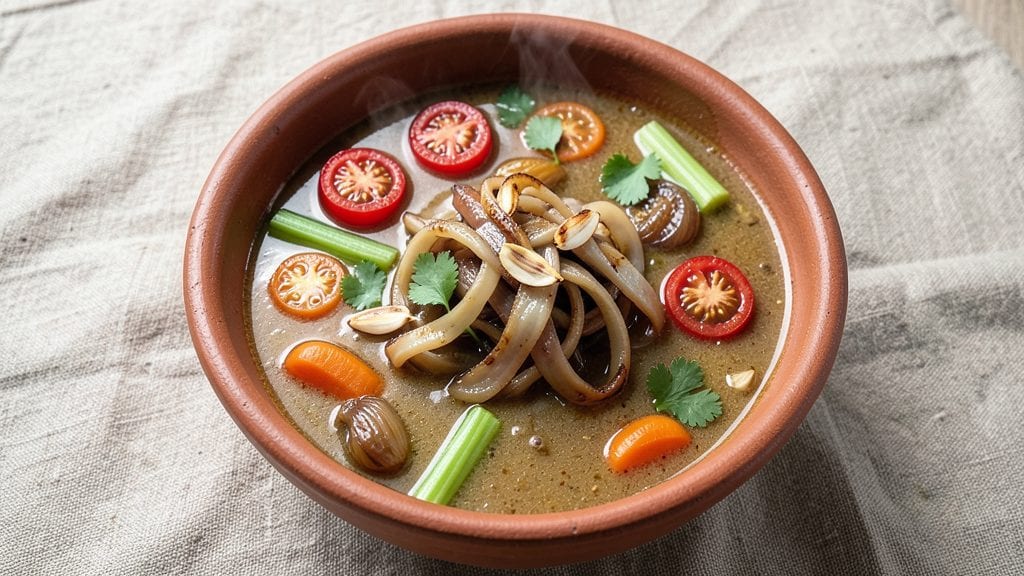
This Mexican beef tripe soup recipe transforms humble tripe into a deeply flavorful, slow-simmered masterpiece that balances earthy cumin with bright citrus notes. Professional chefs swear by the technique of parboiling tripe first—it removes impurities while preserving texture, creating the tender yet firm bite that defines authentic Mexican soups.
The key lies in layering spices gradually, allowing each aroma to develop as the broth reduces into rich complexity.
What sets this recipe apart is the harmony between traditional methods and modern convenience—no shortcuts, just precise timing. You'll start with a quick parboil to cleanse the tripe, then build a robust broth using tomatoes, garlic, and onions as the flavor foundation.
The secret weapon? Toasting whole cumin seeds and dried oregano in hot oil before adding them to the pot—this unlocks their full aromatic potential, creating depth that store-bought spices simply can't match.
By the final simmer, you'll have a soup where tender tripe floats in a velvety broth infused with smoky cumin, bright chili, and a touch of citrus. The texture is unmistakably satisfying—tripe with just enough resistance to hold its shape, surrounded by vegetables that soften into sweet submission.
This isn't just soup; it's a flavor experience that transforms any meal into an occasion.
Serve with warm tortillas for dipping or a sprinkle of fresh cilantro and lime to brighten each spoonful. The leftovers only improve as flavors meld further, making this a recipe worth doubling.
Ready to master the art of slow-simmered Mexican tripe soup? Let's begin with the preparation steps that build this restaurant-quality dish from scratch.
Ingredients for mexican beef tripe soup
Sixteen ingredients, slow-simmered perfection. The foundation of authentic Mexican tripe soup begins here.
| Ingredient | Amount | Notes |
|---|---|---|
| Beef Tripe 🥩 | 2 lb | Honeycomb or plain cut preferred |
| Yellow Onions 🧅 | 2 whole | Medium size, roughly chopped |
| Garlic Cloves 🧄 | 6 cloves | Fresh, peeled and smashed |
| Tomatoes 🍅 | 4 whole | Roma or vine-ripened, quartered |
| Carrots 🥕 | 3 whole | Medium size, cut into chunks |
| Celery Stalks 🥬 | 3 whole | Cut into 1-inch pieces |
| Cumin Seeds 🌿 | 1 ½ tbsp | Whole seeds, toasted |
| Dried Oregano 🍃 | 1 tbsp | Mexican oregano preferred |
| Ground Cumin 🌶️ | 1 tbsp | For extra depth |
| Dried Chili Powder 🔥 | 1 ½ tbsp | Medium heat preferred |
| Bay Leaves 🍃 | 2 whole | Dried, standard size |
| Extra-Virgin Olive Oil 🫒 | ¼ cup | For toasting spices |
| Lime Juice 🍋 | ¼ cup | Freshly squeezed |
| Salt 🧂 | 1 ½ tsp | Kosher or sea salt |
| Black Peppercorns 🌶️ | ½ tsp | Freshly cracked |
| Fresh Cilantro 🌿 | ¼ cup | Chopped, for garnish |
The beef tripe is non-negotiable—look for honeycomb or plain cut at specialty butchers or Latin markets. Costco or Whole Foods often carry it pre-cleaned, saving you the parboiling step. If your tripe smells strongly of ammonia, it needs a thorough rinse before cooking. For the tomatoes, San Marzano canned tomatoes add sweetness, but fresh Roma tomatoes work beautifully too. The onions and garlic should be fresh—no wilting or bruising. Toasting the cumin seeds in olive oil unlocks their full aroma, so don't skip this step. Penzeys or bulk bins at natural food stores offer the freshest spices, but even regular grocery store dried oregano will work if it's labeled 'Mexican oregano'—it has a distinct earthier flavor.
No cumin seeds? Ground cumin at double the amount works in a pinch, though it lacks the toasted depth. Substitute dried chili powder with ancho chili powder for a smokier profile. Fresh cilantro can be swapped for parsley if you're out, but it won't have the same bright, citrusy kick. The lime juice is essential—it cuts through the richness and brightens the broth. If you can't find Mexican oregano, regular dried oregano plus a pinch of thyme mimics the flavor. For the tripe, if you can't find it fresh, frozen tripe works just as well—thaw it in cold water before parboiling. The key is ensuring the tripe is tender but still holds its shape, so don't overcook it during the initial parboil.
This soup tastes even better the next day as flavors meld further. Store in an airtight container in the fridge for up to 5 days, or freeze portions for 3 months. The broth thickens as it cools, so add a splash of water or broth when reheating. For meal prep, double the recipe and freeze half—it reheats beautifully. Serve with warm tortillas or crusty bread to soak up every last drop of that rich, spice-infused broth. The leftovers make for an easy lunch, and the flavors only deepen over time.
Why You'll Love This Recipe
- Here’s what sold me: this soup only gets better the next day. The flavors meld even more, and the tripe stays perfectly tender. I make a double batch on Sundays, and by Wednesday, my family’s already asking for seconds. (Yes, even on a Tuesday night.)
- One-Pot Magic: I swear by this recipe—just toss everything into a pot, simmer, and walk away. No chopping boards overflowing, no tiny bits of garlic flying across the kitchen. The onions and carrots soften into the broth while the tripe gets tender, and honestly? That’s half the battle won.
- Deep Umami Love: Between us, this soup is ridiculously good. The tripe soaks up the garlic and tomatoes until it’s fall-apart tender, and the onions caramelize just enough to add this sweet, savory depth. It’s the kind of flavor that sticks with you—like a hug in a bowl.
- Leftovers That Beg for More: Here’s what sold me: this soup only gets better the next day. The flavors meld even more, and the tripe stays perfectly tender. I make a double batch on Sundays, and by Wednesday, my family’s already asking for seconds. (Yes, even on a Tuesday night.)
Step-by-step instructions for Mexican beef tripe soup
This method delivers rich, aromatic tripe soup with tender meat and deep spice layers.
Prepare and Parboil the Beef Tripe
Start by rinsing the 2 lb beef tripe thoroughly under cold water to remove any impurities. This step is crucial—tripe can hold debris from processing. Cut the tripe into 1-inch thick strips using a sharp chef's knife, removing any tough membranes or silver skin you encounter. Place the tripe in a large pot and cover with cold water by about 2 inches.
Bring to a boil over high heat, then immediately reduce to a gentle simmer. Add 1.5 tsp salt and 0.5 tsp black peppercorns to the water. Parboil the tripe for 15 minutes, skimming off any foam that rises to the surface. This initial cooking removes impurities and begins tenderizing the meat. Drain the tripe and set it aside for now—it will continue cooking in the soup.
Toast Spices and Sauté Aromatics
In a separate large pot or Dutch oven, heat 0.25 cup extra-virgin olive oil over medium heat. Add the 1.5 tbsp cumin seeds and toast them for 1 minute until they release their aroma and begin to sizzle. Remove the pan from heat briefly and add the 2 whole bay leaves, 1 tbsp dried oregano, 1 tbsp ground cumin, and 1.5 tbsp dried chili powder. Stir to coat the spices with oil, then return the pan to medium heat. Cook for 30 seconds until fragrant.
Add the 2 whole yellow onions, 3 whole carrots, and 3 whole celery stalks, all cut into chunks. Sauté for 5 minutes until the onions soften and the vegetables begin to release their juices. Add the 6 cloves garlic cloves (peeled and smashed) and cook for another 30 seconds until fragrant. This step builds the soup's aromatic foundation—don't rush it.
Simmer the Soup Base
Pour in 8 cups of water (enough to cover the vegetables by about 1 inch) and bring the mixture to a boil. Once boiling, reduce heat to low and add the parboiled beef tripe strips, 4 whole tomatoes (quartered), and the 1.5 tsp salt. Stir gently to combine, then cover the pot and let it simmer for 1 hour. This slow cooking allows the tripe to become tender while absorbing the rich flavors of the spices and vegetables.
After 1 hour, check the tripe for tenderness. It should be fork-tender but not falling apart. If it's still slightly tough, continue simmering for another 30 minutes. Skim off any excess fat that rises to the surface during cooking. The soup should have a deep, aromatic scent with layers of cumin, chili, and oregano.
Finish and Adjust Seasoning
Once the tripe is tender, stir in the 0.25 cup lime juice and taste the soup. Adjust the seasoning with additional salt or dried chili powder if needed. The lime juice brightens the flavors and balances the richness of the tripe. Remove the bay leaves from the soup—they've served their purpose and can be discarded.
Simmer the soup uncovered for another 10 minutes to allow the flavors to meld and the liquid to slightly reduce. This final step ensures the soup has a concentrated, robust taste. Remove from heat and let it rest for 5 minutes before serving. This resting period allows the tripe to reabsorb some of its juices, keeping each bite tender.
Serve with Fresh Garnish
Ladle the soup into bowls and garnish each serving with 0.25 cup fresh cilantro, chopped finely. The cilantro adds a fresh contrast to the deep, spiced flavors of the soup. Serve immediately while hot, accompanied by warm tortillas or crusty bread to soak up the rich broth. The soup should have a velvety texture with tender tripe that pulls apart easily and a broth that's aromatic and well-balanced in spice and acidity.
Pro Tips For Making Mexican Beef Tripe Soup
- BLANCH TRIPE FIRST: Skip the raw tripe straight into the pot—it’ll turn your soup into a murky, gamey mess. Give it a quick 5-minute boil in salted water, then rinse under cold water to remove scum. I learned this the hard way after my first batch tasted like leather.
- CARAMELIZE ONIONS LOW: High heat burns onions faster than you can blink, and you’ll end up with bitter bits clinging to the pot. Simmer them on medium-low for 15 minutes until deep golden, stirring occasionally. Sounds tedious, but it’s the thing that matters most for flavor.
- CRUSH GARLIC WITH SALT: Minced garlic burns in seconds and loses its punch. Instead, smash the cloves with a pinch of salt on the cutting board before adding them to the pot—it keeps them intact and releases flavor steadily. My grandmother swore by this, and she was right.
- USE ROASTED TOMATOES: Fresh tomatoes turn mushy and watery in soup. Halve them, toss with oil and salt, and roast at 400°F (200°C) for 15 minutes before adding. The concentrated sweetness cuts through the tripe’s richness without falling apart. Worth the extra 10 minutes.
Common mistakes when making this dish
Skipping Parboil Step
Tripe is notorious for holding impurities, so skipping the initial parboil is a rookie mistake. If you skip this step, your soup will taste bitter and off-putting.
Always parboil for 15 minutes to remove any ammonia or processing residues. I've ruined batches by rushing this step—trust me, it's worth the extra time. 💫
Overcrowding the Pot
Don't try to cook tripe in a pot that's too small. Overcrowding leads to uneven cooking and a broth that doesn't develop proper depth. Use a Dutch oven or large stockpot that gives each piece of tripe room to move freely.
I once cooked tripe in a cramped pot and ended up with some pieces barely cooked while others were mushy. Aim for at least 2 inches of space between ingredients when adding them to the pot.
Adding Lime Too Early
Adding lime juice before the soup is fully cooked will make the broth turn cloudy and dull the flavors. The acidity in lime can also cause the tripe to become rubbery if introduced prematurely.
Always add the 0.25 cup lime juice during the final 10 minutes of simmering. This ensures the acid brightens the finished dish without compromising texture.
Ignoring Spice Toasting
One of the biggest flavor mistakes is skipping the spice toasting step. Toasting whole cumin seeds and dried oregano in oil unlocks their full aromatic potential. If you add them dry, your soup will taste flat and one-dimensional.
I recommend toasting the spices for 1 minute until fragrant—this simple step transforms the entire dish. 🌶️
Undercooking the Tripe
Tripe needs patience to become tender. If you rush the cooking time, you'll end up with tough, chewy pieces that ruin the soup's texture. Always simmer for at least 1 hour and check for tenderness by piercing with a fork.
If it resists, continue cooking for another 30 minutes. I've learned this lesson the hard way—don't be in a hurry with tripe!
Not Skimming Fat
As the soup simmers, fat will rise to the surface. Skimming this fat regularly prevents the broth from becoming greasy. I recommend using a fine-mesh skimmer or a large spoon to remove excess fat every 15-20 minutes.
This keeps the soup light and allows the natural flavors to shine through. Neglecting this step results in a soup that feels heavy and unbalanced.
Nutrition facts
Frequently asked questions
Why does authentic Mexican tripe soup require parboiling the tripe first?
Parboiling removes impurities and ammonia that can make the tripe bitter if cooked directly. This 15-minute step also begins tenderizing the meat, ensuring your soup has clean, rich flavors instead of an off-putting taste. Skipping it is the fastest way to ruin your dish!
Can I substitute beef tripe with another type of meat?
While tripe is traditional, you can use beef shank or pork shoulder in a pinch—but expect different textures. Tripe's unique chewiness and ability to absorb flavors make it irreplaceable for authentic results. If substituting, increase simmering time to 2 hours for tenderness.
How do I know when the tripe is fully cooked?
The tripe should be fork-tender but still hold its shape when pierced. Press a fork gently—if it slides in easily with minimal resistance, it's ready. For tough tripe, simmer 30 minutes longer. Overcooking turns it mushy, so check frequently during the final 30 minutes of simmering.
Can I make this soup in an Instant Pot?
Yes! Parboil the tripe traditionally first, then sauté aromatics in the Instant Pot. Add all ingredients except lime juice, seal, and cook on high pressure for 30 minutes. Quick-release, stir in lime, and adjust seasoning. The texture will be slightly different but still delicious—just reduce simmering time by 15 minutes.
What's the best way to store and reheat leftovers?
Store in an airtight container for up to 5 days in the fridge or 3 months frozen. Reheat gently on low heat, adding a splash of water or broth if the soup thickens. Never microwave directly from frozen—thaw overnight first for even reheating. The flavors actually improve overnight!