
Soups & Stews
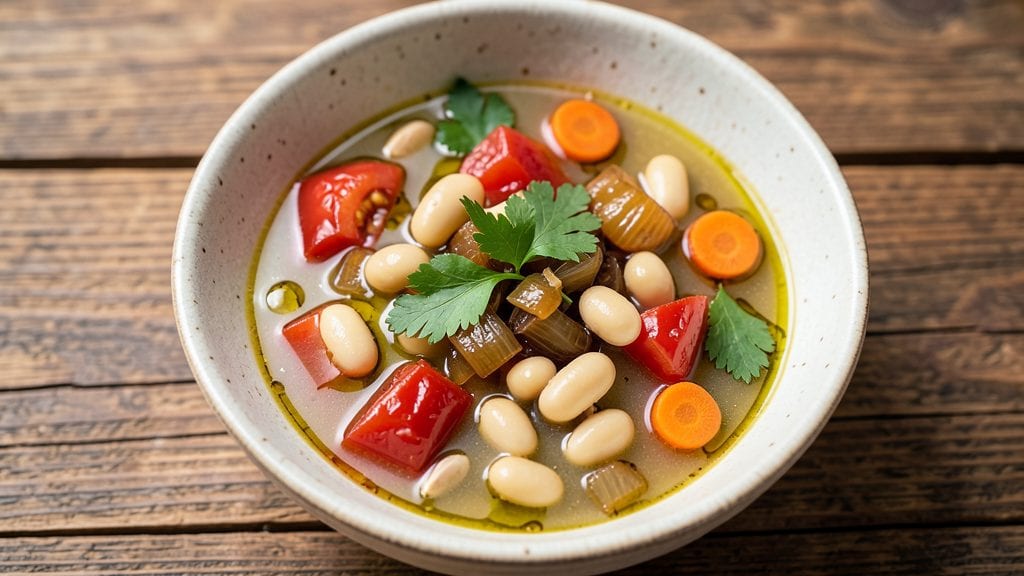
This fasolada soup recipe delivers the heartwarming comfort of Greece in just 45 minutes, transforming simple ingredients into a deeply satisfying vegetarian classic. The secret lies in slow-simmered white beans, tomatoes, and aromatic herbs that meld into a rich, rustic broth—perfect for chilly evenings or cozy gatherings.
Traditional fasolada relies on a few key techniques: browning the vegetables for depth, simmering the beans until tender but intact, and balancing acidity with fresh herbs.
No meat is needed to create this soul-warming dish, making it both budget-friendly and universally appealing. The result is a soup that tastes like home.
What makes this recipe special is how it captures Greece's culinary soul—earthy, comforting, and full of Mediterranean flavors. The beans soften just enough to release their creamy texture, while the tomatoes add brightness and the herbs bring freshness. Every spoonful delivers that perfect balance of rustic simplicity and rich satisfaction.
Serve this soup with crusty bread to soak up every last drop, or enjoy it as a standalone meal that warms both body and spirit. The best part? It tastes even better the next day, making it ideal for meal prep. Let's get cooking!
Ingredients for fasolada soup
Earthy white beans, ripe tomatoes, and aromatic herbs transform into Greece's soul-warming fasolada.
| Ingredient | Amount | Notes |
|---|---|---|
| Dried White Beans (Cannellini or Great Northern) 🌾 | 1 ½ cups | Soaked overnight, drained |
| Extra-Virgin Olive Oil 🫒 | ¼ cup | High quality, fruity variety |
| Yellow Onion 🧅 | 1 whole | Medium size, finely chopped |
| Carrots 🥕 | 2 medium | Peeled, diced into small cubes |
| Garlic Cloves 🧄 | 4 cloves | Peeled, minced finely |
| Canned San Marzano Tomatoes 🍅 | 1 can (28 oz) | Crushed by hand |
| Fresh Parsley 🌿 | ¼ cup | Chopped, stems removed |
| Fresh Dill 🌿 | ¼ cup | Chopped, stems removed |
| Bay Leaves 🍃 | 2 whole | Fresh if possible |
| Red Wine Vinegar 🍷 | 1 tbsp | For bright acidity |
| Vegetable Bouillon Cube 💧 | 1 whole | Dissolved in 1 cup hot water |
| Salt 🧂 | 1 ½ tsp | Diamond Crystal preferred |
| Black Peppercorns 🌶️ | ½ tsp | Freshly cracked |
| Crusty Bread 🍞 | 1 loaf | For serving |
The beans are the heart of this soup—cannellini or great northern work perfectly, but any white bean will do. Soak them overnight (or use quick-soak method) for creamy texture. Trader Joe's carries pre-soaked beans in a pinch, but nothing beats the real deal. For maximum flavor, rinse the beans after soaking to remove any bitterness. The tomatoes? San Marzano is non-negotiable—they're sweet, meaty, and crush beautifully by hand. If you can't find them, any high-quality canned tomatoes will work, just be sure to remove the skins for a cleaner texture.
No fresh dill? Dried dill at one-third the amount gets you close, but fresh is ideal for that bright Mediterranean flavor. Short on parsley? Cilantro works in a pinch, though it has a slightly different profile. The bouillon cube is where the magic happens—Knorr Vegetable is widely available, but any good-quality vegetable bouillon will do. For extra depth, toast the bouillon cube lightly in a dry pan before dissolving. The vinegar is crucial for balancing the richness—red wine vinegar adds complexity, but apple cider vinegar works too. Don't skip the bay leaves; they infuse the soup with subtle earthiness that's essential to the traditional flavor.
This soup tastes even better the next day as the flavors meld together. Store in an airtight container in the fridge for up to 5 days, or freeze for 3 months in portion-sized containers. For meal prep, double the recipe and freeze half—just thaw overnight in the fridge before reheating. The bread? Sourdough or rustic Italian loaf is perfect for soaking up every last drop of that rich, herby broth. If you're serving a crowd, make an extra batch and reheat gently on the stove—just add a splash of water if it thickens too much.
Why You'll Love This Recipe
- No-Fuss Simmer: I swear by soaking the beans overnight—yes, it’s one step—but it cuts cooking time dramatically. The next day, you’re basically tossing in chopped onions, carrots, and garlic while the beans melt into creamy perfection. No fancy techniques, just patience and a pot.
- Garlic-Caramel Magic: That moment when the olive oil hits the garlic and onions? Pure alchemy. The slow simmer lets the flavors deepen until the carrots are tender but still hold their shape, and the beans? Unreal—creamy outside, firm inside, with just the right bite. Honestly, I’ve had fancier soups that didn’t hit this hard.
- Weeknight to Potluck: This soup is my secret weapon for everything: a lazy Tuesday, a last-minute dinner guest, or even a potluck where you want to bring something hearty but not overly complicated. Double the batch—it reheats beautifully and tastes even better the next day. (Yes, even on a Tuesday night.)
- Pantry Staple Power: Between us, this recipe is ridiculously budget-friendly. A bag of dried beans, a few carrots, and onions? You’re looking at meals for days. And because it keeps so well, I make it once and stretch it across lunches, leftovers, or even a quick lunchbox pack for work. Zero waste, all flavor.
Step-by-step instructions for fasolada soup recipe
This hearty Greek classic delivers restaurant-quality comfort with minimal effort—rich, savory, and deeply satisfying.
Sauté the Aromatics in Olive Oil
Heat the 0.25 cup extra-virgin olive oil in a large pot over medium heat. Add the 1 whole yellow onion and 2 medium carrots (diced into small cubes), cooking for 5-6 minutes until the onions soften and the carrots begin to caramelize slightly. This foundational step develops deep, sweet flavors that form the soup's base.
Stir in the 4 cloves garlic cloves (minced finely) and cook for 30 seconds until fragrant—don't let it brown, or it'll turn bitter. Here's the thing: the garlic should disappear completely, leaving only its aroma behind. This is when the soup starts building its complex character, so don't rush this step. The onions should be translucent and the carrots just beginning to soften at the edges.
Build the Tomato and Bean Foundation
Pour in the 1 can (28 oz) canned San Marzano tomatoes (crushed by hand) and stir to combine with the vegetables. Add the 1.5 cups dried white beans (soaked overnight and drained), 2 whole bay leaves, and the 1 whole vegetable bouillon cube (dissolved in 1 cup hot water). Bring everything to a gentle boil, then reduce heat to low and let it simmer uncovered for 30 minutes.
This initial simmer breaks down the beans' skins slightly, allowing their starches to meld with the tomatoes and create a velvety texture. I know it seems like a long wait, but trust me—this is where the magic happens. The soup should reduce slightly, and you'll notice the beans beginning to soften but not yet fully tender. Skim off any foam that rises to the surface to keep the soup clean.
Season and Simmer to Perfection
After 30 minutes, add the 1.5 teaspoons salt (Diamond Crystal preferred), 0.5 teaspoon black peppercorns (freshly cracked), and 1 tablespoon red wine vinegar. Stir well, then increase heat to medium-high and let the soup boil vigorously for 5 minutes to help the beans tenderize more quickly. Here's where it gets fun: the vinegar brightens the tomato acidity, cutting through the richness of the beans and oil.
Reduce heat back to low and continue simmering for another 15-20 minutes, stirring occasionally, until the beans are fork-tender but not mushy. The soup should coat the back of a spoon with a thick, velvety texture. If it looks too thick, add ½ cup hot water to loosen it. The beans should hold their shape but be easily crushed between your fingers—this is the perfect balance of texture and heartiness.
Finish with Fresh Herbs and Serve Warm
Remove the pot from heat and stir in the 0.25 cup fresh parsley and 0.25 cup fresh dill (chopped, stems removed). Let the soup sit for 5 minutes to allow the flavors to meld—this resting period is crucial for developing depth. The herbs should infuse the soup with their bright, aromatic notes, elevating the dish from simple to extraordinary.
Ladle the fasolada into bowls, ensuring each serving gets a generous portion of beans and vegetables. Serve immediately with slices of 1 loaf crusty bread on the side for dipping. The bread soaks up the rich, herb-infused broth beautifully, making every bite even more satisfying. This is the moment that matters: the contrast of the warm, hearty soup against the crisp, cool bread creates a symphony of textures and temperatures that defines comfort food.
Pro Tips For Making Fasolada Soup
- Soak Beans Overnight: DESCRIPTION:
- Sauté Onions Low and Slow: DESCRIPTION:
- Peel Carrots After Cooking: DESCRIPTION:
- Simmer, Don’t Boil: DESCRIPTION:
Serving suggestions for this recipe
Bread Pairings
Fasolada pairs beautifully with crusty sourdough or rustic Italian bread—their sturdy texture soaks up the rich, herby broth perfectly. I love using a baguette for dipping or a ciabatta for tearing into hearty chunks.
For extra flair, toast the bread lightly with garlic-infused olive oil before serving. The contrast of warm bread against the cool, creamy beans is pure comfort. 🍞
Toppings for Extra Flavor
Brighten each bowl with a drizzle of extra-virgin olive oil and a sprinkle of freshly cracked black pepper right before serving. For a tangy kick, add a few drops of red wine vinegar or a squeeze of lemon juice.
I also love tossing in crumbled feta cheese (about 2 tbsp per bowl) for a salty, briny contrast that balances the dish beautifully.
Garnishes That Elevate
Fresh herbs are non-negotiable—parsley and dill add brightness, but don’t stop there. A handful of chopped scallions or red onion adds a sharp crunch, while toasted pine nuts (about 1 tbsp per bowl) bring nutty richness.
For a pop of color, scatter cherry tomatoes or kalamata olives on top. These toppings turn a simple bowl into a restaurant-worthy dish. ✨
Wine and Drink Pairings
A crisp Assyrtiko white wine from Greece is the perfect match—its citrus notes complement the tomatoes, while its mineral finish balances the beans. For non-wine drinkers, sparkling water with lemon or iced hibiscus tea keeps it refreshing.
If you prefer beer, a light lager or Greek ouzo (served chilled) adds a fun, herbal twist that pairs surprisingly well with the soup’s earthy flavors. 🍷
Meal Pairing Ideas
Serve fasolada as a standalone vegetarian meal with a side of Greek salad (cucumber, tomato, red onion, olives, and feta) for a complete spread. For a heartier option, pair it with grilled halloumi cheese or roasted eggplant—both add protein and depth.
If you’re feeding a crowd, double the recipe and serve with warm pita bread for easy sharing. The soup’s rustic charm makes it ideal for potlucks or family dinners. 💛
Leftovers Reinvented
Transform leftover fasolada into bean patties by mashing some beans with breadcrumbs, egg, and herbs, then pan-frying until crispy. Or blend the soup with a splash of broth for a creamy fasolada dip, perfect with veggie sticks or chips.
For a quick lunch, top a grilled cheese sandwich with warm fasolada and extra cheese—trust me, it’s a game-changer. These ideas turn leftovers into exciting new meals without extra effort. 💡
Nutrition facts
Frequently asked questions
Can I make fasolada without soaking the beans overnight?
Yes! Use the quick-soak method: cover the beans in boiling water, remove from heat, cover, and let sit for 1 hour. Drain and rinse before using. For even faster results, use canned white beans (drained and rinsed) instead of dried—just reduce simmering time by 15-20 minutes to avoid mushiness.
Why does my fasolada taste too bitter?
Bitterness usually comes from overcooked tomatoes or underseasoned broth. Add 1 tablespoon red wine vinegar or lemon juice to brighten flavors, and stir in more fresh herbs (parsley or dill) at the end. If the tomatoes taste bitter, they may be overripe—next time, use San Marzano or other sweet varieties.
Can I make fasolada in a slow cooker?
Sauté the onions, carrots, and garlic first, then transfer everything to the slow cooker. Cook on low for 6-7 hours or high for 3-4 hours, adding water if needed to maintain consistency. The slow cooker enhances the beans' creaminess while keeping their shape—just add fresh herbs at the very end.
What if I don't have fresh herbs?
Use dried herbs at one-third the amount (e.g., 1 teaspoon dried dill instead of 1/4 cup fresh). For parsley, cilantro works in a pinch, though it has a slightly different flavor. If you're missing both, skip them and boost the vinegar to 2 tablespoons for brightness. The soup will still taste delicious—just less aromatic.
How do I adjust the thickness of fasolada?
Too thick? Add ½ cup hot water or broth and simmer for 5 minutes to loosen. Too thin? Simmer uncovered for 10-15 minutes longer to reduce naturally. For a creamier texture, mash 2-3 beans gently with a fork while simmering. The ideal consistency coats the back of a spoon but remains spoonable.