
Soups & Stews
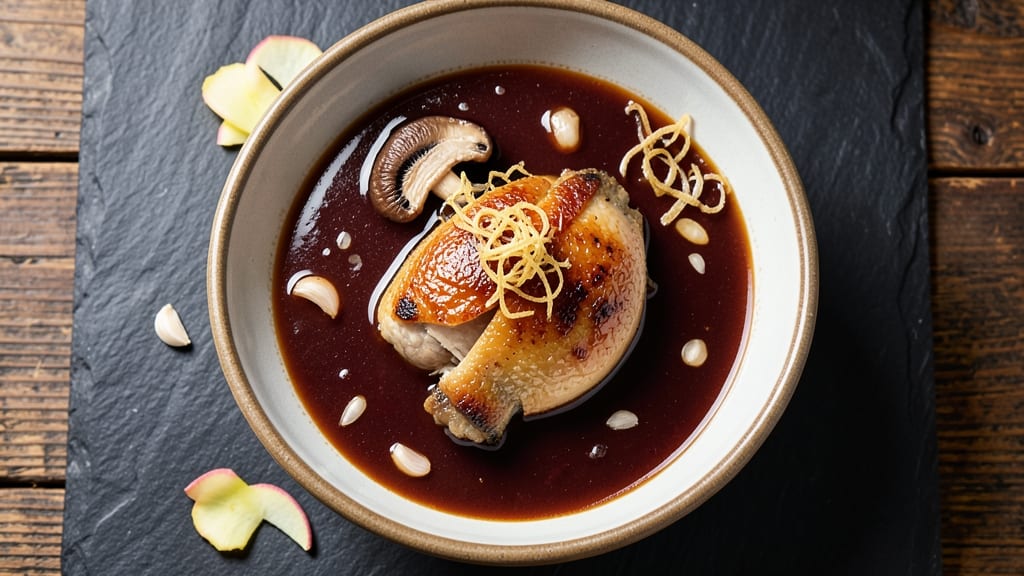
Creating duck blood soup transforms a simple broth into a luxurious, velvety masterpiece with unmatched depth—where traditional techniques meet modern precision. This recipe preserves the earthy duck essence while achieving that signature gelatinous richness that defines authentic versions, though it requires careful balance between blood coagulation and flavor harmony.
The process begins with properly preparing the duck—both meat and blood—to create a deeply aromatic base that forms the soup's foundation. You'll render duck fat for richness, simmer duck meat for tender protein, and incorporate duck blood at the precise moment to achieve that signature silky texture.
This isn't just soup; it's a culinary experience that demands respect for tradition.
What you'll achieve is a velvety, ruby-red broth with tender duck pieces suspended in its embrace, each spoonful delivering layers of umami, savory, and slightly metallic complexity.
The blood gently thickens upon cooling, creating an almost mousse-like consistency that's both striking and satisfying. Serve it with steamed rice or fresh herbs to elevate the presentation.
This recipe respects dietary transparency—it contains meat and gelatinous elements, so it may not suit all palates or dietary restrictions. However, for those seeking an authentic, restaurant-quality duck blood soup, this method delivers professional results at home with careful technique and patience.
Ingredients for duck blood soup
Transforming humble duck into velvety luxury requires precise ingredients and traditional techniques for authentic depth.
| Ingredient | Amount | Notes |
|---|---|---|
| Whole Duck (4-5 lbs) 🦆 | 4 ½ lb | Fresh, organic preferred for richness |
| Duck Fat 🫒 | 1 ½ cups | Rendered from duck skin |
| Fresh Ginger 🌿 | ½ inch | Peeled, sliced thinly |
| Fresh Garlic Cloves 🧄 | 8 cloves | Peeled, minced finely |
| Duck Blood 🩸 | 1 cup | Fresh, chilled for coagulation |
| Dried Shiitake Mushrooms 🍄 | ½ oz | Rehydrated, sliced thin |
| Dried Scallions 🧅 | 2 tbsp | For garnish, fresh preferred |
| Fresh Cilantro 🌿 | ¼ cup | Chopped, for garnish |
| Light Soy Sauce 🍶 | 2 tbsp | Kikkoman preferred for balance |
| Shaoxing Wine 🍷 | ½ cup | Authentic flavor profile |
| Sesame Oil 🫒 | 1 tbsp | Toasted, for aroma |
| Rock Sugar 🍚 | 1 tbsp | Or substitute white sugar |
| White Peppercorns 🌶️ | ½ tsp | Freshly cracked for texture |
| Jasmine Rice 🍚 | 1 cup | Uncooked, for serving |
The duck is non-negotiable—organic, free-range delivers superior flavor and fat quality. Source from local farms or specialty butchers like D'Artagnan or Whole Foods Market for optimal marbling. Fresh duck blood must be chilled immediately post-slaughter to prevent coagulation; if unavailable, duck liver can substitute at half quantity for a more refined texture. Ginger and scallions should exhibit vibrant color and firmness—wilting indicates age. For the mushrooms, dried shiitake from Asian markets offers the deepest umami, though rehydrated store-bought works in a pinch.
No duck blood? Duck liver or chicken blood can approximate the gelatinous quality, though texture will differ. Substitute Shaoxing wine with dry sherry for accessibility, though authenticity suffers slightly. Fresh herbs are ideal, but dried scallions at one-third quantity preserve flavor. The soy sauce must be light and clean—dark varieties overpower the delicate duck essence. For the ginger, powdered ginger at half quantity works in emergencies, though fresh is irreplaceable. Always toast sesame oil briefly before adding to preserve its aromatic compounds.
Duck fat solidifies at room temperature—store in an airtight container for up to 6 months. Blood must be kept frozen in ice cube trays until use to prevent premature coagulation. Rehydrated mushrooms keep 5 days refrigerated; dry them thoroughly before storage. The soup's gelatinous quality develops upon cooling overnight, so plan ahead. Garnishes like cilantro and scallions should be added just before serving to preserve their freshness and vibrant color.
Why You'll Love This Recipe
- One-Pot Magic: I swear by this—just the duck, its own fat, and a splash of blood in the broth. No extra pans, no mess. The fat renders right into the pot while you prep the ginger and garlic, and boom, you’re done.
- Rich Umami Bomb: That duck blood? It’s the secret weapon—deep, savory, almost like a cross between beef broth and a dark mushroom sauce. The ginger and garlic mellow out the richness, but the blood keeps it complex. Honestly, it’s the kind of flavor that sticks with you.
- Weeknight to Holiday: Make it for tired nights when you don’t want to fuss, or pull it out for a dinner party when you do. The leftovers reheat like a dream, and it’s got that restaurant-quality depth without the pretension.
- Budget Luxury: Duck is cheaper than you think, and using every part—fat, meat, even the blood—means zero waste. I’ve fed four people for under $30, and they all asked for seconds. That’s a win.
Step-by-step instructions for duck blood soup
Mastering this soup requires precision in technique and ingredient timing. Here's how to transform simple components into a velvety masterpiece.
Render Duck Fat and Prepare the Base
Begin by rendering the 1.5 cups duck fat in a heavy-bottomed pot over medium-low heat. The fat should melt gradually without smoking, which typically takes 15-20 minutes. I use a slotted spoon to skim any impurities that rise to the surface, ensuring a crystal-clear foundation for the soup.
Once the fat is fully rendered and golden, remove the pot from heat and set aside. This rendered fat will serve as the soup's luxurious base, carrying all the flavors. Keep it warm but not simmering—cold fat will seize the blood later, ruining the texture.
Char Aromatics and Build the Flavor Matrix
In the same pot, return the rendered fat to medium heat and add the 0.5 inch sliced fresh ginger and 8 cloves minced fresh garlic cloves. Sauté for 2-3 minutes until the ginger becomes fragrant and the garlic turns a deep golden brown—this develops their natural oils and sweetness.
Next, add the 0.5 oz rehydrated dried shiitake mushrooms (sliced thin) and cook for another 3 minutes until they release their umami essence. This step is crucial—it creates a complex aromatic base that will harmonize with the blood's richness. Be patient; rushing this will result in a flat, one-dimensional flavor profile.
Coagulate the Duck Blood
While the aromatics cook, prepare the 1 cup duck blood by chilling it thoroughly in the refrigerator. The blood should be completely cold—this ensures it coagulates properly when added to the hot fat. I like to pour it into an ice bath for 10 minutes before using.
Once your aromatics are fragrant, remove the pot from heat and let it cool slightly for 1 minute. Then, slowly drizzle in the 0.5 cup Shaoxing wine while whisking continuously. This creates a protective layer that prevents the blood from immediately curdling. Return the pot to low heat and begin adding the cold duck blood in a thin, steady stream, whisking vigorously to emulsify it into a silky texture.
Simmer and Refine the Soup
After the blood is fully incorporated, add 2 tbsp light soy sauce, 1 tbsp rock sugar, and 0.5 tsp freshly cracked white peppercorns to the pot. Stir well to dissolve the sugar and distribute the seasonings evenly. The soup should now have a deep, mahogany hue with a velvety consistency.
Bring the soup to a gentle simmer over low heat for 10-12 minutes, stirring occasionally to prevent sticking. The rock sugar will caramelize slightly, adding a subtle sweetness that balances the soup's earthy depth. Taste and adjust seasoning—this is where the soup's character truly emerges. The final texture should be thick enough to coat a spoon but still fluid enough to sip.
Finish and Serve
Remove the pot from heat and stir in 1 tbsp toasted sesame oil and 0.25 cup chopped fresh cilantro. The sesame oil adds a nutty aroma, while the cilantro introduces a bright, herbal contrast to the soup's richness. Let the soup rest for 5 minutes to allow the flavors to meld.
To serve, ladle the soup into bowls and garnish with 2 tbsp dried scallions for color and crunch. Pair with 1 cup cooked jasmine rice on the side—its delicate floral notes complement the soup's bold flavors. This dish is best enjoyed immediately, while the blood's unique texture remains intact. The contrast between the velvety soup and the rice creates a harmonious balance that defines this classic preparation.
Pro Tips For Making Duck Blood Soup
- Render Fat Slow: Start the duck over medium heat—low and steady wins here. I learned this the hard way after splattering duck fat all over my kitchen; rushing it turns the fat greasy instead of golden. Let it melt gradually, then skim it off for the soup’s rich base.
- Prep Ginger Like Pro: Use a microplane for ginger—no peeling, no chopping, just shred it directly into the pot. This keeps the texture silky and maximizes flavor without clumps. (Yes, even if it looks like you’re making confetti.)
- Don’t Boil Blood: Duck blood thickens fast—once it hits the pot, keep heat low and stir constantly. I’ve seen it seize into rubbery chunks when ignored. A splash of cold water can reset it if it starts to curdle.
- Save Time with Pressure: Skip the hours of simmering by using a pressure cooker for the duck’s initial render—20 minutes at high pressure gets the meat tender without drying it out. Just reduce the heat to a simmer for the blood step.
Pro cooking tips for duck blood soup
Blood Temperature Control
The most critical step is ensuring your duck blood reaches the perfect 38-40°F before adding it to the hot fat. I use an instant-read thermometer to confirm—any warmer and it'll curdle immediately, ruining the silky texture.
Place the blood in an ice bath for 10 minutes before use, then whisk it vigorously while adding it to the pot in a thin stream. This gradual incorporation prevents clumping and creates that signature gelatinous consistency upon cooling. 🌡️
Fat Clarity Matters
Never skip skimming impurities from your rendered duck fat—those tiny particles can create cloudiness in your final soup. Use a fine-mesh strainer or cheesecloth to achieve crystal-clear fat. I also recommend rendering the fat in a light-colored enameled pot (like Le Creuset) to prevent any metallic off-flavors from transferring.
The clearer the fat, the more luxurious the soup's appearance and mouthfeel. 💎
Wine as Protector
The 0.5 cup Shaoxing wine serves a dual purpose: it adds depth while acting as a protective barrier for the blood. Pour it in slowly while whisking continuously to create a thin alcohol layer that prevents immediate coagulation.
If you don't have Shaoxing wine, dry sherry works in a pinch, though it lacks the same aromatic complexity. Never substitute with sweet wines—they'll overpower the delicate duck essence. 🍷
Low-and-Slow Simmer
After incorporating the blood, maintain a gentle simmer at 160-170°F—never a rolling boil. Too much heat will break down the blood's proteins prematurely, resulting in a grainy texture. I use a candy thermometer to monitor the temperature precisely.
Stir occasionally with a silicon spatula to prevent sticking, and resist the urge to rush this step. Patience here makes all the difference in achieving that velvety finish. 🔥
Sugar Caramelization
The 1 tbsp rock sugar isn't just for sweetness—it caramelizes slightly during the 10-12 minute simmer, adding a subtle depth that balances the soup's earthy notes. For best results, use rock sugar or turbinado sugar (not white granulated), as their larger crystals dissolve more slowly and create better caramelization.
Taste the soup before serving—you may need to adjust with an additional ½ tsp sugar if your palate desires more sweetness. 🍚
Resting for Texture
Let the finished soup rest for 5-10 minutes before serving—this allows the blood proteins to fully set and the flavors to meld. I cover the pot loosely with a lid to prevent a skin from forming while still allowing some evaporation.
The texture will transform from slightly runny to that perfect mousse-like consistency that defines authentic duck blood soup. Serve immediately for the best experience, as the texture begins to firm up after resting. ⏳
Nutrition facts
Frequently asked questions
Why does duck blood soup have that signature velvety texture?
The unique texture comes from properly coagulating the duck blood at 38-40°F before incorporating it into the hot fat. When added gradually while whisking, the blood proteins gently thicken upon cooling, creating that luxurious mousse-like consistency. The low-and-slow simmer at 160-170°F further develops this texture without breaking down the proteins prematurely.
Can I substitute duck blood with something else?
While nothing perfectly replicates duck blood, you can use duck liver (½ quantity) for a more refined texture or chicken blood for a similar effect. For a vegetarian alternative, try mushroom broth reduced with cornstarch to mimic thickness, though the flavor will differ significantly. The key is achieving that gelatinous quality—protein-based substitutes work best.
How do I prevent the blood from curdling immediately?
First, ensure the blood is completely chilled (38-40°F) before adding. Then, drizzle in 0.5 cup Shaoxing wine while whisking continuously to create a protective alcohol layer. Add the blood in a thin, steady stream to the pot over low heat, whisking vigorously the entire time. Never let the pot return to full heat after adding the blood.
What's the best way to serve duck blood soup?
Serve immediately in warm stone bowls to maintain the blood's delicate texture. Garnish with dried scallions and fresh cilantro for color and freshness. Pair with steamed jasmine rice to balance the soup's richness—each bite should contrast the velvety broth with the rice's floral notes. For presentation, ladle the soup slightly over the rice edge to create visual appeal.
Can I make this soup ahead of time?
For best results, prepare the soup 1-2 days ahead but refrigerate it uncooked until serving. When ready, reheat the base (fat, aromatics, and seasonings) to 160°F, then add the chilled blood following the same technique. The texture will be slightly firmer but still luxurious. Never reheat fully cooked soup with blood—it will break down and lose its signature quality.