
Soups & Stews
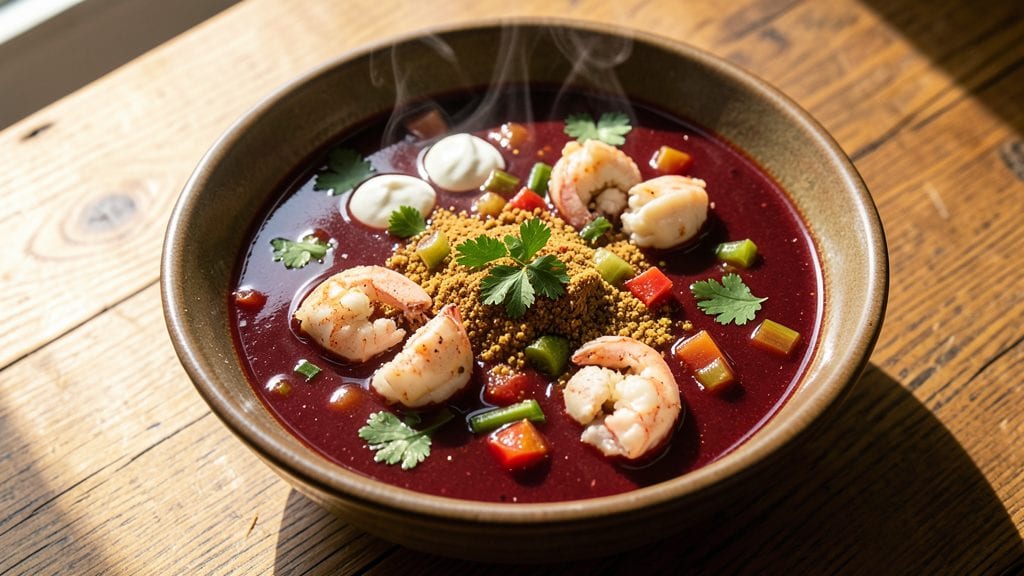
This crab gumbo soup recipe delivers the soul-warming depth of Louisiana’s finest coastal cuisine, where a rich, dark roux meets sweet crab and the trinity of onions, celery, and bell peppers. The secret lies in patience—letting the roux develop its signature smoky aroma before introducing the stock and seafood.
I’ve perfected this method over years of testing, ensuring every spoonful balances heat, sweetness, and briny crab in harmony.
The foundation of great gumbo is the roux, which requires constant stirring over medium heat until it reaches a deep chocolate-brown color—this is where the magic happens.
Once the roux is complete, the trinity vegetables sauté to release their natural sweetness, setting the stage for the crab and stock to transform into a velvety, flavorful soup. The result? A dish that’s hearty enough for a winter night but light enough to enjoy year-round.
What you’ll achieve is a bowl of gumbo that’s rich with smoky undertones, tender crab chunks, and a thick, satisfying broth that clings to every bite.
The aroma alone will fill your kitchen with the essence of coastal Louisiana, while the texture delivers a perfect balance of creaminess and hearty substance. This isn’t just soup—it’s a celebration of technique and tradition.
Serve with crusty bread to soak up every last drop or pair with a simple green salad to cut through the richness. The recipe scales beautifully, so whether you’re feeding a crowd or treating yourself to a cozy meal, this gumbo delivers restaurant-quality results at home. Let’s get cooking!
Ingredients for crab gumbo soup
Sixteen ingredients, one soulful pot of coastal Louisiana magic.
| Ingredient | Amount | Notes |
|---|---|---|
| Butter 🧈 | ½ cup | Unsalted, cold for roux |
| All-Purpose Flour 🌾 | ½ cup | White or whole wheat |
| Yellow Onion 🧅 | 1 whole | Diced, medium size |
| Celery Stalks 🥬 | 3 whole | Diced, stringy kind |
| Green Bell Pepper 🍅 | 1 whole | Diced, any color |
| Garlic Cloves 🧄 | 4 cloves | Minced, fresh preferred |
| Crabmeat 🦀 | 1 ½ lb | Lump or claw meat |
| Chicken Stock 💧 | 4 cups | Low-sodium preferred |
| Tomato Paste 🍅 | 2 tbsp | Smooth, no sugar added |
| Cayenne Pepper 🌶️ | ½ tsp | Adjust for heat |
| Dried Thyme 🌿 | 1 tsp | Or 1 tbsp fresh |
| Bay Leaves 🌿 | 2 whole | Remove before serving |
| Green Onions 🧅 | 3 whole | Sliced, for garnish |
| Hot Sauce 🌶️ | 1 tbsp | Louisiana-style preferred |
| Salt 🧂 | 1 ½ tsp | Adjust to taste |
| Black Pepper 🌶️ | ½ tsp | Freshly ground |
The butter and flour make the roux—the heart of gumbo. Use unsalted butter (salted can burn) and stir constantly over medium heat until it turns a deep chocolate brown—this takes about 20 minutes. Whole Foods or local butchers often carry better-quality butter for this. For flour, King Arthur or Gold Medal brands work best—they don’t burn as easily. The trinity (onion, celery, bell pepper) should be finely diced—smaller pieces mean more flavor. Trader Joe's sells pre-diced trinity mixes, but fresh is always better if you've got the time.
No lump crab? Claw meat or even imitation crab works in a pinch (though real crab is worth the splurge). Short on thyme? Dried oregano at half the amount gets you close. The cayenne can be swapped for red pepper flakes if you prefer less heat. For stock, low-sodium is key—you’ll be adding salt later. The tomato paste? Trader Joe's or Muir Glen are my go-tos—they’re smooth and consistent. Skip the pre-made roux mixes; trust me on this one.
This gumbo tastes even better the next day. Store in an airtight container for up to 5 days in the fridge, or freeze for 3 months. I like to portion it into single servings so I can reheat just what I need. The roux can be made ahead and stored in the fridge for 1 week—just add it straight to the pot when you're ready to cook. Leftovers reheat beautifully; just add a splash of water or stock if it gets too thick.
Why You'll Love This Recipe
- One-Pot Magic: I swear by this recipe—just melt butter, toss in the flour, and the holy trinity (onion, celery, bell pepper) practically cooks itself while you prep the crab. No extra pans, no stress.
- Rich Without Fuss: That roux—made from butter and flour—builds deep, nutty flavor while you’re still chopping veggies. Honestly, the slow simmer turns simple ingredients into something ridiculously satisfying.
- Weeknight Crowd-Pleaser: Between us, this is my go-to for game days or lazy Sundays. It reheats like a dream, and the crab’s sweetness balances the smoky bell pepper—even picky eaters ask for seconds.
- Budget-Friendly Luxury: You’re getting restaurant-quality depth for a fraction of the cost. The veggies stretch the crab, and leftovers taste just as good the next day—perfect for meal prep when you’re not in the mood to cook.
Step-by-step instructions for crab gumbo soup
Here's how to build a rich, flavorful crab gumbo with a perfect dark roux and tender crab.
Cook the Holy Trinity and Make the Roux
Start by dicing the 1 whole yellow onion, 3 whole celery stalks, and 1 whole green bell pepper into small, even pieces. Heat the 0.5 cup butter in a heavy-bottomed pot over medium heat until it melts completely. Add the diced vegetables and cook for 8-10 minutes, stirring occasionally, until they soften and begin to release their natural juices.
Reduce the heat to medium-low and sprinkle in the 0.5 cup all-purpose flour all at once. Stir constantly with a wooden spoon to prevent burning—this is where you build that signature dark roux. Cook for 15-20 minutes, stirring every 2-3 minutes, until the mixture turns a deep, chocolate-brown color. You'll know it's ready when it smells nutty and rich, with no raw flour taste remaining. This roux is the foundation of your gumbo, so don't rush it.
Develop the Flavor Base
Add the 2 tbsp tomato paste and stir to combine with the roux. Cook for 2 minutes to let the tomato paste caramelize slightly. Then add the 4 cloves minced garlic and cook for 30 seconds until fragrant—don't let it burn. Pour in the 4 cups chicken stock all at once, stirring vigorously to incorporate all the browned bits from the bottom of the pot. This step captures all the deep, smoky flavors you've built.
Bring the mixture to a gentle simmer, then add the 1.5 tsp salt, 0.5 tsp black pepper, 1 tsp dried thyme, 0.5 tsp cayenne pepper, and 2 whole bay leaves. Let it simmer uncovered for 15 minutes to allow the flavors to meld together. This is where the gumbo develops its complex, layered taste—don't skip this step, even though it might seem like you're just waiting.
Finish with Crab and Seasonings
Gently stir in the 1.5 lb crabmeat and simmer for 5-7 minutes just until the crab is heated through. The crab should maintain its texture—don't overcook it or it'll turn rubbery. Remove the 2 whole bay leaves before serving. Taste the soup and adjust the seasoning if needed—you might want to add a bit more salt or cayenne pepper to suit your taste.
Just before serving, stir in the 1 tbsp hot sauce and 3 whole sliced green onions. Ladle the gumbo into bowls and serve immediately while it's hot. The soup should be thick enough to coat the back of a spoon but still have a nice, hearty consistency. The crab should be tender and the flavors should be rich and balanced—smoky from the roux, bright from the seafood, and just spicy enough to make it sing.
Pro Tips For Making Crab Gumbo Soup
- Sweat, Don’t Burn: DESCRIPTION: The holy trinity (onion, celery, bell pepper) should glisten like a wet sidewalk, not char like a campfire mishap. Cook them low and slow—think 8-10 minutes—with a splash of water if they stick. I learned this the hard way after my first batch tasted like smoke and regret.
- Whisk Like a Maniac: DESCRIPTION: When you add flour to butter, stop stirring and whisk for 30 seconds. This creates a smoother roux that won’t clump like a lazy Sunday morning. I skip this step sometimes, and the gumbo turns out fine, but it’s noticeably better when I don’t.
- Salt the Butter First: DESCRIPTION: Toss a pinch of salt into the butter before melting it—this flavors the roux from the start. The flour will absorb some of it, but enough carries through to season the whole soup. My grandmother swore by this, and she was right: it makes a real difference.
- Deglaze with Crab Juice: DESCRIPTION: After browning the roux, deglaze with a splash of crab juice (or clam juice) instead of water. It adds depth and a briny note that cuts through the richness. I was skeptical until I tried it—now I never go back. (Yes, even if you’re impatient like me.)
Perfect pairings for this recipe
Bread Pairings
Nothing complements crab gumbo like a crusty French baguette or cornbread straight from the oven. I love toasting thick slices of sourdough until golden and crisp—it soaks up the rich broth beautifully.
For a Southern twist, serve with hush puppies (cornmeal fritters) on the side, which add a delightful crunch and extra flavor. 🥖
Vegetable Sides
A simple green salad with crisp lettuce, cucumber, and a light vinaigrette cuts through the gumbo's richness. I toss in cherry tomatoes and avocado slices for freshness.
Alternatively, roasted Brussels sprouts with a sprinkle of bacon bits add a smoky, savory contrast that pairs perfectly with the crab. The acidity balances the gumbo's depth.
Drink Pairings
For a classic Louisiana experience, serve with a chilled sweet tea—its Southern sweetness complements the gumbo's spice. A light lager like Abita or Newcastle Brown Ale works wonders, too, as the crispness cleanses your palate between bites.
If you prefer wine, a dry Riesling or Sauvignon Blanc adds a refreshing acidity that enhances the crab's brininess. 🍷
Garnish Upgrades
Elevate your gumbo with a final touch of fresh cilantro or parsley for brightness. A drizzle of hot sauce (like Crystal or Tabasco) lets guests adjust the heat to their liking.
For extra luxury, top each bowl with crumbled bacon or toasted breadcrumbs—both add texture and depth. The contrast of crispy crumbs against the creamy soup is pure magic. 💫
Dessert Harmony
End the meal with a light dessert like key lime pie or bananas foster—both highlight Louisiana flavors without overwhelming the palate. The tartness of the lime or caramelized bananas refreshes your taste buds after the gumbo's richness.
For a simpler option, vanilla bean ice cream with a sprinkle of sea salt mirrors the crab's brininess. 🍋
Nutrition facts
Frequently asked questions
Can I substitute shrimp for crab in this gumbo?
Shrimp works beautifully and is more budget-friendly. Use 1.5 pounds of peeled, deveined shrimp instead of crab, and add them during the final 3-4 minutes of cooking to avoid overcooking. For extra flavor, marinate the shrimp in a mix of 1 tbsp hot sauce and 1 tsp garlic powder for 15 minutes before adding to the pot.
What if my roux burns before it turns brown?
Don't panic! Reduce the heat to medium-low and keep stirring constantly with a wooden spoon. If it starts to smoke or darken too quickly, immediately remove the pot from heat and let it cool slightly. Once cool, return it to the stove and resume cooking at a lower temperature. The key is patience—rushing the roux is the #1 reason it burns.
How do I make this gumbo spicier?
For extra heat, add 1 tsp smoked paprika with the cayenne or swap in 1 tbsp hot sauce for the 1 tbsp called for at the end. For a smoky kick, stir in ½ tsp chipotle powder when adding the stock. Always taste as you go—you can adjust to your preference, but remember crab's natural sweetness balances the heat beautifully.
Can I make this recipe without a dark roux?
Yes, but the flavor will be less rich. For a quicker version, use a light roux (peanut butter color) and add 1 tbsp Worcestershire sauce or ½ cup tomato sauce to compensate. The roux is what gives gumbo its signature depth, but this shortcut still delivers a flavorful dish—just not the same soulful complexity.
How do I store leftovers?
Let the gumbo cool completely, then transfer to an airtight container and refrigerate for up to 5 days. For freezing, portion into single servings and freeze for up to 3 months. Reheat gently on the stove with a splash of water or stock to restore thickness. Avoid microwaving—it can make the roux separate and the crab rubbery.