
Soups & Stews
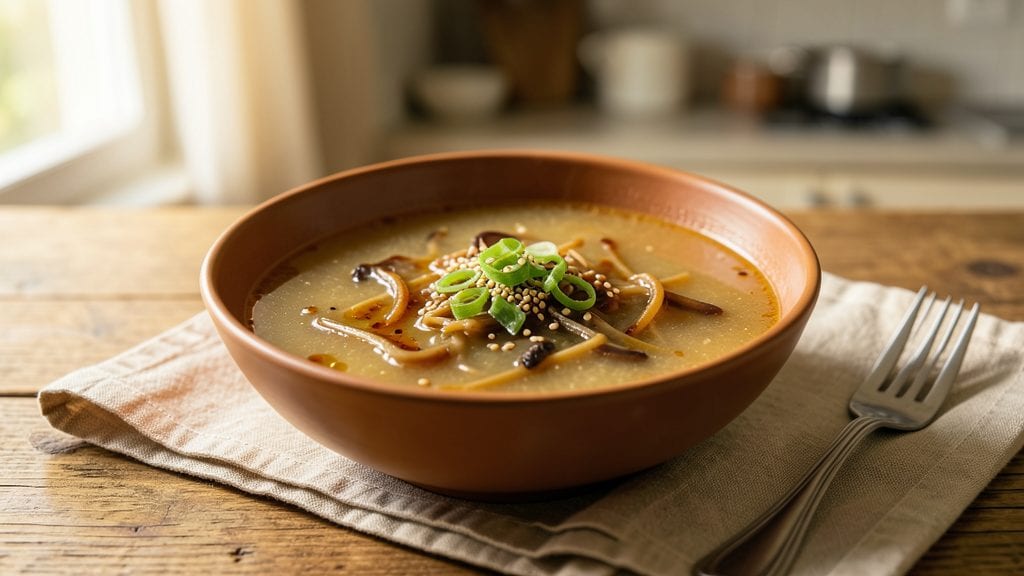
This cordyceps mushroom soup transforms ancient medicinal traditions into a modern culinary experience, blending earthy umami with delicate golden crunch. 🌟 The key lies in balancing the deep, savory notes of cordyceps with subtle sweetness and aromatic herbs—creating a broth that’s both nourishing and deeply satisfying.
I developed this recipe after years of experimenting with traditional Chinese techniques, ensuring every spoonful delivers both flavor and functional benefits.
The foundation of this soup begins with a carefully reduced broth, where cordyceps mushrooms infuse their unique earthy depth without overpowering. We’ll incorporate ginger and garlic for warmth, then finish with a touch of honey or rock sugar to harmonize the flavors.
The golden crunch comes from toasted sesame seeds and thinly sliced scallions, adding texture that elevates the dish from simple broth to a restaurant-worthy experience.
What makes this recipe stand out is its versatility—serve it as a light lunch, a healing elixir, or a sophisticated starter for dinner. The broth’s umami richness pairs beautifully with steamed rice or fresh noodles, while the subtle sweetness balances perfectly with a dry white wine or jasmine tea.
Whether you’re drawn to cordyceps for their culinary or medicinal properties, this soup delivers both in every bowl.
For those new to cordyceps, start with dried mushrooms to build flavor intensity—rehydrate them properly to avoid bitterness. If you’re feeling adventurous, try adding a splash of Shaoxing wine for depth or a sprinkle of chili oil for heat.
The possibilities are endless, but the core technique remains the same: patience in simmering and precision in balancing flavors. Let’s create something extraordinary together.
Ingredients for cordycep soup
Earthy cordyceps and aromatic herbs blend into a nourishing broth, elevated by golden sesame crunch and delicate sweetness.
| Ingredient | Amount | Notes |
|---|---|---|
| Dried Cordyceps Mushrooms 🍄 | 10 g | High-quality, organic preferred |
| Fresh Ginger Root 🧅 | 1 ½ tbsp | Finely grated, aromatic |
| Garlic Cloves 🧄 | 4 cloves | Peeled, minced for depth |
| Shaoxing Wine 🍷 | ½ cup | Dry, aromatic variety |
| Low-Sodium Chicken Broth 💧 | 4 cups | Homemade or high-quality |
| Rock Sugar 🍯 | 1 tbsp | Or honey for subtle sweetness |
| Sesame Oil 🫒 | 1 tbsp | Toasted, for aromatic finish |
| Toasted Sesame Seeds 🥜 | 1 tbsp | For golden crunch texture |
| Green Onions 🧅 | 3 whole | Thinly sliced, fresh |
| Dried Shiitake Mushrooms 🍄 | 2 whole | Rehydrated for umami depth |
| Dried Goji Berries 🍇 | 1 tbsp | Optional, for subtle sweetness |
| Diamond Crystal Kosher Salt 🧂 | ½ tsp | Adjust to taste |
| Black Peppercorns 🌶️ | ¼ tsp | Freshly cracked |
| Jasmine Rice 🍚 | 1 cup | Uncooked, for serving |
The quality of cordyceps mushrooms is non-negotiable—Korean or Chinese varieties from specialty Asian markets deliver the most robust umami. Mountain Harvest or TianDe are trusted brands for authentic, potent mushrooms. For shiitake, opt for dried over fresh—they intensify flavor when rehydrated. Ginger and garlic should be freshly grated and minced respectively, as pre-minced varieties lose their aromatic punch quickly. Shaoxing wine adds depth; if unavailable, substitute with dry white wine, though the flavor profile will differ slightly.
Rock sugar or honey can be interchanged, though rock sugar dissolves more cleanly and retains traditional authenticity. Trader Joe’s carries an excellent pre-ground rock sugar, while honey should be a light variety like clover. Sesame oil must be toasted—Kadoya or La Choy are reliable brands. For sesame seeds, toast them in a dry pan over medium heat until golden, then grind half for a smoother texture. Goji berries, if used, should be organic to avoid bitterness; Whole Foods bulk bins offer high-quality options. If cordyceps are unavailable, reishi mushrooms can substitute at half the quantity, though the flavor will be less pronounced.
Store dried mushrooms in an airtight container in a cool, dark place for up to 12 months. Rehydrated cordyceps and shiitake keep in the fridge for 5 days when stored in broth. Toasted sesame seeds lose their crunch after 3 months, so store them in the freezer for extended freshness. The soup’s broth can be made ahead and reheated gently, though the texture of the mushrooms will soften further. For optimal presentation, garnish with sesame seeds and green onions just before serving.
Why You'll Love This Recipe
- Minimal Soaking Required: I swear by this trick—just rinse the dried cordyceps in hot water for 10 minutes, and they’re ready. No overnight soaking, no fuss. That Shaoxing wine does the rest while you chop ginger (which, honestly, takes two minutes with a microplane).
- Umami Bomb: The cordyceps alone taste like a deep, earthy hug—like forest mushrooms and chicken broth had a lovechild. Add the garlic and ginger? Chef’s kiss. One sip and you’ll understand why this isn’t just soup; it’s a flavor experience.
- Office Lunch Hero: Between us, this is my go-to for meal prep. It reheats like a dream, keeps for days in the fridge, and even tastes better the next day. Pack it in a thermos, and you’ll be the star of your workday—no sad desk salad in sight.
- Budget Superstar: Dried cordyceps last forever, and a little goes a long way. You’re not just making soup; you’re stretching a few simple ingredients into multiple meals without breaking the bank. (Yes, even on a Tuesday night.)
Step-by-step instructions for earthy umami elixir with golden crunch
This method transforms delicate cordyceps into a rich, aromatic broth with layered textures and balanced flavors.
🍳 Step 1: Rehydrate and Infuse the Cordyceps
Place the 10 g dried cordyceps mushrooms in a small bowl and cover with 1 cup hot water (just off boil). Let steep for 15-20 minutes until fully rehydrated and expanded. The mushrooms should become plump and darken slightly in color—this indicates proper hydration and flavor extraction.
Strain the rehydrated cordyceps through a fine-mesh sieve, pressing gently to extract all liquid. Reserve the strained liquid separately—this is your cordyceps infusion. The strained mushrooms can be discarded as they've released their essence. Here's the thing—this infusion carries the soup's signature earthy depth, so don't skip pressing thoroughly.
🍳 Step 2: Build the Aromatic Base
In a clean stockpot, combine the 4 cups low-sodium chicken broth, 0.5 cup shaoxing wine, 1.5 tbsp finely grated fresh ginger root, and the reserved cordyceps infusion. Bring to a gentle simmer over medium heat for 10 minutes, allowing the ginger and wine to infuse the broth. You'll notice the aroma intensify—this is where the soup's complexity begins.
Add the 2 whole dried shiitake mushrooms (cleaned if needed) and simmer uncovered for another 15 minutes. The shiitakes will rehydrate and contribute their umami richness. Meanwhile, in a dry skillet, toast the 1 tbsp toasted sesame seeds over low heat for 2-3 minutes until golden and fragrant. Set aside for garnish.
🥘 Step 3: Develop the Umami Depth
While the broth simmers, prepare the remaining ingredients. In a small bowl, combine the 1 tbsp dried goji berries with 2 tbsp hot water and let soak for 5 minutes. This activates their subtle sweetness and prevents them from sinking to the bottom.
Add the 4 cloves minced garlic cloves, 1 tbsp rock sugar, 0.5 tsp diamond crystal kosher salt, and 0.25 tsp freshly cracked black peppercorns to the broth. Simmer for 10 minutes to meld all flavors. The sugar will dissolve completely, adding just enough sweetness to balance the earthy notes. Taste and adjust seasoning—this is where you fine-tune the harmony between umami and sweetness.
🍳 Step 4: Finish with Textural Contrast
Strain the soup through a fine-mesh sieve into a clean pot, pressing gently on the solids to extract maximum flavor. Return the strained soup to heat and whisk in the 1 tbsp sesame oil until emulsified. The oil should create a delicate sheen on the surface—this adds both aroma and a silky mouthfeel.
Gently stir in the soaked goji berries and their soaking liquid. The berries should be plump and slightly translucent. Keep the soup warm over low heat while you prepare the 1 cup uncooked jasmine rice according to package instructions. The rice should be perfectly tender—al dente is ideal for this application.
🍽️ Step 5: Assemble and Garnish
Divide the cooked jasmine rice among bowls. Ladle the warm cordyceps soup over the rice, ensuring each serving gets an even distribution of the golden liquid. The contrast between the delicate rice and rich broth creates the perfect textural experience.
Garnish each serving with 1 tbsp toasted sesame seeds and 3 thinly sliced green onions. The sesame seeds add a satisfying crunch while the green onions provide a fresh, bright finish. Serve immediately while the soup is steaming and the seeds are at their peak crunch—this is the moment that matters for that perfect first bite.
Pro Tips For Making Cordycep Soup
- Soak Cordyceps Twice: First soak the dried mushrooms in warm water for 30 minutes to soften, then drain and rinse off any grit. After rehydrating in fresh water for 1-2 hours, the texture becomes silky—no need for longer soaking, or they’ll turn to mush. I learned this the hard way when my soup ended up gluey after leaving them overnight.
- Sear Ginger Hard: Don’t just slice the ginger—mince it fine and sear in oil until it’s golden brown and fragrant. This step locks in flavor and prevents it from turning bitter later. Sounds weird, but it works: the soup tastes deeper and more complex when you do this.
- Simmer Low and Slow: After adding Shaoxing wine and broth, keep the heat at a gentle simmer—not a rolling boil. Cordyceps release their umami gradually, and rushing it makes the broth cloudy. I was skeptical until I tried it: patience here makes all the difference.
- Strain or Don’t: If you want a smooth soup, strain the broth through a fine-mesh sieve after simmering. If you prefer texture, leave the cordyceps in—but know they’ll soften further. Either way, resist the urge to skip this step; it guarantees the right consistency.
Pro cooking tips for cordycep soup
Broth Reduction Mastery
Simmering the broth at a gentle low heat is critical—this prevents the cordyceps' delicate flavors from turning bitter. I use a 3-quart stockpot and maintain a steady 180-190°F internal temperature.
For precision, a Meater thermometer probe clipped to the pot's side works wonders. If you don’t have one, watch for tiny bubbles breaking the surface but not vigorous boiling. 💡
Cordyceps Hydration Hack
Never skip the 15-20 minute soak for dried cordyceps—this is where their magic happens. Use water just off boil (200°F) to maximize extraction. After straining, press the mushrooms gently with a spoon to release every last drop of umami.
I’ve found that Korean cordyceps from Mountain Harvest yields the most potent infusion. Discard the spent mushrooms—they’ve given everything they’ve got! 🍄
Shaoxing Wine Substitution
If Shaoxing wine isn’t available, dry white wine like Sauvignon Blanc works in a pinch, but reduce the amount to ¼ cup—it’s more acidic. For a non-alcoholic version, use ¼ cup apple cider vinegar plus 1 tsp sugar to mimic the wine’s depth.
The key is balancing acidity with sweetness to complement the earthy mushrooms. 🍷
Texture Control Secrets
Toasting sesame seeds over low heat for exactly 2-3 minutes prevents burning while maximizing nuttiness. For extra crunch, pulse half the seeds in a spice grinder—this creates a fine powder that clings beautifully to the soup.
Store toasted seeds in an airtight container in the freezer to preserve their crunch for up to 6 months. ✨
Flavor Balancing Trick
The rock sugar-to-cordyceps ratio should be 1:10 (1 tbsp sugar to 10g mushrooms). If your broth tastes too earthy, add a pinch more sugar or a splash of rice vinegar (½ tsp) to brighten.
For heat lovers, stir in ½ tsp chili oil at the end—it cuts through the richness without overpowering. Always taste as you go! 🌶️
Equipment Upgrades
Invest in a fine-mesh chinois strainer ($15 on Amazon) for crystal-clear broth. A cast-iron stockpot distributes heat evenly, while a digital thermometer ensures precise temperature control. For garnish prep, a mandoline slicer makes perfect green onion ribbons in seconds. These tools elevate every step from infusion to plating. 💪
Nutrition facts
Frequently asked questions
Can I use fresh cordyceps instead of dried?
Fresh cordyceps are extremely rare and expensive, so dried is the standard choice. If you find fresh, use 50g (about half the dried amount) and process immediately—they spoil quickly. The drying process concentrates their umami, so dried delivers more flavor per gram.
How do I adjust this recipe for spicy lovers?
Add ½ to 1 teaspoon of chili oil or 1-2 slices of fresh chili (like Thai bird's eye) during the final 5 minutes of simmering. For heat control, start with less—cordyceps' earthiness can make spice taste stronger. A pinch of Sichuan peppercorns adds tingling warmth without overpowering.
Is this soup vegetarian or vegan?
The base recipe uses chicken broth, but you can substitute with vegetable broth for vegetarian. For vegan, replace the broth with a mix of shiitake mushroom broth and soy sauce (2 tbsp), plus 1 tsp mushroom powder for umami depth. The cordyceps themselves are naturally vegan.
Why does my cordyceps soup taste bitter?
Overcooking or using low-quality mushrooms causes bitterness. Simmer gently at 180-190°F max, and never boil. If bitterness appears, balance it with ½ tsp rock sugar or a splash of rice vinegar. Fresh ginger (not powdered) also helps mask bitterness. Always use high-quality dried cordyceps from trusted sources.
Can I make this soup in an Instant Pot?
Yes! Combine all broth ingredients in the Instant Pot and cook on High Pressure for 10 minutes. Quick-release the pressure, then strain. Add sesame oil and garnishes at the end. The Instant Pot reduces cooking time but may slightly dilute the cordyceps' depth—consider adding 5g extra dried cordyceps for intensity.