
Soups & Stews
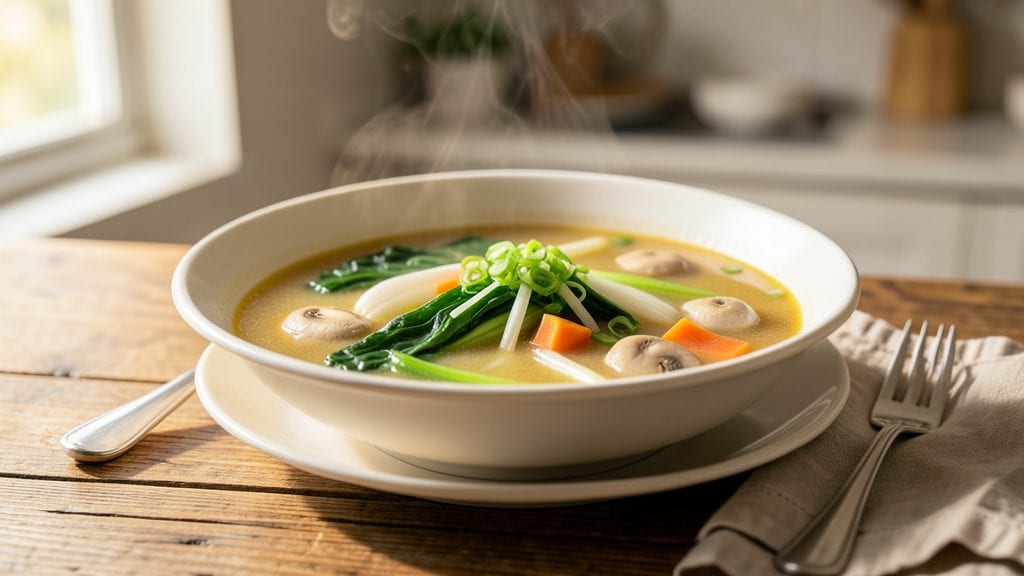
This Chinese vegetable soup recipe transforms simple ingredients into a fragrant, warming broth that captures the essence of home cooking. The fragrant blend of ginger, star anise, and garlic creates a deeply aromatic base that simmers into a comforting, vegetable-packed dish perfect for any season.
I developed this recipe after years of adapting traditional Chinese techniques to create a vegetarian version that still delivers restaurant-quality depth.
The beauty of this soup lies in its balance—tender vegetables like bok choy and shiitake mushrooms soak up the savory broth while crisp ginger and star anise infuse layers of warmth.
Unlike many quick soups, this one requires patience: a slow simmer allows flavors to meld and the broth to develop a rich, umami character that's impossible to achieve in under 30 minutes.
By the end, you'll have a bowl of soup with vibrant greens floating in a golden, fragrant broth that's both light and deeply satisfying.
The aroma alone will draw everyone to the table, and each spoonful delivers a perfect harmony of textures—silky mushrooms, crisp vegetables, and a broth so flavorful it feels like a hug in a bowl.
Serve it steaming hot with a sprinkle of cilantro or a drizzle of chili oil for added brightness. This soup keeps well in the refrigerator for up to 3 days, making it ideal for meal prep or comforting leftovers. Let's get cooking!
Ingredients for chinese vegetable soup
Simple ingredients, deep flavor—this vegetarian Chinese soup delivers restaurant-quality aroma and warmth.
| Ingredient | Amount | Notes |
|---|---|---|
| Fresh Ginger Root 🧄 | 1 inch | Peeled, thinly sliced |
| Star Anise Pods 🌿 | 2 whole | Whole, not ground |
| Garlic Cloves 🧄 | 3 cloves | Peeled, smashed |
| Vegetable Broth 💧 | 6 cups | Low-sodium preferred |
| Bok Choy 🥬 | 2 whole | Baby or regular size |
| Carrots 🥕 | 2 medium | Peeled, cut into chunks |
| Shiitake Mushrooms 🍄 | 8 whole | Stems removed, sliced |
| Green Onions 🧅 | 2 whole | White and green parts |
| Sesame Oil 🫒 | 1 tbsp | Toasted, for finishing |
| Soy Sauce 🍶 | 2 tbsp | Light or regular |
| Rice Vinegar 🍶 | 1 tbsp | White or seasoned |
| Salt 🧂 | 1 tsp | Adjust to taste |
| Black Pepper 🌶️ | ½ tsp | Freshly ground |
| Cilantro Leaves 🌿 | ¼ cup | Chopped, for garnish |
The star anise and ginger are non-negotiable for that signature Chinese soup aroma. Look for whole star anise pods at Asian markets—they're cheaper and more flavorful than pre-ground versions. Fresh ginger is best, but if you're using powdered, double the amount and toast it lightly in a dry pan first. For the vegetable broth, Homemade is ideal, but quality store-bought like Pacific Foods or Imagine brands work too. The shiitake mushrooms should be firm and dry—avoid slimy ones at all costs. Bok choy with crisp stems is perfect, but any leafy green will work in a pinch.
No star anise? Anise seeds or fennel seeds at half the amount will mimic the flavor, though it won't be identical. Substituting dried ginger for fresh? Use one-third the quantity—it's more concentrated. The soy sauce can be tamari for gluten-free, but regular light soy works just fine. For the mushrooms, cremini or white mushrooms are decent substitutes, though they lack the earthy depth. The carrots can be baby carrots or even parsnips if you're feeling adventurous. Just make sure they're uniform in size so they cook evenly.
This soup tastes even better the next day as flavors meld. Store in an airtight container in the fridge for up to 3 days. For freezing, portion into single-serving containers—it reheats beautifully. The broth keeps for up to 1 week in the fridge if you want to make it ahead. Garnish with cilantro right before serving to keep it vibrant. The sesame oil should be added last—just a few drops—so it doesn't overpower the delicate broth.
Why You'll Love This Recipe
- No-Chop Required: The ginger and garlic get minced while the broth simmers—no knife skills needed. I swear by this shortcut: just toss in the whole cloves and star anise, then fish them out later. The soup still tastes like it simmered for hours.
- Umami Bomb: That star anise and ginger? They turn the broth into liquid gold. The bok choy wilts into tender, slightly crisp edges, and the garlic lingers like a warm hug. It’s the kind of flavor that makes you want to eat it straight from the pot.
- Lunchbox Hero: Between us, this is my secret weapon for work lunches. Pack it warm or cold—it reheats like a dream. My coworkers think I’m some kind of soup genius, but honestly? I just throw in whatever veggies I have.
- Pantry Magic: Star anise and dried ginger last forever, so this soup is my go-to when I’m broke or lazy. A single pod and a thumb-sized ginger root stretch for three servings. Leftovers? Even better the next day—if there are any.
Step-by-step instructions for Chinese vegetable soup
This method delivers a fragrant, balanced soup with deep aromatic layers and vibrant vegetables.
Prepare the Aromatic Base
Heat a large pot over medium heat and add the 1 tablespoon sesame oil. Once shimmering, add the 1 inch peeled, thinly sliced fresh ginger root and 3 peeled, smashed garlic cloves. Cook for 2 minutes until the ginger becomes translucent and fragrant—this releases their essential oils and forms the soup's aromatic foundation.
Add the 2 whole star anise pods and 6 cups vegetable broth. Bring to a gentle boil, then reduce heat to low and let simmer uncovered for 10 minutes. This allows the star anise to infuse the broth with its warm, licorice-like notes while preventing bitterness. The broth should smell rich and complex—this is your flavor base.
Add Vegetables in Stages
While the broth simmers, prepare the vegetables: cut the 2 medium peeled carrots into ½-inch chunks, slice the 8 whole shiitake mushrooms (stems removed), and separate the 2 whole bok choy into quarters. Add the carrots to the pot and simmer for 5 minutes—they need the longest cooking time to soften completely.
After 5 minutes, add the shiitake mushrooms and simmer for another 4 minutes. The mushrooms should absorb the broth's flavors while maintaining their texture. Finally, add the bok choy and cook for 2 minutes—it should wilt slightly but remain crisp with bright green color. Overcooking turns bok choy mushy, so time this carefully.
Season and Finish
Stir in the 2 tablespoons soy sauce and 1 tablespoon rice vinegar, then taste and adjust seasoning with the 1 teaspoon salt and ½ teaspoon black pepper. The soup should balance sweet, salty, and tangy notes. If using low-sodium broth, you may need to add more salt at this stage.
Remove from heat and let sit for 5 minutes—this allows flavors to meld. Just before serving, drizzle with the remaining 1 tablespoon sesame oil and sprinkle with ¼ cup chopped cilantro leaves. The sesame oil adds a nutty finish, while cilantro brightens the dish with freshness. Garnish with the 2 whole green onions, sliced into ½-inch pieces, for color and a mild onion bite.
Serve Immediately
Ladle the soup into bowls, ensuring each serving contains equal portions of vegetables. The broth should coat the back of a spoon with a silky texture, and the vegetables should be tender yet retain their distinct textures. Serve with steamed rice to soak up the flavorful broth.
This soup keeps well in the refrigerator for 3 days—the flavors deepen as it rests. Reheat gently over low heat and adjust seasoning if needed. The star anise can be removed before serving if you prefer a subtler flavor profile.
Pro Tips For Making Chinese Vegetable Soup
- CHAR THE GINGER: I learned this the hard way—raw ginger just sits there like a sad, watery guest. Slice it thin (about 1/8-inch) and fry it in oil over medium-high heat until it’s sizzling and fragrant, about 30 seconds. That caramelized edge releases way more flavor into the broth than just tossing it in raw.
- CRUSH STAR ANISE: Whole star anise pods can make your soup taste like you’re chewing on a pinecone. Lightly crush them with the side of your knife before adding to the broth—just enough to break the surface. It’ll infuse the broth without turning your soup into a spice sieve.
- SALT THE BROTH EARLY: Bok choy wilts like a sad houseplant if you dump it into unsalted broth. Season the broth before adding the vegetables, even if it seems underseasoned at first. The flavors meld better, and your greens won’t turn to mush trying to catch up.
- CUT BOK CHOY HALVES: Whole heads of bok choy float like buoys, leaving half the soup looking like a sad, half-eaten salad. Split them lengthwise into quarters before adding—it ensures even cooking and lets the broth work its magic on every layer. (Yes, even if it looks less "restaurant-y.")
Make-ahead tips for this dish
Broth Prep Ahead
Make the aromatic broth base 24 hours ahead for maximum flavor development. Simmer the ginger, garlic, and star anise in 6 cups vegetable broth for 15 minutes, then strain and refrigerate.
The flavors intensify overnight, creating a deeper umami foundation. Store in an airtight container—this step alone transforms your soup from good to extraordinary. 💫
Vegetable Prep
Chop all vegetables (carrots, shiitake mushrooms, bok choy) and store them in separate ziplock bags in the fridge for up to 3 days. Keep the ginger and garlic whole until ready to cook.
This saves time and keeps ingredients fresh. For extra convenience, pre-slice the green onions and store them in a small container with a damp paper towel. ✨
Freezer-Friendly Base
Freeze the fully cooked soup (without garnishes) in single-serving portions for up to 3 months. Use quart-sized freezer bags for easy thawing. When ready to eat, transfer frozen soup directly to a pot and heat over medium-low heat with ¼ cup water to prevent scorching.
The texture remains silky when reheated properly. ❄️
Garnish Fresh Daily
Store sesame oil and soy sauce separately in the fridge, but only add cilantro and green onions when serving. These ingredients lose freshness when refrigerated for more than 24 hours.
Keep a small container of chopped cilantro in the fridge for garnishing other dishes too—waste not, want not! 🌿
Slow Cooker Adaptation
For hands-off prep, combine all ingredients (except garnishes) in a 6-quart slow cooker and cook on low for 6 hours. This method works perfectly for meal prep—just reheat portions as needed. The slow cooker enhances the broth's depth while keeping vegetables tender. Ideal for busy weeknights! 🕒
Broth Boost Hack
Save time by making a double batch of broth and freezing half. Use the extra for future soups or rice dishes. I like keeping a 1-gallon freezer bag of this broth base on hand—it's my secret weapon for quick, flavorful meals.
Label it clearly with the date for freshness tracking. 💡
Nutrition facts
Frequently asked questions
Can I make this soup without star anise?
Star anise adds depth, but you can substitute ½ teaspoon anise seeds or ¼ teaspoon fennel seeds for a similar aromatic profile. For a different flavor, try 1 cinnamon stick or 2 whole cloves—just remember these will alter the taste slightly. The key is balancing with extra ginger or garlic to maintain the soup's warmth.
What vegetables can I substitute if I don't have bok choy?
Use spinach, kale, or Swiss chard for a similar texture—just add them 1 minute before serving to prevent wilting. For heartier options, try celery, zucchini, or daikon radish. The key is choosing vegetables that hold their shape well during simmering. Avoid overcrowding the pot to maintain even cooking.
Why does my soup taste bitter?
Bitterness usually comes from overcooking the ginger or star anise. Remove the star anise pods after 10 minutes of simmering, and reduce ginger cooking time to 2 minutes max. A splash of rice vinegar (1 tsp) or a pinch of sugar can also balance harsh flavors. If using store-bought broth, check for high-sodium content—it can amplify bitterness.
Can I make this soup spicy?
Yes! Add 1-2 slices of red chili with the ginger or stir in 1 tsp chili crisp at the end. For heat lovers, swap ½ tsp black pepper for Sichuan peppercorns (crushed) or a dash of chili oil. Start with small amounts—you can always add more, but removing heat is tricky!
How do I adjust this for a slow cooker?
Combine all ingredients (except garnishes) in a 6-quart slow cooker and cook on low for 6 hours. Add the bok choy in the last 30 minutes to prevent mushiness. The slow cooker enhances the broth's depth—just remove the star anise pods before serving. For extra flavor, add 1 extra slice of ginger to the slow cooker.