
Sauces & Condiments
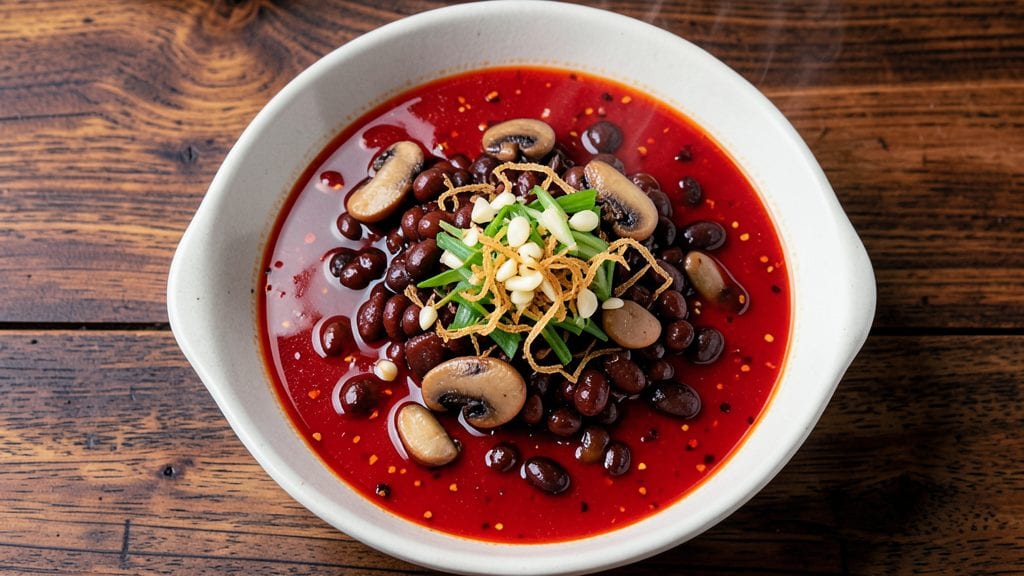
This Chinese tomato hot pot soup base transforms simple ingredients into a concentrated umami powerhouse that elevates any hot pot in minutes. The secret lies in slow-cooked tomatoes, aromatic spices, and a precise balance of salt and acidity that builds depth over time—something store-bought versions can't replicate.
I developed this recipe after years of testing, and it now forms the foundation for my most requested hot pot dishes.
The beauty of this base is its versatility—use it as-is for a quick stovetop or Instant Pot hot pot, or dilute it with water or broth for a lighter soup. The recipe includes a simple cornstarch slurry to thicken the base slightly, ensuring it holds its structure even when reheated.
What sets this apart is the umami-packed intensity from fermented black beans and dried shiitake mushrooms, which infuse the tomatoes with layers of savory complexity.
By the time you strain and reduce this base, you'll have a deep red, aromatic concentrate that smells like a bustling Chinese kitchen. It's the kind of flavor foundation that turns a simple vegetable hot pot into something restaurant-worthy.
The best part? This base keeps well in the fridge for up to two weeks or freezes for three months, making it a pantry essential for hot pot lovers.
Whether you're preparing for a casual weeknight dinner or a gathering with friends, this foolproof soup base delivers consistent, professional-quality results every time. Let's get started on building that umami foundation.
Ingredients for chinese tomato hot pot soup base
Ten essential ingredients build this umami-rich foundation for any Chinese hot pot.
| Ingredient | Amount | Notes |
|---|---|---|
| San Marzano Crushed Tomatoes 🍅 | 2 cans | 40 oz can each, high-quality |
| Fermented Black Beans 🌱 | ½ cup | Drained and rinsed well |
| Dried Shiitake Mushrooms 🍄 | 4 whole | Rehydrated and chopped |
| Fresh Ginger Root 🧄 | 2 tbsp | Finely grated, aromatic |
| Garlic Cloves 🧄 | 6 cloves | Peeled and smashed |
| Chinese Chili Bean Sauce 🌶️ | 2 tbsp | Doubanjiang for authentic heat |
| Light Soy Sauce 🥢 | 1 tbsp | Kikkoman preferred |
| Dark Soy Sauce 🥢 | 1 tbsp | For deep color |
| Cornstarch 🌾 | 1 tbsp | For slurry thickening |
| Cold Water 💧 | ½ cup | For cornstarch slurry |
The tomatoes are non-negotiable—San Marzano delivers the sweetness and acidity this base needs. Asian markets often carry them canned, but any high-quality crushed tomatoes work. Fermented black beans add that signature funk; grab them in the refrigerated section near tofu at Whole Foods or H Mart. Dried shiitake mushrooms? Soak them in hot water for 20 minutes before chopping—Trader Joe's sells them pre-packaged for convenience. The ginger and garlic should be freshly grated and smashed, not pre-minced. For the chili bean sauce, Lao Gan Ma is the gold standard, but any Chinese chili paste works in a pinch.
No fermented black beans? Substitute 1 tbsp miso paste plus 1 tsp soy sauce—it won't be identical, but you'll still get umami. Running low on dried shiitake? Cremini mushrooms work at double the amount, but they won't have that earthy depth. The cornstarch slurry is key—arrowroot powder works too, but cornstarch gives that classic hot pot body. Short on soy sauces? Coconut aminos can replace light soy at a 1:1 ratio, but dark soy's color is irreplaceable for presentation. Always taste as you go—the balance of salt and acidity is what makes this base sing.
This base keeps beautifully—2 weeks refrigerated or 3 months frozen. I portion it into ice cube trays before freezing for single-use servings. Reheat gently on low heat or microwave until steaming. The flavor actually improves after 24 hours as the ingredients meld. For Instant Pot use, add the base directly to your pot—it'll thicken perfectly during cooking. Stovetop? Simmer uncovered to concentrate the flavors further.
Why You'll Love This Recipe
- Pantry-to-Pot Magic: I swear by this recipe because it turns shelf-stable staples into something rich and complex with zero fuss. Those fermented black beans? Just rinse and toss—no soaking, no peeling. The dried shiitakes rehydrate while you prep, so you’re basically making soup with ingredients that do half the work for you.
- Umami Bomb: Between the San Marzano tomatoes (sweet, jammy perfection) and the funky depth of fermented black beans, this base is ridiculously flavorful. Honestly, I’ve made it for people who claim they don’t like "strong" flavors, and they still ask for seconds. The ginger and garlic caramelize into something almost toffee-like—savory, warm, and impossible to resist.
- Soup, Stir-Fry, or Sauce: This isn’t just a soup base—it’s a chameleon. Use it as-is for a quick hot pot, thin it with broth for noodles, or reduce it into a glaze for dumplings. I’ll be real: I’ve even poured it over rice with a fried egg on top, and my roommates still begged for the recipe. The shiitakes add that meaty texture, so it works even when you’re not feeling fancy.
- Budget-Friendly Leftovers: A single batch stretches for three meals—soup, stir-fry, or as a braising liquid for proteins. The dried shiitakes and fermented beans are cheap but pack serious punch, and San Marzano tomatoes last ages in the pantry. Between us, this is how I feed my college-age kids without breaking the bank. Plus, it tastes even better the next day, which is basically a miracle.
Step-by-step instructions for Chinese tomato hot pot soup base
This umami-rich base builds flavor layer by layer—perfect for both Instant Pot and stovetop methods.
Rehydrate and Prepare the Shiitake Mushrooms
Place the 4 whole dried shiitake mushrooms in a heatproof bowl and cover with hot water. Let them soak for 10-15 minutes until they've absorbed enough water to become pliable. Drain well, then finely chop the rehydrated mushrooms—they should yield about ½ cup chopped. The texture transforms from leathery to tender, releasing their deep earthy flavor that will anchor your soup base.
While the mushrooms soak, peel and smash the 6 cloves garlic with the flat side of your knife. This releases their oils and intensifies their aroma. Set aside both the mushrooms and garlic—they'll form the aromatic foundation of your soup. The garlic should look like flattened, oily disks rather than whole cloves when properly smashed.
Build the Flavor Base with Aromatics and Tomatoes
In your Instant Pot or a medium saucepan, combine the 2 cans san marzano crushed tomatoes, 0.5 cup fermented black beans (drained), the chopped shiitake mushrooms, smashed garlic cloves, 2 tbsp chinese chili bean sauce, 1 tbsp light soy sauce, and 1 tbsp dark soy sauce. Stir well to distribute all ingredients evenly. The mixture will be thick and vibrant—this is where the deep umami begins to develop.
If using an Instant Pot, set it to "Sauté" function and cook for 5 minutes on high, stirring occasionally. On the stovetop, simmer over medium heat for 8-10 minutes, stirring frequently, until the mixture thickens slightly and the raw garlic aroma transforms into a sweet, toasted scent. You'll notice the black beans breaking down, releasing their fermented richness into the tomatoes.
Add Ginger and Simmer for Depth
Grind the 2 tbsp fresh ginger root using a microplane or fine grater until you have a smooth paste. Add this to your simmering base along with the 2 tbsp chinese chili bean sauce. Stir well and continue cooking for another 5-7 minutes until the ginger dissolves completely and the mixture reduces by about one-third. The soup should smell complex—tomatoey with hints of fermented funk, spicy chili, and bright ginger.
Taste at this stage and adjust seasoning if needed. You might find it needs a touch more saltiness—this is where the dark soy sauce comes into play if required. The ginger should be fully incorporated, leaving no grainy texture. This is your flavor checkpoint—if it tastes balanced now, your final soup will be exceptional.
Thicken the Soup with Cornstarch Slurry
In a small bowl, whisk together the 1 tbsp cornstarch and 0.5 cup cold water until completely dissolved. This slurry is your thickening agent—it will give your soup that perfect velvety body without making it gluey. Slowly pour the slurry into your simmering soup base while stirring constantly to prevent lumps from forming.
Continue cooking for 3-5 minutes until the soup reaches your desired consistency—it should coat the back of a spoon but still be pourable. The mixture will thicken noticeably as the cornstarch activates. Remove from heat once it reaches this stage—overcooking can make it too stiff. The finished base should be glossy with a smooth texture that clings to the back of a spoon.
Finish and Rest for Maximum Flavor
Let the soup base rest for 10 minutes off the heat. This resting period allows all the flavors to meld completely and the cornstarch to fully set. The soup will thicken slightly more as it cools, so don't be tempted to over-thicken it earlier—patience here ensures the perfect texture.
Before using, give it one final taste and adjust seasoning if needed. This base is incredibly versatile—use it as-is for a simple hot pot soup, or build upon it with proteins, tofu, or fresh vegetables. The key to its success lies in the layering of flavors: the tomatoes provide acidity, the fermented beans add depth, the shiitake mushrooms contribute umami, and the ginger and chili bean sauce bring heat and complexity.
Pro Tips For Making Chinese Tomato Hot Pot Soup Base
- Bloom the Shiitakes First: Soak your dried shiitakes in hot water for 10 minutes before adding them to the pot—this jumpstarts their flavor and prevents them from turning to mush later. I used to toss them in dry, and they’d just sit there like sad little raisins instead of releasing their deep umami punch.
- Toast the Fermented Beans: Dry-toast the fermented black beans in a separate pan for 2-3 minutes until fragrant—this deepens their savory, funky aroma and stops them from making the broth taste bitter. Skip this, and your soup will smell like a wet sock instead of a wok.
- Simmer, Don’t Boil: Keep the heat low enough that the tomatoes gently bubble but never roar—hard boiling breaks them down into a watery sludge. I learned this after turning a rich base into tomato soup for toddlers. Aim for a slow, steady simmer.
- Mince the Ginger Fine: Use a microplane or knife to mince the ginger into a paste, not just rough chunks—this ensures every bite gets that bright, zesty kick without any chewy surprises. I used to chop it coarse, and it’d just sit there like a tiny, useless rock.
Perfect pairings for this chinese tomato hot pot soup base
Hot Pot Vegetable Pairings
This soup base shines with fresh, crisp vegetables that balance its rich umami. Toss in bok choy, napa cabbage, and shredded carrots for classic Chinese hot pot textures. I like adding thinly sliced daikon radish for a peppery bite that cuts through the sauce.
For heartier options, try eggplant cubes or lotus root—both absorb the base beautifully while adding satisfying chew. 🥬
Protein Additions
Lean proteins elevate this base into a complete meal. Thinly sliced shirataki noodles (konjac) add zero-calorie texture, while tofu cubes (pressed and pan-fried) soak up the sauce. For meat lovers, sliced pork belly or chicken breast work perfectly—simmer them directly in the hot pot for tender, flavorful bites.
I also recommend shrimp or scallops for a lighter seafood option. 🍗
Dipping Sauce Complements
No hot pot is complete without complementary dipping sauces. A simple mix of 1 tbsp hoisin sauce, 1 tsp sesame oil, and 1 tsp rice vinegar enhances the base's flavors. For extra heat, add 1 tsp chili crisp or Lao Gan Ma chili oil.
I keep a small bowl of this sauce on the table—it lets guests customize their heat and richness levels. 🌶️
Garnish Finishes
Fresh herbs and aromatics take this soup to the next level. Sprinkle thinly sliced scallions and cilantro on top just before serving for brightness. A drizzle of toasted sesame oil adds nutty depth, while crushed peanuts provide crunch.
I also love finishing with pickled red chilies for a tangy, spicy contrast. These garnishes feel like restaurant-quality touches. 💫
Beverage Pairings
Light, crisp beverages cleanse your palate between bites. A jasmine green tea complements the soup's umami without overpowering it. For something bubbly, try a Chinese baijiu-infused sparkling water—the effervescence cuts through the richness.
I also enjoy a light lager like Tsingtao for its mild bitterness that balances the dish. Avoid heavy wines or dark beers that might clash. 🍺
Nutrition facts
Frequently asked questions
Can I make this soup base without fermented black beans?
The beans add essential umami depth, but you can substitute 1 tbsp miso paste or 1 tbsp soy sauce plus 1 tsp fish sauce for a similar savory punch. The flavor won't be identical, but it'll still deliver rich, concentrated taste. For best results, let the substitute simmer with the tomatoes for 5 extra minutes to develop the funky notes.
How do I adjust the thickness for different hot pot styles?
This base is designed to be versatile. For a thicker, stew-like hot pot, reduce it by 10-15 minutes longer after adding the cornstarch slurry. For a lighter broth-style soup, dilute with 1 cup water or broth per 2 cups of base. The cornstarch slurry ensures it won't separate when reheated.
Why does my base taste too salty after freezing?
Freezing concentrates flavors, including salt. To prevent this, portion the base into ice cube trays before freezing, then transfer cubes to a bag. When using frozen base, add 1 extra cup water and simmer 5 minutes longer to restore proper consistency. Taste before serving and adjust with a splash of water if needed.
Can I use this base for cold noodle soups or salads?
The concentrated flavors work beautifully chilled. For cold noodle soups, dilute with 2 parts water and toss with udon or ramen noodles. For salads, whisk with olive oil and use as a vibrant dressing. The acidity from tomatoes prevents the base from curdling when chilled.
What's the secret to making this base spicier?
Add 1 extra tbsp chili bean sauce or ½ tsp chili flakes during the final 5 minutes of simmering. For heat that lingers, stir in 1 tsp gochujang (Korean chili paste) with the cornstarch slurry. Remember: spices intensify as the base cools, so start conservative and adjust to taste.