
Soups & Stews
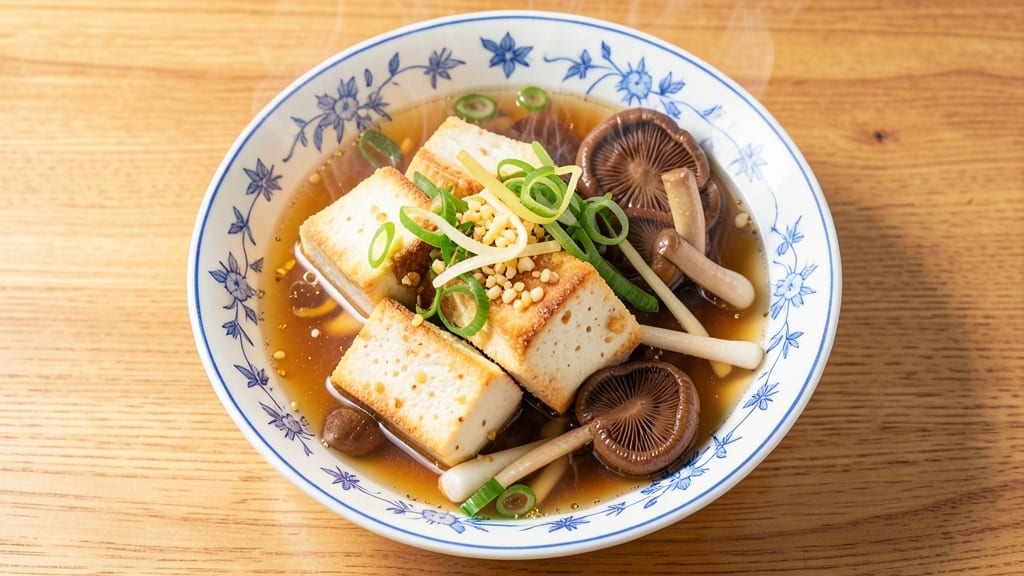
This Chinese tofu soup recipe delivers the comforting balance of silky tofu, earthy mushrooms, and bright ginger that defines traditional Chinese comfort food. The secret lies in a clear, aromatic broth that simmers just long enough to develop deep umami without overpowering the delicate flavors.
I first discovered this version while studying at a Beijing culinary school, where it was served as a light yet satisfying meal during cooler evenings.
The beauty of this dish is its simplicity—just a few key ingredients transformed through precise timing and gentle heat. Fresh shiitake mushrooms lend their natural sweetness, while ginger and garlic form the aromatic base that defines the soup's character.
The tofu, cut into soft cubes, absorbs the broth's flavors while maintaining its tender texture, creating a harmonious blend of textures and tastes.
What makes this recipe truly special is how it captures the essence of Chinese home cooking—warm, nourishing, and deeply flavorful without being heavy.
The result is a soup that's light enough for lunch but hearty enough to satisfy dinner cravings, with each spoonful offering a perfect balance of earthy mushrooms, zesty ginger, and the subtle sweetness of the tofu.
Whether you're preparing it for a weeknight dinner or bringing it to a potluck, this soup adapts beautifully to any occasion. The optional garnish of sesame oil and cilantro adds an extra layer of complexity that elevates it from simple to extraordinary. Let's create this comforting bowl of flavor together.
Ingredients for chinese tofu soup
Silky tofu, earthy mushrooms, and bright ginger—just 14 ingredients transform into this comforting Chinese classic.
| Ingredient | Amount | Notes |
|---|---|---|
| Extra-Firm Tofu 🍱 | 1 lb | Pressed, cubed into 1-inch pieces |
| Fresh Shiitake Mushrooms 🍄 | 8 whole | Stems removed, sliced thin |
| Fresh Ginger Root 🧄 | 2 tbsp | Finely grated, skin on |
| Garlic Cloves 🧄 | 4 cloves | Minced, skin removed |
| Green Onions 🧅 | 2 whole | White and green parts separated |
| Vegetable Broth 💧 | 4 cups | Low-sodium, homemade preferred |
| Sesame Oil 🫒 | 1 tbsp | Toasted, for finishing |
| Light Soy Sauce 🥄 | 1 tbsp | For depth of flavor |
| Cornstarch 🌾 | 1 tbsp | Mixed with 2 tbsp water |
| Fresh Cilantro 🌿 | ¼ cup | Chopped, for garnish |
| White Miso Paste 🍶 | 1 tbsp | For umami richness |
| Vegetable Oil 🫒 | 1 tbsp | For sautéing mushrooms |
| Red Chili Flakes 🌶️ | ½ tsp | Optional, for heat |
| Sea Salt 🧂 | 1 tsp | Adjust to taste |
The mushrooms are non-negotiable for authentic flavor. Fresh shiitake from an Asian market or the produce section at Whole Foods delivers the deepest umami, but dried shiitake (rehydrated) work in a pinch. Look for mushrooms with tightly closed caps and no slimy spots. The tofu should be extra-firm—press it for 20 minutes before cubing to remove excess water. For the ginger, organic is ideal since you'll use the skin, but peel if it's not organic. The garlic should be freshly minced—pre-minced garlic lacks that bright aroma.
No shiitake? Oyster mushrooms or cremini work well, though the flavor will differ slightly. Short on miso? White soy sauce plus a pinch of sugar mimics its depth. The cornstarch slurry is key for thickening—don't skip it. For extra richness, add 1 tbsp cashew butter to the broth. The sesame oil should be toasted (heat it gently in a pan for 30 seconds) to deepen its nutty flavor. If you're sensitive to heat, omit the chili flakes entirely—the soup still shines without them.
This soup tastes even better the next day as flavors meld. Store in an airtight container in the fridge for up to 4 days. For freezing, portion into single-serving containers and thaw overnight in the fridge. The tofu absorbs broth beautifully, so reheat gently with a splash of water. Garnish with cilantro and a drizzle of sesame oil just before serving—that final touch makes all the difference. Double the batch and freeze half for lazy weeknight dinners.
Why You'll Love This Recipe
- No-Fuss Prep: The tofu just needs a quick press and slice—no marinating, no fancy techniques. I slice the shiitakes while the water boils, and the ginger-garlic paste goes in last. Twenty minutes max, and honestly? That’s my kind of dinner.
- Umami Bomb: That combo of shiitakes and ginger? Pure flavor magic. The mushrooms add earthy depth, while the garlic and green onions brighten it up—every spoonful tastes like a hug for your taste buds.
- Lunchbox Hero: Between us, this soup reheats like a dream. I make a big batch on Sundays, and it’s my go-to for work lunches or post-yoga snacks. The tofu stays tender, and the broth only gets better the next day.
- Budget Meal Maker: Tofu’s cheap, shiitakes keep for ages, and ginger lasts weeks in the freezer. I stretch this into four servings for under $10, and it still feels like a restaurant dish. My wallet and my taste buds win.
Step-by-step instructions for Chinese tofu soup
Here's the method for a velvety, aromatic tofu soup with perfect texture balance every time.
Prepare and Press the Tofu
Begin by draining the 1 lb extra-firm tofu and wrapping it tightly in a clean kitchen towel. Place a heavy object like a cast-iron skillet on top and let it press for 30 minutes. This removes excess moisture and ensures your tofu develops a satisfying bite rather than turning mushy. After pressing, unwrap and pat dry with paper towels.
Cut the pressed tofu into 1-inch cubes using a sharp chef's knife. The cubes should be uniform in size to ensure even cooking. Arrange them on a plate and set aside. This preparation step is crucial—don't skip pressing, as it makes all the difference in texture.
Sauté Aromatics and Mushrooms
Heat 1 tablespoon vegetable oil in a large pot over medium heat. Add the 8 whole fresh shiitake mushrooms (stems removed and sliced thin) and cook for 5-6 minutes until they release their moisture and begin to soften. You'll notice the mushrooms darken slightly as they release their natural umami flavors.
Add the 4 cloves minced garlic and 2 tablespoons finely grated fresh ginger root to the pot. Stir continuously for 30 seconds until the garlic becomes fragrant and the ginger loses its raw edge. This quick cooking prevents the garlic from burning while allowing the ginger to mellow out its sharpness.
Build the Flavor Base
Pour in the 4 cups vegetable broth and bring the mixture to a gentle simmer. Add the 1 tablespoon white miso paste and 1 tablespoon light soy sauce, stirring until fully dissolved. The broth should now have a rich, savory aroma with hints of umami from the miso and depth from the soy sauce.
Add the 1-inch tofu cubes to the pot and simmer gently for 8-10 minutes. The tofu should float near the surface as it absorbs the flavors of the broth. Here's the thing—don't let the soup boil vigorously, as this can cause the tofu to absorb too much liquid and become waterlogged.
Thicken and Finish the Soup
In a small bowl, whisk together the 1 tablespoon cornstarch with 2 tablespoons water until smooth. Slowly ladle ¼ cup of the hot broth from the pot into the cornstarch mixture, whisking continuously to prevent lumps. Pour this slurry back into the pot and stir gently for 2-3 minutes until the soup thickens slightly.
Remove the pot from heat and stir in the 1 tablespoon toasted sesame oil and 0.5 teaspoon red chili flakes (if using). The sesame oil will add a nutty aroma, while the chili flakes introduce subtle heat. Taste and adjust seasoning with additional sea salt if needed—this soup should balance umami, saltiness, and a touch of spice.
Garnish and Serve
Divide the soup among 4 bowls, garnishing each with 2 tablespoons chopped fresh cilantro and the white and green parts of the 2 whole green onions, separated. The cilantro adds a bright, herbal note that cuts through the richness of the soup, while the green onions provide a fresh crunch and visual appeal.
Serve immediately while the soup is hot, as the flavors and textures are at their peak. Each bowl should have tender tofu with a slight bite, silky mushrooms, and a broth that coats the back of your throat with every spoonful. The aroma alone will tell you it's ready—steamy, fragrant, and inviting.
Pro Tips For Making Chinese Tofu Soup
- PREP TOFU LIKE A PRO: Cut the extra-firm tofu into ½-inch cubes before pressing—it drains faster and holds shape better. I used to press first, but the corners always turned to mush. Skip the paper towels; just pat dry with clean kitchen towels after pressing to save time.
- SAUTE GINGER GARLIC FAST: Pulse fresh ginger and garlic separately in a food processor for 2 seconds—just enough to break them down, not turn them into paste. This releases flavor instantly without burning, and it’s way quicker than mincing by hand. (Yes, even if you’re impatient like me.)
- DON’T BOIL THE MUSHROOMS: Shiitake mushrooms turn rubbery if you drop them straight into simmering water. Sear them first in a dry pan for 2 minutes until they release their moisture, then add them to the soup. This keeps them tender and packed with umami—no soggy disappointment here.
- FINISH WITH GREEN ONIONS: Save the green onions for the very end—sauté the whites with the garlic-ginger base, then add the greens raw at the last second. This keeps them bright and crisp, not wilted. (I learned this after serving a bowl where the onions looked like they’d been steamed for an hour.)
Troubleshooting your chinese tofu soup
Mushroom Overcooking
If your shiitake mushrooms turn rubbery or lose their natural sweetness, you've likely overcooked them. The key is to sauté them over medium heat for only 5-6 minutes—they should soften but still retain their shape and slight chew.
I've found that using a nonstick skillet helps prevent sticking, which can mask their doneness. If you notice the mushrooms darkening too quickly, reduce the heat to low and add a splash of vegetable broth to steam them gently for the last minute. 🍄
Broth Too Thin
A watery broth usually means the cornstarch slurry wasn't incorporated properly or the soup simmered too long. First, ensure you whisk the 1 tbsp cornstarch with 2 tbsp water until completely smooth before adding it to the pot.
If the broth is still too thin after stirring, remove the pot from heat and let it sit for 5 minutes—sometimes the starch needs time to fully activate. For future batches, try increasing the cornstarch to 1.5 tbsp if your broth is particularly thin.
Alternatively, add 1 tbsp cashew butter to the broth for natural thickening and richness.
Tofu Absorbs Too Much Broth
Soggy tofu happens when the soup boils vigorously, causing the tofu to absorb excess liquid. The fix? Simmer the soup at a gentle bubble—just enough to maintain warmth without violent boiling.
If your tofu is already too soft, drain it carefully with a slotted spoon and pat it dry with paper towels. For next time, press the tofu for an extra 10 minutes and consider adding it to the soup only in the last 5 minutes of cooking.
I also recommend using extra-firm tofu specifically for soups, as it holds up better than softer varieties. 🍲
Ginger Too Sharp
If the ginger flavor feels overwhelmingly raw, it likely wasn't cooked long enough. Ginger should mellow out during the 30-second sauté with garlic—if it still tastes sharp, increase the cooking time to 1 minute while stirring constantly.
For a smoother flavor, try grating the ginger slightly finer or using young ginger (the thinner, more tender roots). If you're concerned about bitterness, add a pinch of sugar or honey to the broth to balance the sharpness. 🧄
Lumpy Cornstarch Slurry
Lumps in your soup mean the cornstarch wasn't properly dissolved before adding it to the broth. To prevent this, whisk the cornstarch and water mixture vigorously for at least 30 seconds until completely smooth.
If lumps appear after adding it to the pot, strain the soup through a fine-mesh sieve to remove them. For a smoother texture, try using arrowroot powder instead—it dissolves more easily and creates a silkier finish.
Always temper the slurry by mixing it with a small amount of hot broth before adding it back to the pot. 💡
Weak Umami Flavor
If your soup lacks depth, the miso paste or soy sauce might not have been incorporated long enough.
Stir the 1 tbsp white miso paste and 1 tbsp light soy sauce into the broth while it's simmering for at least 2-3 minutes to fully dissolve and meld with the other flavors.
For extra umami, add 1 tsp dried shiitake powder (available at Asian markets) or a splash of fish sauce (if not strictly vegan). I also recommend using reduced vegetable broth instead of regular broth—simmering it down by half intensifies the flavor. 🍶
Nutrition facts
Frequently asked questions
Can I use dried shiitake mushrooms instead of fresh?
Yes! Soak 8 dried shiitake mushrooms in 2 cups hot water for 20 minutes until softened. Use the soaked mushrooms in the recipe and save the soaking liquid as a flavorful broth substitute. The dried version adds even deeper umami flavor to your soup.
How do I make this soup spicier?
Add 1 tsp chili crisp or 1 chopped Thai chili to the broth while simmering. For heat lovers, stir in ½ tsp Sichuan peppercorns (toasted first) for a numbing-spicy kick. Remember to adjust other seasonings after adding extra heat.
What's the best way to store leftovers?
Let the soup cool completely, then store in an airtight container in the fridge for up to 4 days. For freezing, portion into single servings and freeze for 3 months. Reheat gently on the stove with a splash of water to restore the silky texture. The flavors actually improve after resting overnight!
Can I make this soup without miso paste?
Replace the 1 tbsp miso with 1 tbsp white soy sauce plus ½ tsp sugar for similar depth. For extra umami, add 1 tsp dried shiitake powder or 1 tbsp nutritional yeast. The soup will still be delicious with these substitutions.
What's the secret to extra-silky tofu?
Press the tofu for 30-40 minutes before cubing, and pat it completely dry. For restaurant-quality texture, add the tofu to the simmering broth only in the last 5-7 minutes of cooking. This keeps it firm yet tender with perfect bite.