
Soups & Stews
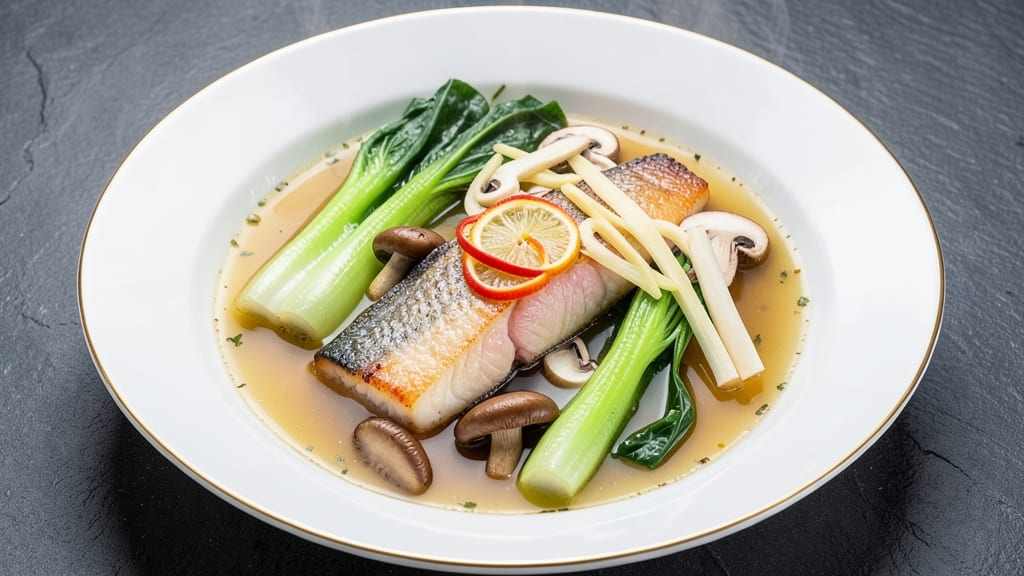
This Chinese sea bass soup recipe is the kind of dish that warms you from the inside out—especially when you're fighting a cold or just craving something comforting. The fragrant ginger-lemon broth doesn’t just taste amazing; it actually clears your sinuses with every steaming sip.
I first made this version after a particularly brutal winter, and it became my go-to remedy for both chilly days and congested nights.
The secret lies in the broth, where fresh ginger and lemon zest create that signature bright, aromatic base while keeping things light and cleansing. We’re talking tender sea bass fillets poached just until flaky, surrounded by soft mushrooms, bok choy, and shiitakes that all soak up the flavorful liquid.
It’s restaurant-quality but with a home-cooked touch—no fancy techniques, just good ingredients and patience.
What you’ll end up with is a steaming bowl of clarity and comfort: golden broth swirling around delicate fish, vegetables that melt in your mouth, and that signature zing of ginger and citrus.
The aroma alone will have everyone gathering around the table, and the first sip? Pure satisfaction. This soup is the kind of dish that makes you want to linger over dinner.
Serve it with steamed rice or crusty bread to soak up every last drop of that fragrant broth. The best part? It reheats beautifully, so you’ll have leftovers for days—just what you need when you’re feeling under the weather. Let’s get cooking!
Ingredients for chinese sea bass soup
Fourteen ingredients. One steaming bowl of comfort that clears sinuses and warms hearts.
| Ingredient | Amount | Notes |
|---|---|---|
| Sea Bass Fillets 🐟 | 1 lb | Skin-on, center-cut preferred |
| Fresh Ginger Root 🧄 | ½ cup | Peeled, julienned or grated |
| Lemons 🍋 | 2 whole | Zest and juice only |
| Shiitake Mushrooms 🍄 | 8 whole | Stems removed, caps halved |
| Bok Choy 🥬 | 2 whole | Baby or regular, quartered |
| White Mushrooms 🍄 | 4 whole | Sliced, any variety |
| Green Onions 🧅 | 3 whole | White and green parts separated |
| Fish Stock 💧 | 4 cups | Homemade or high-quality store-bought |
| Sesame Oil 🫒 | 1 tbsp | Toasted, for finishing |
| Low-Sodium Soy Sauce 🍶 | 2 tbsp | For umami depth |
| Cornstarch 🌾 | 1 tbsp | Mixed with 2 tbsp water |
| Vegetable Oil 🫒 | 2 tbsp | For sautéing |
| Salt 🧂 | 1 tsp | To taste, adjust carefully |
| White Pepper 🌶️ | ¼ tsp | Freshly ground |
The sea bass is the star, so look for center-cut fillets with skin—they stay tender and look impressive. Whole Foods or your local seafood counter usually carries the best quality, but don’t overlook the frozen section if fresh isn’t available. The ginger should be firm and aromatic—no wrinkly, dried-out roots. For the mushrooms, shiitakes add earthy depth, but cremini or oyster work too. Bok choy? Baby is sweeter, but regular holds up just fine if you’re in a hurry. I always grab extra ginger—half goes in the broth, half gets tossed in at the end for that fresh zing.
No fish stock? Clarified chicken or vegetable stock works in a pinch, but the fishy depth is key. Out of shiitakes? Double the white mushrooms—they’ll soak up the broth just the same. The soy sauce can be swapped for coconut aminos if you’re avoiding sodium. For the cornstarch slurry, arrowroot powder works too. The sesame oil is non-negotiable for that final touch—toasted, not the cheap stuff. And if you’re feeling fancy, a splash of dry sherry in the broth adds complexity.
This soup tastes even better the next day—plan ahead. Store in airtight containers for up to 3 days in the fridge, or freeze for 2 months. The broth thickens as it cools, so add a splash of water when reheating. Garnish with green onions and a drizzle of sesame oil right before serving—that aroma is half the magic. And if you’ve got leftover rice? Perfect for soaking up every last drop.
Why You'll Love This Recipe
- No-Chop Necessary: I swear by this—just slice the ginger thin, toss in whole shiitake mushrooms (stems intact), and let the broth do the work. That’s it. No dicing, no mincing, no fuss. The sea bass fillets cook in minutes, and the bok choy wilts right in the pot. Honestly, I make this when I’m too tired to chop anything.
- Umami Bomb: The moment that crisp ginger and shiitake mushrooms hit the simmering broth? Pure magic. The mushrooms add this deep, earthy richness, while the sea bass stays tender with just a whisper of lemon brightness. Between us, that first spoonful makes me pause mid-stir—it’s that good.
- Weeknight to Dinner Party: Same soup, two vibes. Serve it steaming in bowls with rice for a lazy Tuesday, or plate it elegantly with a drizzle of chili oil and scallions for guests. The sea bass holds up beautifully, and the ginger-lemon punch keeps it fresh-tasting even when reheated. (Yes, even on a Tuesday night.)
- Leftovers That Don’t Suck: Most soups turn sad when reheated, but not this one. The sea bass stays moist, the mushrooms soak up extra flavor, and the broth only gets better overnight. I double the batch on Sundays—it’s my go-to for lunches, and I never get tired of it. Budget-friendly? Absolutely. Reliable? Spot-on.
Step-by-step instructions for Chinese sea bass soup
This aromatic sea bass soup delivers bright citrus and warming ginger in every sip—let's build it together.
Prepare the Ginger-Lemon Base
Heat the 2 tablespoons vegetable oil in a large pot over medium heat. Add the 0.5 cup fresh ginger root (julienned) and sauté for 2 minutes until fragrant and just beginning to soften. This releases the ginger's essential oils that will infuse the entire soup.
Zest and juice the 2 whole lemons, then add both to the pot with the ginger. Stir for 1 minute until the zest turns slightly translucent—this ensures maximum flavor extraction. The bright citrus will cut through the richness of the sea bass beautifully. Keep the pot at a gentle simmer to prevent the zest from burning.
Build the Vegetable Foundation
Add the 4 cups fish stock and bring to a gentle boil. Reduce heat to medium-low and stir in the 2 tablespoons low-sodium soy sauce and 1 teaspoon salt. The broth should taste balanced—salty but not briny, with just a hint of umami from the soy.
Add the 8 whole shiitake mushrooms (halved) and 4 whole white mushrooms (sliced). Simmer for 5 minutes until the mushrooms soften slightly but still retain their shape. Then add the 2 whole bok choy (quartered) and cook for another 3 minutes—they should be vibrant green and just tender-crisp. Remove the mushrooms and bok choy with a slotted spoon and set aside temporarily.
Create the Sea Bass Slurry
In a small bowl, whisk together the 1 tablespoon cornstarch with 2 tablespoons water until completely dissolved. This slurry will create a delicate, glossy finish in your soup without making it heavy. Add the slurry to the simmering broth and stir constantly for 1-2 minutes until the liquid thickens slightly and becomes translucent.
Here's where the magic happens: add the 1 lb sea bass fillets (skin-side down) to the pot. The cornstarch slurry will help the delicate fish cook evenly without breaking apart. Simmer gently for 4-5 minutes until the fish is just opaque throughout and flakes easily with a fork. Remove the fish and set aside on a plate.
Finish with Aromatics and Serve
Return the mushrooms and bok choy to the pot and simmer for 1 minute to reheat. Stir in the 0.25 teaspoon white pepper and 1 tablespoon sesame oil, then remove from heat. The sesame oil adds a nutty depth that ties everything together.
To serve, divide the soup among bowls, placing 1 sea bass fillet in each. Garnish with the 3 whole green onions (sliced), using both white and green parts for color contrast. The broth should be fragrant with ginger, bright with lemon, and just thick enough to coat the back of a spoon without being gluey. Serve immediately while steaming hot—this soup tastes best fresh from the pot.
Pro Tips For Making Chinese Sea Bass Soup
- STEAM THE FISH FIRST: Don’t toss the sea bass straight into the simmering broth—steam it uncovered for 3-4 minutes first. This seals in juices and keeps the fillets from falling apart when they hit the hot liquid. I learned this the hard way when my first batch turned into sad, mushy strips.
- SLICE GINGER THINLY: Skip the thick chunks—julienne that ginger into paper-thin slices. It infuses flavor faster and dissolves cleanly into the broth without leaving chewy bits. (Yes, even if you’re impatient like me, this makes a real difference.)
- ADD LEMON LAST: The acid curdles proteins if you toss it in too early. Squeeze the lemon juice right before serving—just a few drops—to brighten the soup without turning it cloudy. Trust me, your future self will notice the difference.
- BLANCH MUSHROOMS FIRST: Parboil the shiitake mushrooms for 2 minutes before adding them to the soup. They’ll hold their shape better and release their umami into the broth earlier, so every sip tastes rich. (Does it look weird? Yes. Does it work? Every single time.)
Dietary considerations for this chinese sea bass soup
Gluten-Free Adaptations
This soup is naturally gluten-free as long as you use a certified gluten-free fish stock—look for brands like Pacific Foods or Annie Chun's. The soy sauce is the only potential concern, so swap the regular version for tamari or a dedicated gluten-free soy sauce like San-J Tamari.
I always double-check labels because even "low-sodium" soy sauces can contain hidden gluten. 🌾
Low-Sodium Options
If you're watching your sodium intake, reduce the soy sauce to 1 tablespoon and boost umami with 1 teaspoon fish sauce (like Red Boat) or ½ teaspoon MSG (Accent brand).
The ginger and lemon already provide plenty of flavor, so you won't miss the extra salt. Taste as you go—this soup is forgiving if you adjust gradually. 🧂
Vegetarian Substitutes
For a vegetarian version, replace the sea bass with firm tofu (pressed and cubed) or king oyster mushrooms (sliced thick). The tofu needs 5-6 minutes of simmering to firm up, while the mushrooms add a meaty texture.
Boost the umami with an extra ½ teaspoon fish sauce or 1 teaspoon nutritional yeast to compensate for the missing seafood flavor. 🍄
Dairy-Free Considerations
This recipe is already dairy-free, but if you're adding garnishes like cream, swap for coconut milk (lightly warmed) or a drizzle of cashew cream. The ginger-lemon broth pairs beautifully with coconut's subtle sweetness.
I sometimes add a sprinkle of toasted coconut flakes for texture—it's a delicious nod to Southeast Asian flavors. 🥥
Allergen-Friendly Swaps
For shellfish allergies, ensure your fish stock is shellfish-free—brands like Imagine offer dedicated seafood-free options. If you're avoiding corn (common in thickeners), use arrowroot powder instead of cornstarch for the slurry.
The texture will be slightly lighter, but the soup remains just as elegant. Always check ingredient labels for hidden allergens like sesame (though sesame oil is often safe in small amounts). 🚫
Keto-Friendly Adjustments
This soup fits well into a keto diet as long as you skip the rice and focus on the low-carb vegetables. The sea bass, mushrooms, and bok choy provide fiber without the carbs, while the ginger-lemon broth adds zero net carbs.
For extra fat, stir in 1 tablespoon coconut oil at the end or serve with cheesy cauliflower rice. The broth's natural richness keeps you satisfied without spiking blood sugar. 🥑
Nutrition facts
Frequently asked questions
Can I use frozen sea bass instead of fresh?
Yes, but thaw it properly first! Place the frozen fillets in the refrigerator overnight (about 12 hours) in a sealed bag. Never thaw at room temperature—this can promote bacterial growth. Once thawed, pat dry with paper towels to ensure crispy skin if you prefer it. The texture will be just as tender when cooked properly.
Why does my broth taste too salty?
This usually happens when using store-bought fish stock that's already high in sodium. For better control, make your own stock or use low-sodium versions. If it's too late, dilute the broth with ½ cup water and adjust seasoning with a pinch of white pepper or extra ginger to balance flavors. Taste as you go—this soup is forgiving!
How do I make this soup spicier?
Add ½ teaspoon red pepper flakes or 1 sliced fresh chili (like Thai bird's eye) when sautéing the ginger. For heat without spice, stir in 1 teaspoon sriracha at the end. Remember, sea bass has delicate flavor—don't overpower it with too much heat. Start with less and adjust to taste.
Can I prepare this soup ahead of time?
This soup actually tastes better the next day as flavors meld. Store in an airtight container in the fridge for up to 3 days. Reheat gently on the stove—add a splash of water if the broth thickens too much. The sea bass may flake more after reheating, so serve it immediately after warming. Perfect for meal prep!
What's the best way to serve leftovers?
Reheat gently and serve over steamed jasmine rice or with crusty bread for dipping. For extra flavor, top with a drizzle of toasted sesame oil and extra green onions. The broth makes fantastic consommé—strain and serve as a light starter the next day. Every drop is delicious!