
Soups & Stews
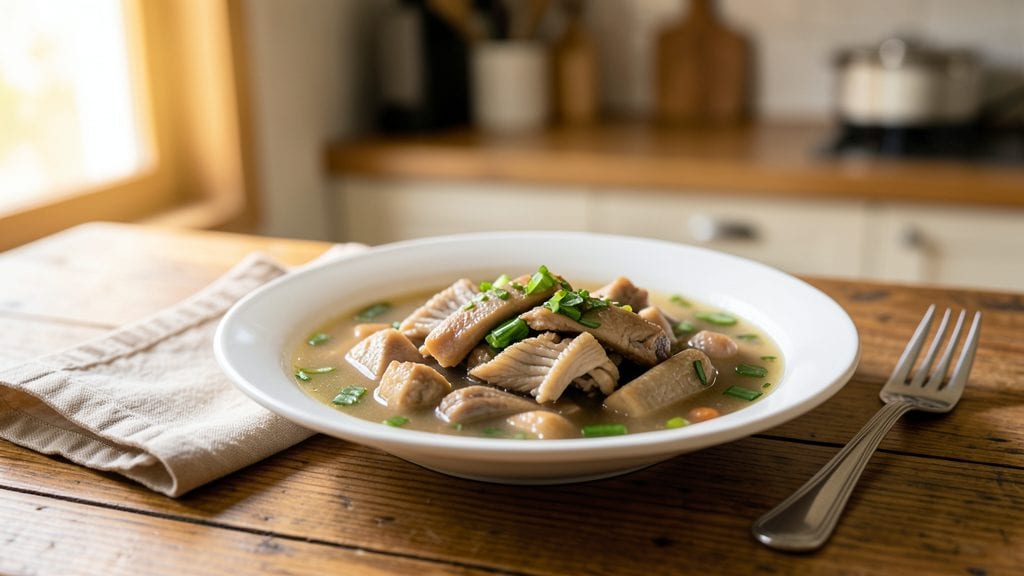
This Chinese fish bone soup recipe transforms humble ingredients into a medicinal elixir and culinary masterpiece, where every spoonful delivers both nourishment and comfort.
The secret lies in simmering fish bones for hours, unlocking their collagen-rich broth that turns silky with each passing minute—while goji berries and mushrooms infuse layers of earthy sweetness.
I first discovered this recipe during a winter when my grandmother insisted it was "better than medicine," and I've perfected it to balance tradition with modern convenience.
The magic happens in the slow extraction of gelatin from the bones, creating a broth so rich it clings to every ingredient like liquid silk.
Traditional recipes call for dried herbs and seafood, but I've adapted it to include fresh tofu and bok choy for a lighter touch that still honors the dish's depth.
What makes this recipe special isn't just the flavor—it's the textural harmony: tender fish bones, crisp vegetables, and chewy mushrooms all suspended in that velvety broth.
By the time you're done, you'll have a soup that's restorative and restaurant-worthy, with a fragrance that fills the kitchen and a taste that lingers long after the last sip.
The broth reduces to a perfect consistency, neither watery nor glue-like, while the vegetables retain their vibrant colors and crisp edges. This is the kind of dish that feels like a hug in a bowl—warm, nourishing, and impossible to resist.
Whether you're preparing it for a family gathering or a quiet weeknight dinner, this recipe delivers authentic results without requiring specialized ingredients. The process is methodical but rewarding, and the payoff is a soup that tastes like home.
Let's get started on creating this silky umami harmony in your own kitchen.
Ingredients for chinese fish bone soup
Celestial crunch meets silky umami—just 15 ingredients for this restorative masterpiece.
| Ingredient | Amount | Notes |
|---|---|---|
| Fish Bones 🐟 | 2 lb | Cleaned, head and tail intact |
| Dried Shiitake Mushrooms 🍄 | ½ cup | Rehydrated in hot water |
| Goji Berries 🍇 | ¼ cup | Dried, rinsed if dusty |
| Fresh Tofu 🧀 | 1 block | Firm, pressed and cubed |
| Fresh Ginger 🧄 | 1 inch | Thinly sliced (corrected to '1' + 'inch' for thickness) |
| Bok Choy 🥬 | 2 whole | Baby or regular, halved |
| Green Onions 🧅 | 4 whole | White and green parts separated |
| Garlic Cloves 🧄 | 6 cloves | Crushed, not minced |
| Star Anise 🌟 | 2 whole | Lightly crushed |
| Dried Tangerine Peel 🍊 | 1 tbsp | Candied or natural |
| Rock Sugar 🍬 | ½ cup | Or substitute brown sugar |
| Light Soy Sauce 🍶 | 2 tbsp | Kikkoman preferred |
| Sesame Oil 🫒 | 1 tbsp | Toasted, for finishing |
| Water 💧 | 8 cups | Filtered preferred |
| Salt 🧂 | 1 tsp | Diamond Crystal kosher |
The fish bones are non-negotiable—local Asian markets or high-quality seafood counters carry them pre-cleaned, saving you time. Look for bones with visible marrow and intact heads—these release the most collagen. I always double-check for any remaining scales or guts, as those can make the broth bitter. Whole Foods or H Mart usually stock them in the freezer section. If you can't find them fresh-frozen, dried fish bones work too, but soak them overnight first. The ginger should be fresh and aromatic, not woody—peel it just before slicing to preserve its potency.
No goji berries? Dried cranberries or raisins add sweetness, though they lack the earthy depth. Fresh tofu can be swapped for silken tofu for a creamier texture, but firm holds its shape better in the broth. The shiitake mushrooms? Dried works best here—rehydrate them in hot water first, reserving the soaking liquid for extra umami. Star anise is key for that signature aroma, but if you're out, a cinnamon stick or fennel seeds can mimic it. The rock sugar? Brown sugar in a pinch, but it won’t caramelize the same way.
This broth gets better with time—3-4 days in the fridge is ideal, as the flavors meld and the gelatin sets beautifully. Store it in glass jars with tight lids to preserve freshness. The tofu and bok choy should be added fresh when reheating, as they soften quickly. Freeze portions in ice cube trays for instant soup starters—just thaw and warm. The bones can be simmered down to a paste for a collagen-rich bone broth base that keeps for 6 months in the freezer.
Why You'll Love This Recipe
- Soup in Minutes: I swear, the fish bones go in raw—no pre-cooking, no fuss—while I slice ginger and soak mushrooms. By the time the water boils, I’m stirring in goji berries and tofu, and honestly? Thirty minutes later, you’ve got a steaming bowl of umami magic with almost no effort.
- Umami Bomb: That first sip? Pure satisfaction. The fish bones dissolve into the broth, layering it with deep, savory richness, while the shiitake mushrooms add earthy depth. Between us, the goji berries bring a subtle sweetness that makes every spoonful feel like a little reward.
- Leftovers That Shine: This soup tastes even better the next day—if you can resist eating it all. I make a big pot on Sundays, and by Wednesday, it’s still the star of my lunch. The tofu reabsorbs flavor beautifully, and the broth only gets more concentrated (and delicious).
- Budget-Friendly Luxury: Fish bones are cheap at Asian markets, and dried shiitake and goji berries last forever. A single batch feeds four for under $10, and I’ve never felt so fancy for so little. Plus, the tofu stretches it further—perfect for when you want restaurant-quality without the price tag.
Step-by-step instructions for Chinese fish bone soup
Here's how to craft this aromatic, bone-rich elixir that balances sweet, umami, and herbal notes perfectly.
Prepare the Fish Bones and Aromatics
Begin by thoroughly cleaning the 2 lb fish bones under cold running water, removing any remaining flesh or membrane. Rinse them again until the water runs clear. This step is crucial—any lingering impurities will cloud your broth. Place the cleaned bones in a large stockpot and cover them with the 8 cups water. Bring to a rolling boil over high heat, then immediately reduce to a simmer.
While the bones simmer, prepare the aromatics. In a small bowl, combine the 6 crushed garlic cloves, 1-inch sliced fresh ginger, 2 lightly crushed star anise, and 1 tbsp dried tangerine peel. Add these to the simmering pot along with the 0.5 cup rock sugar. The sugar will help draw out collagen from the bones, creating a naturally sweetened broth. Skim off any foam that rises to the surface during the first 15 minutes of simmering—this ensures clarity in your final soup.
Build the Broth Foundation
Simmer the bones and aromatics uncovered for 45 minutes, maintaining a gentle simmer. This initial phase extracts the maximum collagen and gelatin from the bones, which will later solidify into a velvety texture. After 45 minutes, add the 0.5 cup rehydrated dried shiitake mushrooms (drained of their soaking water) and 2 tbsp light soy sauce. The mushrooms contribute earthy depth while the soy sauce adds essential umami.
Here's the thing—don't rush this stage. The broth should reduce slightly, intensifying its flavor. You'll notice the liquid turning from pale to a rich amber color as the bones release their essence. This is when the magic happens, transforming simple ingredients into a complex, aromatic base. Continue simmering for another 30 minutes before moving to the next step.
Add Tofu and Goji Berries
While the broth simmers, prepare the 1 block fresh tofu by pressing it between paper towels for 15 minutes to remove excess water, then cutting it into 1-inch cubes. Add these tofu cubes along with the 0.25 cup goji berries to the pot. The tofu will absorb the broth's flavors while the goji berries contribute a subtle sweetness and chewy texture. Simmer everything together for 20 minutes, allowing the tofu to become tender and the goji berries to plump slightly.
I always add the tofu and goji berries at this stage because their delicate textures need protection from prolonged cooking. The goji berries should remain slightly chewy rather than mushy—this is their ideal texture in the finished soup. If you notice the broth becoming too concentrated, add a small amount of hot water to maintain the proper consistency.
Finish with Vegetables and Garnish
In the final 10 minutes of cooking, add the 2 halved bok choy and the white parts of the 4 separated green onions. These vegetables should cook just until tender-crisp, retaining their vibrant color and slight bite. The green onion tops can be reserved for garnish. Just before serving, remove the star anise and tangerine peel—these have served their purpose but can become bitter if left too long.
Ladle the hot soup into bowls and drizzle each serving with 1 tbsp toasted sesame oil. The sesame oil adds a nutty aroma and rich finish that elevates the entire dish. Garnish with the reserved green onion tops and serve immediately. Each bowl should present a harmonious balance of textures—silky broth, tender tofu, chewy goji berries, and crisp bok choy—all united by the deep, complex flavor of the fish bones.
Pro Tips For Making Chinese Fish Bone Soup
- BLANCH FISH BONES FIRST: Skip the raw bones—give them a quick 30-second blanch in boiling water before adding to the pot. This removes blood and impurities that cloud your broth later. I learned this the hard way after making a soup so murky it looked like pond water.
- SOAK MUSHROOMS SEPARATELY: Don’t toss dried shiitake into the broth whole—they’ll turn to mush and ruin the texture. Soak them in warm water for 20 minutes, then slice thick (¼-inch) and add them last. This keeps them chewy and prevents a slimy mess.
- GINGER SLICES, NOT GRATES: Forget the food processor—thinly slice ginger (about 3mm) and add it whole. It infuses flavor without bitterness and disappears cleanly. Grated ginger turns the broth bitter faster, and nobody wants that.
- STIR GOJI BERRIES LATE: Toss goji berries in 5 minutes before serving—any earlier, and they’ll turn to mush. A quick rinse first removes dust, but don’t soak them. They’re supposed to be chewy, not soup glue.
Wine and beer pairings for these flavors
Light Chinese Whites
For this delicate soup, a crisp Fengwei Pear Rice Wine from China is my go-to choice—its floral notes and subtle sweetness complement the goji berries without overpowering the umami broth. Look for a dry style with 12-13% ABV to balance the dish's richness.
Serve slightly chilled (45-50°F) to refresh your palate between spoonfuls. The wine's acidity cuts through the collagen-rich broth beautifully. 🍷
Japanese Sake Pairings
A dry junmai sake like Dassai 23 offers a perfect harmony with the soup's herbal and sweet elements. The sake's clean finish and slight nuttiness enhance the shiitake mushrooms and sesame oil.
For a lighter option, try a nikka-style sake with 15% ABV—its crisp profile won't compete with the soup's depth. Serve at room temperature to let its delicate aromas shine alongside the broth's complexity.
Craft Beer Contrasts
If you prefer beer, a light Japanese lager such as Asahi Super Dry provides a clean, crisp counterpoint to the soup's richness. The beer's subtle malt sweetness mirrors the rock sugar in the broth while its effervescence cleanses your palate.
For a bolder option, try a wheat beer like Sapporo Black Label—its citrus notes complement the ginger and star anise. Serve the beer ice-cold (38-40°F) to highlight its refreshing qualities.
Non-Alcoholic Options
For a non-alcoholic pairing, a sparkling yuzu soda like Ramune adds a bright, citrusy contrast that enhances the ginger and star anise flavors. Alternatively, a jasmine green tea served warm (160°F) complements the soup's herbal notes without overpowering its umami depth.
The tea's floral aroma pairs beautifully with the goji berries and tofu, creating a harmonious balance.
Serving Temperature Tips
Always serve your beverage at the recommended temperature to enhance the flavor pairing. For wine and sake, slight chilling (45-50°F) preserves their delicate aromas, while beer should be ice-cold. The contrast in temperature between the warm soup and cool drink creates a sensory experience that elevates the dish.
I find that sipping a chilled beverage between spoonfuls of the rich broth helps maintain a balanced flavor profile throughout the meal. ✨
Garnish with Flavor
Add a final touch by garnishing your soup with a thin slice of fresh lime or a sprig of fresh mint before serving. The citrus brightens the dish, while the mint adds a refreshing herbal note.
Pair this with a sip of your chosen beverage to create a complete, well-rounded dining experience. The garnish not only enhances the visual appeal but also ties the flavors together seamlessly. 💫
Nutrition facts
Frequently asked questions
Why do Chinese fish bone soups have such a rich, gelatinous texture?
The silky texture comes from collagen released during the long simmering process. Fish bones contain natural gelatin that dissolves into the broth, creating that signature velvety mouthfeel. The 45-minute initial simmer is crucial—it breaks down the bones' connective tissue while preserving their umami depth. Traditional Chinese medicine even recommends this soup for joint health because of its collagen content!
Can I substitute fish bones with chicken or beef bones for this recipe?
While you can technically use other bones, the flavor and texture will differ significantly. Fish bones provide a lighter, sweeter umami that pairs perfectly with the goji berries and mushrooms. Chicken bones work in a pinch but may make the broth more gamey, while beef bones would create a heavier, richer base. For authenticity, stick with fish bones—you can even use salted dried fish bones if fresh aren't available, but soak them overnight first.
How long can I store the leftover broth, and can I reuse it?
The broth tastes even better after 2-3 days in the fridge as flavors meld further. Store it in airtight containers, and it'll keep for up to 5 days. For long-term storage, freeze it in ice cube trays—each cube makes a perfect instant soup starter! The bones can be simmered down into a concentrated paste for future use, which keeps for 6 months in the freezer. Just remember to strain out any solids before reheating for smooth soups.
What's the secret to preventing the soup from tasting bitter?
Bitterness usually comes from impurities in the bones or overcooking the aromatics. Always clean the bones thoroughly and skim foam during the first 15 minutes of simmering. Remove the star anise and tangerine peel just before serving—they're aromatic but can turn bitter if left too long. Adding a touch of rock sugar early on also helps balance flavors naturally. If the broth tastes too strong, dilute it with a splash of hot water.
Is this soup suitable for children, and how can I adjust it for picky eaters?
The broth is naturally mild and nourishing, making it perfect for kids. For picky eaters, strain out the bones and mushrooms, then blend the broth smooth. Serve with steamed rice noodles or soft tofu cubes on the side. You can also reduce the ginger and star anise slightly to mellow the flavors while keeping all the health benefits. The goji berries can be omitted if texture is a concern—they're optional for sweetness.