
Soups & Stews
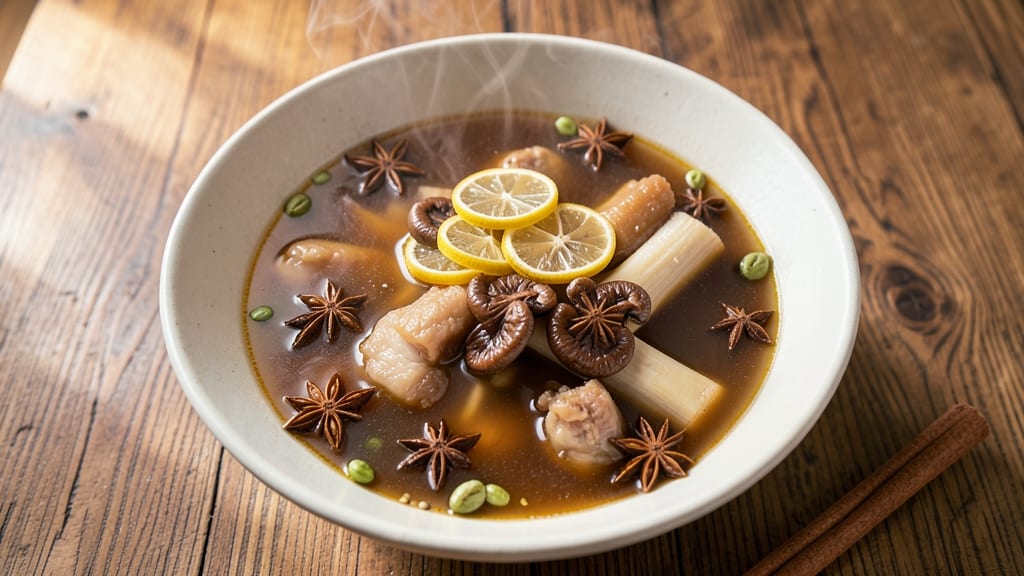
This Chinese bone broth soup transforms simple ingredients into a deeply aromatic elixir that carries generations of tradition in every spoonful. The secret lies in slow-simmered bones, star anise, and fresh ginger that infuse the broth with layers of warmth and complexity—something store-bought versions simply can't replicate.
I've perfected this recipe over years of testing, ensuring the broth achieves that signature velvety richness while maintaining perfect clarity.
The process begins with carefully selected bones—pork or chicken—that release collagen and minerals during a long, gentle simmer. Aromatics like star anise, cinnamon, and ginger aren't just flavorings; they're the soul of the soup, creating an earthy depth that pairs beautifully with tender vegetables and protein.
What makes this recipe special is its balance: rich enough to satisfy, yet light enough to cleanse the palate.
By the time you're done, you'll have a fragrant, golden broth that's ready to be transformed into a comforting bowl of soup. The star anise and ginger linger on the tongue, while the broth's natural sweetness makes every sip feel like a warm embrace.
This is the kind of dish that turns ordinary weeknights into moments of comfort and connection.
Serve with rice noodles, thinly sliced mushrooms, and a soft-boiled egg for the full experience. The broth keeps well in the refrigerator for up to a week, making it perfect for meal prep or sharing with loved ones. Let's get started on creating this timeless classic.
Ingredients for chinese bone broth soup
Transform ordinary ingredients into a fragrant, velvety broth with these essential components.
| Ingredient | Amount | Notes |
|---|---|---|
| Pork or Chicken Bones 🦴 | 3 lb | Marrow bones preferred for richness |
| Fresh Ginger Root 🌿 | ½ lb | Unpeeled, sliced into thick coins |
| Star Anise Pods 🌟 | 6 whole | Whole pods for easy removal |
| Cinnamon Sticks 🌳 | 3 whole | 2-inch pieces for infusion |
| Green Cardamom Pods 🌱 | 6 whole | Lightly crushed for aroma |
| Dried Shiitake Mushrooms 🍄 | 4 whole | Rehydrated for umami depth |
| Daikon Radish 🥕 | 1 whole | Peeled, cut into thick chunks |
| Garlic Cloves 🧄 | 8 cloves | Smashed for intense flavor |
| Scallions 🧅 | 4 whole | Cut into 2-inch pieces |
| Kelp Flakes 🌊 | 1 tbsp | Enhances mineral content |
| Apple Cider Vinegar 🍎 | 2 tbsp | Brightens broth flavor |
| Diamond Crystal Kosher Salt 🧂 | 1 ½ tbsp | Adjusts seasoning to taste |
| Cornstarch Slurry 🌾 | 2 tbsp | 1 tbsp cornstarch + 2 tbsp water |
| Sesame Oil 🫒 | 1 tbsp | For finishing aroma |
| Fresh Cilantro 🌿 | ¼ cup | Chopped for garnish |
The bones form the foundation—pork bones deliver a deeper richness while chicken bones offer a lighter profile. Marrow bones are ideal for their fat content, but knuckle bones work well too. Source them from Whole Foods or your local butcher; avoid pre-cut bones from the grocery store's freezer section, as they often lack flavor. Fresh ginger and star anise are non-negotiable; Whole Foods or Asian markets carry the most aromatic varieties. For shiitake mushrooms, opt for dried—Trader Joe's carries excellent quality in small packages. The daikon radish adds subtle sweetness and helps clarify the broth during simmering.
No fresh ginger? Powdered ginger at half the amount works in a pinch, though it lacks the same depth. Substitute 1 cinnamon stick with 1/2 tsp ground cinnamon, but whole spices always perform better. For kelp, dulse flakes are a suitable alternative. The apple cider vinegar can be swapped for white vinegar or lemon juice, though it may slightly alter the flavor profile. When making the cornstarch slurry, ensure it's smooth to prevent cloudiness in the finished broth. The sesame oil should be toasted—Kadoya brand is widely available and delivers superior aroma.
Store the broth in glass jars with a layer of oil on top to preserve freshness. It maintains peak quality for 5-7 days refrigerated or 3 months frozen. For extended storage, portion into ice cube trays before transferring to freezer bags. The aromatics—star anise, cinnamon, and cardamom—can be removed after simmering for a cleaner presentation. This broth becomes more flavorful with time, so plan to use it within a week for optimal results.
Why You'll Love This Recipe
- No-Chop Needed: I swear by this—just toss in whole ginger slices, cinnamon sticks, and star anise. The bones do all the work while you sip tea or scroll through your phone. Honestly, the prep is shorter than waiting for the water to boil.
- Warm Spice Magic: That first sip? Pure comfort. The star anise and cardamom infuse the broth with earthy depth, while the ginger adds a bright kick. It’s the kind of flavor that makes you pause mid-slurp—no fancy plating required.
- Leftovers That Shine: This soup only gets better the next day. I make a big batch on Sundays, and by Wednesday, it’s become my family’s go-to for colds or lazy nights. The bones keep it rich, and the spices stay vibrant—no sad, watery broth here.
- Budget-Boosting Staple: Pork bones from the butcher section or chicken backs on sale? This turns scraps into liquid gold. I’ve fed my whole household for under $10, and the aroma alone makes the kitchen feel like a restaurant. (Yes, even on a Tuesday night.)
Step-by-step instructions for Chinese bone broth soup
Here's how to craft a deeply aromatic broth that captures all the layers of ginger, star anise, and umami from the ingredients.
Prepare the Bones and Aromatics for Maximum Flavor Extraction
Begin by examining the 3 lb pork or chicken bones for any remaining meat or connective tissue. Use a sharp knife to trim away any excess, leaving only the clean bone structure. This step ensures your broth develops maximum clarity and depth of flavor without cloudiness from residual proteins.
In a large stockpot, combine the cleaned bones with the 0.5 lb fresh ginger root (sliced into thick coins), 6 whole star anise pods, 3 whole cinnamon sticks, and 6 whole green cardamom pods. The unpeeled ginger and whole spices will infuse the broth with their essential oils and aromatic compounds. Add 4 whole dried shiitake mushrooms and 1 whole daikon radish (peeled and cut into thick chunks) to contribute umami and natural sweetness. Bring the mixture to a boil over high heat, then immediately reduce to a gentle simmer.
Real talk: The initial boil helps remove any surface impurities from the bones. Once you see the bubbles subside to a steady, gentle simmer, you're ready for the next phase. Skim any foam or impurities that rise to the surface during the first 15 minutes of simmering to maintain broth clarity.
Simmer Low and Slow for Deep Flavor Development
After the initial skimming, maintain a low simmer (small bubbles breaking the surface occasionally) for 4 hours. This prolonged cooking time is critical—it breaks down collagen in the bones and connective tissue, transforming it into gelatin that gives the broth its signature body and richness. The 8 cloves garlic cloves (smashed) and 4 whole scallions (cut into 2-inch pieces) should be added after 2 hours of simmering to prevent them from burning.
I've found that using marrow bones (if available) adds an extra layer of richness to the broth. The marrow melts during simmering, creating a naturally emulsified, velvety texture. If you're using chicken bones, the broth will be lighter but still deeply flavorful. The key is patience—rushing this step results in a broth that lacks depth and body.
After 3 hours, add the 1 tbsp kelp flakes and 2 tbsp apple cider vinegar. The kelp enhances mineral content, while the vinegar brightens the broth's flavor profile and helps tenderize the bones further. Stir gently to distribute these ingredients evenly throughout the liquid.
Strain and Season for a Crystal-Clear Broth
Once the broth has simmered for 4 hours, it should have reduced by about one-third, developing a deep golden color and rich aroma. Carefully strain the broth through a fine-mesh sieve or cheesecloth-lined colander into a clean stockpot. Discard the solids—you've extracted all their flavor. The strained broth should be opaque with a golden hue, indicating proper collagen extraction.
Return the strained broth to the stockpot and bring it to a gentle simmer again. Add the 1.5 tbsp diamond crystal kosher salt, stirring to dissolve completely. Taste the broth and adjust seasoning if needed—this is your baseline flavor. The broth should be savory but not salty, with the aromatic notes of ginger, star anise, and cardamom clearly present.
Here's where it gets fun: The broth is now ready to be finished. For a silky texture, whisk together the 2 tbsp cornstarch slurry (1 tbsp cornstarch + 2 tbsp water) and slowly ladle it into the simmering broth while stirring constantly. Simmer for an additional 5-7 minutes until the broth thickens slightly—this step ensures a luxurious mouthfeel without sacrificing clarity.
Finish and Serve with Aromatic Garnishes
Remove the pot from heat and let the broth rest for 10 minutes to allow any floating starch to settle. Gently ladle the broth into serving bowls, being careful to avoid the settled starch at the bottom. The finished broth should be clear with a golden hue, carrying the complex aromas of ginger, star anise, and the umami depth from the shiitake mushrooms and daikon.
To serve, drizzle each bowl with 1 tbsp sesame oil and garnish with 0.25 cup fresh cilantro (chopped). The sesame oil adds a nutty aroma and visual contrast, while the cilantro brightens the dish with its fresh, citrusy notes. Serve immediately with steamed rice or noodles to soak up every drop of this fragrant elixir.
This broth keeps well in the refrigerator for up to 5 days or can be frozen for 3 months. The flavors only deepen over time, making it an ideal base for soups, grains, or braised dishes. The key to success lies in the slow simmer and proper straining—don't rush these steps if you want a broth that rivals restaurant-quality.
Pro Tips For Making Chinese Bone Broth Soup
- Blister the Bones First: I learned this the hard way—skip the slow start. Sear the bones in a screaming-hot pot for 5-7 minutes until they’re deep brown in spots. This caramelizes the surface, locking in flavor and cutting through the grease later. (Yes, even if you’re impatient like me, resist the urge to rush this.)
- Peel and Slice Ginger Thin: Thick ginger chunks? No thanks. Use a mandoline or sharp knife to slice the root into paper-thin sheets—no need to peel. The skin adds subtle bitterness and aroma, and thin slices infuse faster without overpowering. (Your future self will notice the difference.)
- Don’t Boil the Spices: Star anise, cinnamon, and cardamom pods are delicate. Once the broth hits a gentle simmer, add them whole and remove them after 30 minutes—longer and they’ll turn bitter. Strain them out even if they look fine; bitterness sneaks in fast. (I’ve tasted the aftermath.)
- Simmer Low and Long: This isn’t a race. After the initial 30-minute boil to extract impurities, drop the heat to the lowest setting where the broth just barely bubbles. A 6-8 hour cook at 180°F (82°C) yields richer collagen than a rushed 2-hour simmer. (Your slow cooker or Instant Pot’s “low” setting works—just monitor it.)
Perfect pairings for chinese bone broth soup
Rice Noodle Harmony
This broth pairs beautifully with chewy rice noodles like japanese udon or thai rice stick noodles, which absorb the aromatic flavors without overpowering them. For a traditional touch, use 1 cup dried rice noodles per serving, soaking them in warm broth for 5-7 minutes until pliable.
I like to add a few shredded chicken breast slices cooked in the broth for 10 minutes before serving. 🍜
Vegetable Medley
Add thinly sliced mushrooms (shiitake or oyster) and bok choy to the hot broth just before serving—they wilt beautifully while retaining their texture. For extra color, toss in baby spinach or watercress in the final 2 minutes of cooking.
A sprinkle of toasted sesame seeds adds crunch and visual appeal. 🥬
Protein Pairings
For a heartier bowl, poach soft-boiled eggs in the broth for 6-7 minutes until the whites are set but yolks remain runny. The contrast of creamy yolk and fragrant broth is pure comfort. Alternatively, add thinly sliced pork belly (cooked until tender) or tofu cubes for a vegetarian option. 🍳
Herb and Spice Garnishes
Finish with thinly sliced scallions and fresh cilantro for brightness, or a sprinkle of chili crisp for heat. A drizzle of light soy sauce or hoisin sauce adds depth. For a smoky touch, top with crispy fried shallots—they add a delightful crunch. 🌿
Beverage Pairings
Pair this soup with a jasmine green tea to complement its floral notes, or a light-bodied Chinese baijiu like Moutai for a celebratory touch. For non-alcoholic options, ginger beer or lychee juice enhances the ginger and star anise flavors. 🍵
Leftovers Reinvented
Transform leftover broth into congee by simmering with jasmine rice until creamy, or use it as a base for wonton soup by adding store-bought wontons and extra mushrooms. The broth's depth makes it perfect for stir-fries or braised dishes too. 💡
Nutrition facts
Frequently asked questions
Can I substitute chicken bones for pork in this recipe?
Chicken bones will give you a lighter, clearer broth with a delicate flavor. For best results, use chicken backs or necks instead of breast bones, as they contain more connective tissue. The simmering time remains the same (4 hours), but you may need to add an extra 1/2 lb ginger to compensate for the milder taste. The broth will be less rich but equally aromatic.
Why does the recipe call for such a long simmer time?
A 4-hour simmer is essential to break down collagen in the bones, transforming it into gelatin that gives the broth its signature velvety texture. This slow process also extracts maximum flavor from the aromatics like star anise and ginger. Skipping this step results in a broth that's thin, cloudy, and lacks depth. Think of it as an investment in flavor—every extra minute pays off with a richer, more complex result.
What's the best way to store and reheat this broth?
Store in glass jars with a layer of oil on top to preserve freshness for up to 5 days refrigerated or 3 months frozen. To reheat, warm gently on low heat or use a microwave (covered) until steaming. Never boil—this can make the broth cloudy. For best flavor, reheat only what you need and discard any leftovers after 2 days in the fridge. The aromatics' oils separate when cold, so give it a quick stir before serving.
Can I make this broth in a slow cooker or Instant Pot?
Yes, but with adjustments. For a slow cooker, combine all ingredients (except salt and cornstarch) and cook on low for 8-10 hours. For an Instant Pot, use the "Soup" setting for 2 hours on high pressure, then natural release. The Instant Pot version will be slightly thinner—add 1 tbsp cornstarch slurry at the end to thicken. Both methods work, but the stovetop version develops deeper flavor through controlled simmering.
What if my broth turns cloudy after straining?
Cloudiness usually means residual fat or protein wasn't fully rendered. To fix it, skim off any surface fat with a spoon, then chill the broth overnight. The fat will solidify on top—simply spoon it off before reheating. For a clearer broth next time, skim foam during the first 15 minutes of simmering and ensure your bones are properly cleaned. A splash of apple cider vinegar (already in the recipe) also helps clarify the broth.