
Sauces & Condiments
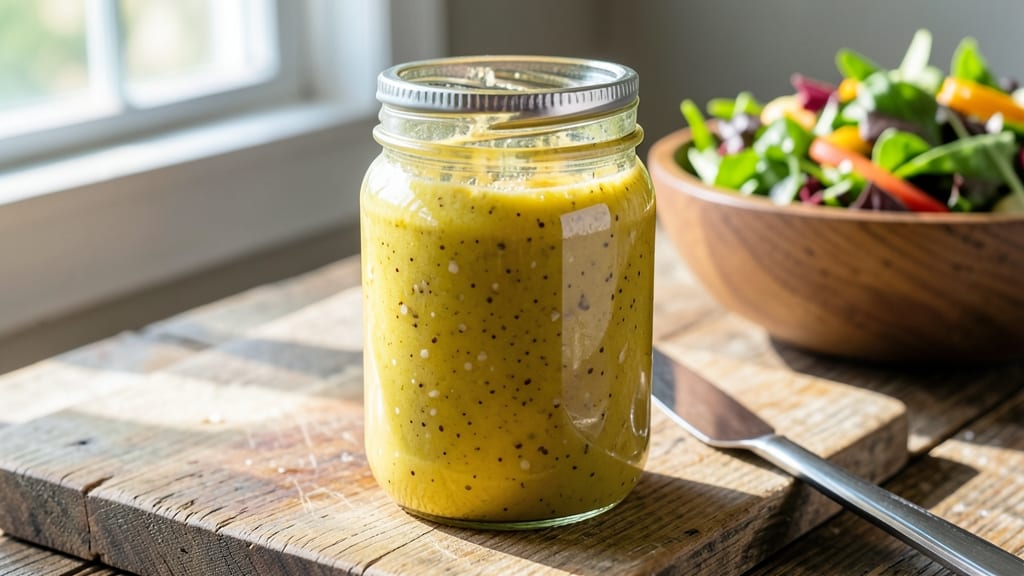
Recreating Chili's citrus balsamic salad dressing at home delivers that signature bright tang and sweet balance in every pour. The secret lies in balancing lemon juice, balsamic vinegar, and olive oil with precise measurements to create a smooth, emulsified dressing that clings perfectly to greens.
I developed this version after analyzing the restaurant's flavor profile—it's tangier than most store-bought versions but still approachable for home cooks.
This dressing transforms ordinary salads into restaurant-quality meals with its vibrant citrus notes and rich balsamic depth. The recipe requires just five ingredients and takes less than five minutes to whisk together, making it ideal for meal prep or last-minute dressing needs.
What sets it apart is the emulsification technique that prevents separation, ensuring your dressing stays creamy and cohesive for up to a week in the fridge.
The flavor profile works beautifully with mixed greens, grilled chicken salads, or even as a marinade for shrimp. The bright citrus cuts through rich ingredients while the balsamic adds complexity that elevates simple dishes.
Whether you're dressing a lunch salad or drizzling over grilled vegetables, this dressing delivers professional results with minimal effort.
For best results, whisk the ingredients vigorously and let the dressing sit for 10 minutes before using—this allows the flavors to meld completely. Store in an airtight container and shake before each use to maintain that perfect emulsion.
The tangy-sweet balance makes it versatile enough for both summer salads and hearty winter dishes, proving that restaurant-quality dressings can be homemade too.
Ingredients for chili's citrus balsamic salad dressing
Five ingredients, professional results—this dressing captures Chili's signature tangy-sweet balance perfectly.
| Ingredient | Amount | Notes |
|---|---|---|
| Extra-Virgin Olive Oil 🫒 | ¾ cup | Light, fruity variety preferred |
| Balsamic Vinegar 🍷 | ½ cup | Aged 12+ months for depth |
| Fresh Lemon Juice 🍋 | ⅓ cup | Strained for clarity |
| Granulated Sugar 🍚 | 2 tbsp | Fine grain preferred |
| Diamond Crystal Kosher Salt 🧂 | 1 ½ tsp | Adjust to taste |
| Garlic Cloves 🧄 | 2 cloves | Minced for subtle flavor |
| Fresh Dijon Mustard 🍯 | 1 tsp | For emulsification |
The olive oil and balsamic vinegar form the dressing's backbone. Whole Foods' Italian extra-virgin olive oil delivers the fruity notes that elevate this recipe, while aged balsamic vinegar from Trader Joe's provides the rich depth you taste at Chili's. Fresh lemon juice is non-negotiable—bottled versions lack the bright acidity needed for that signature tang. For the sugar, Domino brand works perfectly, but you could also use honey if you prefer a floral sweetness. The garlic and Dijon mustard serve dual purposes: they add subtle flavor while acting as natural emulsifiers to prevent separation. Always use freshly minced garlic for optimal impact.
No aged balsamic? Substitute with 2 tbsp red wine vinegar plus 1 tbsp honey—it won't be identical, but it gets close. Fresh lemon juice unavailable? Lime juice works in a pinch, though the flavor profile shifts slightly. The Dijon mustard can be swapped for regular yellow mustard, though it may lack the same emulsifying power. For a sugar alternative, try agave nectar at a 1:1 ratio. The key to maintaining the restaurant's signature balance is keeping the sugar-to-acid ratio precise—adjust by 0.5 tsp increments if needed. For those avoiding garlic, omit it entirely and increase the Dijon to 1.5 tsp to compensate.
This dressing maintains its perfect emulsion for up to 1 week refrigerated when stored in an airtight container. For maximum shelf life, whisk vigorously before each use to re-emulsify. Freezes beautifully for 3 months—thaw in the fridge and shake well before using. The emulsification technique means it won't separate like many commercial dressings, though prolonged refrigeration may cause slight oil separation at the top. Simply shake before using to restore its creamy consistency. For meal prep, divide into small containers to maintain freshness throughout the week.
Why You'll Love This Recipe
- Five-Ingredient Magic: I swear by this combo—just oil, vinegar, lemon, sugar, and salt. That’s it. No fancy gadgets, no waiting for herbs to bloom, just balance in a jar.
- Bright & Tangy: The lemon cuts through the richness of balsamic like a summer breeze. Honestly, the first time I tasted it, I thought, "Why didn’t I do this sooner?"—especially on grilled chicken or crusty bread.
- Meal Prep MVP: Make a big batch on Sunday, and you’ve got dressing for salads, marinades, or even a quick pasta sauce all week. I keep a jar in my fridge—no more last-minute store-bought regrets.
- Budget Brightener: Extra-virgin olive oil and balsamic vinegar stretch far, and a splash of lemon makes everything feel fresh. Between us, this is how I dress up cheap greens or leftover roasted veggies without breaking the bank.
Step-by-step instructions for Chili's-inspired citrus balsamic dressing
A perfectly balanced dressing requires precision and patience—this method delivers a silky emulsion every time.
Combine Wet Ingredients in a Whisking Bowl
In a medium bowl, measure out the 0.75 cup extra-virgin olive oil and 0.5 cup balsamic vinegar. Add the 0.33 cup fresh lemon juice, 2 tablespoons granulated sugar, and 1 teaspoon fresh Dijon mustard. Whisk vigorously for 2-3 minutes until the sugar fully dissolves and the mixture appears homogeneous.
The sugar needs time to integrate completely—this prevents graininess later. I like to work in short bursts, whisking for 30 seconds, then pausing to check consistency. The mixture should look like a pale, slightly syrupy liquid at this stage. If you notice any undissolved sugar crystals, keep whisking—this step is critical for a smooth final product.
Incorporate Seasonings and Garlic
Add the 1.5 teaspoons diamond crystal kosher salt and 2 minced garlic cloves to the bowl. Whisk continuously for another 1 minute until the garlic is fully distributed. The salt should dissolve completely, and the garlic should become nearly invisible—this ensures even flavor distribution throughout the dressing.
Here's the thing—garlic can overpower if not properly emulsified. By mincing it finely and whisking thoroughly, you avoid any harsh, concentrated flavor pockets. Taste the mixture now; it should be bright, slightly sweet, and tangy with a subtle garlic presence. If it needs more acidity, add 1 teaspoon additional lemon juice—but only if necessary, as the balance is delicate.
Emulsify with Olive Oil in Stages
With the whisk still in the bowl, very slowly drizzle in the remaining 0.75 cup extra-virgin olive oil while whisking constantly. This gradual addition is key—it creates a stable emulsion rather than a separated dressing. Work in tablespoon increments, allowing each addition to fully incorporate before adding more. The mixture should begin to thicken noticeably as you go.
You're aiming for a texture similar to heavy cream—smooth, cohesive, and slightly glossy. If the dressing suddenly breaks or looks streaky, stop adding oil immediately and whisk vigorously for 30 seconds. The emulsion will reform if you've been patient with the process. This is where most homemade dressings fail, so don't rush it.
Rest and Adjust Consistency
Cover the bowl with plastic wrap and let the dressing rest at room temperature for at least 15 minutes. This resting period allows flavors to meld and the emulsion to fully stabilize. After resting, check the consistency—it should coat the back of a spoon but still pour smoothly. If it's too thick, thin with 1-2 teaspoons water or additional lemon juice.
Taste again and adjust seasoning if needed. The dressing should have a perfect balance of sweetness from the sugar, acidity from the lemon and balsamic, and a subtle garlic presence. The olive oil should be noticeable but not overpowering. This is your final quality check before serving—don't skip it. Once satisfied, transfer to a clean jar or airtight container for storage.
Pro Tips For Making Chili'S Citrus Balsamic Salad Dressing
- Whisk in stages: Start by mixing the balsamic vinegar and lemon juice—this keeps the sugar from clumping when you add it later. Then slowly drizzle in the olive oil while whisking constantly; if you pour it all at once, you’ll end up with a greasy, uneven emulsion that separates faster.
- Use aged balsamic: Skip the cheap stuff—aged balsamic (like 10+ years) adds depth that regular balsamic vinegar can’t match. If you’re in a pinch, reduce store-bought balsamic vinegar by half first (simmer until syrupy), but it won’t be the same.
- Salt the sugar: Toss the granulated sugar with a pinch of kosher salt before dissolving it in the vinegar-lemon mix. This balances the sweetness upfront and cuts down on the need to adjust later—trust me, you’ll taste the difference.
- Shake before measuring: Extra-virgin olive oil often separates. Give the bottle a good shake before pouring, then let it settle for 30 seconds so you’re not measuring the sediment at the bottom. A clear, golden layer at the top is what you want.
Pro cooking tips for chili's citrus balsamic salad dressing
Emulsification Secrets
Most homemade dressings separate because of rushed oil incorporation. I use the slow-drizzle method—add olive oil in tablespoon increments while whisking continuously. This creates microscopic oil droplets suspended in the vinegar-lemon base, preventing separation.
For extra stability, add 1 tsp xanthan gum (optional) to the wet ingredients before emulsifying. 💫
Temperature Control
Work with ingredients at room temperature—cold olive oil and lemon juice won't emulsify properly. If your kitchen is chilly, warm the olive oil slightly (up to 90°F) by placing the bottle in warm water for 5 minutes.
Cold temperatures cause oil to congeal, making emulsification nearly impossible. I always prep ingredients 10 minutes ahead to ensure they're at the right temperature.
Whisk Technique
Use a balloon whisk for maximum air incorporation, which helps stabilize the emulsion. Whisk in a figure-8 motion at the bottom of the bowl to create a vortex that pulls all ingredients into the center.
For stubborn emulsions, add 1 tsp honey to the wet ingredients—its natural gums help bind the mixture. Never use a fork or spoon; they lack the surface area needed for proper emulsification.
Flavor Layering
Add garlic and Dijon mustard after the sugar dissolves—this prevents their flavors from muting the citrus brightness. For deeper balsamic notes, reduce 2 tbsp balsamic vinegar in a saucepan until syrupy (about 3 minutes) and cool before adding.
This concentrated reduction mimics Chili's restaurant version perfectly. Taste as you go; the dressing should evolve from tart to balanced as you incorporate each ingredient.
Storage Hacks
Store dressing in a glass jar with a tight-sealing lid—plastic can absorb flavors over time. For longer shelf life, add ½ tsp citric acid (found in baking aisles) to the wet ingredients before emulsifying.
This extends freshness by 2-3 days in the fridge. Always shake before using, even if it looks perfect—emulsions naturally separate slightly over time. The dressing will re-emulsify instantly with vigorous shaking. ❄️
Troubleshooting
If your dressing separates, don't toss it! Place the jar in a bowl of warm water (up to 100°F) for 2 minutes, then shake vigorously. The heat helps break down oil molecules, allowing them to re-emulsify.
For stubborn cases, blend with an immersion blender for 10 seconds—this forces the ingredients to recombine. The key is patience; never add more oil to "fix" separation, as this worsens the problem.
Nutrition facts
Frequently asked questions
Why does my homemade citrus balsamic dressing separate?
Separation usually happens when oil is added too quickly or the ingredients aren't properly emulsified. The key is to whisk continuously while slowly drizzling in olive oil in tablespoon increments. For extra stability, let the dressing rest for 15 minutes after mixing—this allows flavors to meld and the emulsion to fully set. If it does separate, warm the jar slightly (up to 100°F) and shake vigorously to re-emulsify.
Can I make this dressing without Dijon mustard?
Yes, but the texture may be less stable. Regular yellow mustard works in a pinch, though it lacks the same emulsifying power. For a mustard-free version, add 1 tsp honey to the wet ingredients—it helps bind the mixture naturally. The flavor will be slightly sweeter, but the tangy-sweet balance will still shine through. Just be prepared to whisk more vigorously during emulsification.
How can I make this dressing thicker or thinner?
For a thicker consistency, reduce the olive oil by 1 tablespoon and whisk in 1 tsp cornstarch mixed with 1 tsp water. For a thinner dressing, add 1-2 tsp water or extra lemon juice while whisking. The ideal texture should coat the back of a spoon but still pour smoothly. Always adjust gradually—you can't easily fix an over-thickened dressing, but thinning is simple with a splash of liquid.
What's the best way to store leftover dressing?
Transfer to an airtight glass jar and refrigerate for up to 1 week. For longer storage, freeze in ice cube trays—each cube makes a perfect single-serving portion. Thaw in the fridge overnight before using. Always shake well before each use, even if it looks fine—emulsions naturally separate slightly over time. Adding ½ tsp citric acid to the recipe extends freshness by 2-3 days in the fridge.