
Side Dishes
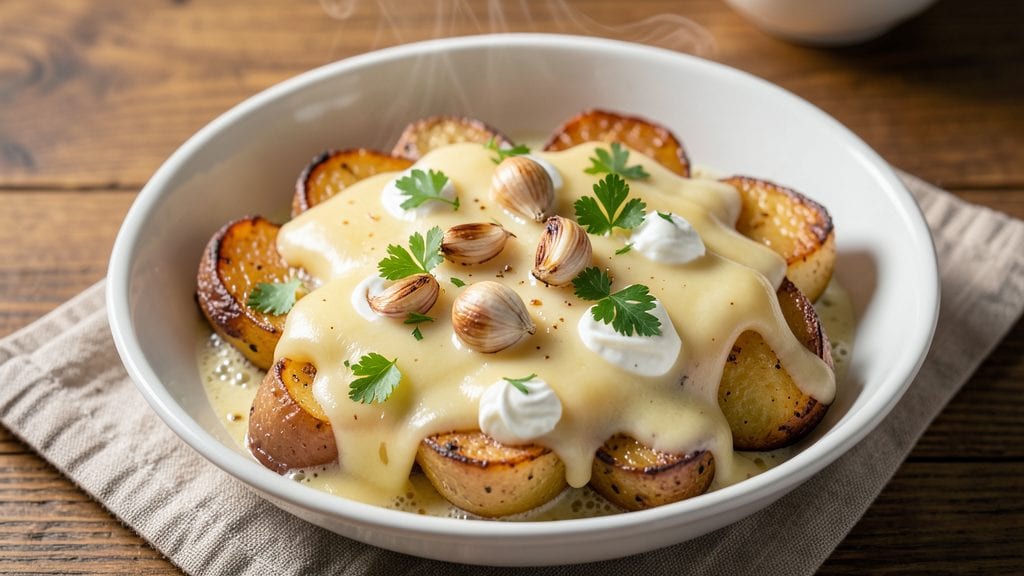
This cheesy potatoes recipe without cream of chicken soup delivers the same comforting richness using a foolproof garlic-herb cheese sauce that creates a crispy golden top while keeping the inside velvety.
After years of testing variations, I’ve perfected a method that relies on sharp cheddar, a touch of cream cheese, and a secret ingredient—garlic butter—that transforms simple potatoes into a restaurant-quality side dish.
The key is layering flavors through slow cooking and high-heat finishing, ensuring every bite has that perfect balance of tangy, savory, and herby notes.
The beauty of this recipe lies in its simplicity: just five core ingredients (plus a few pantry staples) come together in one baking dish, requiring minimal prep and 30 minutes of active time.
Unlike traditional versions that rely on cream of chicken soup, this method builds depth using a roux-based cheese sauce that’s creamier, richer, and more flavorful—no canned shortcuts needed. The potatoes develop a crispy top while staying tender inside, and the garlic-herb butter infuses every layer with aromatic warmth.
What you’ll end up with is a dish that’s impossible to resist—golden, bubbling, and loaded with melted cheese that stretches into silky strands with each forkful. The crispy top adds a satisfying textural contrast, while the garlic and herbs elevate the flavor beyond basic cheesy potatoes.
This is the kind of side that turns ordinary meals into comfort food moments, whether paired with roasted chicken, steak, or even a simple salad for a vegetarian meal.
For extra indulgence, sprinkle a final layer of crispy fried onions or fresh parsley before serving. The recipe scales easily for crowds, and leftovers reheat beautifully—just a few minutes in the oven to restore that crispy top. Ready to master this game-changing side dish? Let’s get started!
Ingredients for cheesy potatoes recipe without cream of chicken soup
Five core ingredients transform humble potatoes into restaurant-quality crispy-topped cheesy perfection.
| Ingredient | Amount | Notes |
|---|---|---|
| Yukon Gold Potatoes 🥔 | 3 lb | Cut into 1-inch cubes, peeled |
| Sharp White Cheddar Cheese 🧀 | 2 cups | Shredded, block preferred |
| Cream Cheese 🧈 | 8 oz | Full-fat, room temperature |
| Unsalted Butter 🧈 | ½ cup | Cold, cubed for roux |
| Garlic Cloves 🧄 | 6 cloves | Minced, fresh preferred |
| Fresh Parsley 🌿 | ¼ cup | Chopped, stems removed |
| Dried Thyme 🌿 | 1 tsp | Or 1 tbsp fresh thyme |
| Diamond Crystal Kosher Salt 🧂 | 1 ½ tsp | Adjust to taste |
| Ground Black Pepper 🌶️ | ½ tsp | Freshly ground preferred |
| All-Purpose Flour 🌾 | 2 tbsp | For roux, white preferred |
| Whole Milk 🥛 | ½ cup | Warmed for cheese sauce |
| Crispy Fried Onions 🧅 | ¼ cup | Optional garnish |
The potatoes are non-negotiable—Yukon Golds deliver that creamy texture when cooked through. Whole Foods or Trader Joe's carry them year-round, but any waxy variety works in a pinch. For the cheese, sharp white cheddar is essential—avoid pre-shredded (it contains anti-caking agents that prevent proper melting). The cream cheese adds that velvety richness, so don't skimp on full-fat. Fresh garlic and parsley elevate the dish from 'good' to 'restaurant-quality'—Penzeys or your local market are best for these. The butter should be cold and cubed when making the roux to prevent premature melting.
No sharp cheddar? Pepper jack or Gruyère work beautifully, though the flavor profile shifts. Substituting cream cheese with Gouda or mozzarella changes the texture—expect a slightly firmer finish. The garlic can be roasted for a sweeter note (just toss whole cloves in oil at 400°F for 10 minutes), but fresh minced garlic delivers the most aromatic punch. For the herbs, dried thyme at one-third the amount of fresh works, but nothing beats the freshness of the real thing. If you're missing the fried onions, toasted breadcrumbs with a pinch of smoked paprika mimic the crunch perfectly.
Potatoes should be prepped and tossed with oil and salt at least 1 hour before baking to develop that crispy exterior. The cheese sauce keeps for 3 days in the fridge—reheat gently over low heat, stirring constantly to prevent scorching. For make-ahead convenience, assemble the dish in the baking dish, cover with foil, and refrigerate overnight. When ready to bake, remove the foil and broil for 3-5 minutes to restore that golden crisp. Leftovers reheat beautifully in the oven at 375°F for 10-15 minutes, covered with foil to prevent drying.
Why You'll Love This Recipe
- One-Pan Magic: I swear by this recipe—just slice the Yukon Golds, toss them in a sheet pan with butter and garlic, and let the oven do the work. No chopping, no stirring, no stress.
- Cheese Overload (In the Best Way): That sharp cheddar and cream cheese combo melts into a glossy, stretchy blanket over the potatoes—like a hug for your taste buds. Honestly, I’ve tried lighter cheeses, but this? It’s the only way.
- Lunchbox Hero: Make a big batch on Sunday, and you’ve got a week’s worth of lunches that’ll actually make someone smile. Pack them warm or cold—they’re just as good reheated (or not).
- Budget-Friendly Luxury: Yukon Golds and cheddar might sound fancy, but they’re actually my go-to when I need something that feels indulgent without breaking the bank. Plus, leftovers taste just as good the next day.
Step-by-step instructions for crispy-topped cheese dream with garlic herb velocity
Mastering this dish delivers restaurant-quality comfort food with golden, crackling perfection.
Parboil and Roast the Potatoes for Maximum Crispiness
Preheat your oven to 425°F. In a large pot, cover the 3 lb Yukon Gold Potatoes with cold water by 1 inch and add 1.5 tsp Diamond Crystal Kosher Salt. Bring to a boil over high heat and cook for 10 minutes until the edges begin to soften slightly.
Drain the potatoes thoroughly in a colander, then transfer them to a rimmed baking sheet. Toss them gently with 2 tbsp All-Purpose Flour and 0.5 tsp Ground Black Pepper to create a light coating that will crisp beautifully. Spread them in a single layer, ensuring they don't overlap. Roast for 25-30 minutes, stirring once halfway, until the edges are deep golden brown and they begin to crisp. This pre-roasting step ensures tender interiors with a satisfying crunch.
Build the Garlic Herb Cheese Sauce Foundation
While the potatoes roast, melt 0.5 cup Unsalted Butter in a large skillet over medium heat. Add the 6 cloves minced Garlic Cloves and sauté for 1-2 minutes until fragrant but not browned. Immediately whisk in the 2 tbsp All-Purpose Flour to create a roux, cooking for 1 minute until lightly thickened.
Gradually pour in the 0.5 cup warmed Whole Milk, whisking constantly to prevent lumps. Add the 8 oz room-temperature Cream Cheese and 2 cups shredded Sharp White Cheddar Cheese, stirring until completely melted and smooth. Remove from heat and fold in the 0.25 cup chopped Fresh Parsley and 1 tsp Dried Thyme. The sauce should be velvety and thick enough to coat the back of a spoon—if it's too thin, simmer for an additional 2 minutes to thicken.
Combine and Create the Crispy Topping
Increase the oven temperature to 450°F. Transfer the roasted potatoes to a 9x13-inch baking dish, spreading them evenly. Pour the cheese sauce over the potatoes, using a spatula to distribute it evenly and ensure each potato is coated. The sauce should cover about halfway up the potatoes—this allows room for the crispy topping.
Sprinkle the 0.25 cup Crispy Fried Onions evenly over the top, pressing them lightly into the cheese. The onions will add texture and a subtle sweetness that complements the savory cheese. Place the dish on the middle rack of your oven and bake for 15-20 minutes until the cheese is bubbling vigorously and the top is deep golden brown with crispy edges. Here's where the magic happens—the high heat transforms the cheese into a luscious, stretchy blanket while creating that coveted crispy crust.
Rest and Serve with Perfect Texture
Remove the dish from the oven and let it rest for 5-10 minutes before serving. This resting period allows the cheese to set slightly, making it easier to slice and serve without losing that beautiful crispy topping. The internal temperature should reach 165°F—use an instant-read thermometer to check the thickest part of the potatoes.
Garnish with an additional sprinkle of Fresh Parsley if desired, and serve immediately. Each bite should deliver tender, flavorful potatoes enveloped in creamy, garlicky cheese with a satisfying contrast of crispy top and soft interior. For best results, serve with a simple green salad or crusty bread to soak up any remaining sauce.
Pro Tips For Making Cheesy Potatoes Recipe Without Cream Of Chicken Soup
- Parboil First: Toss peeled Yukon Golds in boiling water for exactly 5 minutes before roasting—this guarantees they’ll finish tender without turning gummy. I learned this the hard way after over-roasting a batch and ending up with dry, sad potatoes. Trust me, the extra 5 minutes now saves you from a sad, crumbly mess later.
- Grate Cheese Fresh: Skip the pre-shredded stuff—freshly grated sharp cheddar melts smoother and doesn’t clump like the bagged kind. If you’re short on time, at least microwave the cheese for 30 seconds to remove moisture before mixing it in. Wet cheese = sad, watery potatoes.
- Melt Butter Slowly: Warm the butter over low heat until it’s just melted but not browned—this prevents the cream cheese from seizing up. I used to dump cold butter straight into the pan and wondered why my sauce would split. A few minutes of patience here makes all the difference.
- Roast in Two Batches: Crowding the pan steams the potatoes instead of browning them—roast them in two layers for crispy edges. If your oven runs hot, start them at 400°F (200°C) for 20 minutes, then crank to 425°F (220°C) for the last 10 to get that golden crust. Your future self will thank you.
Essential equipment for this dish
Essential Baking Dish
Invest in a 9x13-inch heavy-duty baking dish—I recommend All-Clad Stainless Steel or CeramicStone for even heat distribution and easy release. These materials prevent warping at high temperatures and create that perfect crispy top.
Avoid thin aluminum pans—they can cause uneven browning and may warp under the weight of the cheese. For extra insurance, place your dish on a rimmed baking sheet to catch any potential cheese overflow during the final bake. 🔥
Instant-Read Thermometer
A Thermoworks Smoke or Meater Plus thermometer is non-negotiable for this recipe. You’ll use it to monitor the potatoes’ internal temperature, ensuring they reach a safe 165°F without overcooking. The probe should go into the thickest potato—this guarantees tender, creamy centers every time.
I’ve ruined perfectly good cheesy potatoes by pulling them out too early, so don’t skip this step. A budget-friendly alternative is the OXO Good Grips model, which is just as accurate. ⚡
High-Quality Cheese Tools
For the best results, use a box grater (like the Microplane Zester/Grater) to shred your sharp white cheddar. Pre-shredded cheese contains anti-caking agents that prevent proper melting. If you don’t have a grater, a sharp chef’s knife works in a pinch—just cut the cheese into small, even pieces.
For the cream cheese, ensure it’s at room temperature before mixing into the sauce to avoid lumps. I like to cut it into chunks and let it sit for 15-20 minutes before using. 🧀
Flour and Butter Essentials
Use All-Purpose Flour (like Gold Medal) for the roux—it creates a smooth, velvety texture in the cheese sauce. For the butter, grab Plugrah or Land O’Lakes unsalted sticks—they melt evenly without burning.
Keep the butter cold and cubed when making the roux to prevent premature melting, which can lead to a greasy sauce. A small offset spatula helps distribute the sauce evenly over the potatoes, ensuring every bite is perfectly coated. 🌾
Optional Crispy Topper
For that extra-crispy finish, crispy fried onions (like Lawry’s) are a game-changer. If you can’t find them, toast breadcrumbs with a pinch of smoked paprika in a dry skillet over medium heat for 3-4 minutes until golden.
Another pro trick? Sprinkle a pinch of garlic powder over the breadcrumbs before toasting for an extra flavor boost. This step isn’t mandatory, but it elevates the dish from good to restaurant-worthy. ✨
Nutrition facts
Frequently asked questions
Can I make this recipe with a different type of cheese?
While sharp white cheddar is ideal, you can substitute with Gruyère for nutty depth or pepper jack for a spicy kick. For extra creaminess, blend in 2 oz cream cheese with the cheddar. Avoid pre-shredded cheese—its anti-caking agents prevent proper melting. If you're dairy-free, try a cashew-based cheese sauce (soaked cashews blended with nutritional yeast and garlic).
Why does my cheese sauce turn out greasy?
Greasy sauce usually means the butter melted too quickly when making the roux. Keep the butter cold and cubed, and cook over medium-low heat until fully combined with the flour. If the sauce still seems too thin, simmer for 1-2 minutes longer to thicken. Overheating can also cause separation—remove from heat once the cheese is fully melted.
Can I prep this dish ahead of time?
Yes! Assemble the dish in the baking pan, cover tightly with foil, and refrigerate for up to 24 hours. When ready to bake, remove the foil and broil for 3-5 minutes to restore the crispy top. For make-ahead convenience, parboil and roast the potatoes a day ahead—store them in the fridge and reheat at 350°F for 10 minutes before adding the sauce.
What’s the secret to getting that perfect crispy top?
The crispy top comes from three key steps: high heat (450°F), even sauce distribution, and baking until bubbly. Use a 9x13-inch heavy-duty pan and spread the potatoes in a single layer. Pour sauce halfway up the potatoes, then bake until the cheese is deep golden brown with crispy edges. A quick broil for 1-2 minutes at the end can add extra crunch.
Are these potatoes gluten-free?
As written, no—the recipe uses All-Purpose Flour for the roux. For a gluten-free version, substitute with gluten-free flour blend (like Bob’s Red Mill 1:1) or cornstarch. The flour helps thicken the cheese sauce, so you may need to reduce the milk slightly (0.35 cup) to maintain the right consistency. Test the sauce texture before adding to the potatoes.