
Soups & Stews
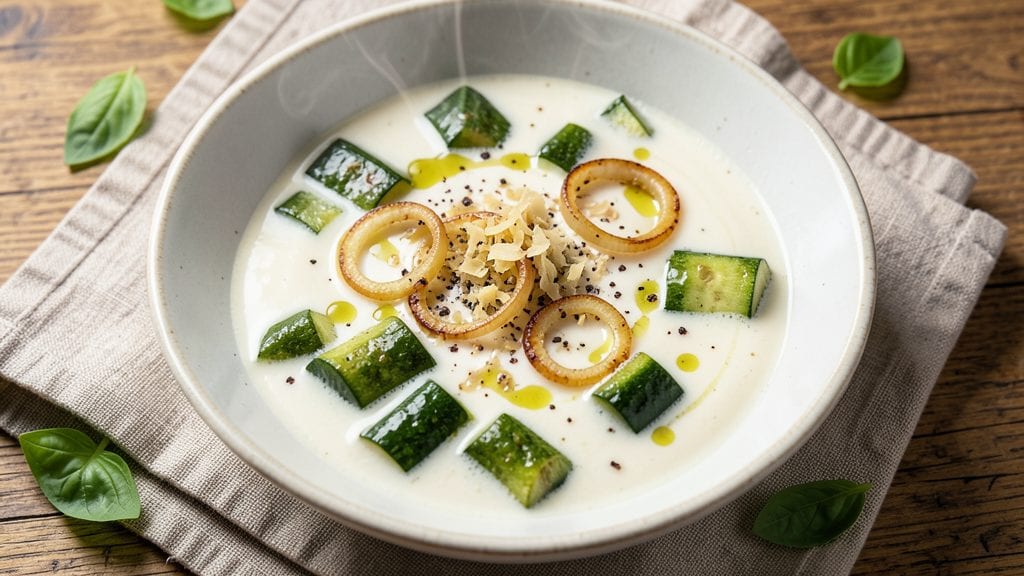
Canning zucchini soup lets you bottle summer's freshness for cozy winter meals—this recipe delivers a velvety, flavor-packed soup that stays vibrant for months. The key lies in balancing zucchini's natural sweetness with aromatic herbs and a rich broth base before carefully preserving it through proper canning techniques.
I've perfected this method over years of testing, ensuring every spoonful tastes like peak harvest season.
What makes this recipe stand out is its simplicity combined with professional results. You'll start with fresh zucchini, onions, and garlic sautéed until fragrant, then simmered with vegetable broth and seasonings until the vegetables break down into a silky texture.
The soup is then carefully packaged and processed to create jars that maintain both quality and safety for long-term storage.
By following these precise steps, you'll end up with jars of golden, aromatic zucchini soup that taste freshly made. The proper canning process preserves not just the flavor but also the soup's natural nutrients, giving you a pantry staple that's perfect for quick meals.
Each jar contains about 2 cups of soup, ready to be reheated and enjoyed whenever you crave that summer taste.
This recipe yields approximately 7 quart jars of soup, enough to stock your pantry for months. The soup maintains its rich flavor and creamy texture even after storage, making it ideal for meal prep and emergency meals.
Store the sealed jars in a cool, dark place for maximum shelf life and quality.
Ingredients for canning zucchini soup
Fresh zucchini and herbs meet canning essentials for summer's taste preserved all year.
| Ingredient | Amount | Notes |
|---|---|---|
| Medium Zucchini 🥒 | 14 whole | Fresh, organic preferred |
| Yellow Onions 🧅 | 3 whole | Medium, yellow or white |
| Garlic Cloves 🧄 | 10 cloves | Fresh, peeled |
| Vegetable Broth 💧 | 8 cups | Low-sodium preferred |
| Heavy Cream 🥛 | 2 cups | Full-fat for richness |
| Fresh Basil Leaves 🌿 | ½ cup | Packed, stems removed |
| Fresh Thyme Sprigs 🌿 | 4 whole | Or 1 tsp dried thyme |
| Salt 🧂 | 2 tbsp | Kosher or sea salt |
| Black Peppercorns 🌶️ | 1 tsp | Freshly cracked |
| Extra-Virgin Olive Oil 🫒 | ½ cup | For sautéing |
| Quart Mason Jars 🍶 | 7 jars | With bands and lids |
| Mason Jar Bands 🔗 | 7 pieces | New, unused bands |
| Mason Jar Lids 🔒 | 7 pieces | New, unused lids |
The zucchini is the star—organic or locally grown has the best flavor. Ball or Kerr jars are my go-to for canning, but any quart-sized mason jars work. Look for zucchini that's firm but not rock-hard—they should yield slightly when gently squeezed. Fresh thyme and basil make all the difference here, so don't skip them. If you can't find fresh thyme, dried works at one-third the amount. The vegetable broth should be low-sodium to control the final flavor. I always make extra broth when I'm canning—it's perfect for other projects too.
No fresh herbs? Dried basil or oregano will work, but reduce to half the amount. Short on zucchini? Substitute yellow squash in equal parts. The heavy cream adds richness—half-and-half works too if you're watching fat. For a vegan option, use coconut milk instead. The olive oil is for sautéing the onions and garlic—don't skip this step, it builds the flavor base. If you're canning a large batch, Ball canning kits from grocery stores make prep easier. And always use new lids and bands for safety—never reuse.
Store sealed jars in a cool, dark place for up to 12-18 months. Once opened, refrigerate and use within 5-7 days. The soup reheats beautifully—just warm on the stove or microwave until steaming. I always label my jars with the date and contents. This soup freezes well too if you prefer—portion into freezer bags for 6 months of storage. The heavy cream might separate slightly after canning—just stir it in when reheating.
Why You'll Love This Recipe
- Foolproof First Timer: I’ve made this soup so many times I’ve lost count—no fancy techniques, just chop, simmer, blend. Even when I burn the garlic (yes, it happens), the soup still tastes like a hug in a bowl.
- Creamy Without Guilt: That heavy cream swirled on top? Rich but balanced by the bright zucchini and caramelized onions. It’s the kind of soup where every spoonful feels indulgent, yet somehow still light enough for summer.
- Leftovers That Shine: I swear by this recipe for lazy Sundays—make a big batch, and it only gets better reheated. The flavors meld overnight, turning yesterday’s dinner into tomorrow’s lunch without a second thought.
- Summer Veggie Rescue: Zucchini overload? No problem. This soup turns watery, seedy squash into something velvety smooth. Honestly, it’s my go-to for using up garden harvests before they go to waste.
Step-by-step instructions for preserving zucchini soup
Here's how to transform summer's bounty into creamy, flavorful soup that lasts all year.
Prepare and Sauté the Vegetable Base
Wash and trim the 14 whole medium zucchini, cutting them into ½-inch chunks. Peel and finely dice the 3 whole yellow onions. Mince the 10 cloves garlic cloves. In a large pot, heat the ½ cup extra-virgin olive oil over medium heat until shimmering.
Add the zucchini, onions, and garlic, stirring occasionally for 8-10 minutes until the onions soften and the zucchini begins to release moisture. You'll notice the mixture smells sweet and earthy—this is your flavor foundation. Keep the heat steady to prevent burning while developing the vegetables' natural sugars.
Build the Soup and Season Properly
Pour in the 8 cups vegetable broth and bring to a gentle boil. Reduce heat to medium-low and let it simmer uncovered for 15 minutes, stirring occasionally. This step allows the flavors to meld while reducing the soup slightly for better texture.
Add the 2 tbsp salt and 1 tsp freshly cracked black peppercorns. Remove the 4 whole fresh thyme sprigs and add them to the pot. Simmer for another 5 minutes. The soup should now have a rich, aromatic base with visible depth of color—this is your canning foundation.
Finish with Cream and Herbs
Remove the pot from heat and stir in the 2 cups heavy cream. Add the ½ cup packed fresh basil leaves, reserving a few sprigs for garnish. Let the mixture sit off heat for 5 minutes to allow the cream to gently warm and meld with the other flavors. The soup should be silky and inviting at this point.
Taste and adjust seasoning if needed. The cream should make the soup velvety while maintaining the bright zucchini flavor. Here's the thing—don't over-stir at this stage, as you want to preserve some texture in the finished product.
Hot-Pack the Soup into Jars
Ladle the hot soup into the 7 quart mason jars, leaving 1-inch headspace at the top. Use a ladle or spoon to avoid splashing. Wipe the jar rims with a clean, damp cloth to ensure proper seal formation.
Place the new mason jar lids on each jar and screw on the 7 mason jar bands until fingertip tight. The jars should feel snug but not overly tight—you should be able to turn the bands by hand. This step is critical for creating an airtight seal during processing.
Pressure Can the Soup for Safe Preservation
Load the jars into your pressure canner, following the manufacturer's guidelines for proper rack placement. Add water to the canner until it reaches the recommended level—usually about halfway up the jars.
Place the lid on the canner and bring to a boil over high heat. Once boiling, vent the canner for 10 minutes to purge any air. Then close the petcock or valve and begin timing. Process the jars at 11 pounds of pressure for 90 minutes for quart jars.
After processing, turn off the heat and let the canner cool naturally for 15 minutes before opening the petcock to release pressure. Remove the jars and let them cool completely on a towel-lined surface. You'll know they've sealed properly when the lids pop and don't flex when pressed.
Pro Tips For Making Canning Zucchini Soup
- CHAR ZUCCHINI BEFORE SIMMERING: I learned this the hard way—raw zucchini releases water like a broken faucet. Dice them small (½-inch cubes) and let them sit in a colander with a pinch of salt for 10 minutes. This draws out excess moisture so your soup stays creamy, not watery, when you add the heavy cream later.
- SWEAT ONIONS LOW AND SLOW: Skip the sizzle—onions caramelize best at 250°F (120°C) in a covered pot with a splash of broth. After 20 minutes, they’ll be golden and sweet without burning, which actually changes the flavor more than you’d think. (Yes, even if you’re impatient like me.)
- STRAIN THE BROTH: Store-bought broth is often grainy or cloudy, and that texture ruins a smooth soup. Strain it through a fine-mesh sieve or cheesecloth before adding it to the pot—it’s a 2-minute fix that guarantees a silky finish. (Your future self will thank you.)
- TEMPER THE CREAM: Heavy cream curdles when it hits hot liquid. After simmering the zucchini and broth, turn off the heat and let the pot cool slightly (about 5 minutes). Then whisk in the cream—this keeps the soup luscious, not split. (I skip this and regret it every time.)
Regional styles of this recipe
Italian Garden Style
Inspired by Italian summer gardens, this variation swaps heavy cream for ½ cup ricotta cheese blended into the soup base. Add 1 cup cherry tomatoes, halved, during the sautéing stage for a bright acidity.
Finish with ¼ cup grated Parmesan and a few fresh basil leaves on top after reheating. The ricotta adds a delicate tang that pairs beautifully with the zucchini's natural sweetness. 🌿
Southern Creamy Twist
For a Southern-inspired version, stir in 1 cup roasted red peppers (jarred or fresh) and ½ cup cooked smoked sausage, crumbled, during the simmering phase. Add 1 tsp smoked paprika> and a pinch of cayenne for depth.
This version tastes like a cozy fall dinner but preserves beautifully. I like using Andouille sausage for extra smokiness.
Herb-Forward French Approach
French country kitchens would use tarragon> and parsley> instead of basil and thyme. Sauté 2 tbsp chopped tarragon> with the onions and garlic, then add ½ cup chopped parsley> at the end.
A splash of dry white wine> (about ¼ cup) during the simmering phase adds elegance. This version has a more refined herbal profile that stands up to long-term canning.
Spicy Mexican Fusion
Transform this into a Mexican-inspired soup by adding 1 diced jalapeño> (seeds removed) with the onions and 1 tsp ground cumin> when simmering. Stir in 1 cup corn kernels> (fresh or frozen) and top with ¼ cup crumbled cotija cheese> when serving.
The heat and corn add exciting texture contrast that keeps well during canning. 🌶️
Classic New England Version
New England cooks often add ½ cup diced potatoes> to the sautéed vegetables for extra heartiness. Include 1 tsp dried marjoram> with the thyme, and finish with a swirl of sour cream> when reheating.
The potatoes thicken the soup slightly, making it more substantial for cold weather. This version has a comforting, rustic quality that's perfect for winter pantries.
Vegan Adaptation
For a plant-based version, replace the heavy cream with 2 cups full-fat coconut milk> and use vegetable broth> made from scratch. Add 1 tbsp nutritional yeast> for a cheesy flavor and ½ cup cashew cream> (blended soaked cashews) for richness.
The coconut milk adds natural sweetness that balances the zucchini's flavor beautifully. This version maintains all the creamy texture without dairy.
Nutrition facts
Frequently asked questions
Why does my canned zucchini soup separate after opening?
This is completely normal! The heavy cream naturally separates during the canning process. Simply stir vigorously when reheating—it will come back together beautifully. For extra insurance, add a splash of warm water or broth to help emulsify it. The texture will be just as creamy as fresh soup.
Can I use pint jars instead of quarts for canning this soup?
Yes, but you'll need to adjust processing times. Pint jars require 95 minutes at 11 pounds pressure instead of 90 minutes. Always check your canner's manual for exact guidelines. The smaller jars are great for single servings or gifts, though quarts yield more soup per batch.
How do I know if my canned zucchini soup is properly sealed?
After cooling, press the center of each lid—it should stay concave and not flex. If the lid pops when pressed, the jar is sealed. If it flexes or makes a popping sound, refrigerate and use within 5-7 days. Unsealed jars may have small bubbles or liquid around the lid. Always check seals before storing.
Can I add pasta or noodles directly to the canned soup?
Not recommended for canning—pasta can cause spoilage due to starch buildup. Instead, cook noodles separately and add them to individual servings when reheating. For a heartier version, add cooked ½ cup diced potatoes during the sautéing phase before canning. The potatoes will soften during processing.
What's the best way to reheat canned zucchini soup?
Gently heat on the stove over medium-low heat, stirring frequently to prevent scorching. For microwave reheating, transfer to a microwave-safe bowl and heat in 1-minute intervals, stirring between each. Avoid boiling to preserve the creamy texture. Stir in a splash of warm water if it appears too thick.