
Soups & Stews
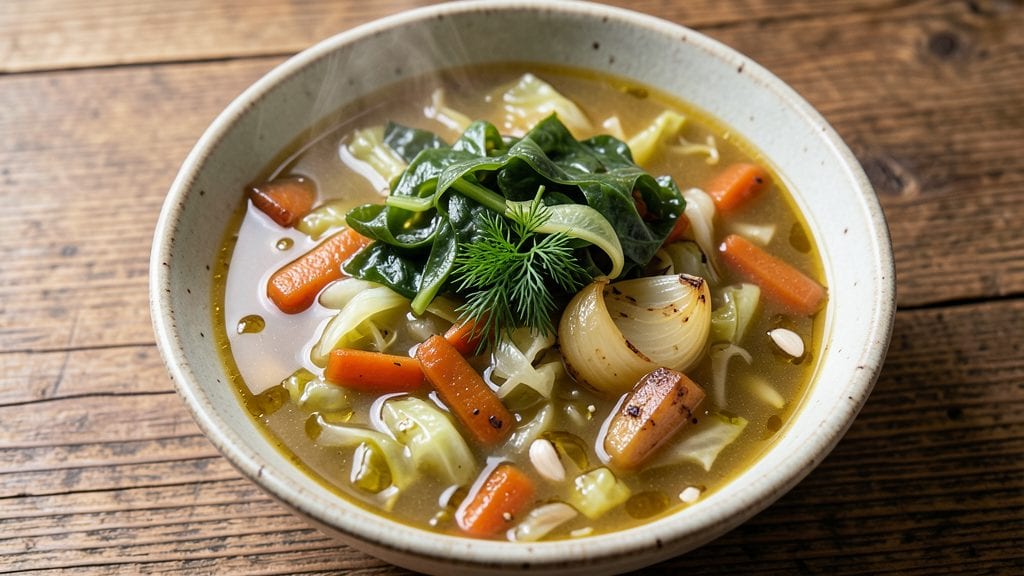
This cabbage sauerkraut soup transforms humble ingredients into a probiotic-rich bowl of comfort that warms both body and soul. The tangy fermentation of sauerkraut brings deep umami flavor while delivering gut-friendly benefits, making it a standout in hearty soup traditions.
I developed this recipe after years of perfecting the balance between sharp fermented notes and comforting vegetable sweetness—no bland broths here.
The beauty of this soup lies in its simplicity: just cabbage, sauerkraut, carrots, and a rich broth (vegetable or meat-based) simmered until flavors meld into harmony. Unlike many fermented dishes, this version requires no special equipment—just a pot and patience.
The key technique is letting the broth reduce gradually, allowing the sauerkraut’s natural acidity to soften without overpowering the vegetables.
What you’ll end up with is a vibrant, deeply flavorful soup with tender cabbage, crisp carrots, and a tangy depth from the sauerkraut. The broth becomes rich and aromatic, while the fermented cabbage adds a probiotic boost that supports digestion.
This is the kind of soup that tastes better the next day as flavors continue to develop.
Serve it as a standalone meal or pair with crusty bread to soak up every last drop. The recipe scales easily for leftovers, making it perfect for meal prep. Ready to experience the perfect balance of tangy, savory, and comforting? Let’s get started.
Ingredients for cabbage sauerkraut soup
Fermented depth meets comforting vegetable sweetness in this probiotic-rich cabbage sauerkraut soup.
| Ingredient | Amount | Notes |
|---|---|---|
| Green Cabbage 🥬 | 4 cups | Shredded, outer leaves removed |
| Sauerkraut 🥬 | 2 cups | Unrinsed, with juice |
| Carrots 🥕 | 2 whole | Peeled, sliced into rounds |
| Yellow Onion 🧅 | 1 whole | Peeled, chopped |
| Vegetable Broth 💧 | 4 cups | Low-sodium preferred |
| Garlic Cloves 🧄 | 3 cloves | Minced, fresh preferred |
| Fresh Dill 🌿 | ¼ cup | Chopped, stems removed |
| Fresh Thyme 🌿 | 1 tbsp | Leaves only, chopped |
| Apple Cider Vinegar 🍎 | 1 tbsp | For acidity balance |
| Olive Oil 🫒 | 1 tbsp | Extra-virgin, for sautéing |
| Salt 🧂 | 1 ½ tsp | Diamond Crystal preferred |
| Black Peppercorns 🌶️ | ½ tsp | Freshly cracked |
| Potato Starch 🍠 | 1 tbsp | For thickening |
The sauerkraut is the heart of this dish—look for raw, unpasteurized varieties at specialty stores like Whole Foods or Trader Joe's for maximum probiotic benefits. The cabbage should be firm and crisp, with no yellowing or slimy spots. Carrots with bright orange color and no soft spots ensure optimal flavor. For the broth, Imagine or Pacific Foods low-sodium options work best to avoid over-salting. Fresh herbs elevate the dish, so local farmers markets often carry superior-quality dill and thyme compared to grocery store selections.
No sauerkraut? Store-bought fermented kimchi works in a pinch, though flavor will differ slightly—reduce by half to avoid overpowering acidity. Substitute dried dill for fresh at one-third the amount, but fresh is ideal for that bright herbal note. Short on carrots? Sweet potatoes or parsnips add depth while maintaining sweetness. The potato starch can be swapped for cornstarch or arrowroot powder, though potato starch provides the cleanest thickening. For extra richness, stir in 1/4 cup coconut milk at the end, though it's not traditional.
Sauerkraut releases its probiotics best when stored in an airtight container with its natural juices. Keep the soup in the fridge for up to 5 days, though it tastes best within 2-3 days as flavors meld. Freeze portions for up to 3 months—thaw overnight in the fridge before reheating. The broth thickens as it cools, so add a splash of water when reheating. For meal prep, double the batch and store in glass mason jars for easy grab-and-go portions.
Why You'll Love This Recipe
- Pantry-to-Pot Magic: I swear by this one—no fancy ingredients, just what’s already lurking in my fridge. Toss in chopped cabbage, sauerkraut’s tang, and a handful of carrots while I chop one onion. Fifteen minutes later, soup.
- Tangy-Creamy Balance: That sauerkraut’s sharp bite softens into something rich and satisfying, especially when the carrots melt into sweetness. Honestly, the first spoonful makes me forget it’s basically a veggie potluck.
- Lunchbox or Dinner: Between us, this soup reheats like a dream—perfect for packing or freezing. My college kid calls it his “no-thoughts-needed” meal, and I don’t blame him.
- Budget-Friendly Powerhouse: A single jar of sauerkraut stretches this into four servings, and the cabbage lasts weeks. I’ll be real: it’s my go-to when grocery money’s tight, but somehow it still feels special.
Step-by-step instructions for cabbage sauerkraut soup
This method transforms simple ingredients into a deeply flavorful, probiotic-rich soup with balanced acidity and hearty texture.
Sauté Aromatics and Vegetables for Foundational Flavor
Heat the olive oil in a large pot over medium heat until shimmering. Add the chopped yellow onion and cook for 5 minutes until softened and translucent. Add the sliced carrots and continue cooking for another 5 minutes, stirring occasionally, until the carrots begin to caramelize slightly at the edges. This slow cooking develops their natural sweetness, which will form the base of your soup's flavor profile.
Add the minced garlic cloves and cook for 30 seconds until fragrant. Here's the thing—don't let the garlic brown or it will turn bitter. Immediately add the shredded green cabbage and sauerkraut, stirring to combine. Cook for 3 minutes to begin softening the cabbage while preserving the sauerkraut's tangy crunch. The raw cabbage will release moisture, which will help build the soup's body.
Build Depth with Broth and Acid Balance
Pour in the vegetable broth and apple cider vinegar, stirring to fully incorporate. The vinegar will brighten the flavors and balance the fermented tang of the sauerkraut. Bring the mixture to a gentle boil over high heat, then immediately reduce to a simmer. Let it cook uncovered for 20 minutes, stirring occasionally, until the cabbage has softened but still maintains some texture. You want the vegetables to be tender but not mushy—this ensures the soup holds its structure.
Taste the soup and adjust seasoning with the salt and freshly cracked black peppercorns. I typically add the full 1.5 teaspoons of salt at this stage, but taste first—low-sodium broth may need more. The peppercorns should add a subtle, aromatic heat that complements the fermented flavors. This is where the soup's character really comes together, so don't rush this step.
Thicken and Finish with Herbs
In a small bowl, whisk together the potato starch with 2 tablespoons of cold water to create a slurry. Slowly ladle the soup mixture into the slurry while whisking continuously. This gradual addition prevents lumps from forming. Return the mixture to the pot and simmer for 5 minutes, stirring constantly, until the soup thickens slightly. You're looking for a consistency that coats the back of a spoon but still allows for easy stirring.
Remove the pot from heat and stir in the chopped fresh dill and thyme leaves. Let the soup sit off the heat for 5 minutes to allow the flavors to meld. The herbs will infuse the soup with their bright, aromatic qualities, cutting through the richness of the fermented vegetables. The dill, in particular, adds a freshness that balances the tangy sauerkraut perfectly.
Serve with Proper Texture and Temperature
Ladle the soup into bowls and serve immediately while hot. The ideal serving temperature is between 170°F and 180°F—hot enough to release all the aromatic flavors but not scalding. Each serving should have a harmonious blend of textures: the tender cabbage, slightly softened carrots, and the distinctive crunch of sauerkraut pieces. The broth should coat the spoon with a velvety consistency that's thickened just enough to hold the vegetables in place.
For best results, serve with a sprinkle of additional fresh dill and a dash of black peppercorns. The contrast between the warm soup and the cool herbs adds another layer of complexity to each bite. This soup keeps well in the refrigerator for up to 5 days, with flavors deepening as it sits—just reheat gently on the stove, stirring occasionally to prevent scorching.
Pro Tips For Making Cabbage Sauerkraut Soup
- Sauté Onions Low and Slow: I used to blast the onions on high heat and end up with bitter, browned bits that stuck to the pot. Instead, keep the heat at a medium-low simmer—just enough to make them translucent without color—so they sweeten the broth without overpowering the tangy sauerkraut.
- Rinse Sauerkraut Only Twice: Drain the sauerkraut, then give it a quick rinse under cold water—just twice—to cut the sharpest acidity. Over-rinsing strips away flavor and dilutes the soup’s depth. (Yes, even if you’re impatient like me.)
- Shred Cabbage Thinly: Thin, even shreds cook faster and blend better into the broth. A mandoline makes this foolproof, but if you’re slicing by hand, aim for ribbons no wider than ¼-inch. Thick chunks stay crunchy and turn the soup into a sad, watery salad.
- Simmer, Don’t Boil: Let the soup bubble gently at a low simmer—just a few tiny bubbles breaking the surface. Boiling turns the carrots mushy and makes the broth cloudy. (Your future self will notice the difference, trust me.)
Perfect pairings for these flavors
Bread Pairings
This soup pairs beautifully with crusty sourdough or rye bread—the dense, chewy texture soaks up the tangy broth perfectly. I recommend Artisan Baking Co.'s sourdough loaf, toasted until golden with garlic butter for extra depth.
For a lighter option, try pumpernickel—its molasses notes complement the fermented cabbage's acidity. 🥖
Herb Garnishes
Fresh chives or parsley add a bright contrast to the rich soup. I like to sprinkle 1 tbsp chopped chives per bowl right before serving, along with a pinch of smoked paprika for warmth.
For a pop of color, try microgreens or edible flowers like nasturtiums—they add visual appeal while keeping the dish fresh-tasting.
Protein Additions
For a heartier meal, stir in 4 oz crumbled bacon or sautéed mushrooms during the final 5 minutes of cooking. I prefer thick-cut applewood-smoked bacon from ButcherBox—it adds smoky richness without overpowering the fermented flavors.
For a vegetarian option, try crispy chickpeas (tossed in olive oil and roasted until golden) for crunch.
Toppings for Texture
A dollop of sour cream or crème fraîche cuts through the tanginess beautifully. I like to add 1 tbsp per serving, along with a sprinkle of toasted sesame seeds for nutty crunch.
For a spicy kick, drizzle with chili oil (like La Choy brand) or a swirl of harissa—just ½ tsp adds heat without dominating.
Fermented Accompaniments
Serve with pickled red onions or kimchi on the side to amplify the probiotic benefits. I marinate ½ cup thinly sliced red onions in 1 tbsp apple cider vinegar and ½ tsp sugar for 15 minutes—the bright acidity pairs perfectly.
A side of fermented mustard (like Grain Belly) adds another layer of tangy complexity.
Nutrition facts
Frequently asked questions
Can I use store-bought sauerkraut instead of homemade?
Store-bought sauerkraut works perfectly—just make sure it's unpasteurized to preserve those probiotic benefits. The key is to use it with its natural juices (don't rinse) to maintain the tangy flavor and fermentation. Look for brands like Bubbies or Reid's at health food stores for the best quality.
How do I prevent the soup from being too sour?
Balance the acidity by adding 1 tbsp apple cider vinegar during cooking (as in the recipe) and adjusting to taste. A pinch of sugar (½ tsp) or a splash of coconut milk can also mellow the tang. The key is to simmer the soup uncovered for 20 minutes—this lets excess acidity evaporate while deepening flavors.
What if I don't have potato starch for thickening?
No problem! Swap it for cornstarch or arrowroot powder (use 1 tbsp instead). For a gluten-free option, try tapioca starch—just whisk it with 2 tbsp cold water first. If you're avoiding starches entirely, let the soup simmer longer (up to 30 minutes) to reduce naturally and thicken.
Can I make this soup in a slow cooker?
Yes! Sauté the onions, carrots, and garlic first, then transfer everything to the slow cooker. Cook on LOW for 6-7 hours or HIGH for 3-4 hours, stirring occasionally. Add the potato starch slurry in the last 30 minutes to prevent clumping. The slow cooker method actually enhances the fermented flavors!
Why does my sauerkraut soup taste bland?
Blandness usually means the sauerkraut wasn't cooked long enough or the broth lacked depth. Try simmering uncovered for 25-30 minutes to let flavors concentrate. Boost umami by adding 1 tsp fish sauce or soy sauce (for non-vegan) or ½ tsp miso paste (vegan-friendly). A splash of lemon juice at the end also brightens flavors.