
Soups & Stews
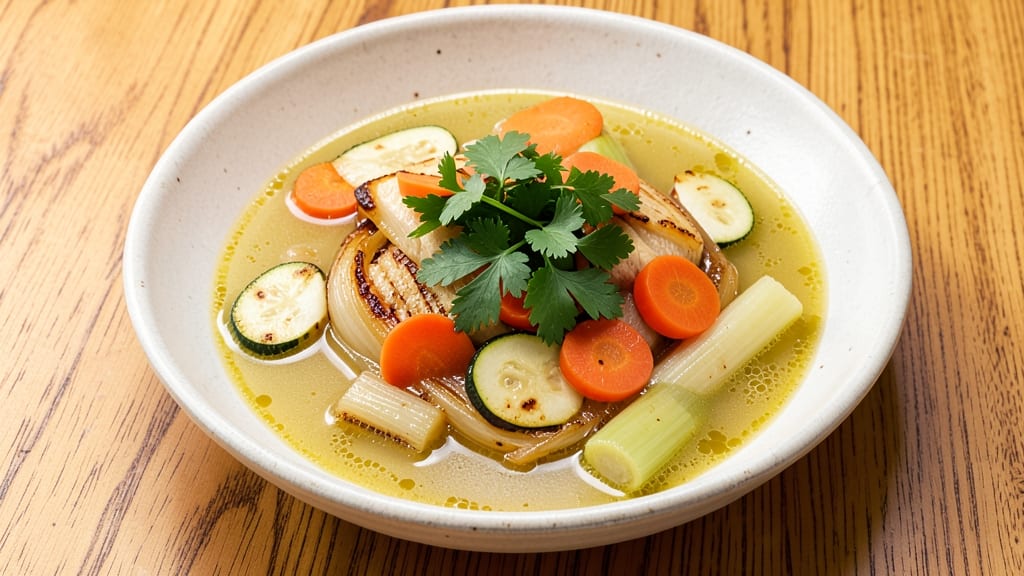
Creating a boiled soup recipe that delivers crystal-clear broth and delicate vegetable flavors requires precision—not just boiling, but a thoughtful approach to timing and seasoning. This method transforms simple ingredients into a restaurant-quality dish that feels light yet deeply satisfying, perfect for warm evenings or post-work comfort.
The secret lies in gradual cooking, where vegetables release their essence without losing texture, and a well-balanced broth that enhances rather than overpowers.
What sets this recipe apart is its focus on clarity and lightness, achieved through careful ingredient selection and gentle simmering. Unlike heavy stews, this soup relies on high-quality broth as its foundation, with vegetables added in stages to preserve their natural sweetness and crispness.
The result is a dish that’s both nourishing and elegant, with every spoonful offering a harmonious blend of flavors. For those who prefer a cleaner palette, this method ensures no bitterness or muddiness—just pure, vibrant taste.
The process is simpler than it sounds, requiring just 30 minutes of active time and a few essential tools: a large pot, a fine-mesh strainer, and fresh seasonal vegetables.
Whether you’re using store-bought broth or homemade, the technique remains the same—simmering at a controlled temperature to extract the best from each ingredient. The final touch? A sprinkle of fresh herbs or a drizzle of high-quality olive oil, which elevates the dish from ordinary to extraordinary.
This recipe works beautifully as a standalone meal or as a starter for heartier dishes, making it versatile for any occasion. The clarity of the broth and the delicate texture of the vegetables ensure every bite feels fresh and intentional.
Ready to transform your soup game? Here’s how to bring it to life.
Ingredients for boil soup
Clear broth and delicate vegetables transform simple ingredients into restaurant-quality lightness.
| Ingredient | Amount | Notes |
|---|---|---|
| Chicken or Vegetable Broth 🍲 | 6 cups | Homemade or high-quality store-bought |
| Yellow Onion 🧅 | 1 whole | Medium size, peeled and quartered |
| Carrots 🥕 | 4 medium | Peeled and cut into 2-inch pieces |
| Celery Stalks 🥬 | 3 whole | Trimmed and cut into 2-inch pieces |
| Zucchini 🍆 | 2 medium | Peeled and sliced into half-moons |
| Fresh Parsley 🌿 | ¼ cup | Chopped, for garnish and flavor |
| Extra-Virgin Olive Oil 🫒 | 2 tbsp | For finishing drizzle |
| Garlic Cloves 🧄 | 3 cloves | Minced for aromatic base |
| Salt 🧂 | 1 ½ tsp | Diamond Crystal kosher preferred |
| Black Peppercorns 🌶️ | ½ tsp | Freshly cracked for texture |
| Bay Leaves 🍃 | 2 whole | Dried, for subtle depth |
| Lemon Juice 🍋 | 1 tbsp | Freshly squeezed for brightness |
| Fresh Dill 🌿 | ⅛ cup | Chopped, optional for herbal note |
The foundation of this soup lies in the broth—whether homemade or high-quality store-bought like Pacific Foods or Imagine. For homemade, opt for a rich chicken broth with low sodium content to control seasoning later. Vegetables should be fresh and firm, with carrots and celery cut into even pieces for uniform cooking. Zucchini, added later, should be medium-sized to avoid bitterness. The onion and garlic form the aromatic base, so don't rush their cooking—sweat them gently in olive oil before adding broth. Fresh herbs like parsley and dill elevate the dish without overpowering the delicate broth.
No fresh dill? Substitute with 1 teaspoon dried dill, but use sparingly as it's more potent. Short on zucchini? Substitute with 2 medium green beans or 1 cup sliced mushrooms for earthiness. For a seafood variation, replace the chicken broth with fish stock and add 4 oz shrimp in the final 2 minutes. The bay leaves should be removed before serving—they add depth but become chewy. Lemon juice brightens the broth, so adjust to taste, but avoid over-acidifying the delicate vegetables. For extra clarity, strain the soup through a fine-mesh chinois before serving.
This soup maintains its clarity best when refrigerated for up to 3 days, though the vegetables will soften further. For longer storage, freeze the strained broth separately from the vegetables—up to 3 months. Reheat gently to preserve texture. The vegetables can be blanched ahead and stored in the fridge for 2 days, then added to the broth just before serving. Garnish with fresh herbs and a drizzle of high-quality extra-virgin olive oil to enhance freshness. Serve immediately for the crispiest texture, or let sit for 5 minutes to meld flavors.
Why You'll Love This Recipe
- I swear by this trick: toss whole carrots and celery stalks into the broth—they soften perfectly without fuss. The onion? Just slice it once, no need for precision.
- No-Chop Shortcuts: I swear by this trick: toss whole carrots and celery stalks into the broth—they soften perfectly without fuss. The onion? Just slice it once, no need for precision.
- Savory Simplicity: That first sip of broth with tender carrots and zucchini? It’s the kind of warmth that hits right after a long day. The veggies melt into the broth, but the onion and celery keep it bright—not bland, not heavy.
- Weeknight Wonder: Make a double batch on Sunday, and you’ve got lunch covered for days. My kids grab it straight from the fridge—no reheating drama, just hearty, no-fuss meals.
Step-by-step instructions for simmered vegetable clarity and lightness
This method delivers a refined vegetable broth soup with delicate flavors and perfect texture.
Sauté the Aromatic Vegetable Base
Heat a large soup pot over medium heat and add the 2 tablespoons extra-virgin olive oil. Once shimmering, add the quartered yellow onion, sliced carrots, and chopped celery stalks. Cook for 8-10 minutes until the vegetables soften and develop a golden hue around the edges. This slow cooking releases their natural sweetness and forms the flavor foundation.
I like to stir occasionally but not constantly—this allows the vegetables to caramelize slightly at the bottom of the pot, creating deeper flavor. You'll know they're ready when they release their moisture but still maintain some texture. Avoid browning, as this can make the soup bitter.
Build the Flavor Layers
Add the 3 minced garlic cloves and cook for 30 seconds until fragrant. Then stir in the 1.5 teaspoons salt and 0.5 teaspoon freshly cracked black peppercorns. Immediately add the 6 cups chicken or vegetable broth and the 2 whole bay leaves. Bring to a gentle simmer over medium-low heat.
The broth should just barely bubble at the edges—this prevents the vegetables from breaking down too quickly. Here's where patience pays off: let the soup simmer uncovered for 15 minutes. This allows the vegetables to infuse their flavors without becoming mushy, creating a clear, aromatic base.
Incorporate the Delicate Vegetables
Add the sliced zucchini half-moons and simmer for 8-10 minutes until tender but still holding their shape. The zucchini should be fork-tender with just a slight bite remaining. Remove the bay leaves at this point—they've served their purpose and can become bitter if left too long.
I find it helpful to taste the soup at this stage. The broth should be flavorful but not overwhelming, with the vegetables contributing subtle sweetness and earthiness. If the soup needs more depth, you can add a splash of water or more broth, but typically the vegetables will have released enough flavor by now.
Finish with Brightness and Herbs
Reduce heat to low and stir in the 1 tablespoon freshly squeezed lemon juice. This brightens the soup and balances any richness. Add the 0.125 cup chopped fresh dill (if using) and the 0.25 cup chopped fresh parsley. Simmer for just 2 minutes to allow the herbs to infuse their fresh aromatics.
For the final touch, drizzle with the remaining 1 tablespoon extra-virgin olive oil. This adds a luxurious finish and helps carry the flavors. The soup should be clear with visible vegetable pieces, offering both visual appeal and textural contrast. Serve immediately while hot, as the flavors continue to develop even after cooking.
Pro Tips For Making Boil Soup
- Sear the Celery: Toss chopped celery in a dry pan for 1-2 minutes before adding broth—it deepens the flavor more than just tossing it in raw. I learned this the hard way when my soup tasted bland until I tried this step.
- Cut Onions Thin: Slice onions into paper-thin rounds so they soften completely without turning mushy. Thick slices always leave you with chewy bits, and no one wants that in a simple broth-based soup.
- Add Zucchini Last: Stir in sliced zucchini only in the final 5 minutes—it turns to mush if left too long. Sounds obvious, but I’ve ruined a batch by being distracted and letting it simmer too long.
- Salt the Broth Early: Season the broth immediately after heating, not at the end—it lets flavors meld better. I used to wait until the end, and the soup always tasted flat, like something was missing.
Best sauces and condiments for this boil soup
Classic Lemon-Garlic Oil
Start with a simple yet impactful drizzle of extra-virgin olive oil infused with 3 minced garlic cloves and 1 tablespoon freshly squeezed lemon juice. Heat the oil gently until fragrant but not smoking, then drizzle 1 tablespoon per serving over the finished soup.
This adds a bright, aromatic finish that enhances the natural sweetness of the vegetables. I like to use California Extra Virgin Olive Oil for its smooth, fruity notes. 💛
Herb-Intensified Broth
For a deeper herbal profile, create a herb-infused broth by simmering 1 cup fresh herbs (like parsley, dill, and thyme) in 2 cups broth for 10 minutes, then straining. Stir ¼ cup of this infused broth into your finished soup just before serving.
This method intensifies the herbal notes without overpowering the delicate vegetables. Store the remaining infused broth in the fridge for up to 3 days.
Spicy Chili-Lime Twist
Add a kick by finishing with a chili-lime oil blend: combine 1 tablespoon olive oil, ½ teaspoon chili flakes, and 1 teaspoon lime zest. Drizzle 1 teaspoon per bowl over the soup and garnish with crumbled feta cheese for a tangy, spicy contrast.
This works especially well with a vegetable-based broth for a lighter, zesty profile. 🌶️
Creamy Yogurt Swirl
For a creamy texture without heaviness, stir 2 tablespoons plain Greek yogurt into each serving just before eating. The acidity of the yogurt balances the broth, while its creaminess adds richness.
I recommend Fage 0% Greek Yogurt for its smooth consistency. Top with a sprinkle of toasted sesame seeds for added crunch and nutty depth.
Umami Mushroom Sauce
Sauté ½ cup finely chopped shiitake mushrooms in 1 tablespoon olive oil until golden, then deglaze with 1 tablespoon soy sauce and 1 teaspoon balsamic vinegar. Stir 2 tablespoons of this sauce into the soup before serving to add an earthy umami depth.
This pairing works beautifully with chicken broth for a savory, complex flavor profile.
Fresh Cilantro-Lime Dressing
Blend ½ cup chopped cilantro, 1 tablespoon lime juice, 1 tablespoon olive oil, and ½ teaspoon salt into a dressing. Drizzle 1 tablespoon per bowl over the soup and garnish with lime wedges.
This bright, herbaceous topping cuts through the richness of the broth and adds a refreshing finish. Perfect for a summer-inspired twist on the classic recipe. 🍋
Nutrition facts
Frequently asked questions
Why does my boiled soup turn cloudy instead of clear?
Cloudiness usually happens from overcooking or using old ingredients. Simmer gently at low heat to prevent starches from breaking down too much. Also, strain the broth through a fine-mesh sieve before adding vegetables to remove impurities. Fresh, high-quality broth makes all the difference!
Can I use frozen vegetables in this boiled soup?
Fresh vegetables work best for clarity and texture, but frozen can be used in a pinch. Thaw them first, then add them 2 minutes earlier than called for in the recipe. Avoid overcooking frozen veggies—they release more starch when thawed. For best results, stick with fresh seasonal produce.
How do I make this soup more flavorful without adding cream?
Boost flavor by infusing your broth with aromatics like garlic, bay leaves, or fresh herbs while simmering. Add a splash of lemon juice or white wine at the end for brightness. For depth, toast whole spices (like cumin or coriander) in oil before adding broth. Small tweaks make a big difference!
Is it better to boil or simmer this soup?
Always simmer! Boiling can make vegetables mushy and cloud the broth. Keep the heat at medium-low so just small bubbles form at the edges. This gentle cooking preserves texture and clarity while letting flavors meld perfectly. Patience is key for restaurant-quality results.
Can I prep this soup ahead of time?
Yes! Cook the vegetables separately and store them in the fridge for 2 days. Keep the broth strained and refrigerated for 3 days or freeze for 3 months. Reheat gently—never boil—to maintain texture. Just combine when ready to serve for a quick, fresh-tasting meal.