
Soups & Stews
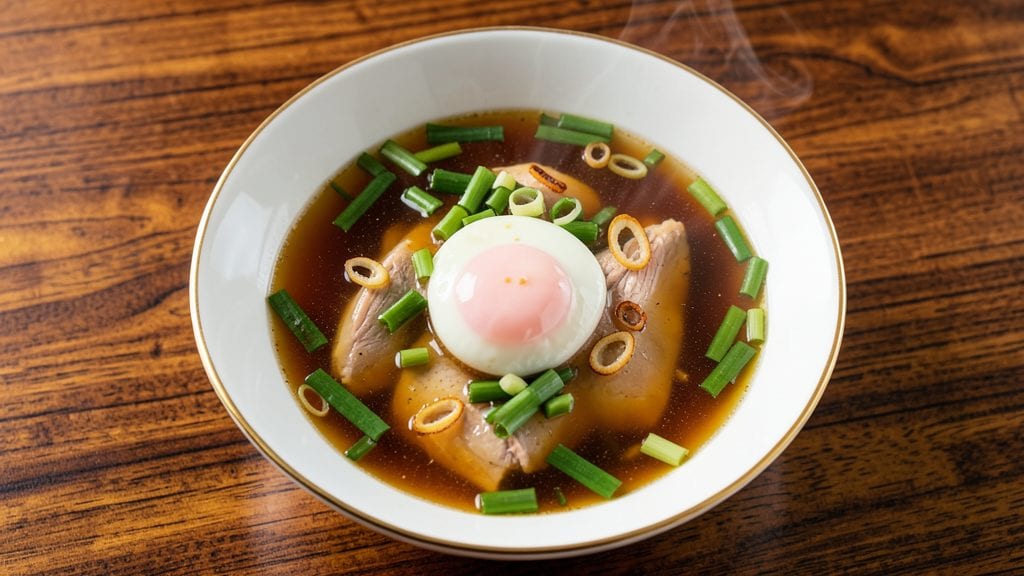
This Cantonese egg drop soup recipe delivers the delicate balance of silky ribbons and fragrant broth that defines a proper bowl of comfort.
The key lies in a clear, lightly seasoned chicken broth that serves as the canvas for tender egg ribbons and scallions, creating a dish that’s both humble and deeply satisfying. I’ve perfected this version after years of testing—no shortcuts, just the authentic technique that makes every slurp worth it.
The beauty of this recipe is in its simplicity: just a few ingredients, but each one plays a crucial role. A proper chicken broth forms the foundation, while beaten eggs and scallions transform it into something extraordinary. The secret to those signature egg ribbons?
Gentle heat and constant stirring—no rushing, just patience. This isn’t just soup; it’s a reminder of home, whether you’re serving it at a family dinner or enjoying it on a quiet evening.
What you’ll achieve is a bowl of soup that’s light yet deeply flavorful, with each spoonful offering a perfect harmony of textures and tastes. The broth remains clear and aromatic, the egg ribbons glide effortlessly, and the scallions add a fresh finish.
It’s the kind of dish that feels like a hug in a bowl—simple, nourishing, and impossible to resist.
This recipe also adapts beautifully to modern tastes, whether you’re making it vegetarian or adding extra protein like shrimp or chicken. Let’s get started on creating something truly special.
Ingredients for cantonese soup
Four ingredients transform into the soul of Cantonese dining—light, fragrant, and perfectly balanced.
| Ingredient | Amount | Notes |
|---|---|---|
| Chicken Broth 🍲 | 6 cups | Homemade or high-quality store-bought |
| Large Eggs 🥚 | 3 whole | Fresh, room temperature |
| Green Onions 🧅 | ¼ cup | White and green parts separated |
| Cornstarch 🌾 | 1 tbsp | For egg ribbon clarity |
| Sesame Oil 🫒 | ½ tbsp | For aroma, not cooking |
| Soy Sauce 🍶 | 1 tbsp | Light or dark preferred |
| White Pepper 🌶️ | ¼ tsp | Freshly ground for best flavor |
| Salt 🧂 | ½ tsp | Adjust to taste |
| Water 💧 | 1 cup | For thinning egg mixture |
| Vegetable Oil 🫒 | 1 tbsp | For gentle simmering |
The broth is non-negotiable. Homemade chicken broth delivers that authentic depth, but Kettle & Fire or Pacific Foods make excellent pre-made options. Look for versions with low sodium and no added preservatives—those chemicals cloud the clarity. If using store-bought, simmer it uncovered for 10 minutes to reduce and concentrate the flavor. The green onions? Fresh is a must—dried or frozen won't give that bright crunch. For the white parts, chop finely; reserve the greens for garnish. And never skip the sesame oil—just a few drops add that signature aroma without overpowering.
No sesame oil? Toasted sesame paste thinned with a splash of water works in a pinch, though the flavor won't be identical. Short on cornstarch? Arrowroot powder at the same amount creates equally silky ribbons. The eggs should be fresh but room temperature—cold eggs curdle when heated. For a vegetarian version, swap the broth for shiitake mushroom broth and add a pinch of MSG for umami depth. The soy sauce can be reduced if you prefer a lighter color—just strain it through a coffee filter after heating. And if your broth tastes flat, a tiny splash of Shaoxing wine (or dry sherry) elevates it instantly.
Broth reheats beautifully—simmer gently to avoid cloudiness. Store in airtight containers for up to 5 days in the fridge, or freeze for 3 months. The egg mixture can be prepped ahead and kept in the fridge for 1 day, but whisk vigorously before using. For meal prep, assemble the soup just before serving—those egg ribbons lose their magic when reheated. Garnish with extra scallions and a drizzle of sesame oil right before eating. The aroma alone makes it worth the effort.
Why You'll Love This Recipe
- Same recipe, different vibes: slurp it straight from the pot on a Tuesday or ladle it into bowls for guests. Add a sprinkle of chili oil if you’re feeling fancy, but the basics always win.
- Five-Ingredient Magic: I swear by this—just broth, eggs, green onions, and a splash of sesame oil. No chopping, no fuss, just simmer and serve. That’s it. Honestly, I’ve made it while microwaving leftovers in the other hand.
- Silky-Perfect Texture: The cornstarch trick is everything—those eggs turn into delicate, cloud-like ribbons that melt in your mouth. Between us, it’s the kind of dish where the first bite makes you pause mid-sip of tea.
- Weeknight to Dinner Party: Same recipe, different vibes: slurp it straight from the pot on a Tuesday or ladle it into bowls for guests. Add a sprinkle of chili oil if you’re feeling fancy, but the basics always win.
Step-by-step instructions for slurp-worthy egg drop clarity
Mastering this Cantonese classic comes down to precise technique and gentle heat control.
Prepare the Egg Mixture for Perfect Ribbons
In a small bowl, whisk together the 3 whole large eggs and the 1 cup water until completely combined. Add the 1 tablespoon cornstarch, 1 tablespoon soy sauce, ½ teaspoon salt, and ¼ teaspoon white pepper, whisking until smooth. This mixture needs to be perfectly homogeneous—no streaks of cornstarch or unincorporated seasonings. The cornstarch is what creates those delicate, translucent egg ribbons when dropped into the broth.
I like to strain the mixture through a fine-mesh sieve into another bowl to ensure absolute smoothness. This step eliminates any potential lumps that could disrupt the beautiful egg strands. Cover the bowl and set it aside at room temperature while you prepare the broth.
Heat the Broth and Vegetable Oil
Pour the 6 cups chicken broth into a clean soup pot and place it over medium-low heat. Add the 1 tablespoon vegetable oil—this creates a gentle sheen on the broth's surface that prevents the egg from immediately breaking apart when dropped in. The oil should spread evenly across the broth without creating ripples.
Bring the broth to a gentle simmer—you should see just a few small bubbles breaking the surface, but no vigorous boiling. This controlled temperature is crucial; boiling will cook the egg too quickly, resulting in solid chunks rather than delicate ribbons. If you see large bubbles or hear a rolling boil, reduce the heat immediately.
Drop the Egg Mixture with Precision
Using a small ladle or spoon, carefully drop the egg mixture into the simmering broth. Start with just a few drops at first—this lets you gauge how the egg reacts to the heat. The key is to maintain the medium-low heat while adding the egg; any fluctuation in temperature will affect the texture. You want the egg to float just beneath the surface and slowly dissolve into delicate strands.
Work quickly but deliberately, adding more egg mixture as the first strands begin to form. The broth should remain at a gentle simmer throughout—never let it come to a full boil. If you notice the egg forming solid lumps instead of ribbons, your heat is too high. Reduce immediately and let the broth cool slightly before continuing. The perfect egg ribbon should be translucent with a slight sheen, not opaque or rubbery.
Finish with Green Onions and Sesame Oil
Once all the egg mixture has been incorporated and the broth has a beautiful, silky appearance, remove the pot from heat. Stir in the white parts of the ¼ cup green onions, cutting them into thin slices with kitchen shears for easy incorporation. The green onion adds a subtle freshness that balances the richness of the egg.
Drizzle in the ½ tablespoon sesame oil and gently stir. This final touch adds an aromatic depth that elevates the soup from simple to restaurant-quality. The sesame oil should disperse evenly, creating a delicate fragrance that wafts through the kitchen. Taste and adjust seasoning with additional soy sauce or salt if needed—remember, the broth should be flavorful but not overpowering the delicate egg texture.
Serve Immediately for Maximum Enjoyment
Ladle the soup into bowls while it's still hot, ensuring each serving gets an even distribution of egg ribbons. The beauty of this soup lies in its immediate consumption—egg drop soup loses its delicate texture as it cools. Serve with the green parts of the green onions sprinkled on top for both garnish and a fresh finish.
Each spoonful should deliver a perfect balance: the warmth of the broth, the silky egg ribbons that melt on the tongue, and the subtle umami from the soy sauce and white pepper. The texture should be luxurious yet light, never heavy or greasy. For the best experience, serve with steamed rice on the side to soak up any remaining broth.
Pro Tips For Making Cantonese Soup
- Simmer Broth Just Right: The broth needs to be hot but not boiling when you add the eggs—think gentle bubbles, not a rolling boil. I learned this the hard way when my eggs turned to scrambled messes; now I keep the heat at a steady simmer, about 180°F (82°C), so the eggs poach perfectly without breaking.
- Prep Green Onions Properly: Cut the white parts of the green onions into ½-inch pieces and leave the greens whole for garnish. I used to chop everything finely, but the texture contrast makes this soup—it’s the thing that matters most when you’re serving it.
- Slurry Cornstarch Smartly: Mix the cornstarch with cold water first (1 tbsp cornstarch to 2 tbsp water) and let it sit for 5 minutes before adding it to the broth. This prevents clumping and gives you a smooth, glossy finish—no future self will thank you for skipping this step.
- Drizzle Sesame Oil Last: Add the sesame oil right before serving, not while cooking—it burns easily and loses its nutty aroma. A quick splash at the end (½ tsp) is all you need to wake up the flavors without turning the soup bitter.
Pro cooking tips for great cantonese soup
Broth Clarity Secrets
Start with a clear, unclouded broth—this is non-negotiable for authentic egg drop soup. If using store-bought, simmer it uncovered for 10 minutes to evaporate any surface oils that cause cloudiness. For homemade broth, strain it through a fine-mesh sieve lined with cheesecloth to remove any impurities.
I swear by Kettle & Fire low-sodium chicken broth when shortcuts are needed—it’s the closest to homemade clarity. 🌡️
Add 1 tablespoon vegetable oil to the broth before heating—this creates a protective layer that prevents the egg from immediately breaking apart. The oil should spread evenly, creating a gentle sheen rather than ripples.
If your broth starts to boil vigorously, reduce heat immediately to medium-low—boiling will turn your silky ribbons into rubbery chunks.
Egg Ribbon Mastery
The cornstarch-water slurry is your secret weapon for those signature strands. Whisk the eggs with 1 tablespoon cornstarch until completely dissolved, then strain through a fine-mesh sieve to eliminate any lumps.
Room-temperature eggs are critical—cold eggs curdle when dropped into hot broth. I like to let mine sit at room temperature for 15-20 minutes before using. 🥚
Drop the egg mixture gradually into the simmering broth, starting with just a few strands. The broth should remain at a gentle simmer—you’ll see tiny bubbles but no rolling boil. If the egg forms lumps instead of ribbons, your heat is too high.
Reduce immediately and let the broth cool slightly before continuing. The perfect ribbon should be translucent with a slight sheen, not opaque.
Heat Control Hacks
Use a soup pot with sloped sides—this helps distribute heat evenly and prevents hot spots that can cook the egg unevenly. I prefer stainless steel over aluminum because it conducts heat more evenly.
If your stove has uneven heat distribution, try using the back burner for more consistent temperature control. 🔥
Never let the broth come to a full boil after adding the egg—this is where most home cooks go wrong. The ideal temperature is just below a simmer, where you see a few small bubbles breaking the surface.
If you’re unsure, use a candy or instant-read thermometer to confirm the broth stays between 180-190°F.
Finishing Touches
The sesame oil should be added off the heat—just a ½ tablespoon is enough to infuse the broth with aroma without overpowering. Drizzle it in while stirring gently to distribute evenly. Freshly ground white pepper adds a subtle warmth that complements the egg’s silkiness.
Taste and adjust seasoning with a pinch of salt or soy sauce if needed—remember, the broth should enhance, not dominate. 💫
Serve immediately with the green onion tops sprinkled on top—this adds a fresh contrast to the rich broth. The egg ribbons lose their delicate texture as they cool, so don’t wait! Pair with steamed jasmine rice to soak up every last drop of that fragrant broth.
Nutrition facts
Frequently asked questions
Can I make this Cantonese egg drop soup vegetarian?
Replace the chicken broth with a rich shiitake mushroom broth (simmer dried shiitake in water for 30 minutes) and add 1 teaspoon MSG for that essential umami depth. The egg ribbons and scallions remain the same, delivering all the classic flavors without meat. For extra protein, stir in tofu cubes cooked separately in the broth.
Why did my egg turn into chunks instead of ribbons?
This usually happens when the broth is too hot or the egg mixture isn't smooth enough. Start with a gentle simmer (just a few small bubbles) and ensure your egg mixture is perfectly strained. Cold eggs or heat fluctuations also cause problems—always use room-temperature eggs and maintain consistent heat. If it happens, reduce heat immediately and let the broth cool slightly before continuing.
How can I make the broth clearer and more flavorful?
For maximum clarity, strain your broth through a fine-mesh sieve lined with cheesecloth and simmer uncovered for 10 minutes to remove surface oils. For deeper flavor, add a ½ cup chicken backbones to your homemade broth or use Kettle & Fire low-sodium chicken broth as a shortcut. A splash of Shaoxing wine (or dry sherry) during simmering adds authentic complexity.
Can I prepare this soup ahead of time?
You can prep components separately, but assemble it fresh for best results. Make the egg mixture ahead (store in fridge for 1 day) and keep broth refrigerated (up to 5 days). However, the egg ribbons lose their delicate texture when reheated—always cook and serve immediately. The broth reheats beautifully, so you can warm it separately and add fresh egg ribbons when serving.
What other Cantonese soups should I try next?
After mastering egg drop, try these classics: Wonton Soup (with delicate shrimp or pork wontons), Winter Melon Soup (light and refreshing with pork ribs), or Hot and Sour Soup (tangy with tofu and mushrooms). Each offers a different texture and flavor profile while maintaining that signature Cantonese balance of umami and freshness.