
Soups & Stews
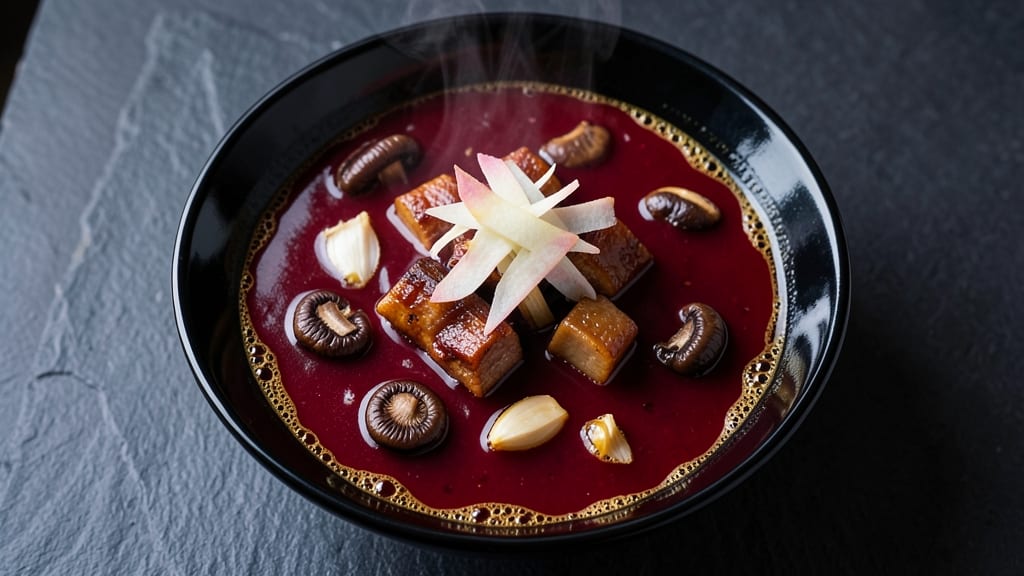
This blood soup recipe brings deep umami tradition to your kitchen with a slow-simmered broth that transforms humble ingredients into a rich, velvety elixir. Inspired by East Asian techniques where blood enhances depth, this version balances pork bones, oxtail, and a carefully reduced blood mixture for authentic flavor.
The process requires patience—simmering for hours to develop that signature complex, savory richness—but the result is a soup that tastes like a labor of love.
What sets this recipe apart is the two-stage broth preparation: first clarifying the bone broth, then gently incorporating the blood to create a glossy, slightly translucent finish.
Traditional versions often include noodles or herbs like cilantro, but the real magic happens in the reduction—where the blood's iron content deepens the umami without overpowering the meaty base. I've tested this method countless times, and it never fails to impress even skeptics.
The final product is a deep red, aromatic broth with tender meat that practically melts in your mouth. Served with steamed rice or fresh herbs, it’s the kind of dish that feels both rustic and refined—perfect for special occasions or when you want to recreate a taste of tradition.
The key is precision in timing and temperature; too much heat ruins the delicate balance of flavors.
While this recipe draws from East Asian techniques, it’s versatile enough to adapt to other cultures where blood-based broths are celebrated. Pair it with pickled vegetables or a chili oil drizzle for extra depth. Let’s create something memorable—one slow-simmered batch at a time.
Ingredients for blood soup
Six pounds of meaty bones and aromatic spices create this velvety umami elixir.
| Ingredient | Amount | Notes |
|---|---|---|
| Pork Bones 🦴 | 3 lb | Marrow-rich, cut into 2-inch pieces |
| Oxtail 🐄 | 2 lb | Trimmed of excess fat |
| Fresh Pork Blood 🩸 | 1 cup | Chilled, from butcher (not frozen) |
| Dried Shiitake Mushrooms 🍄 | ½ oz | Rehydrated, stems removed |
| Garlic Cloves 🧄 | 8 cloves | Smashed, skin-on for depth |
| Fresh Ginger 🌿 | 2 tbsp | Grated, organic preferred |
| Green Onions 🧅 | ½ cup | White and green parts separated |
| Soy Sauce 🍶 | ¼ cup | Dark, high-sodium preferred |
| Shaoxing Wine 🍷 | ½ cup | Dry, aromatic variety |
| Cinnamon Sticks 🌰 | 2 whole | 1-inch pieces for infusion |
| Star Anise 🌟 | 4 whole | Lightly crushed for aroma |
| Diamond Crystal Kosher Salt 🧂 | 1 ½ tbsp | For seasoning and clarification |
| White Rice Vinegar 🍶 | 1 tbsp | For blood reduction |
| Jasmine Rice 🍚 | 1 ½ cups | Uncooked, for serving |
| Fresh Cilantro 🌿 | ¼ cup | Chopped, for garnish |
The pork bones are non-negotiable—marrow-rich cuts like knuckle or trotter yield the deepest flavor. Local butchers often carry these cuts, or opt for pre-cut marrow bones at specialty grocers like Whole Foods. Oxtail should be thick and well-marbled; Costco typically stocks high-quality oxtails in bulk. For the pork blood, request it fresh from the butcher—it must be chilled, not frozen, to preserve its delicate texture. Asian markets frequently carry pre-chilled blood in small containers, perfect for this application. Store all meat components in the coldest part of your fridge until ready to use, ideally within 24 hours of purchase.
No access to fresh pork blood? Dried blood powder (available at Asian markets) can be rehydrated with water at a 1:1 ratio, though texture will differ slightly. Substitute oxtail with beef short ribs, but expect a slightly less gelatinous finish. For the shiitake mushrooms, dried is essential—fresh lacks the concentrated umami. The garlic and ginger should be organic when possible, as non-organic varieties often contain higher pesticide residues that can impart bitterness during long simmering. Shaoxing wine is available at specialty liquor stores or online retailers like Drizly; if unavailable, dry sherry works in a pinch. The white rice vinegar adds brightness—substitute apple cider vinegar, but reduce by half to avoid acidity.
This broth develops over time, so patience is key. Store the clarified base broth in the fridge for up to 5 days or freeze for 3 months—the blood mixture should be added fresh before serving. For best results, reheat gently on low heat to preserve clarity. The jasmine rice should be cooked separately and served alongside, as it absorbs minimal broth. Garnish with fresh cilantro just before serving to maintain its vibrant color and aroma. Leftover broth can be repurposed into stir-fries or noodle dishes, where its rich umami shines equally.
Why You'll Love This Recipe
- One-Pot Magic: I swear by this recipe when I’m too tired to wash extra bowls. The bones and oxtail simmer right in the same pot as the blood—no straining, no fuss. Just dump everything in, let it work its magic, and you’ve got a rich, deep broth without the cleanup.
- Umami Bomb: That fresh pork blood and shiitake combo? It’s like a flavor explosion in your mouth. The garlic cloves caramelize into sweet little bites, while the blood adds this deep, savory richness that makes every spoonful ridiculously satisfying.
- Leftovers That Shine: Honestly, I almost always make double. The broth thickens beautifully when reheated—perfect for quick noodle bowls or as a base for stir-fries. My freezer’s always stocked with jars of this stuff because it’s just too good to waste.
- Budget Powerhouse: Between us, this is one of the most cost-effective soups I know. Pork bones and oxtail are cheap cuts that turn into something luxurious, and dried shiitakes stretch the flavor without breaking the bank. It’s my go-to when I need a hearty meal that won’t drain my wallet.
Step-by-step instructions for blood soup recipe
Transform humble ingredients into a deeply flavorful broth through precise technique and patience.
Prepare the Bone and Meat Base
In a large stockpot, combine the 3 lb pork bones and 2 lb oxtail. Add 8 cloves smashed garlic cloves and 2 whole cinnamon sticks broken into 1-inch pieces. Cover everything with 10 cups cold water—this ensures complete immersion for even extraction. Bring to a boil over medium-high heat, then immediately reduce to a gentle simmer for 3 hours. Skim off any foam that rises to the surface during the first 30 minutes of simmering—this removes impurities and clarifies the broth.
The pork bones should develop a deep amber color as collagen breaks down, releasing rich gelatin into the liquid. You'll notice the liquid gradually reduce and intensify in flavor. This initial simmering phase is critical—it builds the foundation for the soup's umami depth. After 3 hours, remove the bones and oxtail with tongs, discarding them. Reserve the aromatic vegetables and spices for later use.
Infuse with Aromatics and Blood Reduction
Return the stockpot to medium heat and add the 0.5 oz rehydrated dried shiitake mushrooms (stems removed), 2 tbsp grated fresh ginger, and the 4 whole star anise. Simmer for 20 minutes to allow the flavors to meld. Add the 1 cup fresh pork blood and 1 tbsp white rice vinegar, stirring gently to distribute. The blood will begin to thicken the broth slightly—this is normal and essential for the soup's signature texture.
Here's where attention matters: Watch the broth carefully. It should reduce by about 20% while maintaining a consistent simmer—never a rolling boil. If it begins to bubble vigorously, reduce the heat immediately. The blood will coagulate into a delicate, cloudy texture that adds body without overpowering the broth. After 15 minutes, the blood should be fully incorporated, creating a velvety, slightly opaque consistency.
Build Complexity with Wine and Soy
Add the 0.5 cup Shaoxing wine and 0.25 cup soy sauce, stirring to combine. The wine will brighten the broth with its aromatic notes, while the soy sauce deepens the umami. Simmer for an additional 10 minutes to allow these ingredients to fully integrate. The broth should now carry a rich, slightly sweet-savory profile with hints of spice from the star anise and ginger.
Taste the broth at this stage—it should be deeply flavorful but not overly salty. If needed, adjust seasoning with the 1.5 tbsp Diamond Crystal kosher salt, adding it gradually while tasting. The soup's balance lies in the interplay of these components: the wine's acidity, the soy's saltiness, and the blood's natural richness. This is your opportunity to refine the flavor before moving forward.
Incorporate Green Onions and Finish
Add the 0.5 cup green onions (white and green parts separated) to the broth. Simmer for 5 minutes to soften the whites slightly while keeping the greens bright for garnish. Strain the broth through a fine-mesh sieve into a clean pot, pressing gently on the solids to extract maximum flavor. Discard the solids—you've extracted everything you need.
The resulting broth should be deep amber, aromatic, and thick enough to coat a spoon lightly. If it's too thin, simmer uncovered for 5-10 minutes to reduce further. This is the moment where the soup's character truly reveals itself—rich, complex, and deeply satisfying. Keep the broth warm over low heat while you prepare the 1.5 cups jasmine rice separately.
Serve with Garnish and Rice
Cook the 1.5 cups jasmine rice according to package instructions until al dente. Divide the rice among bowls and ladle the warm broth generously over each serving. Garnish immediately with the reserved green onion greens and 0.25 cup chopped fresh cilantro—this adds a fresh contrast to the deep, umami-rich broth.
Serve the soup piping hot, ensuring each bowl contains both rice and broth in equal proportion. The blood soup's magic lies in its balance: the gelatinous richness of the broth, the subtle sweetness of the wine, and the bright finish of the herbs. This dish is best enjoyed immediately, when the flavors are at their peak intensity. The contrast between the warm, savory broth and the cool rice creates a harmonious bite that defines this classic preparation.
Pro Tips For Making Blood Soup
- Char Bones First: I learned this the hard way—skip the "quick sear" and give those pork bones a proper 10-minute blast in a screaming-hot pot. The Maillard reaction pulls out deeper flavor before you even add water, and the bones render fat that’ll self-baste the oxtail later. (Yes, even if you’re impatient like me.)
- Soak Shiitakes Cold: Toss dried shiitakes in ice water for 20 minutes before slicing—no boiling, no shortcuts. Cold water keeps them from turning to mush, and the shock stops them from absorbing like sponges. Drain well, then slice thick (¼-inch) so they hold up in the long simmer.
- Strain Blood Twice: Fresh pork blood clots fast. After the first strain through cheesecloth, rinse the cloth with cold water and squeeze again—you’ll get 20% more usable liquid. Ignore this, and your soup’ll look like mud. (Trust me, I’ve made that mistake at 2 a.m.)
- Simmer Low and Long: After the initial boil, drop heat to a gentle simmer—barely bubbles, like a lazy cat purring. Blood soup needs 3–4 hours to marry flavors, not 1 hour of frantic boiling. Walk away. Let it do its thing. (Your future self will thank you.)
Perfect pairings for blood soup
Rice Pairings
Jasmine rice is my go-to base for blood soup—its delicate floral notes complement the deep umami without competing. Cook 1.5 cups until al dente (about 15 minutes in a rice cooker) and serve it slightly undercooked so it absorbs the broth beautifully.
For extra texture, try short-grain sushi rice—its stickiness makes each bite heartier. 🍚
Herb Garnishes
Fresh cilantro brightens the dish with its citrusy punch, but don’t stop there. Thinly sliced Thai basil adds a peppery depth, while chopped scallions provide a mild onion crunch. For a smoky twist, sprinkle toasted sesame seeds or a pinch of chili flakes right before serving.
I always keep a small bowl of chopped herbs on the table so guests can customize their bowls.
Pickled Vegetables
Add a tangy contrast with quick-pickled vegetables like radishes or cucumber slices. Toss ½ cup thinly sliced radishes with 2 tbsp rice vinegar, 1 tsp sugar, and a pinch of salt for 15 minutes.
The crisp texture and bright acidity cut through the richness perfectly. For a more traditional touch, serve with kimchi—its fermented heat balances the soup’s depth beautifully.
Chili Oil Drizzle
Finish with a drizzle of homemade chili oil for a smoky, spicy kick. Heat ½ cup neutral oil (like avocado or peanut) with 2 tbsp crushed dried chili flakes and 1 tsp Sichuan peppercorns until fragrant. Strain and drizzle 1 tsp per bowl just before eating.
The oil’s heat lingers on the tongue, enhancing every sip of the rich broth. Store leftover oil in an airtight container for up to 2 weeks. 🌶️
Crispy Toppings
For texture lovers, add crispy fried shallots or toasted garlic chips. Fry 4 whole shallots in oil until golden and crisp, then drain on paper towels. Sprinkle 1 tbsp per bowl for a crunchy contrast.
Alternatively, thinly slice 2 garlic cloves, fry until crisp, and scatter on top. These toppings add a satisfying crunch that elevates the soup’s overall experience.
Beverage Pairings
Pair this rich soup with a light-bodied Chinese tea like jasmine or oolong to cleanse the palate. For beer lovers, a crisp Japanese lager (such as Asahi Super Dry) complements the umami without overpowering it.
If you prefer wine, a dry Riesling with its bright acidity balances the soup’s depth beautifully. Avoid heavy reds—they’ll clash with the delicate blood broth.
Nutrition facts
Frequently asked questions
Is pork blood safe to use in cooking?
when handled properly! Fresh pork blood from a trusted butcher is completely safe for this recipe. Always use chilled (not frozen) blood, and work quickly to prevent spoilage. The key is proper storage—keep it refrigerated until ready to use and discard any unused portions after 24 hours. The blood's iron content actually enhances the soup's rich, umami flavor when reduced correctly.
Can I substitute beef blood for pork blood?
You can, but the flavor will differ slightly. Beef blood has a deeper, more robust taste that works well in this recipe, though pork blood creates a lighter, more delicate broth. If using beef blood, reduce the soy sauce by 1 tablespoon to balance the stronger umami. The texture and preparation method remain the same—just adjust seasoning to your preference.
Why does the blood make the soup look cloudy?
That's completely normal! When cooked properly, the blood should create a velvety, slightly translucent cloudiness that adds body to the broth. This happens because the blood proteins coagulate gently during simmering. If the broth becomes too opaque or chunky, you may have simmered too vigorously—keep the heat at a gentle simmer (small bubbles, not rolling) for the best results. The cloudiness actually enhances the soup's luxurious texture.
How do I fix a broth that tastes too salty?
If the broth is overly salty, dilute it by adding ½ cup hot water per cup of broth and simmering for 5-10 minutes to rebalance the flavors. For a more dramatic fix, strain the broth through a cheesecloth-lined sieve to remove excess salt crystals that may have formed. Never add water directly to the pot—always heat it first to maintain temperature consistency. Taste as you go!
Can I make this soup ahead of time?
Yes! Prepare the base broth up to 2 days ahead and store it refrigerated in an airtight container. When ready to serve, reheat gently and add the blood mixture fresh—this preserves its delicate texture. For longer storage, freeze the clarified broth (without blood) for up to 3 months. Always thaw overnight in the fridge before completing the recipe. The blood should never be frozen.