
Soups & Stews
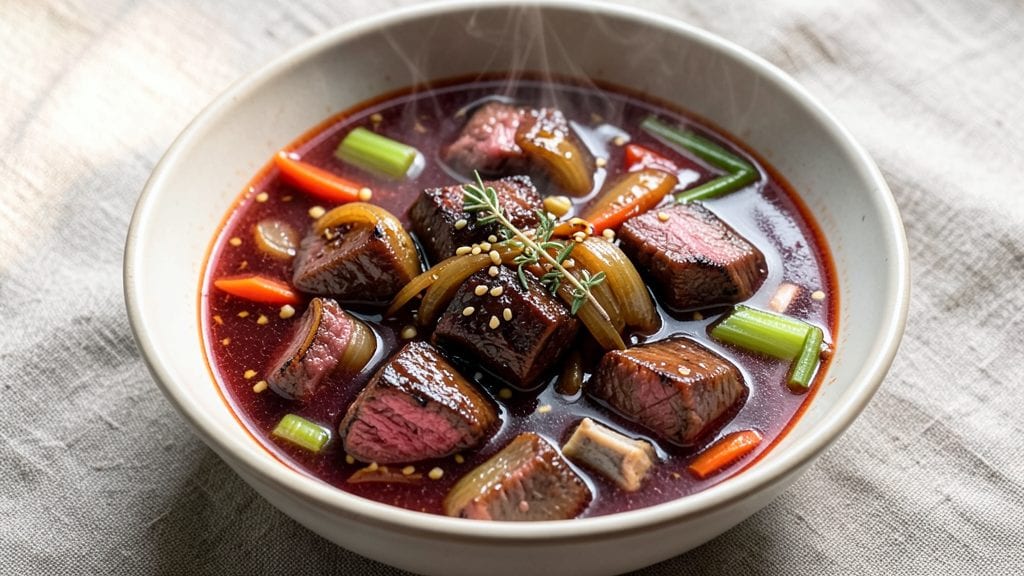
Transforming beef heart into a rich collagen broth with earthy herb depth is a game-changer for hearty soups that feel restaurant-quality. This recipe unlocks the meat's natural gelatinous richness while balancing it with aromatic vegetables and fragrant herbs, creating a dish that's both nourishing and deeply satisfying.
I developed it after discovering how traditional offal preparations elevate simple broths into something extraordinary—something that turns a weeknight dinner into a memorable experience.
The secret lies in the preparation: tenderizing the beef heart properly before slow simmering unlocks its full potential. We'll build a robust broth using beef bones and vegetables, then blend the heart into a velvety texture that coats every spoonful.
This method delivers a soup that's deeply flavorful yet surprisingly approachable, perfect for those who appreciate bold flavors without the fuss of complicated techniques.
What you'll end up with is a hearty soup with a golden, aromatic broth that's rich from the collagen and bright from fresh herbs. The beef heart dissolves into tender strands, while carrots and celery add natural sweetness and depth.
Each spoonful delivers a perfect balance of umami, earthiness, and herbal notes—ideal for chilly evenings or when you want to impress with a dish that feels both rustic and refined.
This recipe works beautifully as a standalone meal or alongside crusty bread and a simple green salad. The leftovers reheat wonderfully, making it perfect for meal prep.
Let's get started on creating a soup that's as nourishing as it is delicious—one that proves beef heart can be the star of the pot.
Ingredients for beef heart soup
Fifteen ingredients unlocking beef heart's velvety collagen potential with aromatic depth.
| Ingredient | Amount | Notes |
|---|---|---|
| Beef Heart 🥩 | 1 lb | Fresh, trimmed of fat and gristle |
| Beef Bones 🦴 | 2 lb | Marrow or knuckle bones preferred |
| Yellow Onion 🧅 | 1 whole | Medium size, chopped |
| Carrots 🥕 | 4 medium | Peeled and chopped |
| Celery Stalks 🧄 | 4 whole | Chopped, including leaves |
| Garlic Cloves 🧄 | 6 cloves | Peeled and smashed |
| Fresh Thyme 🌿 | ¼ cup | Stems removed, chopped |
| Fresh Parsley 🌿 | ¼ cup | Chopped, for garnish |
| Tomato Paste 🍅 | 2 tbsp | High-quality, no sugar added |
| Red Wine 🍷 | ½ cup | Dry, bold variety |
| Bay Leaves 🌿 | 2 whole | Fresh preferred |
| Black Peppercorns 🌶️ | 1 tbsp | Crushed, not ground |
| Sea Salt 🧂 | 1 ½ tsp | Diamond Crystal preferred |
| Olive Oil 🫒 | 2 tbsp | Extra-virgin for richness |
| Water 💧 | 8 cups | Filtered preferred |
The beef heart is the star here—freshness is non-negotiable. Look for bright red, firm hearts at specialty butchers or well-stocked grocery stores like Whole Foods. Trim any visible fat or gristle before using. For bones, marrow or knuckle bones add incredible richness—ask your butcher for these specific cuts. The vegetables are simple but essential: carrots and celery should be fresh, not rubbery. Fresh thyme and parsley elevate the dish beyond basic broth territory. Pro tip: Costco often carries pre-trimmed beef hearts in their butcher section, saving you prep time.
No red wine? Dry sherry or beef broth works beautifully—just add an extra splash of vinegar for acidity. Fresh herbs unavailable? Dried thyme at one-third the amount gets you close, but fresh is ideal. The tomato paste adds depth without overpowering—Rao's brand is my go-to for its rich flavor. For the bones, if you can't find marrow bones, chicken backs or pork femurs add similar richness. The olive oil is worth splurging on—California extra-virgin adds subtle fruity notes that complement the heart's umami perfectly.
This soup tastes even better the next day as flavors meld. Store in an airtight container for up to 5 days in the fridge or 3 months frozen. For freezing, portion into containers with a layer of broth on top to preserve texture. Reheat gently on low—never boil—to maintain the delicate collagen strands. The broth reduces beautifully, so make extra for future meals. I always double the batch and freeze half—nothing beats a quick bowl of restaurant-quality soup on a cold day.
Why You'll Love This Recipe
- No-Chop Nightmare: I swear, this soup only needs you to dice three things—onion, carrots, celery—and call it a day. The beef heart and bones do all the heavy lifting while you sip wine and pretend you’re a Michelin chef.
- Rich, Meatier Than Meat: That beef heart? It’s like a steak in soup form—tender, packed with iron, and so satisfying. The bones melt into the broth, turning it into this deep, savory elixir that makes store-bought bouillon look sad.
- Leftovers That Beg for More: Between us, this soup only gets better the next day. The flavors meld, the heart softens just right, and suddenly you’re reheating it for lunch because you can’t resist. (Yes, even on a Tuesday.)
- Budget Booster for Big Nights: A single beef heart and bones stretch into four servings—no math skills required. It’s my go-to when guests show up unannounced or when I’m tired of spending $20 on takeout that tastes like regret.
Step-by-step instructions for beef heart soup
Transform humble ingredients into a velvety, collagen-rich soup bursting with umami depth and aromatic herb notes.
Prepare the Base Components
Begin by trimming the 1 lb beef heart thoroughly, removing all visible fat and gristle using a sharp boning knife. Cut the heart into 1-inch cubes—this size ensures even cooking without toughness. In a large Dutch oven, heat 2 tbsp olive oil over medium-high heat until shimmering. Add the beef heart and sear for 3-4 minutes per side until deeply browned—this develops critical flavor through the Maillard reaction.
While the heart browns, prepare the vegetables: Dice the 1 whole yellow onion into ¼-inch pieces, peel and chop the 4 medium carrots into ½-inch rounds, and cut the 4 whole celery stalks into ½-inch segments (include leaves for extra flavor). Peel and smash the 6 cloves garlic with the flat side of your knife to release their aroma without mincing. Set these aside until needed.
Build the Flavor Foundation
Once the beef heart is browned, remove it from the Dutch oven and set aside. In the same pot, add the chopped yellow onion, carrots, and celery stalks. Cook for 8-10 minutes over medium heat, stirring occasionally, until the vegetables soften and release their sweetness. Add the 6 smashed garlic cloves and cook for an additional 1 minute until fragrant—don't let it brown or it'll turn bitter.
Stir in the 2 tbsp tomato paste and cook for 2 minutes to deepen its flavor. Pour in the 0.5 cup red wine, scraping up any browned bits from the bottom of the pot. Let the wine simmer for 3 minutes until reduced by half—this concentrates its richness. Add the 2 whole bay leaves and 1 tbsp crushed black peppercorns, then return the beef heart to the pot.
Simmer the Collagen-Rich Broth
Pour in the 8 cups water and bring the mixture to a gentle boil over high heat. Once boiling, reduce heat to low and add the 2 lb beef bones. Cover and simmer for 3 hours, skimming any foam that rises to the surface during the first 30 minutes. This long simmer extracts maximum collagen from the bones and beef heart, creating a naturally thick, velvety broth.
After 3 hours, remove the beef bones and strain the broth through a fine-mesh sieve into a clean pot. Discard the solids. Return the strained broth to the pot and stir in the 1.5 tsp sea salt and 0.25 cup chopped fresh thyme. Simmer uncovered for an additional 20 minutes to allow the flavors to meld and the broth to reduce slightly to a more concentrated consistency.
Finish with Fresh Herbs
Taste the broth and adjust seasoning if needed—this is your chance to balance the flavors before serving. The soup should be rich with umami from the beef heart and bones, brightened by the herbs and wine. Remove from heat and let it cool slightly, then stir in the 0.25 cup chopped fresh parsley just before serving. The parsley adds a fresh contrast to the deep, earthy flavors of the broth.
Serve the soup hot, garnished with additional parsley if desired. For optimal texture, pair with crusty bread to soak up the luxurious broth. This soup keeps well in the refrigerator for 4 days or can be frozen for up to 3 months, making it an excellent make-ahead dish for busy weeks.
Pro Tips For Making Beef Heart Soup
- SCORE THE HEART: Cut the beef heart into 1-inch chunks lengthwise—not crosswise—so it cooks evenly and stays tender. I used to slice it thin like steak, and it turned to rubber. Thicker pieces hold up better in long simmers.
- BROWN THE BONES FIRST: Get those beef bones deep golden in a hot pot before adding liquid—this unlocks way more flavor than a quick sear. I know it takes 10 minutes, but skipping this means a broth that tastes like… well, broth.
- SALT THE WATER HARD: Use 2 tablespoons of kosher salt per gallon of water when blanching the heart—it seasons the meat inside out and prevents bitterness. Trust me, your soup will taste like it was made by someone who actually likes beef heart.
- STRAIN THE BROTH TWICE: First strain through a fine-mesh sieve to catch tiny bone bits, then press the solids with a wooden spoon for extra richness. Lazy me used to skip this, and the soup always felt… incomplete. Now it’s velvety.
Health benefits of this dish
Collagen-Rich Powerhouse
This soup is a nutritional powerhouse thanks to the beef heart's abundant collagen and gelatin, which support joint health, skin elasticity, and gut integrity. A single serving provides roughly 10-15 grams of collagen peptides, which help repair connective tissues.
The long simmering process breaks down these proteins into bioavailable forms your body can easily absorb. 💪
Protein Without the Fat
Beef heart delivers lean protein with minimal saturated fat—about 30 grams per serving—making it an excellent choice for those watching their fat intake. Unlike fatty cuts of beef, the heart provides muscle-building protein without the cholesterol concerns. This makes it ideal for heart-healthy diets when prepared properly.
Rich in B Vitamins
The heart is packed with B vitamins, particularly B12, B6, and niacin, which are essential for energy metabolism and nervous system function. A 1 lb serving provides nearly 100% of your daily B12 needs, crucial for red blood cell production and neurological health.
These nutrients help convert food into usable energy, making this soup a great pick-me-up on busy days.
Iron for Energy
Beef heart is one of the most iron-rich foods available, with a 1 lb serving delivering over 50% of your daily iron needs. This iron is heme iron—the most bioavailable form—meaning your body absorbs it efficiently.
Pair this soup with vitamin C-rich sides (like bell peppers or citrus) to enhance iron absorption even further. Perfect for combating fatigue and maintaining healthy energy levels. ✨
Immune-Boosting Minerals
The broth is loaded with zinc and selenium, two minerals that play critical roles in immune function. Zinc supports white blood cell activity, while selenium acts as a powerful antioxidant.
Together, they help your body fight infections and reduce inflammation. The slow-cooked bones also contribute calcium and magnesium, supporting bone health and muscle function.
Low-Calorie Comfort
Despite its rich flavor, this soup is surprisingly low in calories—about 250-300 calories per serving—while being deeply satisfying. The collagen-rich broth creates a velvety texture that feels indulgent without the calorie load of cream-based soups. It's the perfect comfort food for weight-conscious eaters who still crave hearty flavors.
Nutrition facts
Frequently asked questions
Why does beef heart need to be seared before simmering?
The searing step is crucial for developing deep, caramelized flavors through the Maillard reaction. This process creates rich, meaty notes that form the foundation of your broth. Skipping it results in a much milder flavor profile—think of it as the difference between restaurant-quality soup and homemade. The 3-4 minutes per side ensures proper browning without overcooking the delicate heart muscle.
Can I substitute beef heart with another protein?
While beef heart provides unique collagen and umami, you can substitute with chicken thighs (for milder flavor) or pork trotter (for similar gelatinous texture). The key is using a protein with connective tissue that breaks down during long simmering. Just reduce cooking time by 30-45 minutes—these cuts won't release as much natural gelatin as beef heart.
What's the best way to store leftovers?
Store in an airtight container with a layer of broth on top to preserve texture. This soup keeps for 4-5 days in the fridge or 3 months frozen. For freezing, portion into containers and leave 1-inch headspace—this prevents ice crystals from breaking down the collagen strands. Always reheat gently on low heat to maintain that velvety consistency.
How can I make this soup more approachable for picky eaters?
Blend half the finished soup for a smoother texture, or strain it through a fine-mesh sieve to remove any visible meat strands. Add a splash of heavy cream (2 tbsp per serving) at the end for richness, or serve with crusty bread on the side for dipping. The natural sweetness of carrots and celery also helps balance any "offal" perceptions.
Why does my broth taste bitter?
Bitterness usually comes from overcooking the garlic or burning the tomato paste. For future batches, add garlic only 1 minute before the wine, and never let it brown. If you already have a bitter broth, balance it with 1 tsp sugar or honey and ½ cup fresh parsley—the parsley's natural oils help neutralize bitterness. Also ensure you're using fresh, high-quality beef heart as stale meat develops off flavors.