
Soups & Stews
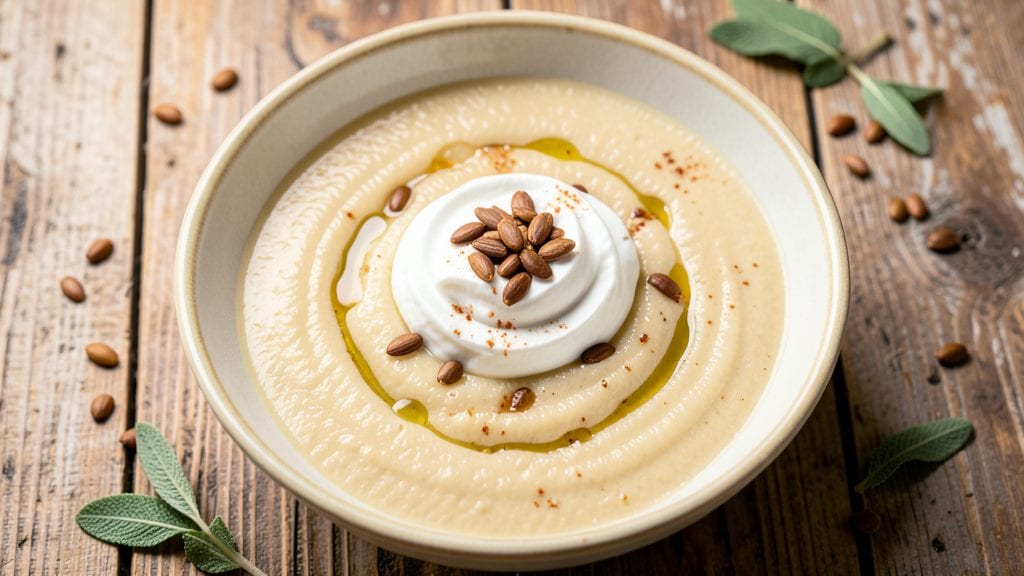
Barefoot Contessa’s butternut squash soup transforms humble ingredients into a velvety, spiced masterpiece that’s both comforting and elegant. The secret lies in roasting the squash until caramelized—this deepens its natural sweetness while creating a texture so smooth it practically melts on the tongue.
I’ve perfected this recipe over years of testing, ensuring every spoonful delivers that perfect balance of warmth and brightness.
What sets this soup apart is the technique: slow-cooked onions form the aromatic base, while toasted pumpkin seeds add a nutty crunch that contrasts beautifully with the creamy broth. The spice blend—cinnamon, nutmeg, and a pinch of cayenne—elevates the flavor without overpowering the squash’s natural sweetness.
It’s the kind of dish that feels indulgent yet remains light enough for any season.
By the time you’re done, you’ll have a restaurant-quality soup that’s rich, aromatic, and effortlessly impressive. The topping of toasted seeds not only adds texture but also turns an ordinary bowl into a showstopper. Serve it with crusty bread or a sprinkle of fresh herbs for the full experience.
This recipe scales perfectly for gatherings or meal prep, and the flavor only deepens as it sits. Whether you’re a seasoned cook or just starting out, this method ensures foolproof results every time. Let’s get cooking—your kitchen will smell like autumn in minutes.
Ingredients for barefoot contessa butternut squash soup
Six servings of velvety spiced soup—where roasted squash meets aromatic slow-cooked onions and nutty toasted seeds.
| Ingredient | Amount | Notes |
|---|---|---|
| Medium Butternut Squash 🎃 | 2 lb | Peeled, seeded, cubed (1.5-inch pieces) |
| Yellow Onion 🧅 | 1 whole | Chopped into even 1/4-inch dice |
| Extra-Virgin Olive Oil 🫒 | ½ cup | High-quality, fruity flavor profile |
| Vegetable Broth 💧 | 4 cups | Low-sodium, homemade preferred |
| Heavy Cream 🥛 | 1 cup | Full-fat for optimal creaminess |
| Pumpkin Seeds 🥜 | ½ cup | Raw, unsalted, for toasting |
| Ground Cinnamon 🌿 | 1 tsp | Freshly ground preferred |
| Ground Nutmeg 🌿 | ¼ tsp | Freshly grated for potency |
| Cayenne Pepper 🔥 | ⅛ tsp | Adjust for desired heat level |
| Salt 🧂 | 1 ½ tsp | Diamond Crystal kosher salt |
| Black Pepper 🌶️ | ½ tsp | Freshly cracked for aroma |
| Garlic Cloves 🧄 | 4 cloves | Peeled, minced into fine paste |
| Fresh Thyme Leaves 🌿 | ¼ cup | Chopped, stems removed |
| Fresh Sage Leaves 🌿 | ¼ cup | Chopped, stems removed |
| Brown Sugar 🍯 | 1 tbsp | Lightly packed, for balance |
The butternut squash is the foundation, and choosing a firm, unblemished specimen ensures optimal flavor. Look for squash with a vibrant orange hue and a heavy feel for its size—local farmers markets or Whole Foods often carry the freshest varieties. Roasting the squash until caramelized transforms its natural sweetness into a rich, velvety texture. For the onions, yellow onions with dry, papery skins work best, as they caramelize more evenly. Fresh herbs are non-negotiable here; Trader Joe's or local herb farms often have the freshest thyme and sage, which elevate the soup's aromatic profile. The cinnamon and nutmeg should be freshly ground for maximum potency—Penzeys or Spicewalla offer high-quality options that make a noticeable difference in depth of flavor.
No pumpkin seeds? Toasted pecans or walnuts provide a similar crunch, though the flavor will differ slightly. Substituting heavy cream with coconut milk or Greek yogurt works for a lighter texture, though the richness will be altered. For the vegetable broth, homemade stock or a high-quality low-sodium brand like Pacific Foods ensures the best flavor without overpowering the soup. The brown sugar can be omitted entirely if you prefer a less sweet profile, but it helps balance the earthy notes of the squash. Fresh herbs can be swapped for dried at one-third the amount, though the flavor will be less vibrant. If you're short on time, pre-minced garlic from the jar works in a pinch, though freshly minced garlic adds an essential depth of flavor.
This soup reheats beautifully—simmer gently on the stove for 2-3 minutes to restore its creamy texture. Store in an airtight container in the refrigerator for up to 5 days, though the flavor deepens with time. For longer storage, freeze in portions for up to 3 months. The toasted seeds can be prepared ahead and stored in a sealed container at room temperature for 1 week. To serve, simply reheat the soup and sprinkle with freshly toasted seeds just before enjoying, ensuring that signature nutty crunch remains intact. The soup also freezes exceptionally well, making it an ideal candidate for meal prep or holiday gatherings.
Why You'll Love This Recipe
- I swear by this shortcut: just roast the squash whole, scoop out the flesh, and call it a day. That thick, caramelized edge from the oven? You get it without chopping or peeling—my lazy-but-smart move.
- No Peel, No Stress: I swear by this shortcut: just roast the squash whole, scoop out the flesh, and call it a day. That thick, caramelized edge from the oven? You get it without chopping or peeling—my lazy-but-smart move.
- Creamy Without Guilt: The heavy cream makes it rich, but here’s the trick: blend in just a splash of broth first, then stir it in at the end. It’s velvety, not greasy, and the squash’s natural sweetness balances the onion’s depth—like a hug in a bowl.
- Weeknight to Dinner Party: Same recipe, different vibes. Serve it with crusty bread for a 20-minute weeknight dinner, or drizzle with toasted pumpkin seeds and a swirl of chili oil for a fancier crowd. (Yes, even on a Tuesday night.)
Step-by-step instructions for butternut squash soup
This method delivers velvety, perfectly spiced soup with a nutty crunch from toasted seeds.
Sauté Aromatics Until Fragrant
Heat the 0.5 cup extra-virgin olive oil in a large pot over medium heat. Add the chopped 1 whole yellow onion and cook for 5-6 minutes until softened and translucent. This foundational step builds flavor—don't rush it.
Add the minced 4 cloves garlic, 0.25 cup fresh thyme leaves, and 0.25 cup fresh sage leaves, stirring constantly for 1 minute until the garlic releases its aroma. The herbs should darken slightly but not burn. This is where the soup's complex herbal notes develop.
Stir in the 1 tsp ground cinnamon, 0.25 tsp ground nutmeg, and 0.125 tsp cayenne pepper, cooking for another 30 seconds until fragrant. These spices will infuse the soup with warm, aromatic depth. Keep the heat at medium—too high and they'll scorch before releasing their flavors.
Roast the Squash for Depth of Flavor
Add the cubed 2 lb medium butternut squash and 1 tbsp brown sugar to the pot, stirring to coat everything in the aromatic oil. Pour in the 4 cups vegetable broth and bring to a boil over high heat. Reduce to a simmer and cook uncovered for 20-25 minutes until the squash is fork-tender.
Here's the key: The squash should collapse easily when pierced with a fork, but still hold its shape slightly. If it breaks apart too soon, the soup will be grainy. If it's still firm, cover and simmer for another 5 minutes. The sugar caramelizes slightly during this process, adding subtle sweetness.
Season with 1.5 tsp salt and 0.5 tsp black pepper, adjusting to taste. The broth should be well-seasoned now—this is your flavor base. Taste the mixture before proceeding; you want a balance of sweetness from the squash and caramel, with the spices harmonizing.
Blend Until Silky Smooth
Remove the pot from heat and let the contents cool for 5 minutes. This cooling period prevents steam burns when blending. Transfer the mixture to a blender in batches, leaving some room at the top for expansion.
Blend each batch until completely smooth, scraping down the sides as needed. The result should be a velvety texture with no visible squash pieces. If the soup is too thick, thin it with 1-2 tablespoons of vegetable broth at a time until it reaches a pourable consistency. Return all blended soup to the pot.
Stir in the 1 cup heavy cream and bring the soup back to a gentle simmer over low heat for 3-4 minutes. This step incorporates the cream without curdling it. The soup should now have a luxurious, creamy texture while maintaining its spiced character. Taste again and adjust seasoning if needed—this is your final chance to perfect the balance.
Toast the Seeds for Nutty Crunch
While the soup simmers, dry-toast the 0.5 cup pumpkin seeds in a separate skillet over medium heat for 5-7 minutes, stirring constantly. They should turn a rich golden brown and release their nutty aroma. Remove from heat immediately—they'll continue cooking from residual heat and can burn quickly.
Transfer the toasted seeds to a plate to cool slightly. Their crunch provides the perfect textural contrast to the velvety soup. Here's a pro tip: Toast them in small batches if needed to prevent overcrowding, which can lead to uneven toasting.
Serve Warm with Garnish
Ladle the soup into bowls and top each serving with 1 tablespoon of toasted pumpkin seeds. The seeds should be warm but not scorching—serve immediately while they maintain their crisp texture. The contrast between the smooth soup and crunchy seeds is what makes this dish exceptional.
For an elegant presentation, garnish each bowl with an additional sprinkle of ground cinnamon and a few fresh sage leaves. The spices add visual appeal while enhancing the soup's aromatic profile. Serve with crusty bread to soak up every last drop of this rich, comforting dish.
Pro Tips For Making Barefoot Contessa Butternut Squash Soup
- Roast Squash Until Tender: The Barefoot Contessa recipe calls for roasting the squash first, but don’t just eyeball it—aim for a fork-tender test. After 40 minutes at 400°F, pierce with a knife; if it slides in like butter, you’re golden. Overcooking turns it mushy, and undercooking means extra work later.
- Sweat Onions Low and Slow: Skip the sizzle—this isn’t a stir-fry. Cook the onions in olive oil over medium-low heat for 10-12 minutes until deeply caramelized, not browned. I used to rush this and wondered why the soup tasted flat. Patience here builds flavor.
- Strain or Don’t: The recipe lets you blend or strain the soup. If you strain, you’ll get a silky texture, but save those squash fibers—they’re packed with flavor. Toss them into the broth later for a heartier version. (Yes, even if you’re impatient like me.)
- Warm Cream First: Cold heavy cream in hot soup causes separation and a weird texture. Heat the cream gently in a small saucepan until just warm to the touch—about 30 seconds—before stirring it in. This keeps the soup velvety, not curdled. Trust me, it’s worth the extra 30 seconds.
Make-ahead tips for leftovers
Prep Ahead Strategy
Roast the butternut squash 1 day ahead and store it in an airtight container in the fridge. This caramelizes the edges even more, intensifying the natural sweetness.
I like to roast it at 400°F for 30 minutes, then cool completely before refrigerating. The flavor develops beautifully overnight, making blending day-of a breeze. 💫
Freezer-Friendly Base
After blending but before adding the cream, freeze the soup in quart-sized freezer bags (lay flat to save space). Label each bag with the date—this soup keeps for up to 3 months without losing its velvety texture.
When ready to serve, thaw overnight in the fridge, then reheat with the cream and toasted seeds. The texture remains silky smooth if reheated gently on the stove.
Seed Prep Shortcut
Toast the pumpkin seeds 2 days ahead and store them in a sealed container at room temperature. They stay crisp for up to 1 week, ready to sprinkle on freshly reheated soup.
For extra convenience, portion them into small jars—just 1 tablespoon per serving. I often make a double batch because they disappear quickly from my kitchen. 🥜
Broth Boost Technique
Make a big batch of vegetable broth 3 days ahead and freeze it in ice cube trays. Pop out just the cubes you need for this recipe—this prevents waste and ensures you always have flavorful broth on hand.
I use homemade broth because it elevates the soup's depth, but a high-quality store-bought version like Pacific Foods works in a pinch. 💧
Creamy Texture Hack
For a foolproof reheat, add the cream after warming the soup—not before. Heat the blended soup base to 160°F first, then stir in the cream off the heat to prevent curdling.
This method keeps the soup luxuriously creamy without risking separation. I also recommend reheating on low heat with a splash of broth if it looks too thick. ✨
Garnish Last-Minute
Save fresh herbs and spices for garnishing right before serving. Toast the seeds fresh each time to maintain their crisp texture—pre-toasted seeds lose crunch after 24 hours.
I keep a small skillet handy just for this purpose, toasting seeds in 5 minutes flat. The aroma alone makes the soup feel freshly made. 🌿
Nutrition facts
Frequently asked questions
Can I make this soup without heavy cream for a lighter version?
Replace the heavy cream with 1 cup coconut milk for a dairy-free option or 1 cup Greek yogurt for a tangy twist. The texture will be slightly lighter but still rich. For extra creaminess, blend in 1/2 cup silken tofu with the broth before adding coconut milk. The spices will still shine through beautifully.
How do I prevent my soup from becoming too sweet?
The brown sugar in this recipe is optional—omit it entirely if you prefer less sweetness. For balance, add a splash of lemon juice (1-2 tablespoons) or a pinch of black pepper to cut through any sweetness. The caramelized onions and spices already provide depth, so the squash's natural sweetness won't overpower the dish. Taste before serving and adjust as needed.
What’s the best way to store leftovers?
Store in an airtight container in the fridge for up to 5 days. For longer storage, freeze the soup (without cream) in portions for 3 months. To reheat, warm gently on the stove with a splash of broth, then stir in cream off the heat to maintain smoothness. The toasted seeds should be added fresh to preserve their crunch.
Can I substitute butternut squash with another winter squash?
Yes! Delicata or acorn squash work well—they’re sweeter and easier to peel. For a milder flavor, use hubbard squash, but reduce cooking time by 5 minutes since it’s denser. Avoid kabocha (Japanese pumpkin) as its texture is firmer. Adjust seasoning slightly—some squashes need more salt or spices to harmonize.
Why did my soup turn out grainy after blending?
Graininess usually means the squash wasn’t cooked long enough. Simmer until it’s fork-tender (collapses easily but holds shape). For extra smoothness, strain the blended soup through a fine-mesh sieve or use an immersion blender. If using a regular blender, work in batches and scrape down the sides thoroughly. Patience is key—don’t rush the cooking time!