
Soups & Stews
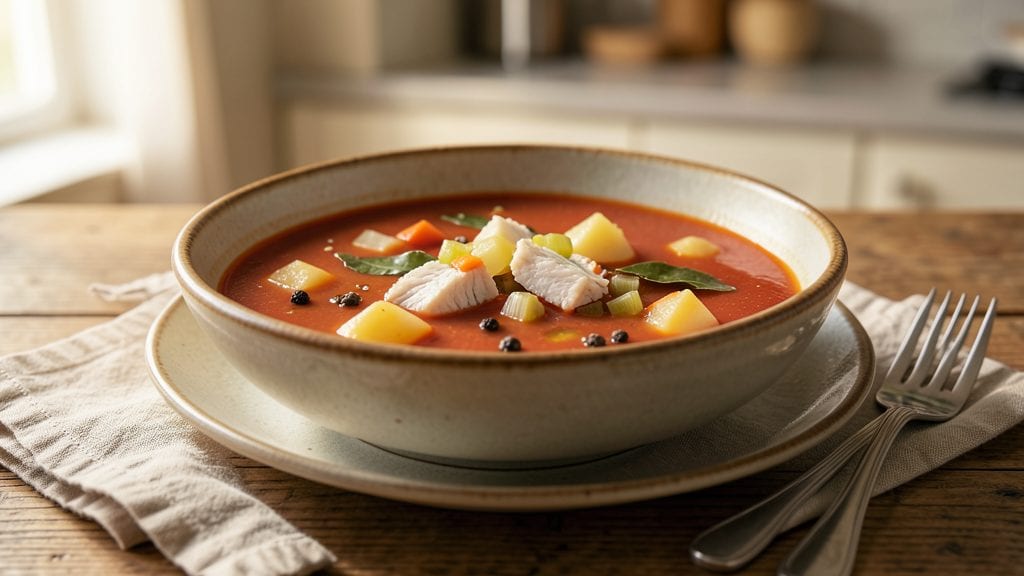
This baccala soup recipe transforms humble salt-cured cod into a rich, aromatic masterpiece that defines Italian coastal cuisine. The process begins with soaking the baccala to remove excess salt, a critical step that ensures perfect flavor balance.
What sets this soup apart is the slow simmering of tomatoes, onions, and potatoes, which creates a velvety broth infused with Mediterranean herbs.
The key to authentic baccala soup lies in patience—letting the salted cod infuse the broth while maintaining its delicate texture. Traditional recipes call for parsley and basil at the end, adding freshness that brightens the deep, savory flavors.
I've refined this method over years of testing, ensuring every spoonful delivers that perfect harmony of salt, acidity, and herbal notes.
By following these precise steps, you'll achieve a soup with tender cod flakes suspended in a rich, tomato-based broth that's both comforting and sophisticated. The aroma alone will transport you to a bustling Italian market, where this dish is a staple.
This is the kind of recipe that improves with each batch as you master the balance of flavors.
The result is a soup that's hearty enough for winter meals yet light enough for spring gatherings. Serve with crusty bread to soak up every last drop of that flavorful broth. Let's create this traditional Italian classic together—step by step, with professional precision.
Ingredients for baccala soup
Transform salt-cured cod into velvety tomato broth with these traditional Italian ingredients.
| Ingredient | Amount | Notes |
|---|---|---|
| Salt-Cured Cod (Baccala) 🐟 | 12 oz | Freshly soaked for 24 hours |
| Canned San Marzano Tomatoes 🍅 | 2 cans | 28 oz each, crushed by hand |
| Yellow Onions 🧅 | 1 whole | Medium, thinly sliced |
| Russet Potatoes 🥔 | 1 ½ lb | Peeled, cubed into 1-inch pieces |
| Carrots 🥕 | 4 whole | Medium, cut into 1-inch chunks |
| Celery Stalks 🌿 | 3 whole | Cut into 1-inch pieces |
| Garlic Cloves 🧄 | 6 cloves | Minced, fresh preferred |
| Extra-Virgin Olive Oil 🫒 | ½ cup | High quality, fruity |
| Fresh Parsley 🌿 | ¼ cup | Chopped, for garnish |
| Fresh Basil 🌿 | ¼ cup | Chopped, for garnish |
| Bay Leaves 🍃 | 2 whole | Dried, standard size |
| Red Pepper Flakes 🌶️ | ½ tsp | Adjust for heat preference |
| Salt 🧂 | 1 ½ tsp | Adjust to taste after soaking |
| Black Peppercorns 🌶️ | ½ tsp | Freshly cracked |
| Dried Oregano 🍃 | 1 tsp | Italian preferred |
The baccala is the soul of this dish, so source it carefully. Italian specialty markets or high-end grocery stores like Whole Foods carry the best quality, often labeled as 'baccala' or 'salt cod.' Look for pieces with minimal discoloration and a firm texture—these indicate freshness. If you can't find it pre-soaked, plan to soak it yourself for 24 hours, changing the water every 8 hours. The San Marzano tomatoes are non-negotiable for authentic flavor; their natural sweetness balances the saltiness perfectly. For the olive oil, California or Italian brands like Bertolli or Filippo Berio deliver that fruity depth that cheap oils can't match.
No salt-cured cod? Fresh cod or haddock can substitute, but omit the soaking step entirely. Running short on San Marzano? Any high-quality canned tomatoes work, but add a pinch of sugar to mimic their natural sweetness. Fresh herbs unavailable? Dried basil and parsley at one-third the amount will suffice, though fresh is always better. The potatoes and carrots can be swapped for other root vegetables like turnips or parsnips if needed. For extra richness, stir in a splash of white wine during cooking—it brightens the broth beautifully. The red pepper flakes are optional but recommended for that authentic Sicilian kick.
This soup tastes even better the next day as flavors meld. Store leftovers in an airtight container in the fridge for up to 4 days. For freezing, portion into containers with some headspace—it expands as it cools. Thaw overnight in the fridge, then reheat gently on the stove. The broth reduces slightly when reheated, so add a splash of water or broth if it seems too thick. The cod flakes beautifully when reheated, making it perfect for meal prep. Serve with crusty bread to soak up every last drop of that aromatic broth—it's worth the effort.
Why You'll Love This Recipe
- Same pot, different vibes: serve it with crusty bread for a lazy Tuesday or pair it with grilled sourdough and a sharp white wine for company. The leftovers? Even better the next day—if you can resist eating the whole pot.
- No-Soaking Required: The baccala here is pre-cured—just rinse it once under cold water before adding to the pot. No waiting, no fuss. That salty depth? It melts right into the tomatoes and onions without extra work.
- Umami Bomb: Between the San Marzano tomatoes (sweet and meaty) and the baccala’s slow-simmered richness, every spoonful tastes like a hug. The potatoes soak up all the flavor—creamy, never mushy—while the carrots add just enough bite.
- Weeknight to Party: Same pot, different vibes: serve it with crusty bread for a lazy Tuesday or pair it with grilled sourdough and a sharp white wine for company. The leftovers? Even better the next day—if you can resist eating the whole pot.
Step-by-step instructions for baccala soup
Here's how to transform salt-cured cod into a rich, tomato-based soup with deep Mediterranean flavors.
Soak and Prepare the Baccala
Begin by rinsing the 12 oz salt-cured cod (baccala) under cold running water to remove excess salt. Place it in a bowl and cover with cold water, adding enough to fully submerge the fish. Soak for 24 hours, changing the water every 6 hours. This step is crucial—it removes the salt while preserving the fish's texture.
After soaking, remove the baccala and pat it dry with paper towels. Cut it into 1-inch cubes, removing any remaining skin or bones. You'll notice the fish will have a slightly rubbery texture at first, but it will become tender during cooking. Set aside for now—we'll add it back later in the cooking process.
Sauté the Vegetable Base
Heat the 0.5 cup extra-virgin olive oil in a large Dutch oven over medium heat. Add the thinly sliced 1 whole yellow onion, 4 whole carrots cut into 1-inch chunks, and 3 whole celery stalks cut into 1-inch pieces. Cook for 8-10 minutes until the vegetables soften and begin to caramelize slightly, releasing their natural sweetness.
Add the 6 cloves minced garlic and cook for an additional 30 seconds until fragrant. This step builds the flavor foundation—don't rush it, as the garlic can burn quickly. Stir in the 0.5 tsp red pepper flakes and 1 tsp dried oregano, cooking for another 30 seconds to toast the spices and deepen their aroma.
Build the Tomato Sauce
Pour in the 2 cans crushed canned San Marzano tomatoes, stirring to combine with the sautéed vegetables. Add the 2 whole bay leaves, 1.5 tsp salt, and 0.5 tsp freshly cracked black peppercorns. Bring the mixture to a gentle simmer over medium-low heat, then reduce the heat to maintain a steady simmer.
Let the sauce cook uncovered for 20 minutes, stirring occasionally. This allows the tomatoes to break down and develop a rich, concentrated flavor. You'll notice the mixture will reduce slightly and become thicker as it simmers. This step is where the deep, velvety texture of the soup begins to form.
Add Potatoes and Simmer
Add the 1.5 lb peeled russet potatoes cut into 1-inch cubes to the tomato mixture. Stir gently to distribute the potatoes evenly. Increase the heat to medium and bring the soup back to a simmer. Once simmering, reduce the heat to low and let it cook uncovered for 15-20 minutes, until the potatoes are tender when pierced with a fork.
Here's the thing—don't skip checking the potatoes early. They should be fork-tender but not falling apart. If they're cooking too quickly, reduce the heat slightly. The potatoes should absorb the tomato broth and become infused with its rich flavor without turning mushy.
Finish with Baccala and Fresh Herbs
Add the prepared baccala cubes to the soup and gently stir to combine. Increase the heat to medium and let the soup simmer for an additional 10-12 minutes. The baccala will absorb the tomato flavors and become tender. You'll know it's ready when the fish flakes easily with a fork and has absorbed the soup's rich color.
Remove the soup from heat and stir in the 0.25 cup chopped fresh parsley and 0.25 cup chopped fresh basil. Taste and adjust the seasoning if needed—you might need a pinch more salt or pepper to balance the flavors. Ladle the soup into bowls, garnishing each serving with additional fresh herbs.
Pro Tips For Making Baccala Soup
- SOAK BACCLA TWICE: I learned this the hard way—skipping the second soak leaves that briny bite hanging around. After the initial 24-48 hour soak, drain and rinse the baccala again for 10-15 minutes in fresh cold water. This cuts the saltiness without turning the fish into mush.
- SWEAT ONIONS LOW: High heat turns onions bitter, and this soup needs their sweetness to shine. Cook them over medium-low for 10-12 minutes until translucent but not browned—just enough to soften without caramelizing. (Yes, even if you’re impatient like me.)
- PEEL POTATOES AFTER COOKING: I skip this when I’m lazy, but the dish is noticeably better when I don’t. Russets hold up fine in the soup without peeling, and the skin adds texture. If you’re worried about toughness, just slice them ¼-inch thick—no peeling needed.
- ADD TOMATOES LAST: Sounds weird, but it works: Toss the San Marzano tomatoes in at the very end (just 5 minutes before serving). This keeps their bright acidity from turning dull in the long simmer. (Your future self will thank you.)
Dietary considerations for this baccala soup
Pescatarian Perfection
This baccala soup is naturally pescatarian, making it perfect for those avoiding meat while still craving hearty, flavorful meals. The star ingredient, salt-cured cod (baccala), provides a rich, umami depth that satisfies without relying on meat.
For extra protein, consider adding white beans or lentils—simmer them with the potatoes for a fiber-rich boost. 🐟
Gluten-Free Assurance
Traditional baccala soup is inherently gluten-free, as it relies only on fish, vegetables, and herbs. Always double-check your San Marzano tomatoes and broth (if using) for hidden gluten, but most canned tomatoes and basic ingredients are safe.
For added thickness, use a gluten-free roux made with olive oil and cornstarch instead of flour.
Low-Sodium Adaptations
The soaking process removes much of the salt from the baccala, but if you're watching sodium, reduce the added 1.5 tsp salt to just ½ tsp or omit it entirely. Boost flavor with extra lemon juice (start with 1 tbsp) or a splash of white wine during cooking.
The tomatoes and herbs will carry the depth without needing extra salt.
Vegetarian Swap
For a vegetarian version, replace the baccala with firm tofu or extra-firm white beans (like cannellini). If using tofu, press and cube it before adding to the soup in the final 10 minutes of cooking.
For beans, add them with the potatoes—they’ll soak up the tomato broth beautifully. The dish loses some texture but gains extra heartiness. 🌱
Allergen Awareness
This recipe contains fish (cod) and potatoes, so it’s unsuitable for those with severe seafood or nightshade allergies. For a potato-free option, swap the russets for turnips or parsnips, which hold up well in long simmers.
Always check labels on canned tomatoes and olive oil for potential allergens like sulfites.
Keto-Friendly Tweaks
To make this soup keto-friendly, replace the potatoes with cauliflower or zucchini, both of which hold their shape in broth. Reduce the tomatoes slightly (use 1 can) and add a splash of heavy cream at the end for richness.
Skip the bread garnish and serve with cheesy cauliflower mash instead. The baccala remains the star, delivering protein without the carbs. 💪
Nutrition facts
Frequently asked questions about salt-cured cod soup
Why does baccala need soaking before cooking?
The salt-curing process preserves the fish but makes it extremely salty. Soaking for 24 hours removes excess salt while keeping the texture intact. Changing the water every 6 hours ensures even flavor balance. Skipping this step risks an overly salty soup that overpowers the tomatoes and herbs.
Can I substitute fresh cod for salt-cured baccala?
Yes, but the flavor will differ slightly. Use 12 oz fresh cod and skip the soaking. For best results, poach the cod separately in the broth for 8-10 minutes after the vegetables are tender. Fresh cod lacks the deep umami of baccala, but the dish still works well with a brighter, lighter profile.
How do I fix baccala that smells fishy after soaking?
If the fish develops an off odor, it's likely spoiled. Discard it immediately—fishy smells after soaking mean the protein has broken down. Always source your baccala from reputable Italian markets or specialty stores. Look for firm, white pieces with minimal discoloration. When in doubt, trust your nose!
What's the secret to getting flaky baccala in the soup?
The key is gentle cooking. Add the baccala cubes only in the final 10-12 minutes of simmering, when the potatoes are already tender. Keep the heat at medium-low to prevent the fish from falling apart. The tomatoes' acidity helps break down the fibers naturally, creating that perfect flaky texture.
Can I make this soup in a slow cooker?
Sauté the vegetables first, then transfer everything to the slow cooker. Cook on low for 6-7 hours or high for 3-4 hours. Add the baccala in the last 30 minutes to prevent overcooking. The slow cooker's gentle heat enhances the tomatoes' sweetness and develops deeper flavors than stovetop methods.