
Soups & Stews
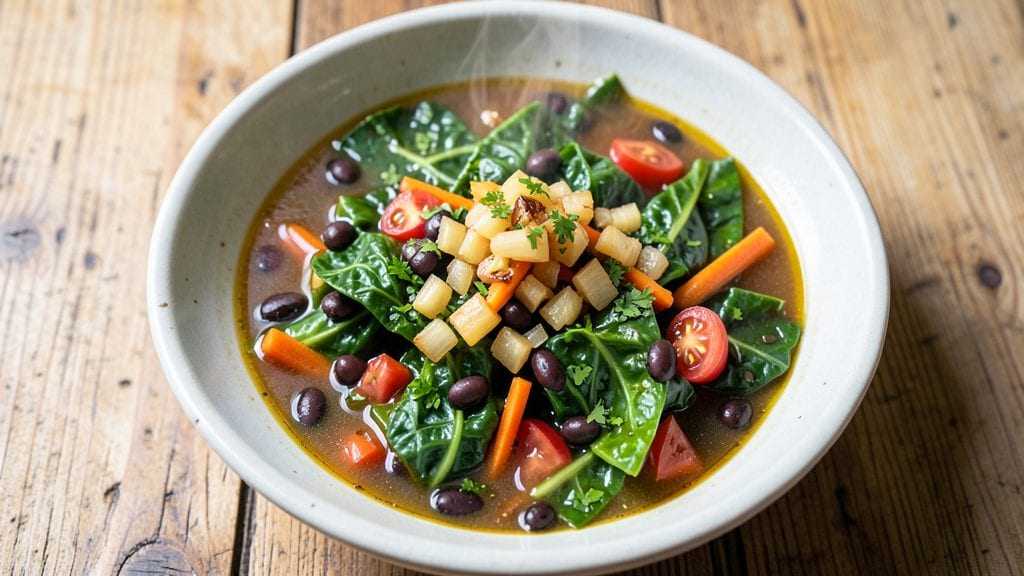
The American Heart Association's cabbage soup recipe delivers heart-healthy comfort without sacrificing flavor. This low-sodium, vegetarian version focuses on fiber-rich vegetables like cabbage, carrots, and tomatoes to support blood pressure and cholesterol levels.
The secret lies in using minimal broth and lean proteins—black beans or optional egg whites—to create a satisfying, nutrient-packed bowl.
What sets this recipe apart is its simplicity and health benefits. With just 30 minutes of active cooking time and 5 key ingredients, you’ll have a soup that’s gentle on the heart while still delivering bold, comforting flavors.
The cabbage softens beautifully, the carrots caramelize slightly, and the tomatoes add a bright, tangy contrast—all without excess sodium or fat.
By the end, you’ll have a steaming bowl of vibrant, low-sodium cabbage soup that’s rich in fiber, vitamins, and plant-based protein. It’s the kind of meal that feels indulgent yet aligns perfectly with heart-healthy guidelines.
Perfect for meal prep or a light yet satisfying dinner, this recipe proves comfort food can be nourishing too.
Serve with a sprinkle of fresh parsley and a side of whole-grain bread for added texture. Let’s make this heart-smart soup today—your taste buds and your heart will thank you.
Ingredients for american heart association cabbage soup
Five core ingredients, bold flavors, and heart-smart nutrition—no complicated steps.
| Ingredient | Amount | Notes |
|---|---|---|
| Green Cabbage 🥬 | 4 cups | Shredded, core removed |
| Carrots 🥕 | 2 medium | Peeled, sliced into rounds |
| Yellow Onion 🧅 | 1 whole | Diced, medium size |
| Canned Black Beans 🫘 | 1 can | Drained, rinsed, no salt added |
| Canned Diced Tomatoes 🍅 | 1 can | No salt added, undrained |
| Low-Sodium Vegetable Broth 💧 | 2 cups | Homemade or store-bought |
| Fresh Parsley 🌿 | ¼ cup | Chopped, for garnish |
| Garlic Cloves 🧄 | 3 cloves | Minced, fresh preferred |
| Bay Leaves 🌿 | 2 whole | Dried, for flavor depth |
| Apple Cider Vinegar 🍎 | 1 tbsp | For brightness |
| Black Pepper 🌶️ | ½ tsp | Freshly ground |
| Whole-Grain Bread 🍞 | 4 slices | For serving |
The cabbage is the star here, so grab the freshest head you can find—Trader Joe's or Whole Foods usually have the crispest. Look for vibrant green leaves with no yellowing or wilted spots. The carrots can be baby carrots if you're short on time, but the flavor is better with full-sized ones. For the black beans, no-salt-added is a must—check the label, as some brands sneak in extra sodium. The diced tomatoes? San Marzano if you're feeling fancy, but any no-salt-added canned tomatoes work. Store your cabbage in the fridge for up to 1 week—it keeps best in a cool, dark place.
No fresh parsley? Dried parsley at one-third the amount works in a pinch, though it won’t be as bright. Short on black beans? Swap in lentils or chickpeas for a different texture. The vegetable broth can be homemade (just simmer veggie scraps with water), but low-sodium store-bought is fine too—avoid anything with added salt or preservatives. Want extra depth? Add a pinch of smoked paprika or a dash of hot sauce. The apple cider vinegar is key for that tangy kick—substitute lemon juice if you're out, but vinegar’s acidity helps tenderize the cabbage better.
This soup reheats beautifully—just add a splash of water or broth if it thickens up. Keeps in the fridge for 4-5 days or freezes for 3 months (portion into containers first). The bread pairs perfectly—whole-grain sourdough or rye both work. For meal prep, double the recipe and freeze half. When reheating, stir in a splash of water if it’s too thick—it’ll come together again. Leftovers taste even better the next day as the flavors meld.
Why You'll Love This Recipe
- Here’s what sold me: that velvety texture from the blended tomatoes and beans, but zero heavy cream or cheese. The cabbage stays crisp, the carrots melt just enough to sweeten the broth, and the beans add this surprising richness. It’s the kind of heart-healthy that doesn’t taste like it’s missing anything.
- I’ll be real: this recipe saved me during college. A single onion, a few carrots, a head of cabbage, and two cans of beans stretch to feed four people for under $5. And because it’s so filling, you won’t find anyone complaining about the portion size. It’s the ultimate "more bang for your buck" dish.
Step-by-step instructions for lightened-up cabbage soup
This heart-healthy version keeps all the comforting flavors while cutting unnecessary sodium and fat.
Sauté the Aromatic Base
Heat a large pot over medium heat and add the 1 whole yellow onion, sliced into small dice. Cook for 5 minutes until the onion becomes translucent and just begins to soften. Add the 3 cloves garlic cloves, minced, and cook for another 30 seconds until fragrant—this prevents the garlic from burning.
Next, stir in the 2 medium carrots, sliced into rounds. Cook for 4 minutes until the carrots begin to soften slightly around the edges. Here's the thing—don't rush this step. Properly sautéing the vegetables develops their natural sweetness and forms the flavor foundation for the entire soup. If the vegetables start to stick, add 1 tablespoon of the low-sodium vegetable broth to deglaze the pot.
Build the Vegetable and Bean Foundation
Add the 4 cups green cabbage, shredded with the core removed, to the pot. Stir everything together and cook for 3 minutes until the cabbage begins to wilt. This is where you'll start seeing the colors meld together beautifully—deep greens from the cabbage, orange from the carrots, and golden tones from the onions.
Pour in the 1 can canned diced tomatoes (undrained) and the 2 cups low-sodium vegetable broth. Stir well to combine, then add the 1 can canned black beans, drained and rinsed. Bring the mixture to a gentle boil, then reduce heat to medium-low. Let it simmer uncovered for 15 minutes, stirring occasionally. You'll notice the cabbage softening and the flavors deepening—this is when the soup starts to come together.
Season and Simmer to Perfection
Add the 2 whole bay leaves, 1 tablespoon apple cider vinegar, and 0.5 teaspoon black pepper to the simmering soup. The vinegar adds brightness that cuts through the richness of the beans and tomatoes, while the bay leaves provide subtle earthy depth. Stir everything together and let the soup continue simmering for another 10 minutes—this allows all the flavors to meld completely.
Here's the moment that matters: Taste the soup and adjust seasoning if needed. Since we're using low-sodium ingredients, you might want to add a pinch more black pepper or a splash of vinegar for extra brightness. The soup should be flavorful but not overwhelming—comforting without being heavy. If the soup is too thick, add 1/4 cup more of the low-sodium vegetable broth to reach your desired consistency.
Finish and Serve with Crusty Bread
Remove the pot from heat and stir in the 0.25 cup fresh parsley, chopped. This final garnish adds freshness and a pop of color that makes the soup look as good as it tastes. Let the soup sit off the heat for 5 minutes to allow the flavors to settle.
Ladle the soup into bowls and serve immediately with 4 slices whole-grain bread on the side. The bread provides a satisfying texture contrast to the soft vegetables and beans. This soup is perfect for chilly days—warm, comforting, and packed with nutrients without the excess sodium. Don't skip the bread; it's the perfect companion to soak up every last bit of flavorful broth.
Pro Tips For Making American Heart Association Cabbage Soup
- CHOP CABBAGE SMALL: I learned this the hard way—big chunks turn into a sad, uneven mush. Aim for ¼-inch slices or shred it like coleslaw. The soup needs to cook fast, and tiny pieces soften evenly without turning to glue.
- SWEAT ONIONS LOW: After burning three batches, I finally figured out: medium-low heat is your friend. Onions caramelize best when they’re slow-cooked, not rushed. Skip the high flame—it burns before it sweetens.
- DRAIN BEANS WELL: Sounds weird, but it works: rinse and drain canned black beans before adding them. The extra liquid dilutes the soup and makes it watery. A quick strain saves flavor and texture.
- SIMMER DON’T BOIL: This isn’t the prettiest method, but it’s the tastiest. Keep the heat at a gentle simmer (tiny bubbles, not rolling) so the cabbage softens without falling apart. High heat turns it into a sad, mushy stew.
Storing and reheating this american heart association cabbage soup
Refrigerator Storage
Transfer your cabbage soup to airtight glass containers within 2 hours of cooking to preserve freshness. Store at 40°F or below for up to 4-5 days—the flavors actually deepen overnight as the vegetables meld.
I use Pyrex storage containers because they’re non-reactive and let me see the vibrant colors. Always leave ½-inch headspace to prevent condensation buildup, which can dilute flavors. 🌿
Freezer-Friendly Tips
Freeze this soup in single-serving portions (about 1.5 cups per container) for easy reheating. Use quart-sized freezer bags with ziplock seals—they’re space-efficient and prevent freezer burn. Label each bag with the date and freeze for up to 3 months.
For best texture, thaw overnight in the fridge before reheating. Avoid refreezing thawed soup to maintain quality. ❄️
Stovetop Reheating
Reheat soup on the stovetop for the best texture. Pour into a pot over medium-low heat and add 2-3 tablespoons of water or low-sodium broth if needed to loosen the consistency. Stir frequently to prevent scorching—this soup reheats in 5-7 minutes.
Taste and adjust seasoning; you might need a pinch of black pepper or a splash of apple cider vinegar to brighten flavors. Keep the heat low to avoid breaking down the cabbage’s texture. 🔥
Microwave Method
For quick reheating, transfer soup to a microwave-safe bowl and cover loosely with a microwave-safe lid. Heat on medium power (50%) for 2-3 minutes, stirring halfway. If the soup seems too thick after reheating, add 1-2 tablespoons of broth and stir.
Avoid overcooking—microwaving can make cabbage mushy if heated too long. This method works best for 1-2 servings at a time. ⚡
Garnish Refresh
Always add fresh garnishes after reheating to restore brightness. Sprinkle with chopped parsley and a drizzle of apple cider vinegar (just ½ teaspoon) to revive flavors. For extra crunch, top with toasted whole-grain bread croutons or a sprinkle of nutritional yeast (for a cheesy note without dairy).
These finishing touches make reheated soup taste almost as good as fresh! 💫
Meal Prep Strategy
Double the recipe and freeze half for weeknight convenience. Store the other half in the fridge for 3-4 days—perfect for lunches or quick dinners. When reheating, I like to portion the soup into thermos containers for office lunches; they keep it warm for 4-6 hours.
The key to meal prep success? Always reheat to 165°F to ensure safety and maintain the best texture. 📅
Nutrition facts
Frequently asked questions
Can I substitute regular canned tomatoes for no-salt-added?
While you can use regular canned tomatoes, you'll need to rinse them thoroughly to remove excess sodium. For every can, drain and rinse under cold water for 30 seconds to reduce sodium content by about 30-40%. However, no-salt-added tomatoes are ideal—they preserve the recipe's heart-healthy benefits without compromising flavor.
How can I make this soup more filling without adding calories?
Add ½ cup cooked quinoa or ½ cup additional beans (like chickpeas) per serving for extra protein and fiber. You can also stir in 1 cup chopped kale or spinach at the end for added nutrients. These swaps keep the soup light while making it more satisfying.
Why does my cabbage soup turn out watery?
Watery soup usually happens when using too much broth or not letting the vegetables cook long enough to release their natural moisture. Simmer uncovered for the full 25 minutes to allow excess liquid to evaporate. If needed, remove the pot from heat and let it sit for 5 minutes before serving—this often thickens the soup naturally.
Is this soup suitable for a low-carb diet?
This recipe isn't ideal for strict low-carb diets due to the beans, tomatoes, and whole-grain bread. However, you can modify it by reducing the beans to ¼ cup per serving and omitting the bread. For extra low-carb options, add 1 cup chopped zucchini or cauliflower florets to bulk up the soup with fewer carbs.
Can I make this soup in an Instant Pot?
Yes! Sauté the onions, garlic, and carrots in the Instant Pot on "Sauté" mode for 5 minutes. Add all remaining ingredients (including broth) and cook on "High Pressure" for 8 minutes. Let the pressure release naturally for 10 minutes, then stir in parsley. The Instant Pot version cooks 20 minutes faster than stovetop!