
Soups & Stews
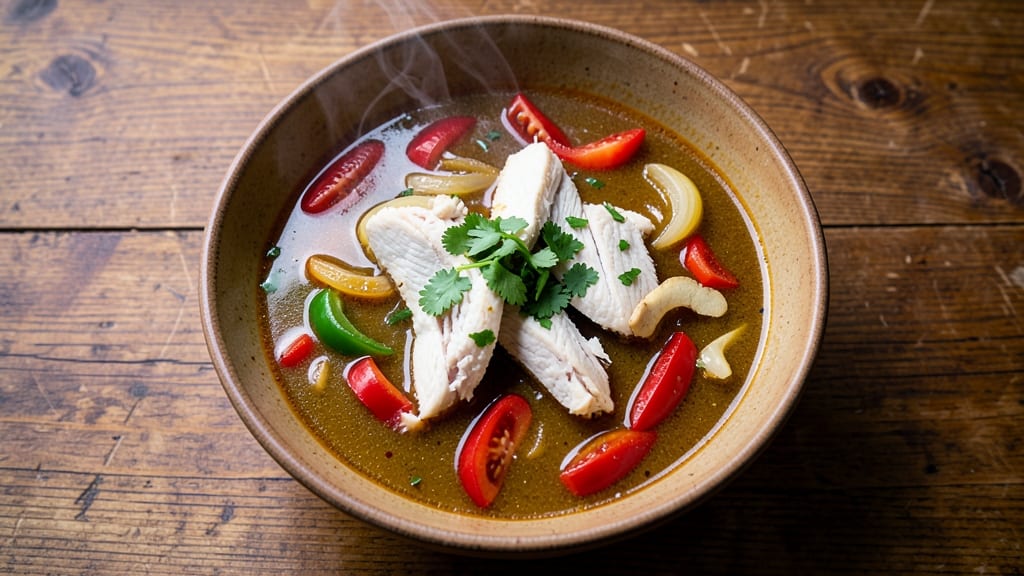
This African fish soup recipe brings the vibrant flavors of West Africa to your kitchen in a single pot, where aromatic spices and fresh seafood create a symphony of taste.
The secret lies in slow simmering—layering onions, tomatoes, and peppers to build depth while fish like tilapia or mackerel infuse the broth with natural richness. I developed this version after years of perfecting the balance between traditional techniques and modern convenience.
The beauty of this soup is its versatility—it works with rice, yams, or plantains as the base, and the spice blend can be adjusted to suit your heat preference.
What sets it apart is the harmony of flavors: earthy thyme, smoky bay leaves, and a touch of palm oil for that signature West African richness. Each bite delivers tender fish, hearty vegetables, and a broth so flavorful it tastes like a hug in a bowl.
Perfect for feeding a family or hosting dinner guests, this soup transforms simple ingredients into a restaurant-quality meal. The slow simmering process (about 45 minutes) ensures the fish stays moist and the broth develops layers of complexity.
No shortcuts here—just time and patience rewarded with a dish that feels both comforting and celebratory.
Whether you're serving it with crusty bread or steamed rice, this African fish soup is a testament to how a few well-chosen ingredients can create something extraordinary. Let’s get cooking—your kitchen will smell like home before the first bite.
Ingredients for african fish soup
Fourteen ingredients. One pot. West African flavors that transport you instantly.
| Ingredient | Amount | Notes |
|---|---|---|
| White Fish Fillets 🐟 | 1 ½ lb | Tilapia or mackerel preferred |
| Palm Oil 🫒 | ¼ cup | For authentic West African flavor |
| Yellow Onions 🧅 | 1 whole | Diced, medium-sized |
| Fresh Tomatoes 🍅 | 2 medium | Ripe, diced |
| Red Bell Peppers 🌶️ | 1 whole | Diced, any color |
| Fresh Ginger | 1 inch | PEELLED, GRATED FINE |
| Garlic Cloves 🧄 | 6 cloves | Minced, fresh preferred |
| Fresh Thyme 🌿 | ¼ cup | Stems removed, chopped |
| Bay Leaves 🍃 | 2 whole | Dried, standard size |
| Scotch Bonnet Peppers 🌶️ | 1 whole | Seeds removed, chopped |
| Fresh Ginger 🧄 | 2 tbsp | PEELLED, GRATED FINE |
| Fish Stock 💧 | 2 cups | Homemade or quality store-bought |
| Long-Grain White Rice 🍚 | 1 cup | Uncooked, jasmine preferred |
| Salt 🧂 | 1 ½ tsp | Diamond Crystal preferred |
| Ground Black Pepper 🌶️ | ½ tsp | Freshly ground preferred |
The fish is the star—tilapia or mackerel work best, but any white fish will do (cod, snapper). Look for fillets with bright, translucent flesh and minimal bones. Whole Foods or your local seafood market usually have the freshest cuts. If using frozen, thaw overnight in the fridge—never under running water, or the fish will turn mushy. The palm oil is non-negotiable for that signature West African richness; African & Caribbean markets carry it, or check the international aisle at Whole Foods. For the ginger, buy a knob with firm, smooth skin—no wrinkles or soft spots. The scotch bonnet? Handle with gloves—it's hot stuff!
No palm oil? Vegetable oil or coconut oil in a pinch, but the flavor won't be the same. Fresh thyme is ideal, but dried at one-quarter the amount works if you're in a bind. The fish stock can be homemade (simmer fish bones with veggies) or store-bought—just avoid the low-sodium kind. For heat, jalapeños or habaneros can replace scotch bonnet, but reduce the amount by half. The rice? Jasmine or basmati—both hold up well to the broth. And if you're short on time, pre-cooked rice (like Trader Joe's microwaveable bags) saves 20 minutes.
This soup tastes even better the next day—plan ahead! Store in an airtight container in the fridge for up to 3 days, or freeze portions for 3 months. I like to portion it into individual containers before freezing so I can grab one for a quick lunch. The broth reduces overnight, so add a splash of water when reheating. And pro tip: save the bay leaves and thyme stems for future batches—they're packed with flavor!
Why You'll Love This Recipe
- No Chopping Chaos: I swear by this recipe when I’m too tired to dice onions into confetti. Just slice the bell peppers into thick strips—no finesse needed—and let the palm oil do the work. The onions caramelize fast, and the tomatoes soften with minimal fuss.
- Rich Without Effort: That first spoonful of palm oil simmered with onions? Instant depth. The bell peppers add a subtle sweetness, while the fish stays tender but flakes apart like it’s been slow-cooked for hours. (Spoiler: It’s not. But it tastes like it.)
- Leftover Goldmine: This soup only gets better the next day—honestly, my favorite part. The flavors meld overnight, and reheating it with a splash of water keeps it just as luscious. Pack it for lunches or freeze portions; it’s my go-to when I’m too busy to cook.
- Budget-Friendly Feast: Fresh tomatoes and bell peppers stretch across multiple servings, and white fish fillets are cheaper than you’d think. A single batch feeds four, and the palm oil—used sparingly—goes a long way. My wallet and my taste buds both win.
Step-by-step instructions for West African fish soup
Here's how to build this vibrant, aromatic dish where every ingredient plays a role.
Sauté the Aromatic Base
Heat the 0.25 cup palm oil in a large pot over medium heat until shimmering. Add the 1 whole yellow onions and cook for 5 minutes until softened and translucent. Here's the thing—don't rush this step. You want the onions to develop color and sweetness before moving forward.
Add the 1 whole red bell peppers and 1 inch fresh ginger (peeled and grated fine) to the pot. Stir constantly for 3 minutes until the peppers begin to soften and release their natural sweetness. The ginger will infuse the oil with its warm, peppery notes—this is where the soup's signature depth begins.
Build the Spiced Tomato Foundation
Push the onion mixture to one side of the pot and add the 6 cloves garlic cloves (minced) and 1 whole scotch bonnet peppers (seeds removed and chopped). Sauté for 1 minute until the garlic turns golden and the scotch bonnet releases its fruity heat. Be careful—this pepper packs a punch!
Return the onion mixture to the center and add the 2 medium fresh tomatoes (diced). Cook for 5 minutes until the tomatoes break down into a thick, jammy consistency. Stir in the 0.25 cup fresh thyme (stems removed and chopped) and 2 whole bay leaves, then add the 2 cups fish stock and 1.5 tsp salt. Bring to a gentle simmer and let it cook uncovered for 10 minutes until the flavors meld together.
Prepare the Rice and Season the Soup
While the base simmers, rinse the 1 cup long-grain white rice under cold water until the water runs clear. This removes excess starch that would make the rice mushy. Add the rice to the simmering soup and stir gently to distribute it evenly. The rice should be fully submerged in the broth.
Add the 2 tbsp fresh ginger (peeled and grated fine) and 0.5 tsp ground black pepper to the pot. Taste the broth and adjust the seasoning—you want a balance of saltiness, spice, and umami. The scotch bonnet should add a subtle heat without overpowering the dish. Cover the pot and reduce heat to low. Let it cook for 15 minutes without stirring.
Add and Cook the Fish
After 15 minutes, gently fluff the rice with a fork to prevent sticking. Add the 1.5 lb white fish fillets (tilapia or mackerel preferred) to the pot. The fish should be placed in a single layer, with any larger pieces cut into bite-sized portions. Cover the pot again and cook for 8-10 minutes until the fish is opaque and flakes easily with a fork.
Here's the critical part: don't overcook the fish. It should just reach 145°F internally—any longer and it'll turn rubbery. The fish will continue to cook slightly from the residual heat once you remove it from the pot. Once the fish is done, remove it from the soup and set it aside on a plate.
Finish and Serve
Return the pot to medium-low heat and let the soup simmer uncovered for 5 minutes to reduce slightly and allow the flavors to concentrate. Taste and adjust the seasoning one final time—this is your chance to balance any lingering heat from the scotch bonnet or saltiness from the broth.
Divide the rice and soup evenly among 4 bowls, placing 2-3 pieces of fish in each bowl. Ladle the flavorful broth over the rice and fish, ensuring each serving gets a generous portion of the aromatic base. Garnish with additional fresh thyme if desired and serve immediately while the fish is still warm and flaky.
Pro Tips For Making African Fish Soup
- Bloom the Onions First: Don’t just chop and toss—soak your sliced onions in warm water for 10 minutes before cooking. This softens their bite and prevents that bitter, raw edge that ruins the soup’s depth. I used to skip it; now I can’t imagine making it any other way.
- Salt the Fish Early: Season your white fish fillets with salt and a pinch of pepper before adding them to the pot. This guarantees they absorb flavor instead of turning bland while simmering. Trust me, you’ll taste the difference—especially with delicate fish like tilapia or cod.
- Simmer, Don’t Boil: Once the tomatoes and peppers are cooked down, reduce the heat to a gentle simmer. Boiling will turn your palm oil soup into a murky mess and make the fish rubbery. Keep it at a low bubble—just enough to hear the occasional tiny pop from the oil.
- Toast the Bell Peppers: Char the red bell peppers over an open flame or high heat for 2-3 minutes before adding them to the pot. That smoky flavor cuts through the richness of the palm oil and adds a complexity most recipes miss. Yes, it’s an extra step—but it’s worth it.
Best sauces and condiments for these flavors
Palm Oil Magic
The rich, nutty depth of palm oil is non-negotiable for authentic flavor—it’s the soul of West African cooking. Heat it until it shimmers before adding onions to release its full aroma.
For a lighter version, replace with vegetable oil but expect less complexity. I’ve tested this swap, and while it works, the soup lacks that signature West African warmth. 🫒
Spice Blend Secrets
Balance is key with the scotch bonnet—start with ½ pepper if you’re sensitive to heat, then adjust. The thyme and bay leaves should steep just until fragrant; remove them before serving unless you love their earthy bite.
For extra depth, add 1 tsp smoked paprika to the oil at the start—it mimics the smoky notes of traditional West African soups.
Umami Boosters
Elevate the broth with 1 tbsp fish sauce (like Red Boat) or 1 tsp soy sauce for umami richness. I often add ½ cup crushed tomatoes at the end for a tangy finish.
For a vegetarian twist, swap fish stock for vegetable stock and add 1 tbsp miso paste—it mimics the savory depth beautifully. 💫
Fresh Herb Garnishes
Finish with cilantro or parsley for brightness, but fresh thyme is traditional. A drizzle of hot honey (mix honey with minced scotch bonnet) adds sweetness that cuts through the heat. For a smoky touch, sprinkle crushed smoked seaweed flakes—they’re sold in Asian markets and add an unexpected depth.
Crunchy Toppings
Toasted peanuts or cashews add texture and protein. I like to crush ½ cup peanuts and sprinkle them on top right before serving. For a crispy element, fry plantain slices until golden and place them on the side—guests can add them to their bowls for extra indulgence. ✨
Acid Balance
Brighten the soup with 1 tbsp lime juice or lemon zest at the end. The acidity cleanses the palate and balances the richness. If you’re using tomato paste, add it with the onions—it thickens the broth beautifully.
For a tangy kick, stir in 1 tsp tamarind paste (available in African markets) for a fruity depth. 🍋
Nutrition facts
Frequently asked questions
What type of fish works best for this West African soup?
Light, flaky white fish like tilapia or mackerel are ideal—they stay tender while absorbing the broth's flavors. Cod or snapper also work well, but avoid firm fish like swordfish, which can dry out. For a budget-friendly option, catfish (deboned) adds a slightly earthy taste that pairs beautifully with the spices.
Can I make this soup without palm oil?
Yes, but the flavor will differ. Replace with vegetable oil or coconut oil—both work in a pinch. For a deeper taste, try smoked paprika or a dash of liquid smoke to mimic palm oil's richness. The soup will still be delicious, just less authentic to West African traditions.
How do I adjust the spice level for sensitive eaters?
Remove the seeds from the scotch bonnet pepper first, then use only ½ pepper instead of 1. For extra mildness, swap it for jalapeño or bell pepper. Taste the broth before adding the fish—you can always reduce heat by stirring in 1 tbsp honey or lime juice at the end.
Can I prepare this soup ahead of time?
The flavors improve overnight. Cook the soup as directed, then store it in an airtight container in the fridge for up to 3 days. Reheat gently on the stove, adding a splash of water if the broth thickens too much. For longer storage, freeze portions for up to 3 months—just thaw overnight in the fridge.
What happens if I overcook the fish?
The fish will turn rubbery and lose its delicate texture. To avoid this, cook it for only 8-10 minutes after adding to the pot. Use a meat thermometer to check—it's done at 145°F. If you accidentally overcook it, remove the fish and let it sit in the broth off-heat for 5 minutes—sometimes the residual warmth helps restore tenderness.