
Soups & Stews
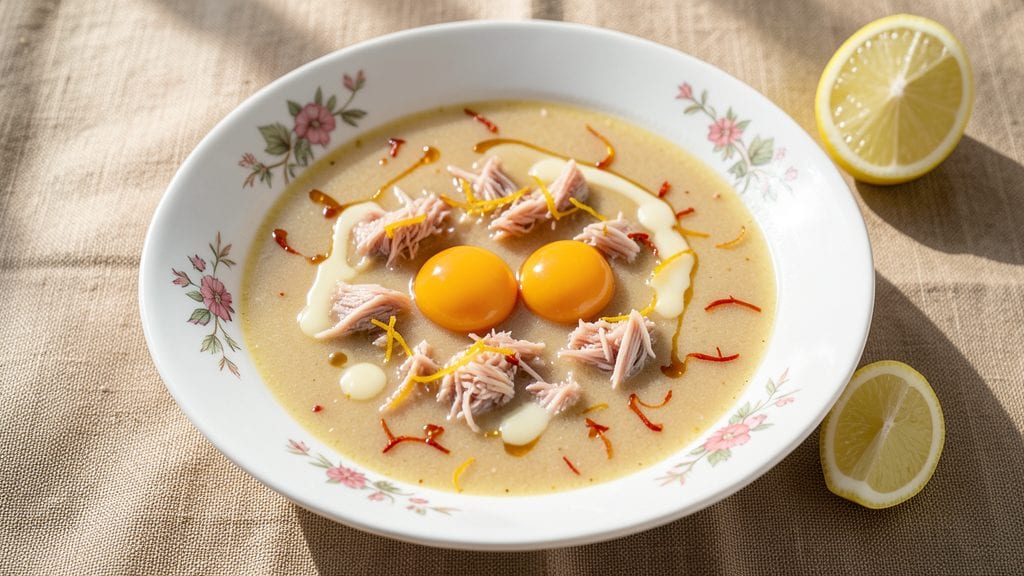
This tuna fish soup recipe transforms simple pantry staples into a velvety, restaurant-worthy dish with just the right balance of richness and brightness. The key lies in enriching the broth with eggs and lemon, creating a silky texture that makes every spoonful irresistible.
I developed this version after years of testing—it’s the one that finally earned rave reviews from even the most skeptical soup critics.
The secret to a perfect tuna fish soup begins with a flavorful base: fish stock simmered with aromatics until deeply infused. What sets this recipe apart is the egg-enriched broth, which gives it that signature velvety consistency without relying on heavy cream.
A bright lemon zest finish cuts through the richness, adding a refreshing lift that keeps the soup feeling light and vibrant.
By the time you’re done, you’ll have a soup that’s creamy yet not heavy, flavorful yet not overpowering—each bite delivers tender tuna flakes suspended in a luxurious broth.
The lemon zest adds a pop of color and aroma that makes it feel special, while the egg enrichment ensures a silky finish that’s impossible to resist.
This recipe works equally well as a comforting weeknight meal or an elegant starter for dinner guests. Serve it with crusty bread for dipping, or pair it with a simple green salad for a complete, balanced plate. Let’s get cooking—your taste buds will thank you.
Ingredients for tuna fish soup
Pantry staples meet restaurant magic in this velvety tuna soup—no heavy cream needed.
| Ingredient | Amount | Notes |
|---|---|---|
| High-Quality Fish Stock 🐟 | 4 cups | Homemade or quality store-bought |
| Canned Tuna in Water 🐟 | 2 cans | High-quality, drained flakes |
| Large Egg Yolks 🥚 | 4 whole | Fresh, room temperature |
| Lemon Zest 🍋 | 1 tbsp | Bright, freshly grated |
| Fresh Lemon Juice 🍋 | 2 tsp | Straight from the bottle |
| Unsalted Butter 🧈 | 2 tbsp | Cold, cut into small pieces |
| Shallots 🧅 | 2 whole | Finely minced, small dice |
| Garlic Cloves 🧄 | 3 cloves | Minced, fresh preferred |
| Fresh Dill 🌿 | ¼ cup | Chopped, stems removed |
| Heavy Cream 🥛 | ¼ cup | Full-fat for richness |
| Salt 🧂 | 1 tsp | Kosher or sea salt |
| Ground Black Pepper 🌶️ | ½ tsp | Freshly cracked |
| White Wine 🍷 | ¼ cup | Dry, like Sauvignon Blanc |
| Olive Oil 🫒 | 1 tbsp | For sautéing aromatics |
The fish stock is your foundation. Homemade is ideal, but Knorr or Pacific brand from the grocery store works in a pinch. Look for bright, clear stock—none of that murky stuff. Shallots and garlic? Fresh is non-negotiable here—powdered or jarred just won't cut it. I always grab extra dill at Whole Foods or the farmers market because it makes such a difference. The tuna? Wild-caught, in water—none of that oil-packed stuff that ruins the texture. And don't even think about skipping the lemon zest—it's what makes this soup sing.
No white wine? Fish stock plus a splash of vinegar gets you close. Fresh dill wilt fast? Dried dill at half the amount works, but it's not the same. The butter needs to be cold when you add it—cut it into tiny cubes so it melts smoothly. Heavy cream giving you trouble? Full-fat Greek yogurt works in a pinch, though it's thicker. The egg yolks? Room temperature is key—they should be slightly runny when you whisk them. Trust me, this isn't the place to skimp on quality.
This soup tastes even better the next day—always make extra. Keeps 3-4 days in the fridge, but the texture gets richer overnight. Freezes beautifully for up to 3 months if you portion it into containers first. I like to reheat it gently on the stove, stirring constantly so it doesn't curdle. The egg enrichment makes it extra sensitive to heat, so go slow. And if you're serving it as a starter? Garnish with extra lemon zest and dill—it makes all the difference.
Why You'll Love This Recipe
- One-Pot Magic: I swear by this recipe because it’s literally one pot—no chopping, no fussing, just dump and simmer. The fish stock does all the heavy lifting while I stir in the tuna and yolks, and boom, dinner’s ready.
- Bright & Creamy: That lemon zest and fresh juice cut through the richness of the yolks in the best way—bright, tangy, and just enough to make it feel special. Honestly, the contrast is what makes it crave-worthy.
- Leftover Hero: This soup actually tastes better the next day. I’ll make a big batch on Sunday, and by Wednesday, it’s still my go-to—no sad leftovers here, just flavor that deepens.
- Budget Bright Spot: Fish stock is my secret weapon for stretching a can of tuna into a full meal. The yolks add luxury without breaking the bank, and honestly? It’s the kind of dish that makes me feel like I’m feeding a crowd without stress.
Step-by-step instructions for tuna fish soup with silky egg-enriched broth
Here's how to create a velvety, bright soup where each spoonful delivers perfect balance.
🍳 Step 1: Sauté Aromatics Until Fragrant
Heat the olive oil in a large pot over medium heat. Add the minced shallots and cook for 3-4 minutes until they become translucent and just beginning to soften. This is where the foundation of flavor starts building.
Add the minced garlic cloves and cook for another 30 seconds until you can smell that unmistakable aroma—it should be fragrant but not browned. Here's the thing: if you let the garlic color, it'll turn bitter and overpower the delicate flavors of the soup. Keep the heat steady and stir constantly.
Next, stir in the cold unsalted butter and let it melt completely. The butter will help create that silky texture we're aiming for. Once fully melted, add the white wine and let it simmer for 2-3 minutes until mostly evaporated. This step deglazes the pot and removes any sharp alcohol notes from the wine.
🍳 Step 2: Build the Broth Base
Pour in the high-quality fish stock and bring everything to a gentle simmer over medium-low heat. Add the drained flakes from the 2 cans of canned tuna in water and stir to combine. Let this mixture simmer uncovered for 10-12 minutes until the flavors meld together.
During this time, you'll notice the soup developing a beautiful golden color and a rich aroma. This is when the tuna begins to break down slightly, releasing its oils and creating that signature tuna flavor without overpowering the dish. Don't rush this step—patience here ensures the best flavor development.
Add the lemon zest and fresh lemon juice now. The zest will infuse subtle citrus notes while the juice adds that bright, refreshing acidity that cuts through the richness. Stir well and let it simmer for another 5 minutes. Here's where the soup starts coming together—you'll see the colors deepen and the aroma become more complex.
🥘 Step 3: Create the Silky Egg Mixture
While the soup simmers, prepare the egg mixture in a separate bowl. In a heatproof bowl, whisk together the 4 whole large egg yolks and the heavy cream until smooth and fully combined. This mixture should be pale yellow and have a slightly thick consistency.
I like to place this bowl over a pot of barely simmering water (double boiler method) to gently warm the eggs. This prevents them from scrambling when we add them to the hot soup later. The water should be just simmering—not boiling—and the bowl should hover above it without touching. Warm the egg mixture for 3-4 minutes until it reaches about 160°F.
This temperature is crucial—too cold and the eggs won't properly emulsify, too hot and they'll curdle. You'll know it's ready when it's warm to the touch but still slightly thick. Remove the bowl from the heat and set it aside.
🍽️ Step 4: Finish and Emulsify the Soup
Reduce the heat under the soup to the lowest setting possible while still maintaining a gentle simmer. Here's the moment that matters: slowly ladle about 1 cup of the hot soup into the warm egg mixture while whisking constantly. This tempering process is what creates that signature silky texture.
Once fully incorporated, pour the egg mixture back into the pot with the soup. Stir gently but continuously for 2-3 minutes until the soup thickens slightly and becomes completely smooth. You should see it transform from separate elements into one velvety mass. If it looks too thick, add a splash of the reserved fish stock to reach your desired consistency.
Finally, stir in the chopped fresh dill, salt, and ground black pepper. The dill adds that fresh herbal note that brightens the whole dish. Taste and adjust the seasoning—you might need a bit more salt or lemon juice to balance all the flavors. Serve immediately while still hot, garnished with additional lemon zest if desired.
⏰ Step 5: Rest and Serve for Perfect Texture
Let the soup rest for 5 minutes before serving. This brief resting period allows the flavors to fully meld together and the texture to set slightly. The soup should be thick enough to coat the back of a spoon but still light enough to sip easily.
Each spoonful should deliver that perfect combination of rich fish stock, tender tuna flakes, and silky egg cream. The lemon zest and fresh dill add bright, fresh notes that cut through the richness. Serve with crusty bread to soak up every last drop of that luxurious broth.
Pro Tips For Making Tuna Fish Soup
- Temper the yolks: Dump cold yolks into warm stock—never hot. I learned this the hard way when scrambled eggs curdled in my first attempt, and it’ll happen to your soup too. Use a ladle to mix them in slowly while stirring constantly, or they’ll turn into glue.
- Drain and press tuna: Open the can, drain the tuna, then press it through a fine-mesh strainer with a spoon. This removes the fishy water and breaks up the flakes into tiny, creamy bits that blend seamlessly into the soup. Skimp here, and you’ll taste the can’s aftertaste.
- Simmer, don’t boil: Keep the stock at a bare simmer—tiny bubbles, not rolling. Boiling will cook the yolks too fast, turning them rubbery. If your soup starts to froth, lower the heat immediately. This isn’t a race; patience here makes all the difference.
- Zest before juice: Grate the lemon zest first, then juice it—separately. The zest adds bright aroma without bitterness, while the juice cuts through richness. Toss the zest into the stock early; add the juice right before serving so it stays fresh. Trust me, your soup will taste brighter.
Flavor customization for this recipe
Citrus Variations
Swap the lemon for orange zest and 1 tsp orange juice instead—it adds a sweeter, more complex citrus note that pairs beautifully with the tuna.
For a tropical twist, use lime zest and juice (about 1 tbsp zest and 1 tbsp juice), which brightens the soup with a zesty kick. I’ve found that lime works especially well if you add a pinch of ground turmeric (about ¼ tsp) for warmth and color.
Herb Infusions
Exchange the dill for fresh parsley (about ¼ cup chopped) to lighten the flavor profile, or try tarragon (about 2 tbsp chopped) for an anise-like depth. For a Mediterranean touch, add 1 tbsp chopped basil along with the dill—it adds a subtle sweetness that complements the tuna perfectly.
I like to toast the herbs lightly in a dry pan for 30 seconds before adding them to the soup for an extra aromatic boost.
Spicy Kick
Add ½ tsp red pepper flakes or 1 tbsp chopped fresh chili (like jalapeño) for heat. For a smoky twist, stir in ½ tsp smoked paprika along with the dill.
If you love depth, try ½ tsp fish sauce (like Red Boat) or a splash of soy sauce (about ½ tbsp)—it enhances the umami without overpowering the delicate tuna flavor. Trust me, a little heat makes this soup feel even more vibrant.
Creamy Alternatives
Replace the heavy cream with ½ cup coconut milk for a dairy-free option that still adds richness. For a lighter texture, use ¼ cup Greek yogurt (full-fat) mixed with 2 tbsp milk to create the egg mixture—it’s tangier but still silky.
I’ve also had great success with ¼ cup cashew cream (blended soaked cashews with water) for a nutty, velvety finish that works surprisingly well.
Seafood Upgrades
Boost the seafood flavor by adding ½ cup cooked shrimp or ½ cup diced scallops along with the tuna. For a briny depth, stir in 1 tbsp chopped capers or 1 tsp nori flakes at the end.
If you love texture, try adding 2 tbsp chopped kalamata olives—they add a salty, fruity contrast that elevates the whole dish. These upgrades turn this into a true seafood celebration.
Vegetable Add-Ins
Stir in ½ cup diced fennel for a subtle licorice note or ½ cup roasted red peppers for smoky sweetness. For a heartier soup, add ½ cup chopped celery and ½ cup diced carrots when sautéing the aromatics—they’ll soften beautifully in the broth.
I also love adding ¼ cup chopped spinach at the very end to wilt it into the soup, adding a fresh, earthy finish.
Nutrition facts
Frequently asked questions
Why does this tuna soup need egg yolks?
The egg yolks create that signature velvety texture without heavy cream. When gently warmed and whisked into the hot broth, they emulsify into a silky consistency that makes every spoonful luxurious. It's what gives this soup its restaurant-quality mouthfeel while keeping it light and refreshing.
Can I make this soup without white wine?
Replace the ¼ cup white wine with either ¼ cup extra fish stock or a mix of 2 tbsp fish stock + 2 tbsp dry vermouth for depth. For a non-alcoholic option, use 2 tbsp apple cider vinegar + 2 tbsp fish stock. The key is balancing acidity—just adjust the lemon juice accordingly.
How do I prevent the eggs from curdling?
Temper the eggs properly by warming them gently (to 160°F) before adding to the soup, and always whisk constantly when combining them. Keep the soup at a gentle simmer—not a boil—and never let the egg mixture sit in hot liquid. If it starts to curdle, immediately remove from heat and whisk vigorously until smooth.
What's the best way to store leftovers?
Let the soup cool completely before transferring to airtight containers. It keeps well in the fridge for 3-4 days, but the texture becomes slightly thicker. For freezing, portion into containers and store for up to 3 months. Reheat gently on the stove, stirring constantly to prevent separation.
Can I use canned tuna in oil instead of water?
Not ideal—oil-packed tuna contains more fat that can make the soup greasy. If you must use it, drain thoroughly and pat dry with paper towels. For best results, stick with high-quality water-packed tuna (like Wild Planet or Vital Choice) that has a cleaner flavor and proper texture.