
Soups & Stews
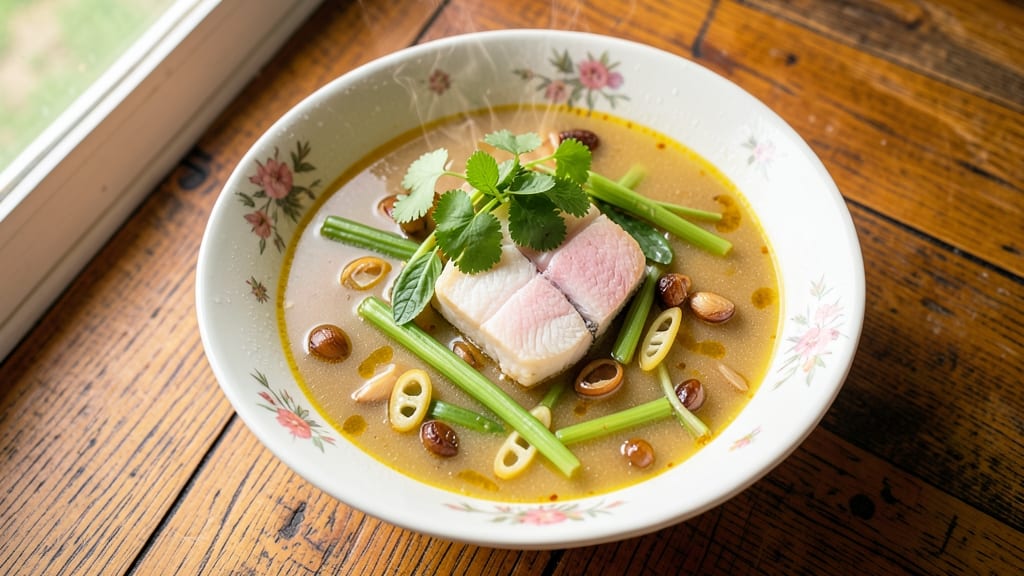
This Khmer soup recipe transforms simple ingredients into a fragrant, tender dish that captures the heart of Cambodian cuisine. The aromatic blend of lemongrass and galangal creates a broth so deeply flavorful, it lingers long after the last spoonful.
I first tasted this soup in a bustling Phnom Penh market, where the scent alone drew me in like a culinary magnet.
The secret lies in slow-simmering the broth with fresh herbs and spices until the flavors meld perfectly. Fish fillets cook just until they flake apart, absorbing the essence of the broth while remaining delicate.
This isn't just a soup—it's a celebration of texture and tradition, where every element plays its part.
What you'll achieve is a bowl of golden broth swimming with tender fish, fragrant herbs, and delicate rice noodles. The lemongrass infuses brightness while galangal adds earthy depth, creating a balance that's both comforting and sophisticated. Serve with fresh herbs on top for that final touch of freshness.
This recipe honors tradition while adapting to home kitchens—no special equipment required, just patience and attention to detail. Perfect for family dinners or special occasions, it's the kind of dish that turns ordinary meals into memorable experiences. Let's begin with the broth, where all the magic starts.
Ingredients for khmer soup
Transform simple ingredients into a fragrant Cambodian masterpiece with this aromatic lemongrass-galangal fish soup.
| Ingredient | Amount | Notes |
|---|---|---|
| White Fish Fillets 🐟 | 1 lb | Firm white fish like cod or snapper |
| Fresh Lemongrass Stalks 🌿 | 4 whole | Bruised for maximum aroma |
| Galangal Slices 🥕 | 3 pieces | Fresh galangal, peeled |
| Shallots 🧅 | 4 whole | Thinly sliced, not minced |
| Garlic Cloves 🧄 | 6 cloves | Smashed, not minced |
| Coconut Milk 🥥 | 1 can | Full-fat, 13.5 oz can |
| Fish Sauce 🍶 | 2 tbsp | Red Boat preferred |
| Lime Juice 🍋 | 2 tbsp | Freshly squeezed |
| Rice Noodles 🍜 | 8 oz | Fresh or dried, soaked |
| Fresh Thai Basil Leaves 🌿 | ½ cup | For garnish |
| Fresh Cilantro 🌿 | ¼ cup | Chopped, for garnish |
| Vegetable Oil 🫒 | 2 tbsp | Neutral high smoke point |
| Salt 🧂 | 1 tsp | Diamond Crystal preferred |
| Black Peppercorns 🌶️ | ½ tsp | Freshly cracked |
The galangal and lemongrass are non-negotiable for authentic flavor. Asian markets carry fresh galangal, but if unavailable, substitute with ginger at half the amount—though it won't be identical. For lemongrass, select stalks with tight, pale leaves and minimal yellowing. Thai Kitchen brand often carries frozen galangal in the frozen herbs section if fresh isn't available. The fish should be firm and translucent with a clean scent—cod or snapper work best, but any mild white fish will suffice. Bruise the lemongrass and galangal with the side of your knife before adding to release their essential oils.
No fresh galangal? Ginger plus a pinch of cardamom approximates its earthy warmth, though purists will notice the difference. For the coconut milk, full-fat is essential—light versions will make the broth taste thin and unbalanced. The fish sauce must be high-quality; Red Boat or Three Crabs brands deliver the umami depth needed. If you can't find Thai basil, regular basil plus a pinch of cinnamon works in a pinch. The rice noodles should be soaked according to package instructions, but never over-soaked or they'll turn mushy. For extra richness, stir in 1 tbsp of coconut cream at the end.
This soup tastes even better the next day as flavors meld. Store the broth separately from the noodles and fish in an airtight container for up to 3 days in the refrigerator. Reheat gently on the stove, stirring occasionally. The fish should flake easily when reheated—if it's dry, add a splash of coconut milk. For freezing, portion the broth without noodles into ice cube trays, then transfer to a bag. Frozen broth maintains its flavor for 3 months, perfect for quick weeknight meals. Always garnish with fresh herbs just before serving to preserve their vibrant color.
Why You'll Love This Recipe
- Minimal Chopping Needed: I swear by this—just slice the shallots and garlic, pound the lemongrass and galangal lightly (no knife skills required), and you’re golden. The fish fillets stay whole, so no fussing with delicate pieces.
- Herb-Packed Punch: That first sip? Chef’s kiss. The lemongrass and galangal simmer into the broth until it’s bright and aromatic, while the garlic and shallots caramelize into something deeply savory. The fish absorbs all the flavor—no dry bites here.
- Leftovers That Taste Better: Between us, this soup only gets richer the next day. The broth deepens, the fish stays tender, and reheating it is a cinch. Pack it for lunch or freeze portions—it’s my go-to for lazy days.
- Budget-Friendly Luxury: Fresh lemongrass and galangal might sound fancy, but a few stalks stretch across multiple meals. White fish fillets are affordable, and the aromatics make even a simple version feel special. Good food doesn’t need to break the bank.
Step-by-step instructions for Khmer soup with lemongrass and galangal
Master this aromatic Cambodian classic where delicate fish meets fragrant broth and silky noodles.
Build the Aromatic Base
Heat the 2 tablespoons vegetable oil in a large pot over medium heat. Add the 4 whole shallots and 6 cloves garlic (smashed, not minced) and cook for 3-4 minutes until the shallots turn translucent and the garlic releases its fragrance. This foundational step develops the soup's signature depth.
Add the 4 whole lemongrass stalks (bruised by pounding gently with a rolling pin) and 3 pieces galangal slices (peeled). Cook for an additional 5 minutes until the lemongrass releases its citrusy aroma and the galangal softens slightly. The combination creates a complex aromatic profile that defines Khmer cuisine.
Develop the Broth
Pour in the 1 can coconut milk and stir gently to combine with the aromatics. Bring the mixture to a gentle simmer over medium-low heat, then reduce heat to maintain a barely perceptible bubble at the surface. Simmer uncovered for 15 minutes to allow the flavors to meld and the coconut milk to infuse with the aromatics.
After 10 minutes, add the 1 teaspoon salt and ½ teaspoon black peppercorns (freshly cracked). Taste and adjust seasoning—Khmer soups should balance sweetness from coconut with the umami punch of fish sauce. The broth should smell rich and aromatic, with notes of citrus and ginger.
Cook the Fish to Tender Perfection
Add the 1 pound white fish fillets (cut into 1-inch pieces) to the simmering broth. Cook for 6-8 minutes until the fish becomes opaque and flakes easily when tested with a fork. The fish should be tender but not falling apart—this delicate texture is crucial for the perfect Khmer soup.
Remove the fish with a slotted spoon and set aside. Strain the broth through a fine-mesh sieve to remove the lemongrass and galangal, pressing gently to extract maximum flavor. Return the strained broth to the pot and bring it back to a gentle simmer. This step ensures a clean, velvety broth without fibrous textures.
Prepare and Incorporate the Noodles
While the broth simmers, prepare the 8 ounces rice noodles according to package instructions (usually soaking in hot water for 5-8 minutes until pliable but not mushy). Drain and rinse briefly under cold water to stop the cooking process.
Return the fish to the pot and stir in the 2 tablespoons fish sauce and 2 tablespoons lime juice. Add the drained noodles and toss gently to coat evenly in the broth. Simmer for 2-3 minutes until the noodles absorb the remaining liquid and become tender. The soup should have a silky consistency with fish pieces suspended throughout.
Finish and Garnish
Remove the pot from heat and let the soup rest for 2 minutes to allow the flavors to settle. Divide the soup among 4 bowls, garnishing each serving with 2 tablespoons fresh Thai basil leaves and 1 tablespoon chopped fresh cilantro. The herbs add a bright, aromatic finish that contrasts beautifully with the rich coconut broth.
Serve immediately with additional lime wedges on the side. The soup should be hot but not scalding, with a balance of tender fish, silky noodles, and a complex broth that carries the essence of lemongrass and galangal. Each spoonful should deliver a harmonious blend of textures and flavors, from the delicate fish to the hearty noodles.
Pro Tips For Making Khmer Soup
- Bruise the Galangal: Don’t just slice it—give that galangal a good smash with the flat side of your knife first. The fibers break down faster, and the soup gets that deep, citrusy punch without needing to boil it for hours. (Yes, it looks like you’re attacking it, but trust me.)
- Sweat Shallots Slow: Take your time here—5 minutes on medium-low, stirring like you’re stirring a pot of patience. Burnt shallots turn the broth bitter, and no one wants that fighting with the fish. If they’re golden but not crispy, you’re golden.
- Fish Last Minute: Add the fillets when the broth is just simmering, not rolling. Three minutes max—any longer and they’ll turn to sad, rubbery mush. Use a slotted spoon to lift them out; they’ll flake apart like they’re supposed to.
- Lemongrass Hack: Split the stalks lengthwise and scrape out the pale inner pith with a spoon—it’s the good stuff. Toss the pith into the broth, then fish it out later. The stalks add aroma without turning the soup into a lemongrass forest. (And no, you don’t have to peel every layer.)
Storing and reheating this recipe
Broth Storage Secrets
The broth is where all the magic lives, so store it separately from the noodles and fish. Transfer the strained broth to an airtight glass container (I use Le Parfait jars) and refrigerate for up to 3 days.
The flavors actually deepen overnight—this is when the lemongrass and galangal infuse their essence fully. For longer storage, freeze the broth in ice cube trays, then transfer to a ziplock bag with labels. 🥥
When reheating, thaw overnight in the fridge, then warm gently on the stove over low heat for 5-7 minutes. Never microwave—it kills the delicate aromatics. Add a splash of coconut milk if the broth seems too thick after reheating. The fish will flake beautifully if handled gently.
Noodle Prep Ahead
Cook the rice noodles according to package instructions, then drain and rinse with cold water to stop cooking. Spread them on a parchment-lined tray and let dry slightly for 10 minutes before storing in an airtight container in the fridge for up to 2 days.
Rehydrate in hot water for 1 minute before adding to the soup—this keeps them from turning mushy. 🍜
Fish Handling Tips
Cook the fish fresh for best results, but if you must prep ahead, poach it in broth (not water) and store in an airtight container for up to 1 day. Reheat gently in the broth for 2-3 minutes until warmed through.
Overcooking fish makes it dry—always check with a fork for tender flakes. For freezing, portion the cooked fish into single-serving portions and freeze flat on a tray before transferring to a bag. 🐟
Reheating the Full Soup
Combine all components in a pot and reheat over low heat for 5-7 minutes, stirring occasionally. The soup should reach 165°F internally. If it looks too thick, add 1-2 tablespoons of hot water or broth.
Taste and adjust seasoning—Khmer soup often needs a pinch of fish sauce or lime juice after reheating to brighten the flavors. 💡
Garnish Like a Pro
Fresh herbs are non-negotiable for that restaurant-quality finish. Store chopped Thai basil and cilantro in small airtight containers with a paper towel to absorb moisture. Refrigerate for up to 3 days.
Add them just before serving—they wilt if pre-mixed. For extra flair, toast sesame seeds in a dry pan for 1 minute and sprinkle on top. 🌿
Nutrition facts
Frequently asked questions about Khmer soup
Can I substitute chicken or pork for the fish in this Khmer soup?
Traditionally, this soup uses white fish for its delicate texture, but you can absolutely use chicken or pork! For chicken, use 1 pound boneless thighs and cook for 12-15 minutes until tender. Pork should be cut into ½-inch slices and simmered for 10-12 minutes. Adjust cooking times based on cut thickness, but avoid overcooking to prevent dryness.
What if I can't find fresh galangal? What's the best substitute?
Fresh galangal is ideal, but you can substitute with 1 tablespoon freshly grated ginger plus ¼ teaspoon ground cardamom for its earthy warmth. For a closer match, use 1 tablespoon ginger + ½ teaspoon cinnamon. The flavor won't be identical, but it'll still add depth to the broth. If using frozen galangal, thaw and peel before bruising it.
How do I make this Khmer soup spicier?
For added heat, stir in ½ teaspoon red chili flakes or 1-2 sliced Thai chilies when cooking the broth. For a smoky kick, add ½ teaspoon smoked paprika along with the fish sauce. Taste and adjust—Khmer cuisine balances spice with coconut's richness, so start with small amounts and build gradually.
Can I make this soup vegetarian?
Yes! Replace the fish with 1 pound firm tofu (pressed and cubed) or mushrooms like oyster or shiitake. For umami depth, add 1 tablespoon soy sauce along with the fish sauce. The broth will still be rich, but the texture will be plant-based. Garnish with extra herbs to brighten the dish.
Why does my Khmer soup broth look cloudy?
Cloudiness usually means the broth hasn't simmered long enough to clarify or the aromatics weren't strained properly. For a clearer broth, simmer uncovered for 20 minutes (instead of 15) and press the lemongrass/galangal through a fine-mesh sieve with a spoon. If using coconut milk, ensure it's full-fat and not watered down.